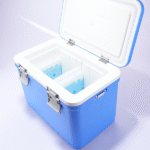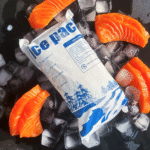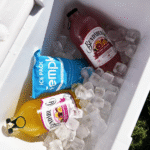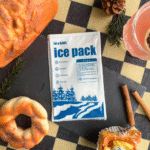
Kemasan Pengiriman Makanan yang Mudah Rusak: Cara Memilih Paket Rantai Dingin yang Andal
Kemasan pengiriman makanan yang mudah rusak harus dipilih dari rute ke belakang, bukan dari halaman katalog ke depan. Mulailah dengan kondisi produk yang diperlukan pada saat penerimaan, durasi pengiriman, titik serah terima, dan proses penerimaannya. Kemudian putuskan isolasi apa, pendingin, karton, dan instruksi secara realistis dapat mendukung profil tersebut. Untuk daging, hidangan laut, susu, kit makan, makanan siap saji, produk segar, cokelat, item roti, dan makanan penutup beku, inilah perbedaan antara paket yang terlihat dingin dan paket yang dikontrol, paket berulang.
Artikel ini berfokus pada keputusan pembelian praktis. Ini memisahkan komponen pengemasan dari kinerja yang memenuhi syarat, menunjukkan apa yang harus ditanyakan kepada pemasok, dan menjelaskan di mana keamanan pangan, penanganan es kering, kontrol kelembaban, dan keberlanjutan mempengaruhi pilihan akhir.
Tentukan Kedatangan yang Dapat Diterima untuk Setiap Kategori Makanan
Langkah pertama yang paling berguna adalah menjelaskan arti kedatangan yang dapat diterima. Untuk daging, hidangan laut, susu, kit makan, makanan siap saji, produk segar, cokelat, item roti, dan makanan penutup beku, penerimaan mungkin melibatkan suhu, penampilan, kelembaban, tekstur produk, integritas karton, instruksi keselamatan, atau dokumentasi penerimaan cek. Jika tim tidak dapat menentukan penerimaan, ia akan tergoda untuk membeli kemasan berdasarkan nama bahan atau klaim pemasok. Hal ini biasanya menimbulkan biaya yang tidak terlindungi atau tidak perlu.
Makanan yang mudah rusak tidak memiliki satu aturan suhu; dinginkan, beku, dan produk yang sensitif terhadap panas masing-masing memerlukan kondisi target yang dikonfirmasi dan paket yang mendukungnya. Kalimat ini harus diubah menjadi persyaratan pengoperasian praktis untuk setiap kelompok SKU. Barang beku, barang yang dingin, dan barang yang peka terhadap panas dapat dibawa dalam karton serupa, tetapi mereka tidak berbagi mode kegagalan yang sama. Definisikan kegagalannya terlebih dahulu: pencairan, pelunakan, kondensasi, memar, bocor, tamasya suhu, paket ritel yang dihancurkan, atau kehilangan informasi es kering.
Setelah kondisi penerimaan jelas, membandingkan bahan terhadap kondisi itu. Pertanyaannya bukan lagi apakah satu liner secara umum lebih baik dari yang lain. Pertanyaannya menjadi apakah kombinasi isolasi yang dipilih, pendingin, penempatan produk, kekuatan karton, dan menerima instruksi mendukung profil pengiriman yang tepat.
Petakan Rute Sebelum Membuat Daftar Periksa
Profil rute adalah deskripsi operasional singkat tentang pergerakan kiriman. Ini harus mencakup kondisi awal produk, lokasi pengepakan, waktu pementasan, layanan operator, titik diam yang diharapkan, musim, tipe penerima, dan apa yang terjadi jika pengiriman tertunda. Profil ini tidak perlu rumit, tapi itu harus jujur. Sebuah paket yang melakukan pengujian terkontrol bisa gagal jika rute sebenarnya mencakup dermaga yang hangat atau paparan teras yang panjang.
Daftar komponen kemudian harus dibuat berdasarkan makanan. Elemen khasnya termasuk kemasan makanan utama, kebocoran sekunder atau kontrol kelembaban, isolasi, pendingin atau refrigeran, karton luar, petunjuk pelabelan dan penanganan, menerima daftar periksa. Setiap elemen harus memiliki alasan. Bungkus bagian dalam melindungi produk. Kontrol kelembapan melindungi karton dan presentasi. Isolasi memperlambat perolehan panas. Pendingin mengelola beban termal. Karton luar menangani kompresi, pelabelan, dan penyortiran pembawa. Jika suatu elemen tidak memiliki fungsi yang jelas, hal ini mungkin menambah biaya tanpa mengurangi risiko.
Pencocokan rute juga mencegah pergantian pemain yang terlalu percaya diri. A tas termal digunakan untuk pengiriman pengemudi mungkin tidak berfungsi sebagai pengirim paket terisolasi. Lapisan kotak yang berfungsi untuk makanan dingin mungkin tidak melindungi makanan penutup beku. Kemasan es kering mungkin tidak cocok untuk produk yang dapat rusak karena suhu dingin ekstrem atau untuk jalur di mana pengirim tidak siap untuk penandaan es kering..
| Pertanyaan kemasan | Jawaban yang kuat termasuk di dalamnya | Apa yang harus dihindari |
|---|---|---|
| Kondisi apa yang harus tiba? | Hapus status produk, kebutuhan visual, dan menerima tindakan | Bahasa yang tidak jelas seperti tetap dingin. |
| Rute mana yang dilindungi? | Pembawa, lamanya, serah terima, musim, dan tipe penerima | Menggunakan satu paket untuk setiap jalur tanpa peninjauan. |
| Bagaimana pendingin dikelola? | Pengkondisian, penempatan, pemisahan, dan aturan es kering jika digunakan | Menambahkan lebih banyak cairan pendingin tanpa memeriksa kerusakan produk atau label. |
| Apakah paketnya dapat diulang? | Pemesanan paket sederhana dan uji coba seperti produksi | Sampel yang dirakit berbeda dari kenyataan gudang. |
| Bukti apa yang mendukungnya? | Uji konteks, spesifikasi pemasok, dan menerima cek | Klaim waktu tunggu yang tidak memenuhi syarat atau janji kepatuhan yang luas. |
Kontrol Kebocoran, Kelembaban, Pergerakan, dan Instruksi
Suhu hanyalah salah satu penyebab kegagalan pengiriman makanan. Kelembapan dapat melunakkan karton, label noda, kerusakan kemasan kado, dan membuat parsel terasa tidak aman. Pergerakan dapat menghancurkan kotak ritel atau memindahkan cairan pendingin dari area yang seharusnya dilindungi. Kegagalan komunikasi dapat menyebabkan penerima menyentuh es kering, tinggalkan produk, atau salah menilai kondisi apa yang dapat diterima. Kemasan pengiriman makanan yang baik dan mudah rusak mengatasi risiko non-suhu ini dengan sengaja.
Pengendalian kelembapan mungkin melibatkan kemasan utama yang disegel, lapisan penyerap, tas anti bocor, atau bahan yang tahan terhadap kondensasi. Kontrol gerakan mungkin melibatkan karton berukuran tepat, jangka pembagi garis, pengisian kekosongan yang kuat, atau liner yang pas tanpa roboh. Komunikasi mungkin mencakup bahasa penanganan yang sederhana, hati-hati terhadap es kering jika memungkinkan, dan menerima instruksi yang sesuai dengan kategori makanan. Detail ini kecil dibandingkan dengan pilihan isolasi, namun mereka sering kali memutuskan apakah kiriman tersebut ditangani secara profesional.
Pembeli juga harus mempertimbangkan kekuatan karton dalam kondisi nyata. Karton yang kuat saat kering bisa saja melemah jika terkena kondensasi atau kebocoran produk. Lapisan yang terlihat rapi saat kosong dapat berubah bentuk karena berat produk. A paket pendingin yang terpasang dengan aman di dalam sampel dapat tergelincir selama penyortiran paket. Uji coba produksi harus mencari titik kegagalan praktis ini.
Gunakan Klaim Pemasok dengan Hati-hati
Data pemasok sangat berharga jika bersifat spesifik. Tanyakan apa yang diuji, bagaimana itu dikemas, profil ambien apa yang digunakan, tempat probe ditempatkan, dan apa yang dihitung sebagai izin. Klaim bahwa suatu paket mendukung durasi tertentu mungkin berguna sebagai perbandingan, namun hal ini tidak boleh dianggap sebagai jaminan rute universal. Muatan, pendingin, musim, dan paparan pembawa dapat mengubah hasilnya.
Bahasa kepatuhan memerlukan kehati-hatian yang sama. Pengemasan dapat mendukung keamanan pangan atau penerimaan pengangkut, namun hal ini tidak secara otomatis membuat pengiriman menjadi patuh di setiap pasar. Es kering mungkin memerlukan tanda kemasan dan ventilasi yang aman. Beberapa makanan mungkin memerlukan kontrol suhu atau dokumentasi tertentu. Pengiriman ekspor mungkin memerlukan peninjauan tambahan. Pendekatan yang paling aman adalah mengonfirmasi persyaratan dengan tim mutu, pembawa, dan peraturan setempat yang berlaku sebelum peluncuran.
Diskusi pemasok yang matang mencakup batasan. Tanyakan di mana paket yang diusulkan tidak boleh digunakan. Tanyakan perubahan apa yang akan memicu pengujian ulang atau peninjauan. Tanyakan apakah sampel dan bahan produksinya identik. Tanyakan bagaimana perubahan material dikomunikasikan. Pertanyaan-pertanyaan ini melindungi pembeli dari mengandalkan klaim yang menarik namun tidak lengkap.
Skenario Gudang Multi-Produk
Sebuah merek makanan mengirimkan peralatan makan, keju, dan sampel makanan penutup dari gudang yang sama. Tim tidak dapat dengan aman menggunakan satu kotak standar untuk setiap SKU karena lembab, kisaran suhu, kontak pendingin, dan menerima perubahan ekspektasi berdasarkan produk. Tinjauan berbasis rute tidak akan dimulai dengan katalog. Ini akan dimulai dengan grup produk, kondisi kedatangan yang diinginkan, waktu tinggal yang diharapkan, presentasi karton, dan tindakan penerima. Dari sana, pembeli dapat memutuskan apakah akan menguji liner kotak terisolasi, pengirim terisolasi yang kaku, tas termal untuk pengiriman lokal, atau tata letak pendingin musiman.
Alat pengambilan keputusan yang berguna
Periksa detailnya sebelum Anda memilih kemasan
Alat cepat ini dapat membantu Anda membandingkan risiko rute, kebutuhan ukuran, pilihan pendingin, dan detail kemasan sebelum Anda meminta penawaran.
Pembuat Daftar Periksa Kepatuhan
Buatlah daftar periksa praktis untuk tinjauan kemasan, pengiriman, dan dokumentasi.
Buat daftar periksaPemilih Kemasan
Bandingkan opsi kemasan berinsulasi berdasarkan produk, rute, dan kebutuhan suhu.
Temukan kemasannyaKetahanan Jatuh Bahan Isolasi
Tinjau ketahanan jatuh dan faktor penanganan sebelum memilih bahan insulasi.
Periksa resistensiSampel pertama harus dikemas seperti produksi. Jika staf gudang akan berkemas dengan cepat, persidangan tidak boleh bergantung pada pengaturan satu kali yang hati-hati. Kalau coolant akan dikondisikan di freezer yang sudah ada, persidangan harus menggunakan proses yang sama. Jika pengiriman konsumen menyertakan kartu instruksi, persidangan harus menyertakannya. Tujuannya bukan untuk menciptakan demonstrasi yang sempurna; hal ini untuk mengetahui apakah paket berfungsi dalam kondisi operasi yang benar-benar akan digunakan oleh bisnis.
Setelah persidangan, meninjau titik kegagalan secara spesifik. Apakah kondisi produk berubah? Apakah kartonnya basah?? Apakah cairan pendinginnya bergerak? Apakah penerima memahami instruksinya? Apakah kemasannya sesuai dengan bangku pengepakan? Jenis peninjauan ini menghasilkan perbaikan yang lebih baik daripada sekadar memesan liner yang lebih tebal atau cairan pendingin yang lebih banyak.
Biaya dan Keberlanjutan untuk Rute yang Mudah Rusak
Biaya dan keberlanjutan sering kali dibahas secara terpisah, tapi mereka berbagi akar yang sama: bugar. Paket berukuran tepat mengurangi limbah pengiriman, ruang penyimpanan, permintaan pendingin, dan pembuangan material. Pengiriman yang gagal akan menyia-nyiakan semua yang ada di dalam kotak. Komponen yang dapat digunakan kembali dapat menjadi pilihan yang baik pada rute pengembalian yang terkendali, sementara liner yang dapat didaur ulang atau mudah sekali pakai mungkin lebih cocok untuk pengiriman konsumen satu arah.
kemasan berukuran tepat, liner yang dapat didaur ulang jika sesuai, refrigeran yang dapat digunakan kembali pada jalur terkendali, dan pengurangan limbah produk melalui perencanaan rute yang lebih baik merupakan pilihan praktis hanya jika pilihan tersebut cocok dengan rutenya. Jangan memaksakan penggunaan kembali ketika logistik pengembalian lemah. Jangan memilih bahan yang ringan jika akan meningkatkan kehilangan produk. Jangan memilih sistem berkinerja tinggi untuk jalur lokal berisiko rendah tanpa memeriksa total biaya. Keputusan terbaik menyeimbangkan perlindungan produk, tenaga kerja, penyimpanan, kargo, limbah, dan penerimaan pelanggan.
Tim pengadaan harus membandingkan dampak operasional total dibandingkan harga satuan saja. Tinjau biaya bahan, waktu pengepakan, kebutuhan freezer atau penyimpanan, kubus karton, tingkat kerusakan atau penolakan, beban layanan pelanggan, dan instruksi pembuangan atau pengembalian. Hal ini memberi pembeli pandangan yang lebih baik tentang nilai daripada sekadar memilih komponen berinsulasi dengan biaya terendah.
Daftar Periksa Pembelian Akhir untuk Pengiriman Makanan yang Mudah Rusak
Sebelum menyetujui kemasan pengiriman makanan yang mudah rusak, konfirmasikan lima hal. Pertama, kondisi produk yang diperlukan pada saat kedatangan ditulis dengan jelas. Kedua, profil rutenya realistis, termasuk perilaku diam dan penerima. Ketiga, pilihan cairan pendingin sesuai dengan aturan produk dan operator. Keempat, paket sudah diuji coba dengan packing seperti produksi. Kelima, pemasok telah memberikan spesifikasi dan konteks pengujian yang tersedia tanpa janji yang luas.
Konfirmasikan juga apa yang akan direview setelah peluncuran. Kemasan rantai dingin seharusnya tidak menjadi keputusan satu kali. Musim, layanan operator, campuran produk, ukuran pesanan, dan harapan pelanggan dapat berubah. Paket yang berfungsi di musim semi mungkin memerlukan penyesuaian di musim panas. Perubahan kecil SKU mungkin memerlukan pengisian rongga atau tata letak cairan pendingin yang berbeda. Maskapai baru mungkin memperkenalkan titik tinggal yang berbeda.
Ketika daftar periksa diperlakukan sebagai bagian dari operasi, pengemasan menjadi lebih mudah untuk dikelola. Tim dapat menjelaskan mengapa suatu komponen digunakan, risiko apa yang dikendalikannya, dan kapan harus ditinjau. Kejelasan tersebut lebih berguna daripada mengandalkan klaim umum bahwa sebuah kotak memiliki insulasi atau cairan pendingin tahan lama.
FAQ
Bagaimana saya mengetahui opsi kemasan pengiriman makanan mudah rusak mana yang tepat untuk produk saya?
Mulailah dengan kondisi produk yang diperlukan pada saat kedatangan, bukan dengan nama materialnya. Konfirmasikan apakah produk harus tetap dibekukan, dinginkan, terlindung dari panas, terlindung dari kelembapan, atau dilindungi untuk presentasi. Kemudian cocokkan insulasinya, pendingin, karton, dan instruksi pengepakan ke rute. Jika pemasok tidak dapat menjelaskan bagaimana paket tersebut sesuai dengan muatan dan jalur Anda, minta lebih banyak konteks sebelum memesan.
Haruskah saya menggunakan es kering, Paket gel, atau paket PCM?
Jawabannya tergantung sensitivitas produk, kondisi yang diperlukan, rute, penerimaan operator, dan kemampuan penanganan. Es kering dapat berguna untuk beberapa pengiriman beku tetapi mungkin memerlukan kemasan berventilasi, tanda, dan ulasan operator. Paket gel dan kemasan PCM bisa lebih mudah digunakan untuk barang-barang berpendingin atau sensitif terhadap panas, namun tetap membutuhkan pengkondisian dan penempatan yang benar. Jangan menukar cairan pendingin tanpa meninjau paket lengkapnya.
Apakah kotak berinsulasi cukup untuk pengiriman makanan yang mudah rusak?
Isolasi saja memperlambat perpindahan panas; itu tidak menciptakan pengiriman terkendali. Pengemasan yang bisa diterapkan juga memerlukan kondisi awal produk yang tepat, pendingin atau refrigeran bila diperlukan, pengendalian kebocoran atau kelembapan, kekuatan karton, penutup, dan menerima instruksi. Persediaan pengiriman yang mudah rusak adalah komponen; mereka menjadi paket rantai dingin yang bisa diterapkan hanya ketika dirakit dan diuji untuk profil pengiriman sebenarnya. Perlakukan kotak sebagai salah satu komponen sistem.
Apa yang harus saya tanyakan kepada pemasok sebelum membeli dalam jumlah besar?
Mintalah dimensi internal dan dapat digunakan, spesifikasi bahan, kompatibilitas cairan pendingin, konsistensi sampel hingga produksi, dan konteks pengujian apa pun di balik klaim kinerja. Tanyakan juga untuk kondisi apa paket tersebut tidak dirancang. Pemasok yang dapat menjelaskan batasan sering kali lebih berguna dibandingkan pemasok yang memberikan klaim luas tanpa menjelaskan muatannya, profil lingkungan, atau asumsi rute.
Kapan suatu paket harus ditinjau kembali?
Tinjau paket setiap kali produk, musim, rute, layanan operator, ukuran pesanan, tipe pendingin, atau perubahan pemasok pengemasan. Tinjau juga setelah ada keluhan, pengiriman yang ditolak, karton basah, kedatangan terlambat, atau catatan suhu yang tidak biasa. Pengemasan rantai dingin harus dipertahankan seperti proses operasi, tidak disetujui sekali dan dilupakan.
Kesimpulan
Keputusan pengemasan pengiriman makanan yang paling mudah rusak adalah berdasarkan rute dan berdasarkan bukti. Tentukan kedatangan yang dapat diterima, membangun paket keluar dari produk, mengontrol kelembapan dan pergerakan, dan memverifikasi klaim pemasok dalam konteksnya. Sebuah tas, liner, pendingin, atau karton hanyalah salah satu bagian dari jawabannya. Sistem akhir harus sesuai dengan kategori makanan, durasi rute, titik serah terima, harapan penerima, dan alur kerja gudang. Ketika faktor-faktor tersebut dituliskan, kemasan menjadi lebih mudah untuk diuji, memperbaiki, dan skala.
Tentang Tempk
Dan Tempk, kami mendukung pengirim makanan yang mudah rusak dengan komponen kemasan rantai dingin yang praktis seperti tas berinsulasi, liner kotak terisolasi, Paket es, menghidrasi paket es kering, batu bata es, dan kotak karton isolasi. Kami membantu pembeli mengatur pilihan berdasarkan kategori makanan, rute, pendingin, dan operasi pengepakan alih-alih memperlakukan persediaan sebagai barang yang terisolasi.
CTA
Kirimkan Tempk kategori produk Anda, rute pengiriman, muatan, dan persyaratan suhu untuk membahas rekomendasi pengemasan praktis.