Kemasan VIP untuk rantai dingin untuk perlindungan muatan: Panduan Seleksi Praktis
Penggunaan terbaik dari a Kemasan VIP untuk rantai dingin untuk perlindungan muatan adalah menghubungkan perlindungan termal dengan rencana operasi yang jelas. Mulailah dengan persyaratan produk, lalu tentukan rutenya, muatan, pendingin, bukti pemantauan, dan menerima keputusan. Isolasi VIP dapat bermanfaat untuk pengiriman rantai dingin yang sulit atau bernilai tinggi, tapi itu harus dipilih melalui bukti, bukan asumsi. Panduan siap publikasi ini mendatangkan pembeli, teknis, dan pertanyaan operasional ke dalam satu kerangka praktis.
Jawaban cepat: gunakan kemasan VIP untuk rantai dingin untuk perlindungan muatan ketika pengiriman membutuhkan isolasi pasif yang lebih kuat, kontrol paket yang ditentukan, dan bukti praktis bagi penerimanya. Jangan menggunakannya sebagai pengganti kualifikasi rute, pengkondisian cairan pendingin yang benar, atau tinjauan kualitas. Wadah harus dinilai sebagai salah satu komponen sistem rantai dingin yang lengkap.
Bagi sebagian besar pembeli, pertanyaan praktisnya adalah: bukti apa yang kita perlukan sebelum kita memercayai paket ini dalam skala besar? Bukti itu mungkin berupa ringkasan kualifikasi, lembar data pemasok, instruksi paket, contoh ulasan, rekomendasi penempatan logger, atau persetujuan kualitas internal. Tujuannya bukan untuk mengumpulkan dokumen demi kepentingan mereka sendiri. Tujuannya adalah untuk mengurangi ketidakpastian sebelum produk sebenarnya berada dalam risiko.
Jalur keputusan praktis untuk solusi VIP yang tepat
Jalur keputusan terbaik tidak semata-mata bersifat teknis atau komersial. A VIP packaging for rantai dingin for payload protection should be judged by how well it connects product requirements, paparan jalur, pengulangan paket, bukti pemantauan, dan dukungan pemasok. Bahan premium masih bisa mengecewakan jika muatannya tidak pas, pendingin dikondisikan secara tidak benar, atau penerima tidak dapat menafsirkan laporan logger. Desain yang lebih sederhana dapat berfungsi dengan baik jika jalurnya pendek, stabil, dan didokumentasikan.
VIP berarti panel berisolasi vakum, komponen insulasi berkinerja tinggi yang dibangun di sekitar inti yang dievakuasi yang disegel di dalam selubung penghalang. Di dalam kemasan rantai dingin, Panel VIP biasanya dilindungi oleh lapisan struktural dalam dan luar karena panel itu sendiri tidak dimaksudkan untuk disalahgunakan secara langsung. Nilai praktisnya bukanlah panel itu ajaib; hal ini disebabkan karena berkurangnya perpindahan panas dapat memberikan margin termal yang lebih besar pada kemasan atau mempertahankan lebih banyak ruang muatan internal dibandingkan dinding busa konvensional yang lebih tebal. Pembeli masih perlu memastikan paket lengkap, karena isolasi saja tidak menentukan kisaran suhu yang diperlukan, pengkondisian cairan pendingin, atau kriteria penerimaan.
Perlindungan muatan lebih luas dibandingkan menjaga udara tetap dingin. Produk sensitif dapat rusak karena kontak yang membekukan, paparan dinding yang hangat, berpindah selama pengangkutan, kompresi, kemasan sekunder rusak, atau penerima yang tidak dapat memverifikasi kondisi pada saat kedatangan. Paket VIP yang bagus menggunakan pemisahan, Bantalan, penempatan cairan pendingin, dan logika pemantauan untuk melindungi produk sebagai muatan fisik dan sebagai barang yang sensitif terhadap suhu.
Perlindungan suhu terpisah, pemantauan, dan bukti kepatuhan
Pengirim VIP biasanya a kemasan pasif dengan pengatur suhu komponen kecuali dipasangkan dengan pendingin bertenaga. Pasif berarti sistem bergantung pada isolasi, pendingin yang telah dikondisikan sebelumnya, bahan perubahan fase, es kering jika perlu, dan metode pemuatan berulang. Itu tidak secara aktif mendinginkan dirinya sendiri setelah keberangkatan. Perbedaan ini penting dalam RFQ karena beberapa pembeli menggunakan kata seperti didinginkan, cerdas, dan suhu dikontrol dalam kalimat yang sama. Pemasok perlu mengetahui apakah Anda mengharapkan perlindungan pasif, pendinginan aktif, pemantauan suhu, atau alur kerja logistik hibrid.
Pemantauan suhu harus diperlakukan sebagai bukti, bukan sebagai perlindungan termal. Pencatat dapat menunjukkan apakah kiriman tetap berada dalam kisaran yang disyaratkan dan dapat membantu tim menyelidiki penyimpangan, tapi itu tidak bisa memperbaiki paket yang lemah. Penempatan logger juga penting. Sebuah sensor ditempatkan pada benda beku paket pendingin, dekat dinding yang hangat, atau di kantong udara mungkin tidak mewakili kondisi muatan. Untuk pengiriman penting, rencana pemantauan harus ditinjau dengan hati-hati seperti peta cairan pendingin.
Pemisahan ini mencegah dua kesalahan umum. Yang pertama adalah percaya bahwa data logger melindungi produk. Yang kedua adalah percaya bahwa isolasi saja sudah membuktikan pengiriman terkendali. Perlindungan termal, bukti pemantauan, dan dokumentasi kepatuhan terhubung, namun masing-masing mempunyai pekerjaan yang berbeda. Paket yang kuat akan membuat pekerjaan ini terlihat.
Tata letak muatan perlu mendapat perhatian yang sama seperti isolasi. Jika suatu produk sensitif terhadap pembekuan, kontak langsung dengan cairan pendingin beku mungkin memiliki risiko lebih besar dibandingkan panas lingkungan. Jika produknya rapuh, pergerakan internal dapat merusak kemasan sekunder dan mengganggu lokasi logger. Jika penerima perlu mengeluarkan barang dengan cepat, pemeriksaan kedatangan harus cukup sederhana untuk dilakukan secara konsisten.
Cocokkan wadah dengan muatannya, jalur, dan menerima keputusan
Untuk muatan yang sensitif terhadap suhu yang mungkin rusak karena pembekuan, pemanasan, dampak, atau penempatan yang buruk, kontainer harus sesuai dengan muatan dan jalurnya pada saat yang bersamaan. Tinjauan muatan mencakup dimensi, massa, kepekaan, kemasan sekunder, dan apakah produk rusak karena pembekuan, pemanasan, getaran, atau kontak dengan cairan pendingin. Peninjauan jalur mencakup durasi yang direncanakan, serah terima, paparan lingkungan, bea cukai atau tempat tinggal hub, dan menerima kesiapan. Jika salah satu pihak tidak jelas, rekomendasi pengemasannya tidak jelas.
Perlindungan muatan lebih luas dibandingkan menjaga udara tetap dingin. Produk sensitif dapat rusak karena kontak yang membekukan, paparan dinding yang hangat, berpindah selama pengangkutan, kompresi, kemasan sekunder rusak, atau penerima yang tidak dapat memverifikasi kondisi pada saat kedatangan. Paket VIP yang bagus menggunakan pemisahan, Bantalan, penempatan cairan pendingin, dan logika pemantauan untuk melindungi produk sebagai muatan fisik dan sebagai barang yang sensitif terhadap suhu.
tabel bukti RFQ
| barang RFQ | Detail berguna minimum | Nilai keputusan |
|---|---|---|
| Deskripsi muatan | Jenis produk, massa, ukuran, dan sensitivitas | Membantu mengukur wadah dan mencegah kesesuaian yang buruk |
| Persyaratan suhu | Aturan penanganan jangkauan dan ekskursi yang diperlukan | Menentukan target penerimaan |
| Jalur transportasi | Asal, tujuan, mode, musim, dan serah terima | Menghubungkan pilihan paket dengan paparan nyata |
| Desain paket | Tipe pendingin, pengkondisian, penempatan, jangka pembagi garis, dan penutupan | Membuat hasilnya dapat diulang |
| Memantau alur kerja | Posisi pencatat, memulai/menghentikan proses, format laporan, dan pemilik ulasan | Mengubah data suhu menjadi bukti yang dapat digunakan |
| Kontrol peningkatan skala | Kesetaraan sampel, konsistensi produksi, dan mengubah pemberitahuan | Mengurangi kejutan setelah persetujuan |
Tabel ini berguna karena mengubah pertanyaan umum tentang produk menjadi pertanyaan yang dapat diverifikasi. Hal ini juga mencegah pembeli memperlakukan kontainer VIP sebagai spesifikasi tunggal ketika keputusan sebenarnya bergantung pada rute penuh, muatan, pendingin, pemantauan, dan alur kerja dokumentasi.
Bukti untuk diminta sebelum penskalaan dari sampel ke produksi
Kualifikasi adalah jembatan antara klaim produk dan keputusan pengiriman sebenarnya. Ini menanyakan pertanyaan sederhana: di bawah profil yang ditentukan, dengan muatan yang ditentukan dan paket yang ditentukan, apakah sistem mempertahankan kondisi yang diperlukan? Jika salah satu input tersebut berubah, buktinya mungkin tidak lagi dapat dipindahtangankan secara langsung. Itu sebabnya pembeli harus bertanya apakah kinerja yang disebutkan mencerminkan massa muatan mereka, tata letak internal, kuantitas pendingin, durasi rute, dan kondisi sekitar yang diharapkan.
Sebelum melakukan penskalaan, meminta bukti yang mencerminkan konfigurasi yang disetujui. Tahap sampel harus menguji lebih dari sekedar penampilan visual. Konfirmasikan bahwa konstruksi, penutup, Perlindungan panel VIP, rencana pendingin, tata letak internal, dan instruksi dapat diulangi dalam produksi. Jika pemasok mengubah material, struktur dinding, atau komponen setelah disetujui, pembeli harus mengetahui bagaimana perubahan itu dikomunikasikan dan dievaluasi.
Disiplin pengoperasian setelah kotak meninggalkan fasilitas Anda
Kotak itu meninggalkan fasilitas Anda, tapi prosesnya terus berlanjut. Pengkondisian awal, pementasan produk, penempatan label, aktivasi pencatat, penutupan tutupnya, penjemputan operator, penanganan dalam perjalanan, dan menerima inspeksi semuanya mempengaruhi hasilnya. Wadah VIP dapat memperlambat perpindahan panas, namun ia tidak dapat memperbaiki muatan hangat yang terlambat dimuat, penjemputan yang terlewat, atau penerima yang lupa mengunduh logger. Disiplin pengoperasian mengubah desain kemasan menjadi kontrol pengiriman.
Alat pengambilan keputusan yang berguna
Periksa detailnya sebelum Anda memilih kemasan
Alat cepat ini dapat membantu Anda membandingkan risiko rute, kebutuhan ukuran, pilihan pendingin, dan detail kemasan sebelum Anda meminta penawaran.
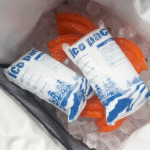
Kalkulator Paket Es
Perkirakan jumlah paket es gel untuk pengiriman dingin dan perencanaan rute yang praktis.
Perkirakan kantong esPendingin & Referensi PCM
Bandingkan opsi cairan pendingin dan PCM ketika suatu rute memerlukan dukungan suhu tambahan.
Bandingkan pilihanKetahanan Jatuh Bahan Isolasi
Tinjau ketahanan jatuh dan faktor penanganan sebelum memilih bahan insulasi.
Periksa resistensiSatu set instruksi yang baik harus cukup singkat untuk digunakan dan cukup spesifik untuk mencegah improvisasi. Itu harus menunjukkan urutan pengepakan, penempatan cairan pendingin, lokasi pencatat, metode penutupan, posisi label, dan menerima cek. Untuk unit yang dapat digunakan kembali, itu juga harus menunjukkan langkah-langkah pemeriksaan dan pembersihan sebelum pengiriman berikutnya.
Catatan pembeli akhir untuk RFQ yang lebih aman
RFQ yang lebih aman menyatakan ketentuannya daripada meminta kotak premium umum. Sertakan rentang yang diperlukan, muatan, ukuran, rute, lamanya, musim, moda transportasi, kebutuhan pemantauan, menggunakan kembali harapan, dan kebutuhan dokumentasi. Minta pemasok untuk menyatakan asumsi di balik setiap klaim kinerja. Jika mereka tidak dapat menyatakan asumsinya, memperlakukan klaim sebagai titik awal dan bukan sebagai dasar keputusan.
Akhirnya, putuskan apa yang membuat pilihan tersebut tidak dapat diterima. Mungkin volume yang dapat digunakan terlalu sedikit, penempatan logger yang tidak jelas, perlindungan panel lemah, tidak ada instruksi paket, tidak ada percakapan kontrol perubahan, atau tidak cocok dengan putaran kembali. Kriteria penolakan membuat evaluasi lebih obyektif dan mencegah tim menyetujui suatu wadah hanya karena materinya terdengar canggih.
Dari Persetujuan Sampel hingga Pengiriman Berulang
Sample approval for VIP packaging for rantai dingin for payload protection should not stop at appearance. Tim harus memastikan bahwa sampel dapat dikemas oleh staf biasa, bahwa muatannya pas setelah penempatan cairan pendingin dan logger, penutupan itu bisa diulang, dan agar penerima dapat memeriksa dan mendokumentasikan kedatangan tanpa kebingungan. Sampel kuat yang tidak dapat diulang dalam produksi bukanlah sampel yang stabil solusi rantai dingin.
Saat berpindah ke pengiriman berulang, mendefinisikan ekspektasi pengendalian perubahan. Jika pemasok mengganti bahan panel, desain cangkang, struktur tutup, pembagi, atau paket yang direkomendasikan, pembeli harus diberitahu sebelum perubahan mempengaruhi pengiriman sebenarnya. Hal ini sangat penting bagi bidang farmasi, klinis, biologis, dan produk bernilai tinggi dimana perubahan kecil pada kemasan dapat mengubah profil risiko.
FAQ
Apa cara paling sederhana untuk mulai memilih wadah VIP?
Mulailah dengan kisaran suhu produk yang diperlukan dan jalur sebenarnya. Kemudian tentukan massa muatan, volume yang dapat digunakan, lamanya, paparan lingkungan, strategi pendingin, kebutuhan pemantauan, dan menerima aturan penerimaan. Hanya setelah poin-poin tersebut jelas barulah Anda membandingkan gaya wadah, ukuran, dan harga.
Bukti apa yang harus diberikan oleh pemasok?
Mintalah bukti yang sesuai dengan keputusan Anda. Ini mungkin termasuk informasi penting, instruksi paket, ringkasan ujian atau kualifikasi, panduan penempatan logger, instruksi pembersihan dan penggunaan kembali, dan pengendalian sampel hingga produksi. Jika klaim mempengaruhi kualitas atau kepatuhan, tanyakan dokumen apa yang mendukungnya.
Apakah kemasan VIP cukup untuk pengiriman klinis atau farmasi?
Kemasan VIP mungkin bisa menjadi salah satu jawabannya, tapi sistem penuh itu penting. Tim kualitas biasanya peduli dengan batasan suhu produk, bukti kualifikasi, pemantauan yang dikalibrasi, risiko rute, SOPnya sesuai, dan penanganan penyimpangan. Kemasan harus dipilih untuk mendukung pengendalian tersebut, bukan menggantikannya.
Bagaimana cara membandingkan dua opsi kotak VIP?
Bandingkan ruang muatan yang dapat digunakan, pengulangan paket, kompatibilitas cairan pendingin, perlindungan panel, keandalan penutupan, daya tahan penanganan, tata letak pemantauan, dukungan dokumentasi, dan total biaya operasional. Harga satuan yang lebih rendah dapat menyesatkan jika kotak tersebut menimbulkan kesalahan pengepakan, pengiriman tambahan, atau lemahnya penerimaan bukti.
Kesimpulan: Jadikan Pilihan VIP Berbasis Bukti
A VIP packaging for rantai dingin for payload protection is most valuable when the buyer links the container to product limits, paparan rute, pengulangan paket, bukti pemantauan, dan menerima keputusan. Isolasi VIP adalah salah satu komponen yang kuat, tapi ini bukan keseluruhan proses rantai dingin.
Untuk RFQ yang lebih aman, mintalah bukti di balik setiap klaim dan konfirmasikan bagaimana sampel akan disesuaikan dengan pengiriman berulang. Pilihan terakhir harus praktis bagi orang yang berkemas, mengangkut, menerima, memeriksa, dan menyetujui produk tersebut.
Catatan Tambahan untuk Tinjauan Internal
Another point worth checking for VIP packaging for rantai dingin for payload protection is receiving behavior. Pengiriman belum selesai ketika sudah sampai di alamat; itu selesai ketika penerima dapat memeriksanya, menafsirkan bukti suhu, dan membuat keputusan penerimaan yang benar. Jika desain paket mempersulit pengambilan logger atau menyembunyikan kondisi muatan, penerima dapat menimbulkan penyimpangan meskipun desain termal memadai. Instruksi penerimaan yang sederhana mengurangi risiko ini.
Penyimpanan sebelum pengiriman juga merupakan bagian dari proses rantai dingin. Pengkondisian cairan pendingin, pementasan produk, penyimpanan kotak kosong, dan suhu ruang pengepakan dapat mempengaruhi kondisi awal. Jika satu lokasi dikemas dalam ruang terkontrol dan lokasi lainnya dikemas di samping dok pemuatan, kotak yang sama mungkin memulai jalur dengan kondisi termal yang berbeda. Pembeli harus menstandarkan langkah-langkah persiapan sebelum menilai kinerja kontainer.
Akhirnya, pertimbangkan bagaimana perubahan akan ditangani setelah disetujui. Mengganti pembatas, mengganti komponen penutup, menggunakan sumber pendingin yang berbeda, atau mengubah lokasi logger mungkin tampak kecil, namun setiap perubahan dapat mempengaruhi cara perpindahan panas melalui kemasan atau bagaimana bukti diinterpretasikan. Percakapan perubahan yang jelas antara pembeli dan pemasok sangat penting ketika pengiriman diatur, nilai tinggi, atau diulangi di beberapa lokasi.
Tentang Tempk
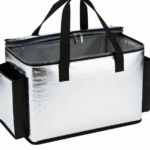
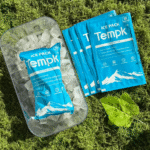
Tempk menawarkan rantai dingin solusi pengemasan itu termasuk Kotak pendingin VIP dan opsi kotak pendingin panel isolasi vakum yang dapat dilepas untuk medis, farmasi, makanan, dan kebutuhan logistik sensitif suhu lainnya. Nilai yang relevan bagi pembeli bukan hanya cangkang berinsulasi, tetapi juga percakapan praktis seputar payload fit, penggunaan cairan pendingin, penanganan yang dapat digunakan kembali, dan ekspektasi dokumentasi. Untuk proyek VIP, Tempk dapat membantu pembeli menerjemahkan rute, jenis produk, dan persyaratan suhu ke dalam diskusi pengemasan yang lebih spesifik daripada penyelidikan umum tentang pendingin.
Minta Tempk untuk meninjau geometri muatan dan batas suhu sebelum memilih konfigurasi pengemasan VIP.