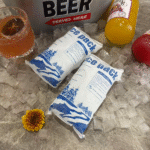
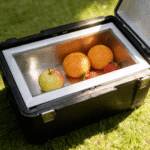
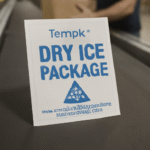
Pengiriman vaksin, makanan laut atau makanan penutup gourmet di 2025 menuntut lebih dari sekadar membuang es ke dalam kotak—hal itu memerlukannya paket es kering premium. These engineered refrigerants maintain ultralow temperatures of –78.5 °C for 72–120 jam dan dapat digunakan kembali 100–200 kali, outperforming standard dry ice or Paket gel. Dirancang dengan cangkang yang tahan lama, phasechange matrices and smart sensors, they combine deepfreeze reliability with sustainability. Panduan ini mengungkap misteri paket es kering premium, menjelaskan cara mengukur dan menanganinya dengan aman, dan mengeksplorasi inovasi dan tren pasar yang membentuk 2025 rantai dingin. Baik Anda mengirimkan makanan biologis atau makanan beku, Anda akan mengetahui mengapa berinvestasi pada paket premium mengurangi pemborosan, mengurangi biaya dan menjaga barang Anda tetap aman.
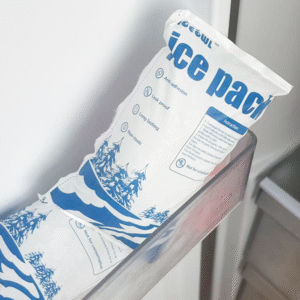
Pahami apa yang membedakan paket es kering premium – bandingkan waktu tunggu mereka, penggunaan kembali siklus dan fitur keselamatan dengan es kering standar dan batu bata PCM.
Ukuran, kemas dan beri label es kering dengan benar – follow ruleofthumb mass calculations and 2025 aturan kepatuhan untuk menghindari bahaya.
Jelajahi material dan teknologi – pelajari cara membuat cangkang HDPE, phasechange matrices and IoT sensors extend hold time and improve traceability.
Menavigasi tren pasar dan keberlanjutan – memahami mengapa dapat digunakan kembali, Penangkapan CO₂ dan pengemasan cerdas mendorong adopsi dan bagaimana pasar es kering berkembang.
Pilih refrigeran yang tepat – menimbang bungkus es kering premium dengan batu bata PCM, kemasan gel dan pendinginan aktif untuk menyesuaikan dengan kebutuhan produk Anda.
Bersiaplah untuk masa depan – temukan teknologi baru seperti pemantauan IoT, Pengoptimalan rute AI dan blockchain yang membentuk kembali logistik rantai dingin.
Yang membedakan paket es kering premium dengan pendingin biasa?
Premium dry ice packs deliver ultralow temperatures longer and can be reused hundreds of times. Sedangkan es kering biasa menyublim dengan cepat dan bertahan 24–48 jam, paket premium mempertahankan suhu –78,5 °C 72–120 jam, menawarkan hingga waktu tahan lima kali lebih lama. Cangkang dan insulasi yang diperkuat memungkinkan penggunaan kembali 100–200 siklus, sedangkan paket es kering atau gel standar hanya bertahan 10-20 siklus. Peningkatan kinerja ini berarti lebih sedikit pengiriman dan lebih sedikit limbah, diterjemahkan ke dalam total biaya per pengiriman yang lebih rendah.
Mengapa paket premium bertahan lebih lama
Keunggulan paket es kering premium adalah multilayer construction. Kulit terluar—biasanya polietilen densitas tinggi (HDPE) atau Komposit EVA—resists cracking at subzero temperatures and reduces CO₂ leakage. Di dalam, A phasechange matrix (PCM) suhu penyangga saat es kering menyublim, menjaga muatan tetap stabil. Yang ketiga lapisan terisolasi menahan uap CO₂, memperpanjang durasi pendinginan dan mengurangi biaya pengisian ulang. Bersama, lapisan ini menghasilkan hingga waktu tahan lima kali lebih lama than singleuse gel or dry ice packs. Karena kulit terluarnya tahan lama, paket premium bertahan dalam siklus pembekuan-pencairan yang berulang, enabling longterm reuse.
Membandingkan waktu tunggu dan siklus penggunaan kembali
| Jenis Pendingin | Waktu penahanan yang khas (jam) | Siklus kembali | Apa artinya bagimu |
| Paket es kering premium | 72–120 | 100–200 | Integritas deepfreeze untuk rute beberapa hari; total biaya per pengiriman yang lebih rendah |
| Paket es kering standar | 24–48 | 10–20 | Cocok untuk pengiriman semalam tetapi menghasilkan lebih banyak limbah |
| –21 °C batu bata PCM | 24–72 | 12–24 | Ideal for icecream lanes or partial freeze shipments; penanganan lebih mudah |
| 0 Paket gel °C | 24–48 | 10–20 | Terbaik untuk makanan dingin; tidak cocok untuk makanan yang dibekukan |
Waktu tunggu yang lebih lama dan kemampuan penggunaan kembali berarti lebih sedikit zat pendingin per pengiriman, lebih sedikit tenaga kerja dalam pengepakan dan lebih sedikit pesanan penggantian. Misalnya, a frozen meal brand replaced four gel packs with two highmass premium dry ice packs and potong waktu pengepakan sekitar 25 %, mempertahankan –20 °C selama 48 jam selama jalur musim panas. Perbaikan seperti ini menghemat waktu dan mengurangi pemborosan pada ratusan pengiriman.
Tip dan rekomendasi praktis
Prechill your products and liners. Memulai dalam keadaan dingin akan mempertahankan kapasitas kemasan dan memperlambat sublimasi.
Rightsize the mass. Menggandakan massa es kering dapat memperpanjang durasi sekitar 30 jam untuk 50 jam; tambahkan 25–50 % buffer untuk jalur musim panas dan validasi kinerja dengan data logger.
Gunakan spacer dan aliran udara. Surround payloads with packs or topload dry ice to maximise contact and maintain uniform temperatures.
Lapisi isolasi Anda. Gabungkan penghalang foil atau uap dengan EPS atau panel vakum (VIP) to boost Rvalue and hold time.
Periksa dan pensiunkan paket yang rusak. Cangkang yang retak atau segel yang rusak dapat menyebabkan kebocoran CO₂; periksa sebelum digunakan kembali dan pensiunkan unit yang rusak.
Kasus dunia nyata: Ketika produsen makanan beku beralih dari beberapa kemasan gel ke kemasan es kering premium, waktu pengepakan berkurang sebesar 25 % dan pengiriman dipertahankan pada suhu –20 °C 48 jam di musim panas. Hal ini menggambarkan bagaimana investasi pada paket premium dapat mengurangi tenaga kerja dan meningkatkan kinerja.
How to size, menangani dan mengemas paket es kering premium 2025?
Mengukur ukuran paket es kering Anda dengan benar sangat penting untuk pengiriman yang aman dan efisien. Mulailah dengan 5–10 lb. (2.3–4.5 kg) es kering per 24 jam for a 20–30 L pengirim terisolasi; meningkat menjadi 10–15 lb untuk kotak 40–60 L 48 jam dan 18–22 pon untuk kotak 60–80 L ke atas 72 jam. Sesuaikan dengan panjang rute, suhu lingkungan dan kualitas insulasi. Selalu validasi dengan data logger.
Ruleofthumb sizing and simple estimator
Tabel berikut merangkum massa awal dan penyesuaian ukuran kotak umum:
| Volume Kotak | Durasi Sasaran | Memulai Misa | Penyesuaian |
| 20–30 liter | 24 H | 5–7 lb | Menambahkan 25 % massa untuk cuaca panas |
| 40–60 liter | 48 H | 10–15 lb | Add VIPs or topload dry ice for better airflow |
| 60–80 liter | 72 H | 18–22 pon | Tambahkan buffer dan tinjau data logger |
Untuk perkiraan yang lebih tepat, kalikan volume kotak berdasarkan durasi dan terapkan pengganda untuk kondisi sekitar dan kualitas insulasi:
diperlukan_mass_lb = 0.25 × volume_L × (durasi_h ÷ 24) × pengganda_ambien × pengganda_isolasi
ambient_multiplier = 0.9 (Dingin), 1.0 (sedang), 1.35 (panas)isolasi_pengganda = 1.0 (Bagus), 0.8 (lebih baik), 0.65 (terbaik)
Rumus sederhana ini, diadaptasi dari panduan ukuran Tempk, menawarkan garis dasar. Selalu uji dengan data logger dan sesuaikan berdasarkan rute sebenarnya.
Persyaratan pengemasan dan pelabelan
Es kering diklasifikasikan sebagai Dan 1845, Kelas 9 barang berbahaya. Kemasan harus memungkinkan gas CO₂ keluar dan diberi label yang jelas dengan berat bersih dan simbol bahaya. Ikuti langkah-langkah berikut untuk tetap mematuhi 2025:
Pilih yang kaku, wadah terisolasi. Gunakan styrofoam atau pendingin plastik di dalam karton, plastic or wood box that can withstand subzero temperatures. Hindari kaleng atau kantong logam tertutup yang dapat pecah.
Ventilasi wadahnya. Jangan menutup jahitan sepenuhnya; sisakan celah selebar jari atau lubang ventilasi agar CO₂ dapat keluar. Maskapai dapat menolak kotak styrofoam yang disegel.
Topload the dry ice. CO₂ lebih berat dari udara, jadi menempatkan kemasan di atas akan menjaga produk tetap dingin dan meningkatkan aliran udara.
Segel dan beri label. Kencangkan tutupnya sambil membiarkan ventilasi. Beri label pada kemasan dengan “Es Kering” atau “Karbon dioksida, padat,” PBB 1845 kode dan berat bersih.
Patuhi batasan berat. Pengiriman udara dapat mencapai hingga 200 kg es kering per paket berdasarkan Instruksi Pengepakan IATA 954. Penumpang dapat membawa hingga 2.5 kg (5.5 lb) per paket dengan persetujuan maskapai.
Siapkan dokumentasi. Cantumkan nama pengiriman yang tepat, Nomor PBB, jumlah paket dan berat bersih pada tagihan saluran napas; beberapa pengiriman memerlukan pernyataan pengirim.
Latih tim Anda. Siapapun berkemas, menandai atau menangani es kering harus mendapat pelatihan hazmat, dan SOP harus mencerminkan hal tersebut 2025 perubahan peraturan.
Common mistakes and travellerfriendly tips
Jangan pernah menutup wadah sepenuhnya. Improper ventilation causes dangerous pressure buildup.
Beri label secara akurat. PBB hilang atau salah 1845 label atau bobot dapat menunda pengiriman atau dikenakan denda.
Hormati batasan berat badan. Jangan melebihi 200 kg per paket untuk angkutan udara atau 2.5 kg per penumpang.
Gunakan bahan yang disetujui. Hindari wadah yang tipis atau tidak disetujui yang dapat menyebabkan lonjakan suhu.
Untuk pelancong: timbang es kering Anda dengan tepat, tinggalkan lubang ventilasi dan cetak dua label (untuk kantong luar dan pendingin dalam).
Mengapa paket es kering premium menjadi tren 2025? Inovasi dan wawasan pasar
Keberlanjutan, teknologi pintar dan pertumbuhan pasar mendorong penggunaan kemasan es kering premium. Unlike singleuse gel packs, paket premium dapat digunakan kembali 100–200 kali, mengurangi limbah hingga 60 %. Mereka menggunakan CO₂ yang diperoleh dari proses industri atau fermentasi bioetanol, menurunkan jejak karbon. Di dalam 2025, lebih dari 70 % of pharmaceutical logistics providers are adopting kemasan yang dapat digunakan kembali to meet carbonneutrality goals. Pada saat yang sama, IoT sensors embedded in premium packs offer realtime temperature, pemantauan kelembaban dan CO₂, enabling AIdriven routing and faster claim resolution.
Pertumbuhan pasar dan dinamika pasokan
Permintaan akan es kering dan larutan pendingin yang dapat digunakan kembali melonjak. Itu pasar es kering global dihargai pada USD 1.54 miliar masuk 2024 dan diproyeksikan untuk mencapai USD 2.73 miliar oleh 2032 (7.4 % CAGR). Konsumsi meningkat 5 % per tahun, tetapi pasokan CO₂ hanya meningkat 0.5 %, menyebabkan kelangkaan berkala dan ketidakstabilan harga. Untuk mengatasi kekurangan, manufacturers are building localized CO₂ capture hubs and shippers are mixing dry ice with phasechange materials or improving insulation to stretch each pound further.
Itu Kemasan rantai dingin pasar itu sendiri akan tumbuh dari $31.69 miliar masuk 2024 ke $35.49 miliar masuk 2025 dan mencapai $61.45 miliar oleh 2029 (14.7 % CAGR). Pertumbuhan didorong oleh urbanisasi yang pesat, perluasan e-niaga, and the rising demand for temperaturesensitive foods, biologis dan vaksin. Asia Pasifik memimpin adopsi, berkat manufaktur biologi dan ekspor makanan laut. Secara paralel, itu Bungkus es yang dapat digunakan kembali pasar (termasuk gel, PCM dan paket es kering) diperkirakan akan tumbuh USD 1.2 miliar masuk 2024 ke USD 2.14 miliar oleh 2032, dengan CAGR sebesar 7.5 %.
Keberlanjutan dan logistik sirkular
Dukungan paket es kering premium logistik melingkar. Tingkat penggunaan kembali yang tinggi (100–200 siklus) mengurangi limbah secara signifikan. Pemasok menangkap CO₂ dari fermentasi bioetanol dan proses industri lainnya, turning a byproduct into a refrigerant and lowering carbon emissions. Di Inggris, misalnya, tanaman bioetanol seperti Ensus menyediakan 30–60 % pasokan CO₂ negara tersebut. Namun, tekanan geopolitik dan kebijakan perdagangan dapat mengancam pasokan ini, menyoroti perlunya diversifikasi sumber CO₂.
Alat pengambilan keputusan yang berguna
Periksa detailnya sebelum Anda memilih kemasan
Alat cepat ini dapat membantu Anda membandingkan risiko rute, kebutuhan ukuran, pilihan pendingin, dan detail kemasan sebelum Anda meminta penawaran.
Pelapis Kotak & Ukuran Penutup Palet
Centang kotak logika ukuran penutup palet dan liner untuk proyek pengemasan berinsulasi.
Perkiraan ukuranPendingin & Referensi PCM
Bandingkan opsi cairan pendingin dan PCM ketika suatu rute memerlukan dukungan suhu tambahan.
Bandingkan pilihanKalkulator Ice Pack
Perkirakan jumlah paket es gel untuk pengiriman dingin dan perencanaan rute yang praktis.
Perkirakan kantong esPrakiraan pasar dan apa artinya bagi Anda
| Metrik | 2024 Nilai | 2025/2032 Ramalan | Arti Praktis |
| Ukuran pasar es kering | USD 1.54 miliar | USD 2.73 miliar oleh 2032 | Growing demand signals longterm viability of premium dry ice packs and potential supply challenges. |
| Pasar bungkus es yang dapat digunakan kembali | USD 1.2 miliar | USD 2.14 miliar oleh 2032 (7.5 % CAGR) | Mencerminkan meningkatnya adopsi solusi pendinginan yang dapat digunakan kembali di sektor medis dan makanan. |
| Pasar pengemasan rantai dingin | USD 31.69 miliar (2024) | USD 61.45 miliar oleh 2029 (14.7 % CAGR) | Menunjukkan perluasan investasi dalam kotak terisolasi, palet dan pendingin. |
| Adopsi farmasi dari paket yang dapat digunakan kembali | - - | 70 %+ penyedia yang mengadopsi oleh 2025 | Suggests that premium dry ice packs are becoming the norm in lifescience logistics. |
Seiring pertumbuhan pasar, kendala pasokan dan tekanan keberlanjutan akan semakin meningkat. Perusahaan harus mendapatkan kontrak dengan pemasok CO₂, berinvestasi dalam kemasan yang dapat digunakan kembali dan mendiversifikasi metode pendinginan (MISALNYA., menggabungkan es kering dengan batu bata PCM) untuk mengurangi kekurangan. Memantau perubahan peraturan dan mengembangkan logistik pengembalian untuk paket yang dapat digunakan kembali juga penting.
Bahan dan teknologi utama yang mendukung paket es kering premium
Paket es kering premium menggabungkan ilmu material, rekayasa isolasi dan sensor cerdas untuk memberikan kinerja tak tertandingi. Tahan lama Cangkang HDPE atau EVA memberikan kekuatan struktural dan mengurangi kebocoran CO₂. Terintegrasi lapisan PCM penyangga fluktuasi suhu selama sublimasi, menjaga obat-obatan sensitif dalam rentang yang ketat. Itu lapisan terisolasi menahan uap CO₂, memperpanjang durasi pendinginan dan mengurangi biaya penggantian.
Sensor pintar dan kemasan yang terhubung
Paket premium modern semakin banyak disematkan Sensor IoT yang memonitor suhu, kelembaban dan tingkat CO₂ secara real time. Sensor ini mengirimkan data melalui protokol standar seperti INILAH SATU Rekor Dan GS1 EPCIS 2.0, offering endtoend visibility for shippers. Menurut Pelton Shepherd, Sensor IoT menyediakan pemantauan waktu nyata, visibilitas komprehensif dan analisis prediktif yang memungkinkan tim logistik mengantisipasi perubahan suhu dan mencegah pembusukan. Dikombinasikan dengan blockchain, they create a tamperproof history of shipment interactions and facilitate dispute resolution.
Material canggih semakin meningkatkan kinerja. Nextgeneration polymers mengurangi hilangnya es kering hingga 30 % Dan desain modular memungkinkan ketebalan isolasi khusus untuk jenis kargo yang berbeda. Panel isolasi vakum (VIP) Dan aerogel memberikan ketahanan termal yang unggul, memungkinkan dinding yang lebih tipis dan lebih banyak ruang kargo. Muncul pelat eutektik Dan bahan perubahan fasa menawarkan suhu stabil tanpa klasifikasi berbahaya.
Memilih bahan: apa yang terbaik untukmu?
| Komponen | Fungsi | Keuntungan Utama | Manfaat praktis |
| Cangkang HDPE/EVA | Memberikan kekuatan struktural | Mencegah deformasi dan kebocoran CO₂ | Ensures longterm reusability and safe handling |
| lapisan PCM | Menahan suhu saat es kering menyublim | Mengurangi lonjakan suhu dan mempertahankan rentang suhu yang ketat | Menjaga makanan biologis atau makanan beku dalam batas yang diperlukan |
| Lapisan terisolasi | Mempertahankan uap CO₂ | Memperpanjang durasi pendinginan, menurunkan biaya penggantian | Enables longer hold time and fewer reicing events |
| Sensor IoT | Suhu monitor, kelembaban dan tingkat CO₂ | Menyediakan data waktu nyata, analitik prediktif dan ketertelusuran | Mengurangi penyimpangan suhu dan mempercepat penyelesaian klaim |
| VIP/Aerogel | Minimalkan perpindahan panas | Insulasi unggul dengan dinding lebih tipis | Menghemat ruang dan meningkatkan efisiensi energi |
Saat memilih paket premium, pertimbangkan sensitivitas produk Anda, durasi rute, persyaratan peraturan dan anggaran. Untuk obat-obatan yang membutuhkan –20 °C hingga –80 °C, pilih paket dengan PCM dan sensor terintegrasi. Untuk makanan beku, modular designs with highmass dry ice may suffice.
Paket es kering premium dibandingkan metode pendinginan lainnya: biaya, keberlanjutan dan kenyamanan
Memilih zat pendingin yang tepat memerlukan keseimbangan persyaratan suhu, panjang rute, biaya dan peraturan. Es kering menghasilkan suhu dingin yang paling dalam (–78,5 °C) dan durasi paling lama tetapi tergolong berbahaya. Paket gel dan PCM memberikan suhu yang lebih sejuk (0 °C atau –21 °C) dan tidak berbahaya, tapi waktu tunggunya lebih singkat. Pendinginan mekanis menawarkan pendinginan berkelanjutan namun membutuhkan daya dan investasi awal yang lebih tinggi.
Analisis komparatif dan panduan seleksi
| Pendingin | Kisaran suhu | Tahan waktu & Penggunaan kembali | Keberlanjutan & Kepatuhan | Terbaik untuk |
| Paket es kering premium | –78,5 °C | 72–120 h; 100–200 penggunaan kembali | Dapat digunakan kembali, memerlukan PBB 1845 pelabelan dan pelatihan berbahaya | Biologis yang sangat dingin, Makanan laut beku, longhaul shipments |
| Es kering standar | –78,5 °C | 24–48 h; 10–20 penggunaan kembali | Cheap but singleuse; klasifikasi berbahaya | Pengiriman semalam, jarak pendek |
| PCM (–21 °C) | –21 °C | 24–72 jam; 12–24 penggunaan kembali | Tidak berbahaya, dapat digunakan kembali; keberlanjutan yang moderat | Es krim, partialfreeze goods |
| Paket gel (0 ° C.) | 0 ° C. | 24–48 h; 10–20 penggunaan kembali | Tidak berbahaya, Biaya rendah; beban regulasi yang minimal | Makanan dingin, menghasilkan, peralatan medis |
| PCM yang dapat digunakan kembali (2–8 ° C.) | +2 °C hingga –20 °C | 48–96 h; 50–100 penggunaan kembali | Tidak berbahaya, sangat dapat digunakan kembali; mengurangi emisi CO₂ | Vaksin membutuhkan suhu 2–8 °C, sampel klinis |
| Pendinginan mekanis | Dapat diprogram | Kontinu | Biaya tinggi, membutuhkan kekuatan; emisi minimal jika listrik | Angkutan udara dalam jumlah besar, biologi bernilai tinggi |
Gunakan langkah-langkah berikut untuk memilih zat pendingin:
Tentukan kisaran suhu Anda. Pengiriman sangat dingin (–78,5 °C) memerlukan es kering; barang-barang yang didinginkan (2–8 ° C.) dapat menggunakan PCM yang dapat digunakan kembali.
Perkirakan waktu transit. Untuk rute yang lebih lama dari dua hari atau dengan suhu lingkungan yang tinggi, paket es kering premium atau pendinginan aktif mungkin diperlukan.
Pertimbangkan kompleksitas peraturan. Es kering membutuhkan PBB 1845 pelabelan dan pelatihan; PCM dan paket gel dapat menyederhanakan kepatuhan.
Evaluasi biaya dan keberlanjutan. Premium dry ice packs involve higher upfront cost but offer longterm savings through reuse and reduced waste. Gel packs are inexpensive but singleuse.
Menilai penanganan infrastruktur. Jika Anda kekurangan freezer atau logistik pengembalian, pendingin aktif atau kemasan gel sekali pakai mungkin lebih mudah dikelola.
2025 perkembangan dan tren dalam rantai dingin dan paket es kering premium
Tinjauan Tren
Kekuatan teknologi dan pasar membentuk kembali logistik rantai dingin. Tren utama meliputi:
Smart monitoring and AIdriven optimisation. Sensor IoT dan analitik prediktif memantau suhu, kelembaban dan getaran, memungkinkan tim untuk mengantisipasi masalah dan mengoptimalkan rute.
Ketertelusuran Blockchain. Buku besar terdesentralisasi mencatat setiap interaksi pengiriman, meningkatkan transparansi dan penyelesaian sengketa.
Insulasi dan material tingkat lanjut. Panel isolasi vakum, aerogels and nextgeneration polymers reduce heat transfer and extend hold times.
Logistik melingkar dan penangkapan CO₂. Reusable packs combined with CO₂ recovery and biobased production support sustainability.
Supplychain diversification. Produksi CO₂ yang terlokalisasi, hybrid cooling strategies and longterm contracts mitigate supply shortages.
Growth of ecommerce and urbanisation. Urbanisasi yang pesat dan permintaan bahan makanan online mendorong pasar pengemasan rantai dingin menuju arah yang sama $61.45 miliar oleh 2029.
Pengetatan peraturan. Pembaruan pada Instruksi Pengepakan IATA 954 dan peraturan hazmat nasional menekankan ventilasi, batas berat dan persyaratan pelatihan.
Platform pengiriman yang sedang berkembang. Drones and autonomous vehicles are being tested for rapid delivery of temperaturesensitive goods.
Sekilas
IoT dan analisis prediktif: Realtime monitoring and AI route optimisation reduce temperature deviations and claims.
Blockchain: Provides tamperproof shipment history, meningkatkan ketertelusuran dan mengurangi perselisihan.
Sistem pendingin listrik: Energyefficient units cut emissions and comply with stricter refrigerant regulations.
Isolasi modular: Ringan, panel yang dapat disesuaikan memungkinkan pengirim menyesuaikan ketebalan isolasi untuk setiap kargo, mengurangi massa keseluruhan.
Booming e-niaga: Pertumbuhan layanan belanjaan dan perlengkapan makan online mendorong permintaan akan kemasan rantai dingin yang dapat digunakan kembali.
Ekonomi melingkar: Closedloop return logistics and CO₂ recovery systems reduce waste by 60 % atau lebih.
Wawasan pasar
Industri rantai dingin berkembang pesat, and investing in premium dry ice packs aligns with longterm growth. Dengan populasi perkotaan diperkirakan akan mencapai 6.6 miliar oleh 2050, demand for temperaturecontrolled foods and biologics will increase. Karena kebijakan perdagangan dan kekurangan pasokan menciptakan ketidakstabilan dalam ketersediaan CO₂, dunia usaha harus mendiversifikasi strategi pendinginan dan mengadopsi kemasan yang dapat digunakan kembali untuk menjaga ketahanan. Sustainability initiatives also encourage the shift toward ecofriendly materials, menjadikan paket es kering premium sebagai pilihan yang menarik.
Pertanyaan yang sering diajukan
Q1: Berapa lama paket es kering premium bertahan?
Paket premium mempertahankan suhu –78,5 °C 72–120 jam, tergantung pada ukuran kotak, isolasi dan kondisi sekitar. Paket gel standar hanya bertahan 24–48 jam.
Q2: Apakah paket es kering premium aman untuk transportasi udara?
Ya. Mereka mematuhi Instruksi Pengepakan IATA 954, yang membutuhkan kemasan berventilasi, Dan 1845 label dan a 200 kg perpackage limit. Penumpang dapat membawa hingga 2.5 kg dengan persetujuan maskapai.
Q3: Bisakah paket es kering premium digunakan kembali?
Sangat. Tergantung pada desainnya, mereka dapat digunakan kembali 100–200 kali, secara dramatis mengurangi limbah dan menurunkan total biaya per pengiriman.
Q4: Bagaimana perbandingan paket es kering premium dengan paket PCM atau gel?
Paket premium memberikan rasa dingin yang paling dalam (–78,5 °C) dan durasi terpanjang. Batu bata PCM menawarkan setpoint –21 °C selama 24–72 jam, sementara paket gel bertahan 0 °C selama 24–48 jam. Pilih berdasarkan kebutuhan suhu dan panjang rute Anda.
Q5: Bagaimana cara terbaik untuk membuang sisa es kering dan kemasannya?
Biarkan sisa es kering menyublim di tempat yang berventilasi baik, jauh dari manusia dan hewan peliharaan. Jangan letakkan di wadah tertutup atau saluran pembuangan. Daur ulang selubung luar jika menggunakan plastik yang dapat didaur ulang.
Ringkasan dan Rekomendasi
Penawaran paket es kering premium deepfreeze performance, siklus penggunaan kembali yang panjang Dan Kepatuhan Pengaturan yang tidak bisa ditandingi oleh cairan pendingin standar. Dapat bertahan pada suhu –78,5 °C selama 72–120 jam dan dapat digunakan kembali 100–200 kali, mengurangi limbah dan biaya. Multilayer construction—HDPE shells, Matriks PCM dan liner terisolasi—delivers stability, while embedded sensors provide realtime visibility. Saat mengukur paket Anda, gunakan 5–10 pon per 24 jam untuk kotak 20–30 L, sesuaikan dengan kondisi sekitar dan ventilasi paket dengan benar. Dengan berkembangnya pasar es kering dan semakin ketatnya persyaratan keberlanjutan, paket es kering premium adalah investasi penting 2025 strategi rantai dingin.
Langkah selanjutnya yang dapat ditindaklanjuti
Audit rantai dingin Anda. Identify shipments still using singleuse gel packs or standard dry ice and prioritise conversions to premium packs.
Paket premium percontohan. Uji paket es kering premium pada rute terpanjang atau paling sensitif dan validasi kinerjanya dengan pencatat data.
Menerapkan logistik pengembalian. Work with carriers to create a closedloop system for returning and sanitising reusable packs.
Latih tim Anda. Pastikan staf memahaminya 2025 pelabelan, peraturan ventilasi dan berat serta mengetahui cara menangani es kering dengan aman.
Gunakan pemantauan cerdas. Integrasikan sensor IoT dan dokumentasi digital (MISALNYA., INILAH SATU Rekor, GS1 EPCIS) untuk mengurangi klaim dan meningkatkan ketertelusuran.
Tentang Tempk
Tempk is a rantai dingin specialist focused on advanced dry ice and temperaturecontrol packaging. Kita paket es kering premium menggabungkan sublimasi yang dioptimalkan, isolasi modular dan sensor pintar opsional untuk menjaga produk Anda tetap aman dan patuh. Kami tahan Iso 9001 Dan 14001 sertifikasi, dan solusi kami bertemu Ini DJP, Siapa pqs Dan FDA standar. Dengan menekankan desain yang dapat digunakan kembali dan didaur ulang, kami membantu pelanggan mengurangi limbah dan mencapai tujuan keberlanjutan. Siap mengoptimalkan jalur rantai dingin Anda? Hubungi kami untuk panduan ukuran dan audit paket yang dipersonalisasi.