Recombinant protein therapeutics need a kemasan berpendingin plan that protects the molecule and the release record. These products can be sensitive to heat, pembekuan, agitasi, lampu, and repeated handoff. A good cold-chain package should keep the product inside its qualified range, avoid direct frozen contact, limit vial or syringe movement, and provide temperature evidence for quality review.
Recombinant protein therapeutic planning data
| Rentang target yang khas | Most refrigerated recombinant protein products are planned around 2-8 C unless the label or stability protocol sets another range. |
|---|---|
| Kontrol kelembaban | Simpan karton, Label, vial trays, and IFU documents dry; condensation can complicate visual inspection and receiving records. |
| Pra-pendinginan | Prakondisikan pengirim yang terisolasi, pendingin, and buffer materials before loading product from qualified refrigerated storage. |
| Tekanan kemasan | Support vials, jarum suntik, or cartridges so secondary packaging is not crushed by coolant mass or transit vibration. |
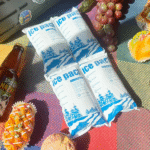
| Posisi pendingin | Use conditioned PCM or gel packs with a buffer layer. Avoid frozen-wall contact that can denature or aggregate protein product. |
| Durasi transportasi | Commonly validated for 24-96 h lanes depending on payload mass, Ukuran pengirim, pengkondisian cairan pendingin, dan profil sekitar. |
| Kerugian umum | Perjalanan suhu, membekukan kontak, protein aggregation risk, label menjadi basah, penghancur karton, and missing route records. |
| Kemasan Tempk pas | Pengirim terisolasi yang memenuhi syarat, 2-8 C PCM, buffer insert, dukungan baki botol, lapisan penyerap, segel tamper, dan catatan logger. |
Why recombinant proteins need product-specific handling
Recombinant protein products are often shipped in vials, jarum suntik yang sudah diisi sebelumnya, kartrid, or secondary cartons. The payload can be small, which means it may be more exposed to cold-wall effects if frozen coolant is placed too close. The same product may also be vulnerable to warm route dwell, kelembaban karton, and physical shock that affects presentation or inspection.
Tempk would normally start by confirming the product label, stability range, durasi rute, dan kriteria pelepasan. The packout should include conditioned 2-8 C PCM or Paket gel, lapisan penyangga, product support tray, lapisan penyerap, and a logger positioned in the payload zone. For higher-value lanes, add an edge logger near the expected coldest or warmest point.
Alat pengambilan keputusan yang berguna
Periksa detailnya sebelum Anda memilih kemasan
Alat cepat ini dapat membantu Anda membandingkan risiko rute, kebutuhan ukuran, pilihan pendingin, dan detail kemasan sebelum Anda meminta penawaran.
Pemeriksa Risiko Rute
Tinjau kondisi jalur sebelum memilih kemasan untuk mengetahui kebutuhan pengoperasian sebenarnya.
Periksa risiko ruteKalkulator Es Kering
Perkirakan kebutuhan es kering untuk pengiriman beku atau sangat dingin sebelum pengepakan.
Perkirakan es keringKalkulator Paket Es
Perkirakan jumlah paket es gel untuk pengiriman dingin dan perencanaan rute yang praktis.
Perkirakan kantong esPendekatan Tempk yang direkomendasikan
Use the actual vial or syringe count, suhu awal produk, Ukuran pengirim, pengkondisian cairan pendingin, profil lingkungan, and courier handoff timing in validation. Receiving checks should include temperature trace, kekeringan karton, vial or syringe condition, keterbacaan label, segel tamper, dan waktu rute. The eCFR requires drug products to be stored under appropriate conditions of temperature, kelembaban, and light so identity, kekuatan, kualitas, and purity are not affected; the packaging should support that expectation in real distribution lanes.