Distributor Anggur Gel Pendingin yang Dapat Digunakan Kembali: Pemilihan Pemasok Tanpa Klaim Berlebihan
Distributor anggur gel pendingin terbaik yang dapat digunakan kembali tidak dipilih berdasarkan namanya saja. Itu dipilih dengan mencocokkan sensitivitas produk, tata letak paket, risiko rute, dan dokumentasi pemasok untuk pekerjaan yang sebenarnya perlu diselesaikan oleh pembeli. Untuk program pengiriman anggur dan minuman, artikel ini memberikan jalur pemilihan pemasok praktis yang menghindari janji-janji rantai dingin yang tidak jelas dan menjaga diskusi tetap berdasarkan pada apa yang dapat diverifikasi.
Apa yang bisa dilakukan paket gel, dan apa yang tidak dapat diputuskannya
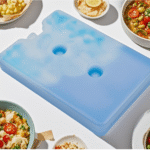
Paket gel dapat menyerap panas, melepaskan energi pendinginan, dan membantu memperlambat kenaikan suhu di dalam kemasan. Hal ini juga dapat meningkatkan penanganan jika bentuknya, film, dan proses pembekuan disesuaikan dengan jalur pengepakan. Apa yang tidak dapat dilakukannya adalah menentukan kondisi penyimpanan barang yang benar. Rute anggur harus direncanakan berdasarkan sensitivitas produk, kondisi label, paparan transit, dan aturan pengiriman alkohol lokal; paket gel tidak menggantikan logistik minuman yang sesuai.
Percakapan pembelian terkuat memisahkan persyaratan produk dari kemampuan pengemasan. Persyaratan produk datang dari pemilik merek, tim berkualitas, rencana keamanan pangan, prosedur laboratorium, atau spesifikasi pelanggan. Kemampuan pengemasan berasal dari kemasan yang diuji, pilihan materi, dan dokumentasi pemasok. Ketika kedua sisi tersebut dicampur menjadi satu, klaim menjadi terlalu luas.
Untuk alasan ini, pembeli harus berhati-hati dengan ungkapan seperti tahan lama, tanpa keringat, kelas makanan, penggunaan medis, pengiriman beku, atau memenuhi syarat. Beberapa mungkin valid dalam konteks tertentu, tetapi mereka membutuhkan rincian pendukung. Semakin sensitif pengirimannya, semakin banyak pembeli harus bertanya apa yang diuji, dalam kondisi apa, dan dengan produk apa yang dimuat.
Batasan yang berguna itu sederhana: Dapat digunakan kembali paket gel pendingin tidaklah cukup ketika jalur tersebut menghadapi paparan panas tinggi yang berkepanjangan, pengiriman tertunda, atau kebutuhan dokumentasi suhu yang ketat. Batasan tersebut melindungi pembeli dan pemasok karena menjaga ekspektasi tetap terikat pada desain paket yang sebenarnya.
Dimana paket tersebut cocok untuk operasi pengiriman anggur dan minuman
Keputusan pertama bukanlah ukuran paket. Ini adalah tugas yang harus dilakukan oleh kelompok tersebut. Dalam operasi pengiriman anggur dan minuman, pembeli dapat menggunakan paket gel untuk kit sampel mencicipi anggur, pengiriman minuman musiman, pengiriman botol premium, atau program lain yang memerlukan sedikit energi dingin untuk dibawa bersama produk. Paket fisik yang sama dapat berperilaku berbeda ketika ditempatkan di dalam kotak surat yang tipis, kotak terisolasi yang kaku, atau karton dengan kemasan eceran yang rapuh.
Oleh karena itu, pemasok harus bertanya tentang produknya, karton, rute, dan proses penanganan sebelum merekomendasikan suatu unit. Jika pembahasan diawali dan diakhiri dengan gram, warna, atau harga satuan, pembeli mungkin menerima paket yang terlihat dapat diterima dalam sampel tetapi gagal berfungsi dengan lancar di jalur pengemasan sebenarnya.
- Gunakan paket tempat dukungan pendinginan, penanganan yang bersih, dan bahan karton yang sesuai untuk operasi pengiriman anggur dan minuman.
- Konfirmasikan apakah pembeli memerlukan presentasi dingin, perlindungan panas, dukungan beku, atau hanya pendinginan jangka pendek selama serah terima.
- Pisahkan kemasan gel dari kontak langsung dengan produk saat lembab, cedera beku, kerusakan label, atau risiko kebersihan mungkin terjadi.
- Perlakukan klaim pemasok sebagai klaim paket hanya jika paket lengkap, muatan, profil lingkungan, dan batas penerimaan ditentukan.
Hal ini tidak membuat proses pembelian menjadi rumit. Ini hanya mencegah kesalahan umum: membeli komponen pendingin seolah-olah itu adalah sistem yang dikontrol suhunya secara lengkap. Kemasan gel harus diperlakukan sebagai salah satu bagian dari kemasan anggur berinsulasi, bukan sebagai jaminan bahwa setiap pengiriman wine akan tetap berada dalam kisaran yang diinginkan.
Bila paket gel bukanlah jawaban utama
Ada situasi di mana memilih paket gel yang lebih baik tidak akan menyelesaikan masalah sebenarnya. Paket gel pendingin yang dapat digunakan kembali tidak cukup ketika jalur menghadapi paparan panas tinggi dalam waktu lama, pengiriman tertunda, atau kebutuhan dokumentasi suhu yang ketat. Dalam kasus tersebut, diskusi pengemasan harus beralih dari sumber unit ke desain sistem.
Diskusi sistem lengkap dapat mencakup pemilihan pengirim yang terisolasi, kuantitas pendingin, pra-pengkondisian produk, penempatan paket, profil lingkungan, durasi rute, menerima pemeriksaan, dan pemantauan suhu. Ini mungkin juga melibatkan tim kualitas, tim keamanan pangan, manajer laboratorium, atau pemilik merek, tergantung barangnya.
Ini tidak berarti setiap pengiriman memerlukan program validasi yang rumit. Artinya, tingkat bukti harus sesuai dengan risikonya. Serah terima barang non-kritis secara internal dalam waktu singkat mungkin hanya memerlukan peninjauan paket secara praktis. Produk medis yang sensitif atau produk bernilai tinggi mungkin memerlukan pengujian yang terdokumentasi, kualifikasi rute, dan pemantauan.
Tugas pembeli adalah menghindari penggunaan standar keputusan yang sama untuk setiap proyek. Paket gel dapat menjadi komponen pendukung yang berbiaya rendah di satu jalur dan tidak cukup menjadi jawaban di jalur lain.
Pertanyaan pemasok yang benar-benar mengubah penawaran
Percakapan yang bermanfaat dengan pemasok seharusnya tidak terdengar seperti permintaan katalog. Katalog dapat menunjukkan ukuran yang tersedia, tetapi kutipan sebenarnya harus mencerminkan kesesuaian produk, Kustomisasi, metode pengemasan, pola pesanan, dan bukti di balik klaim. Pertanyaan di bawah ini membantu pembeli beralih dari minat yang tidak jelas ke penawaran yang dapat ditinjau oleh operasi.
- Apakah kemasannya muat di samping botol tanpa titik tekanan?
- Bagaimana label dan sisipan kertas terlindung dari kelembapan?
- Instruksi apa yang harus diikuti oleh tim gudang untuk pembekuan dan penempatan?
- Apakah kemasan ditujukan untuk digunakan kembali oleh konsumen atau dikembalikan secara operasional?
- Asumsi rute musiman apa yang mendasari klaim kinerja apa pun?
- Detail spesifikasi mana yang diperbaiki setelah persetujuan sampel, dan bagaimana perubahan akan dikomunikasikan?
- Berapa jumlah kartonnya, pola palet, dan kondisi penyimpanan yang diharapkan oleh gudang?
Kutipan yang paling kuat biasanya menyatakan asumsi dengan jelas. Jika pemasok tidak mengetahui produknya, rute, isolasi, dan proses penanganannya, kutipan tersebut harus diperlakukan sebagai kutipan komponen dan bukan rekomendasi kinerja akhir.
Untuk pembeli pengiriman anggur dan minuman, ini melindungi margin dan juga kualitas. Ini mengurangi kemungkinan membeli paket yang murah di tingkat unit tetapi mahal setelah dikembalikan, mengemas ulang, kemacetan freezer, keluhan pelanggan, atau penundaan tinjauan kualitas.
Dari permintaan sampel hingga pesanan berulang
Untuk sumber massal, sampel hanyalah permulaan. Sampel yang bagus menunjukkan bentuk, mengisi, segel, nuansa permukaan, karton sesuai, dan penanganan dasar. Itu tidak membuktikan bahwa produksinya banyak, paketnya, atau rute pengiriman akan bekerja dengan cara yang sama. Pembeli sebaiknya menggunakan sampel untuk membuat proses peninjauan, bukan untuk langsung mengambil keputusan besar-besaran.
Alat pengambilan keputusan yang berguna
Periksa detailnya sebelum Anda memilih kemasan
Alat cepat ini dapat membantu Anda membandingkan risiko rute, kebutuhan ukuran, pilihan pendingin, dan detail kemasan sebelum Anda meminta penawaran.
Pemeriksa risiko rute
Tinjau kondisi jalur sebelum memilih kemasan untuk mengetahui kebutuhan pengoperasian sebenarnya.
Periksa risiko ruteReferensi Bahan Isolasi
Bandingkan pilihan bahan insulasi untuk kebutuhan pengemasan rantai dingin yang berbeda.
Bandingkan bahanPendingin & Referensi PCM
Bandingkan opsi cairan pendingin dan PCM ketika suatu rute memerlukan dukungan suhu tambahan.
Bandingkan pilihanTinjauan sampel harus mencakup produk sebenarnya, karton sebenarnya, isolasi atau liner, dan staf yang akan mengemas pesanan. Di banyak program, masalahnya muncul bukan di ruang rapat tapi di bangku pengepakan: kemasan beku tidak sesuai dengan baki, kondensat menyentuh sisipan kertas, pengepakan menempatkan cairan pendingin di posisi yang berbeda, atau kemasannya memakan lebih banyak ruang freezer dari yang diharapkan.
Diskusi berulang kemudian harus mengkonfirmasi apa yang harus tetap tidak berubah. Isi berat, ketebalan film, lebar segel, teks tercetak, jumlah karton, dan konfigurasi palet mungkin terlihat seperti detail kecil, tetapi perubahan dapat mempengaruhi pembekuan, risiko kebocoran, penanganan, dan persepsi pelanggan. Untuk distributor, hal ini sangat penting karena pelanggan akhir mungkin menganggap distributor bertanggung jawab atas setiap detailnya.
| Cek pembeli | Mengapa itu penting | Bagaimana cara bertanya kepada pemasok |
|---|---|---|
| Sensitivitas produk | Tingkat pendinginan yang diperlukan ditentukan oleh produk, bukan dengan nama paket gelnya. | Apakah kemasannya muat di samping botol tanpa titik tekanan? |
| Kemas geometri | Ketebalan, panjang, dan fleksibilitas mempengaruhi kesesuaian karton dan tekanan produk. | Bagaimana label dan sisipan kertas terlindung dari kelembapan? |
| Kelembaban dan kebersihan | Kondensasi, kebocoran, atau kontaminasi permukaan dapat menimbulkan keluhan meskipun kemasannya dingin. | Instruksi apa yang harus diikuti oleh tim gudang untuk pembekuan dan penempatan? |
| Bukti di balik klaim | Pernyataan waktu tunggu dan kinerja harus dikaitkan dengan kondisi paket dan pengujian. | Apakah kemasan ditujukan untuk digunakan kembali oleh konsumen atau dikembalikan secara operasional? |
| Kontrol peningkatan skala | Sampel harus sesuai dengan unit produksi yang diisi, film, segel, dan kemasan karton. | Asumsi rute musiman apa yang mendasari klaim kinerja apa pun? |
Tabel ini bukan pengganti pengujian. Ini adalah cara untuk membuat komunikasi pemasok menjadi spesifik. Ketika pemasok dapat menjawab poin-poin tersebut dengan jelas, pembeli dapat membandingkan lebih dari harga dan menghindari menyetujui sampel yang tidak dapat ditingkatkan skalanya.
Pemeriksaan kualitas sebelum peningkatan skala
Sebelum persetujuan massal, pengadaan barang dan jasa harus melakukan tinjauan kualitas yang kecil namun disiplin. Tujuannya bukan untuk membuat dokumen yang tidak perlu. Tujuannya adalah untuk menemukan permasalahan pada saat ukuran pesanan masih kecil dan sebelum pengepakan menjadi bagian dari proses pengiriman rutin.
- Bandingkan beberapa sampel untuk sinyal kualitas terlihat yang sama: profil ramping untuk karton botol, tepi membulat, film luar yang dapat digunakan kembali, penempatan sadar kondensasi.
- Bekukan sampel dengan cara yang sama seperti gudang membekukannya, tidak hanya di freezer laboratorium dengan jarak tanam yang ideal.
- Periksa kemasannya setelah dibekukan, setelah penanganan, dan setelah dicairkan karena kebocoran, pembengkakan, residu permukaan, dan menutup stres.
- Tempatkan kemasan dalam karton terakhir dengan produk asli atau produk pengganti yang realistis dan tinjau gerakan selama penanganan.
- Catat spesifikasi sampel yang disetujui sehingga perubahan produksi dapat ditinjau sebelum pesanan berikutnya.
- Pastikan penjualan, sedang mengemas, dan tim penerima menggunakan kata-kata yang sama untuk apa yang bisa dan tidak bisa diklaim oleh kelompok tersebut.
Pemeriksaan ini sangat berguna ketika pembeli merencanakan pencetakan khusus, label pribadi, desain karton baru, atau aplikasi pengiriman anggur dan minuman yang sensitif. Perbedaan kecil dalam ketebalan atau gaya segel dapat mengubah perilaku kemasan di jalur pengepakan.
Skenario praktis sebelum persetujuan massal
Sebuah klub anggur merencanakan kotak sampel musim panas dengan dua botol dan sisipan cetakan. Tim ingin botol terlindung dari panas namun tidak ingin kondensasi melunakkan label atau menodai sisipan. Tim pembelian mungkin terlebih dahulu meminta a paket dingin harga, namun proyek sebenarnya memerlukan tinjauan yang lebih luas.
Dalam skenario ini, tim harus menempatkan paket tersebut ke dalam karton yang sebenarnya, tambahkan produk atau muatan representatif, bekukan dan letakkan bungkusannya seperti yang dilakukan gudang, dan amati apa yang terjadi selama pengepakan, penanganan, dan pembukaan. Tinjauan harus mencakup permukaan paket produk, posisi sisipan apa pun, pergerakan paket di dalam karton, dan instruksi yang diberikan kepada penerima atau konsumen.
Jika paket tersebut dimaksudkan untuk digunakan kembali, peninjauan juga harus mencakup apa yang terjadi setelah melahirkan. Akankah penerima memahami bahwa paket tersebut dapat digunakan kembali? Bisakah permukaannya dilap atau ditangani dengan bersih? Apakah ada program pengembalian, atau digunakan kembali hanya untuk kenyamanan pelanggan? Detail ini mempengaruhi spesifikasi akhir meskipun cairan pendinginnya sendiri tidak berubah.
Skenario ini menunjukkan mengapa penawaran harga pemasok harus mencakup lebih dari harga satuan. Untuk pengiriman anggur dan minuman, kutipan berguna menjelaskan dimensi produk, kuantitas pengepakan, konfigurasi karton, Opsi Kustomisasi, pilihan materi, dan kondisi di balik pernyataan kinerja apa pun.
FAQ
Apa yang membuat distributor anggur gel pendingin yang dapat digunakan kembali cocok untuk pembelian dalam jumlah besar?
Kesesuaian berasal dari kecocokan dan kendali. Kemasannya harus sesuai dengan produknya, karton, isolasi, rute, dan proses penanganannya. Pemasok juga harus menjaga konsistensi sampel dan spesifikasi produksi. Pembelian dalam jumlah besar akan lebih aman ketika klaim kinerja dikaitkan dengan kondisi yang ditentukan dan ketika tim gudang tahu cara membekukannya, panggung, dan letakkan bungkusnya.
Kapan saya harus meminta pengujian?
Minta pengujian ketika pengiriman sensitif, bernilai tinggi, diatur, panjang, panas, beku, atau mungkin akan menghadapi penundaan. Pengujian harus menggunakan paket yang dimaksud, muatan, konfigurasi pendingin, dan profil paparan. Untuk penggunaan internal berisiko rendah, tinjauan paket praktis mungkin cukup, namun keputusannya harus sesuai dengan tingkat risikonya.
Dapatkah pemasok yang sama mendukung paket khusus dan standar?
Banyak pemasok dapat mendiskusikan keduanya, tetapi pembeli harus mengonfirmasi perubahan apa saat penyesuaian ditambahkan. Mencetak, film, lengan baju, bentuk paket, jumlah karton, dan perencanaan prospek dapat mempengaruhi biaya dan fungsi. Setujui spesifikasi fungsional terlebih dahulu, kemudian meninjau penyesuaian sebagai bagian dari proses kontrol sampel-ke-produksi yang sama.
Apa yang harus saya hindari untuk disebutkan dalam materi produk saya sendiri?
Hindari klaim absolut seperti jaminan suhu, tidak ada kondensasi dalam semua kondisi, keamanan pangan universal, atau kepatuhan medis kecuali Anda memiliki bukti paket dan rute yang tepat. Lebih aman untuk mendeskripsikan kemasan sebagai komponen pendingin dan menjelaskan kondisi penggunaannya.
Kesimpulan
Distributor anggur gel pendingin yang dapat digunakan kembali harus dinilai sebagai bagian dari keputusan pengemasan dan penanganan yang lengkap. Paket ini dapat menambahkan dukungan pendinginan yang berguna, meningkatkan presentasi, dan membantu pembeli membangun program yang dapat diulang, namun hal ini tidak dapat menggantikan persyaratan produk, perencanaan rute, isolasi, atau bukti di balik klaim kinerja.
Untuk pembeli pengiriman anggur dan minuman, jalur teraman adalah dengan menentukan risiko produk terlebih dahulu, meninjau paket sebenarnya, ajukan pertanyaan kepada pemasok yang memengaruhi peningkatan skala, dan menjaga klaim tetap terikat pada kondisi yang sebenarnya diperiksa. Pendekatan tersebut menjadikan pengadaan lebih jelas dan mengurangi masalah yang dapat dihindari setelah pesanan massal pertama.
Tentang Tempk
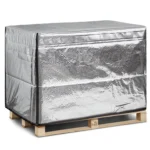
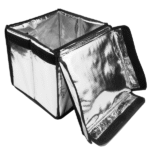
Tempk, bagian dari Shanghai Tempk Industri, menyediakan kemasan pengatur suhu rantai dingin untuk makanan, obat, dan barang-barang sensitif suhu lainnya. Untuk anggur, minuman, dan presentasi parsel premium, kami fokus pada mencocokkan paket gel dengan paket di sekitarnya, proses penanganan, dan persyaratan pembeli. Itu mungkin termasuk Gel Ice Packs, batu bata es freezer, tas terisolasi, Kotak berinsulasi EPP, pelapis kotak, atau penutup palet, tergantung pada rute dan produk yang dikirim.
Langkah selanjutnya
Untuk rekomendasi yang lebih bermanfaat, kirim Tempk kategori produk Anda, kondisi rute, pola pesanan yang diharapkan, dan persyaratan kualitas apa pun yang harus diperiksa sebelum pembelian massal.