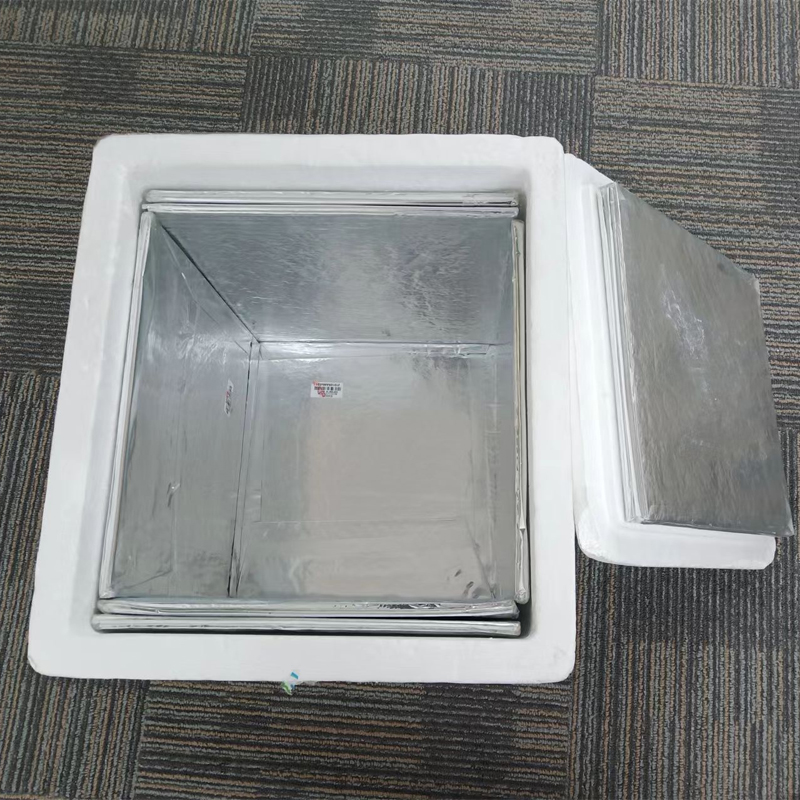
Memilih a 20 Pemasok Kotak Es Vaksin Liter Dengan Bukti
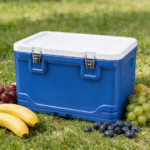
Sebuah kredibel 20 liter pemasok kotak es vaksin harus mampu mengubah lima masukan menjadi proposal yang terkendali: persyaratan suhu produk, dimensi muatan sebenarnya, paparan rute, sumber daya persiapan, dan kebutuhan dokumentasi mutu. “20 liter” hanyalah kategori awal. Angka yang menentukan adalah ruang muatan yang dapat digunakan setelah komponen pendingin dan pelindung dipasang. Klaim kinerja yang menentukan bukanlah jumlah jam yang umum, tapi bukti terikat pada kotak persisnya, memuat, pendingin, profil lingkungan, dan prosedur pengoperasian yang ingin Anda gunakan.
Mulailah Dengan Lima Masukan yang Tidak Dapat Dinegosiasikan
Perbandingan pemasok menjadi membingungkan ketika masing-masing vendor mengisi informasi yang hilang dengan asumsi yang berbeda. Keluarkan satu ringkasan permintaan umum sehingga proposal memiliki batasan yang sama.
Pertama, nyatakan kondisi pengangkutan produk yang disetujui. Jangan menetapkan wadah berpendingin generik hanya karena muatannya adalah vaksin. Bekukan sensitivitas, stabilitas, kemasan, dan aturan program dapat berbeda menurut produk.
Kedua, memberikan rincian muatan. Sertakan hitungannya, dimensi karton eksternal, kondisi awal, perkiraan massa, batas orientasi, dan apakah jumlahnya bervariasi. Ketiga, memetakan jalurnya. Catat total durasinya, transfer, memanggungkan, jenis kendaraan, musim panas dan dingin, dan skenario penundaan yang kredibel.
Keempat, menggambarkan sumber daya operasional. Bisakah staf membeku, mendinginkan, atau mengkondisikan cairan pendingin dalam kondisi terkendali? Apakah ada ruang untuk menyiapkan paket? Siapa yang mengemas dan mencentang kotaknya? Akhirnya, mengidentifikasi bukti dan ekspektasi dokumentasi. Ini mungkin termasuk paket yang terkontrol, laporan termal, ketertelusuran komponen, mengubah pemberitahuan, dan menerima catatan.
| Masukan | Informasi minimal | Mengapa itu mengubah desain |
|---|---|---|
| Produk | Kondisi suhu dan sensitivitas yang disetujui | Menentukan batas penerimaan dan risiko pembekuan/panas |
| Muatan | Ukuran karton, menghitung, massa, dan variasi | Menentukan selubung yang dapat digunakan dan massa termal |
| Rute | Lamanya, paparan lingkungan, transfer, penundaan | Menetapkan tantangan yang harus dikelola oleh sistem |
| Operasi | Peralatan pengkondisian, tenaga kerja, memanggungkan, penggunaan kembali | Menentukan apakah paket dapat dijalankan dengan andal |
| Kualitas | Tes, catatan, keterlacakan, dan perubahan kebutuhan | Mendefinisikan bukti yang diperlukan untuk persetujuan |
Ringkasan lima masukan ini juga memaparkan kapan kelas produk yang berbeda diperlukan. Jika dimuat berat, lamanya, atau geometri muatan tidak sesuai, menjauh dari nominal 20 Permintaan L lebih baik daripada memaksakan pengiriman ke dalamnya.
Kapasitas: Selesaikan Definisi Sebelum Menggambar
Tiga pemasok dapat mengutip a 20 Kotak L dengan tiga interpretasi berbeda. Seseorang dapat menghitung rongga yang kosong. Yang lain mungkin menggunakan nama model bulat. Yang ketiga mungkin merujuk pada keluarga nominal. Tidak ada yang menjelaskan ruang vaksin yang tersedia setelah paket sampingan, paket teratas, jangka pembagi garis, dan perangkat pemantauan hadir.
Minta dimensi eksternal, kontur bagian dalam, dan amplop muatan berdimensi untuk paket yang diusulkan. Periksa dinding yang meruncing, sudut membulat, ceruk tutup, tulang rusuk, dan perangkat keras yang menonjol. Kemudian melakukan uji kelayakan fisik dengan karton yang setara produksi. Aritmatika volume tidak dapat menunjukkan apakah orientasi karton yang diperlukan dapat membuka tutupnya atau apakah staf dapat mengeluarkan karton tanpa mengganggu cairan pendingin.
Muatan minimum sama pentingnya dengan muatan maksimum. Kotak yang terisi kurang mungkin memiliki massa termal lebih sedikit dan lebih banyak udara bebas dibandingkan susunan yang diuji. Jika jumlah pengiriman bervariasi, tanyakan apakah beberapa paket disetujui, beban tiruan, atau format yang lebih kecil lebih tepat. Pengisi apa pun harus kompatibel dengan sistem dan dikontrol dalam instruksi.
Total massa yang dimuat melengkapi definisi kapasitas. Timbang cangkangnya, isolasi, pendingin, muatan, logger, segel, dan dokumen. Gunakan hasil itu untuk penanganan manual, muatan kendaraan, kargo, dan perencanaan penyimpanan.
Tarik Garis Antara Fitur Produk dan Bukti Termal
Cangkang yang kuat, isolasi tebal, tutup rapat, dan coolant premium semuanya semoga bermanfaat. Mereka tetap menjadi fitur desain sampai konfigurasi rakitan dievaluasi. Persetujuan produk harus memisahkan empat lapisan:
Konstruksi kontainer: kerang, isolasi, tutup, perangkat keras, dan geometri internal
Komponen termal: tipe pendingin, kuantitas, kondisi, dan penempatan
Metode operasi: persiapan muatan, urutan pemuatan, penutup, dan aturan pembukaan
Bukti: protokol dan hasil dalam kondisi lingkungan dan muatan yang ditentukan
Pemisahan ini mencegah pernyataan yang berlebihan. Kulit terluar plastik tidak membuat suhu kotak terkontrol. Materi VIP tidak memenuhi syarat rute. Pencatat suhu tidak melindungi produk. Standar pengujian yang disebutkan pada brosur tidak menetapkan bahwa konfigurasi yang ditawarkan memenuhi kriteria penerimaan yang relevan.
WHO menerbitkan spesifikasi kinerja dan pendekatan pengujian tipe untuk kategori kotak pendingin vaksin tertentu. ISTA menyediakan standar dan profil untuk mengevaluasi pengemasan transportasi termal di lingkungan parsel. Ini dapat menginformasikan suatu program, tetapi persyaratannya bergantung pada aplikasinya. Verifikasi apakah suatu produk terdaftar secara formal atau diuji secara independen ketika status tersebut penting. Jika pemasok menggunakan standar sebagai acuan, tanyakan tepatnya metode yang mana, edisi, profil, konfigurasi, dan hasilnya berlaku.
Membaca Laporan Termal Seperti Catatan Keputusan
Laporan tersebut harus menjawab tiga pertanyaan: Apa yang diuji? Di bawah tantangan apa? Apa yang telah berlalu?
Untuk apa,” konfirmasi modelnya, bahan, revisi komponen, pendingin, paket, muatan, posisi logger dan sensor. Untuk “tantangan,” meninjau suhu lingkungan versus waktu, pengkondisian awal, suhu awal, lamanya, bukaan, dan simulasi penanganan apa pun. Untuk “lulus,” mengidentifikasi rentang penerimaan, sensor atau kondisi yang mengatur hasilnya, penyimpangan, dan persetujuan.
Jangan mengurangi durasi laporan menjadi judulnya. Tes 48 jam dan rute 48 jam tidak setara hanya karena angkanya cocok. Paparan rute dapat dimulai sebelum pengiriman, termasuk tanjakan atau penundaan yang parah, dan lanjutkan saat menerima. Muatan uji mungkin juga memiliki massa termal yang berbeda. Proses kualitas Anda harus menentukan bagaimana bukti diterapkan dan berapa margin yang dibutuhkan.
Penempatan sensor patut mendapat perhatian. Titik dingin dapat terjadi di dekat cairan pendingin yang membeku; titik hangat dapat terjadi di dekat penutup atau jembatan termal. Pembacaan udara dapat merespons secara berbeda dari beban simulasi produk. Laporan tersebut harus menjelaskan mengapa lokasi mewakili risiko yang diharapkan. Instrumentasi yang dikalibrasi dan catatan data yang utuh mendukung kepercayaan diri, namun tidak ada tata letak sensor yang membuktikan lokasi tidak terpantau tanpa desain studi yang baik.
Urutan tinjauan praktis
- Cocokkan setiap komponen yang diuji dengan daftar bahan yang ditawarkan.
- Rekonstruksi paket dari instruksi.
- Bandingkan muatan yang diuji dengan beban minimum dan maksimum yang direncanakan.
- Bandingkan profil sekitar dengan risiko rute, termasuk pementasan.
- Periksa penerimaan hangat dan dingin jika relevan.
- Catat kesenjangan sebagai tindakan, bukan asumsi.
Variasi Operator Desain
Pengemasan pasif tergantung pada orangnya. Sebuah desain yang hanya berfungsi ketika seorang ahli menyesuaikan setiap paket sulit untuk diukur. Pemasok harus membantu membuat urutan berulang dengan identitas komponen yang jelas, kondisi pendingin yang ditentukan, memuat pesanan, penempatan, pemeriksaan penutupan, dan waktu persiapan maksimum yang diperbolehkan jika relevan.
Gunakan komponen yang sesuai atau isyarat visual yang dapat mengurangi ambiguitas. Paket dasar tidak boleh dipertukarkan dengan spacer samping kecuali desainnya benar-benar mengizinkannya. Instruksi harus menunjukkan keadaan akhir yang benar, termasuk lapisan paling atas yang sering dilupakan oleh operator. Jumlah komponen dapat dicatat sebelum penutupan.
Pengkondisian cairan pendingin adalah sumber variasi utama. Suhu freezer, tumpukan paket, pemuatan peralatan, dan waktu di luar penyimpanan terkontrol dapat mempengaruhi kondisi. Instruksi harus menentukan keadaan obyektif atau prosedur tervalidasi yang sesuai untuk cairan pendingin. Untuk vaksin yang sensitif terhadap pembekuan, kemasan harus mengendalikan kontak langsung dan risiko flu lokal daripada mengandalkan kewaspadaan umum.
Bayangkan dua shift gudang menggunakan kotak yang sama. Satu shift mengatur setiap komponen secara berurutan dan segera menutup penutupnya; yang lain membawa cairan pendingin ke bangku cadangan lebih awal dan mencari spacer yang hilang sementara kotak tetap terbuka. Padahal keduanya menggunakan bagian yang benar, kondisi awal berbeda. Paket lengkap, daftar periksa sebelum digunakan, dan batas pementasan dapat mengurangi variasi tersebut.
Pemantauan dan Respon Ekskursi
Pemantauan adalah lapisan bukti selama pengiriman. Pilih logger berdasarkan produk dan prosesnya: rentang pengukuran yang sesuai, ketepatan, status kalibrasi, selang, lamanya, logika alarm, akses data, dan retensi catatan. Verifikasi parameter spesifik dari dokumentasi perangkat saat ini daripada berasumsi semua pencatat farmasi dapat dipertukarkan.
Alat pengambilan keputusan yang berguna
Periksa detailnya sebelum Anda memilih kemasan
Alat cepat ini dapat membantu Anda membandingkan risiko rute, kebutuhan ukuran, pilihan pendingin, dan detail kemasan sebelum Anda meminta penawaran.
Kalkulator Paket Es
Perkirakan jumlah paket es gel untuk pengiriman dingin dan perencanaan rute yang praktis.
Perkirakan kantong esReferensi Bahan Isolasi
Bandingkan pilihan bahan insulasi untuk kebutuhan pengemasan rantai dingin yang berbeda.
Bandingkan bahanPemilih Kemasan
Bandingkan opsi kemasan berinsulasi berdasarkan produk, rute, dan kebutuhan suhu.
Temukan kemasannyaTempatkan sensor sesuai dengan alasan kualifikasi. Hindari penempatan biasa di samping kemasan beku, di sudut yang kosong, atau langsung di bawah penutup kecuali titik tersebut sengaja diawasi. Latih staf penerima untuk berhenti dan mengambil catatan tanpa kehilangan informasi hak asuh.
Alarm bukanlah keputusan pelepasan atau pembuangan otomatis. Tentukan siapa yang meninjau riwayat waktu-suhu, informasi pengiriman pendukung apa yang dikumpulkan, tempat produk disimpan selama penilaian, dan siapa yang mempunyai kewenangan untuk disposisi. Pemasok pengemasan dapat menjelaskan kotak dan pengujiannya, tetapi keputusan stabilitas produk berada pada fungsi kualitas dan kesehatan yang bertanggung jawab.
Persetujuan Produksi Merupakan Bagian dari Pengendalian Termal
Setelah kualifikasi, pemasok harus berulang kali membuat desain yang disetujui. Buat spesifikasi yang mengidentifikasi bahan penting, ukuran, antarmuka komponen, karakteristik pendingin, dan pemeriksaan fungsional. Tautkan spesifikasi ke sampel referensi terkontrol dan gambar terkini.
Perubahan yang berpotensi berarti termasuk resin atau pewarna, formulasi atau kepadatan busa, pemasok isolasi, Geometri VIP, perekat, paking, film pendingin atau isi, alat cetakan, dan lokasi produksi. Tidak setiap perubahan memerlukan studi termal baru, namun masing-masing pihak harus lulus penilaian dampak yang terdokumentasi. Sepakati aturan pemberitahuan sebelum memesan.
Menerima pemeriksaan harus memverifikasi identitas dan kondisi yang terlihat, tidak berusaha mengulang kualifikasi pada setiap unit. Pemeriksaan yang sesuai dapat mencakup penandaan model, jumlah komponen, ukuran, fungsi tutup atau kait, kondisi paking, kualitas segel pendingin, keakuratan label, dan kerusakan pengiriman. Tren kegagalan dan kaitkan kembali dengan tindakan perbaikan pemasok.
Untuk unit yang dapat digunakan kembali, inspeksi berlanjut setelah setiap pengembalian sesuai dengan risiko. Retak, melengkung, isolasi yang rusak, bau, kontaminasi, komponen yang hilang, atau penutupan yang tidak dapat diandalkan dapat memicu pembersihan, memperbaiki, penyelidikan, atau pensiun. Tetapkan aturan sebelum kotak menumpuk di gudang.
Bandingkan Total Biaya pada Konfigurasi yang Sama
Perbandingan harga harus dimulai hanya setelah normalisasi konfigurasi. Identifikasi apakah setiap kutipan menyertakan shell, isolasi, pendingin, set pengatur jarak, jangka pembagi garis, aksesoris penebang kayu, segel, karya seni, karton ekspor, dokumen teknis, dan suku cadang. Perkakas terpisah, contoh pekerjaan, pengujian, dan pengiriman.
Untuk distribusi satu arah, menghitung biaya pendaratan dan pengangkutan dimensi, kemudian memperhitungkan kewajiban tenaga kerja pengepakan dan pembuangan. Untuk digunakan kembali, biaya model per siklus yang berhasil diselesaikan, termasuk transportasi terbalik, pembersihan, inspeksi, penyimpanan, pelacakan, kehilangan, kerusakan, dan penggantian. Hindari memperlakukan klaim penggunaan kembali maksimum yang belum diverifikasi sebagai fakta keuangan.
Perbandingan keberlanjutan memerlukan disiplin yang sama. Pertimbangkan masukan materi, angkutan di kedua arah, pembersihan, kehidupan pelayanan, kehilangan, dan rute akhir kehidupan. Kotak yang dapat digunakan kembali mungkin cocok dengan loop tertutup yang rapat; pengirim dengan ukuran terbatas untuk penggunaan terbatas mungkin cocok dengan jalur satu arah yang terpencil. Pilih berdasarkan batasan sistem dan dukung klaim publik dengan bukti.
Daftar Pendek Pemasok: Sepuluh Pertanyaan yang Menentukan
Bagaimana kabarnya 20 Kapasitas L ditentukan?
Apa sebenarnya payload envelope yang dapat digunakan dalam paket yang diusulkan?
Kondisi suhu produk dan asumsi rute mana yang memandu desain?
Pendingin yang luar biasa, proses pengkondisian, dan metode pemisahan ditentukan?
Laporan mana yang mendukung konfigurasi persis yang ditawarkan?
Profil ambien apa, muatan, sensor, dan kriteria penerimaan digunakan?
Bagaimana bahan-bahan penting dan proses produksi dikendalikan?
Perubahan mana yang memicu notifikasi pelanggan?
Dokumen dan sampel apa yang dikirimkan dengan persetujuan?
Bagaimana unit yang dapat digunakan kembali diperiksa, dibersihkan, diperbaiki, dan pensiun?
Pertanyaan-pertanyaan ini menguntungkan pemasok yang transparan tanpa menuntut kepastian yang tidak didukung. Pemasok yang mengidentifikasi kesenjangan data dan mengusulkan pengujian seringkali lebih aman daripada pemasok yang mengklaim bahwa setiap rute sudah tercakup.
Pertanyaan yang sering diajukan
Apakah ruang vaksin yang dapat digunakan selalu lebih kecil dari 20 liter?
Seringkali lebih kecil dari rongga yang dinyatakan kosong karena cairan pendingin, pengatur jarak, dan pembatas menempati ruang, tetapi definisinya berbeda-beda. Beberapa model menggunakan 20 L hanya sebagai kategori. Mintalah metode pengukuran pemasok dan dimensi amplop muatan. Konfirmasikan kecocokan menggunakan karton sebenarnya dan paket lengkap yang diusulkan.
Insulasi mana yang terbaik untuk kotak es vaksin?
Tidak ada materi yang terbaik secara universal. EPP, konstruksi plastik inti busa, dan sistem yang ditingkatkan VIP menawarkan keseimbangan ketahanan termal yang berbeda, ketebalan dinding, daya tahan, sensitivitas kerusakan, berat, dan biaya. Evaluasi konfigurasi yang sudah selesai, pengendalian produksi, rute, dan menguji bukti daripada memilih berdasarkan nama material saja.
Bisakah satu paket berfungsi di musim panas dan musim dingin?
Mungkin, tapi itu tidak boleh diasumsikan. Paparan hangat dan dingin dapat menimbulkan risiko kegagalan yang berbeda, termasuk panas berlebih dan pendinginan berlebih. Tinjau bukti untuk kisaran musiman yang diinginkan. Beberapa program menggunakan paket musiman; yang lain mendukung satu konfigurasi di seluruh kondisi yang ditentukan. Keputusan tersebut harus mengikuti data pengujian dan penilaian rute.
Apa yang terjadi jika jumlah muatan berubah?
Mengubah kuantitas muatan dapat mengubah massa termal, aliran udara, dan hubungan pendingin-ke-produk. Gunakan hanya rentang muatan yang didukung oleh penilaian. Jika beban parsial bersifat rutin, mengembangkan pengaturan yang disetujui menggunakan sistem yang lebih kecil dan dibenarkan, pengisi terkontrol, atau paket alternatif daripada membiarkan operator berimprovisasi.
Apakah referensi WHO atau ISTA menjamin penerimaan?
TIDAK. Referensi dapat menjelaskan suatu metode, profil, atau kategori produk, namun penerimaannya bergantung pada pemenuhan persyaratan yang berlaku dan kesesuaian produk yang diuji dengan tujuan penggunaan. Verifikasi daftar yang tepat atau klaim sertifikasi jika diperlukan, meninjau laporan tersebut, dan konfirmasikan tender lokal apa pun, peraturan, atau kewajiban sistem mutu.
Kesimpulan
A 20 Pemasok kotak es vaksin liter harus dipilih melalui rantai bukti, bukan perbandingan katalog. Tentukan produknya, muatan, rute, Operasi, dan dokumentasi terlebih dahulu. Selesaikan volume yang dapat digunakan dan massa yang dimuat. Nilai insulasi dan cairan pendingin dalam paket lengkap. Baca laporan termal terhadap risiko jalur sebenarnya, kemudian mengontrol konstruksi yang memenuhi syarat melalui produksi, menerima, dan menggunakan kembali. Normalisasikan konfigurasi sebelum membandingkan biaya. Kerangka kerja ini memberikan pengadaan, logistik, dan tim kualitas menjadi dasar umum untuk persetujuan.
Tentang tempk
Tempk, bagian dari Shanghai Tempk, penawaran kemasan rantai dingin kategori yang mencakup kotak pendingin medis, format EPP, Solusi terisolasi terkait VIP, kotak plastik, dan opsi pendingin. Kategori ini memberikan pilihan desain untuk muatan yang berbeda, penanganan, dan kebutuhan rute; hal ini tidak menghilangkan kebutuhan akan peninjauan khusus konfigurasi. Penyelidikan produktif menggambarkan kondisi produk yang diinginkan, geometri muatan sebenarnya, tantangan lingkungan, sumber daya operasi, dan bukti yang diperlukan sehingga arah pengemasan yang tersedia dapat dinilai berdasarkan batasan yang jelas.
Hubungi Tempk dengan ringkasan rute dan tata letak muatan Anda untuk mendiskusikan opsi sampel, komponen paket, dan dokumentasi yang diperlukan untuk langkah evaluasi berikutnya.