Kerangka Praktis Pemilihan Penyedia Wadah Plastik Bergelombang Perubahan Tahap untuk Kemasan Daging
Perubahan fasa kanan bergelombang wadah plastik bukan model dengan daftar fitur terpanjang. Ini adalah model yang batasannya terlihat dan dapat dikelola. Cangkang plastik bergelombang dan bahan pengubah fasa adalah bagian terpisah dari sistem pasif. Suhu wadah tidak dikontrol sampai kemasan lengkap telah ditentukan, diuji, dipantau, dan dioperasikan dengan benar. Kerangka kerja di bawah ini menggabungkan desain, pengadaan, validasi, dan pengendalian operasional ke dalam satu jalur keputusan.
Tentukan Pekerjaan, Konsekuensi, dan Garis Merah
Tuliskan tugas perubahan fasa wadah plastik bergelombang dalam satu kalimat: melindungi dan mengatur daging segar yang disegel, daging olahan dingin, bungkus daging beku, sampel uji, dan produk protein kemasan sekunder saat dipindahkan melalui pendinginan produk, pengkondisian PCM, perakitan paket, pementasan ruangan dingin, mengangkut, menerima, tinjauan data, pembersihan, dan rekondisi PCM. Kemudian tuliskan apa yang dianggap tidak boleh dilakukan. Tergantung pada rutenya, yang mungkin termasuk kemandulan, persetujuan kontak makanan, penahanan kebocoran, kemasan barang berbahaya, atau pengatur suhu. Batasan dua baris ini mencegah proyek mengumpulkan ekspektasi yang tidak sesuai dalam satu nama produk.
Buat peringkat konsekuensi yang dapat dipercaya untuk pergerakan pasif produk daging tersegel yang diatur suhunya menggunakan cangkang plastik bergelombang dan kemasan berbasis PCM. Pertimbangkan kerusakan produk, kontaminasi, penumpukan tidak stabil, cedera pekerja, kemampuan penelusuran yang hilang, penerimaan tertunda, tamasya termal, penolakan rute, dan hilangnya aset yang dapat digunakan kembali. Konsekuensi tertinggi tidak selalu merupakan peristiwa yang paling sering terjadi. Spesifikasi praktis mengutamakan kombinasi tingkat keparahan, kemungkinan, dan keterdeteksian daripada fitur yang paling mudah untuk dikutip.
Tetapkan garis merah sebelum membandingkan pemasok. Garis merah mungkin merupakan durasi termal yang tidak didukung, tidak ada ketertelusuran material, sambungan yang tidak dapat dibersihkan, tidak ada pemberitahuan perubahan produksi, tumpukan beban campuran yang tidak stabil, atau desain yang tidak dapat dikembalikan secara ekonomis. Garis merah mempercepat proses seleksi karena memisahkan ketidakpastian yang didiskualifikasi dari fitur yang dapat dioptimalkan nanti. Untuk pergerakan produk daging tersegel yang dikontrol suhu secara pasif menggunakan cangkang plastik bergelombang dan kemasan berbasis PCM, putuskan kontrol apa yang mengatasi penempatan mode kegagalan paket dingin melawan daging dingin'.
Buat Spesifikasi Persyaratan Lima Blok
Bangun spesifikasi dalam lima blok: muatan, geometri, lingkungan, operasi, dan bukti. Muatan mencakup dimensi, berat, kerapuhan, kontak, dan sensitivitas suhu. Geometri mencakup ruang yang dapat digunakan, penutup, tumpukan, penanganan, dan antarmuka. Lingkungan mencakup waktu, suhu, kelembaban, bahan kimia, dan UV. Operasi meliputi pengepakan, mengangkut, pembersihan, kembali, dan pensiun. Bukti meliputi gambar, deklarasi, tes, inspeksi, dan mengubah kendali. Spesifikasi yang dikontrol juga harus membuat instruksi pengkondisian terlihat.
Terjemahkan diskusi desain ke dalam fitur-fitur yang penting di sini: kekakuan panel, integritas sambungan sudut, retensi liner, Desain saku PCM, kompresi tutup, dan dukungan tumpukan. Untuk setiap fitur, catat manfaat yang diharapkan dan kemungkinan efek samping. Ventilasi dapat meningkatkan aliran udara tetapi mengurangi penahanan. Sebuah lancip dapat meningkatkan sarang tetapi mengurangi volume. Gasket dapat mengontrol rembesan tetapi memerlukan pembersihan dan penggantian. Sisipan berinsulasi dapat meningkatkan kinerja termal namun mengurangi muatan dan mempersulit pemuatan. Menerapkan persyaratan pada pergerakan produk daging tersegel yang dikontrol suhu secara pasif menggunakan cangkang plastik bergelombang dan alur kerja pengemasan berbasis PCM.
Usahakan pertanyaan materi tetap spesifik: resin cangkang bergelombang, isolasi, Dokumentasi formulasi PCM, Film atau cangkang penutup PCM, daya tahan dingin dan basah, dan pemisahan kontak makanan. Mintalah bukti produk jadi yang sesuai dengan klaim. Nama resin mendukung identifikasi material; itu tidak membuktikan adanya pegangan, engsel, las, segel tepi, label, atau tutup rakitan. Juga, gambar dimensi mendukung kecocokan; itu tidak menetapkan umur tumpukan, kebocoran, kemampuan bersih, atau profil suhu. Dokumentasikan bagaimana desain mengatasi mode kegagalan yang tercantum: mengutip waktu tunggu tanpa kondisi pengujian.
Penulisan Ringkasan Tahap Perubahan Wadah Plastik Bergelombang untuk Kemasan Daging
Perubahan fasa wadah plastik bergelombang harus dijelaskan berdasarkan fungsinya, bukan dengan kata sifat. Fungsinya yang terverifikasi mungkin termasuk membawa, menumpuk, bersarang atau melipat, menolak penanganan yang ditentukan, label pendukung, menerima sisipan, dan menyajikan permukaan untuk dibersihkan. Klaim seperti tahan air, medis, kelas makanan, farmasi, panas, atau suhu yang dikontrol memerlukan definisi dan bukti tambahan. Istilah ini tidak boleh menyiratkan persetujuan sistem yang lebih luas daripada yang dapat ditunjukkan oleh pemasok.
Aplikasi makanan memerlukan bukti untuk kondisi kontak dan transportasi yang diinginkan. KITA. peraturan transportasi sanitasi membahas praktik-praktik yang dilakukan oleh pihak-pihak dalam rantai transportasi, dan pengendalian kontak pangan UE menangani komposisi dan migrasi plastik untuk barang-barang yang berlaku. Pembeli masih perlu memastikan konstruksi sudah selesai, aditif, metode pembersihan, jenis makanan, suhu, dan persyaratan tujuan. Untuk proyek pengemasan daging ini, mencatat kondisi penerimaan terkait pada wadah plastik bergelombang perubahan fasa yang disetujui.
Gunakan standar sebagai alat dalam rencana bukti. Kompresi, menumpuk, getaran, menjatuhkan, dan profil termal dapat membuat hasil pemasok sebanding dengan sampelnya, muatan, pengkondisian, dan kriteria penerimaannya sama. Nama standar pada brosur saja tidak cukup, dan hasil kelulusan tidak menjamin rute yang berbeda. Tim kualitas atau teknik pembeli harus memutuskan bagaimana pengujian tersebut mendukung penggunaan yang dimaksudkan. Hubungkan persyaratan untuk kompresi tutup dan muatan yang representatif.
| Gerbang | Pertanyaan persetujuan | Keluaran minimal | Pemilik |
|---|---|---|---|
| 1. Gunakan kasing | Pekerjaan dan batasan apa yang ditentukan? | Ringkasan persyaratan yang disetujui | Operasi dan kualitas |
| 2. Desain | Apakah sampel cocok dan menangani muatan? | Gambar dan ulasan sampel | Rekayasa |
| 3. Bukti | Apakah klaim terkait dengan kondisi pengujian? | Laporan dan dokumen material | Kualitas |
| 4. Pilot | Apakah ini berfungsi di loop sebenarnya? | Catatan percontohan dan daftar terbitan terbuka | Operasi |
| 5. Produksi | Apakah produksi sesuai dengan sampel yang disetujui? | Rencana inspeksi dan kontrol perubahan | Pengadaan dan pemasok |
| 6. Siklus hidup | Bagaimana pembersihannya, memperbaiki, kehilangan, dan pensiun dikendalikan? | SOP dan metrik armada | Pemilik program |
Perlakukan setiap gerbang untuk pergerakan produk daging tersegel yang dikontrol suhu secara pasif menggunakan cangkang plastik bergelombang dan kemasan berbasis PCM sebagai catatan keputusan. Kemajuan hanya ketika pemiliknya, bukti, dan risiko yang belum terselesaikan dapat dilihat oleh tim lintas fungsi.
Buat Keputusan Kontrol Termal Terpisah
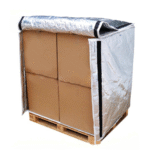
Pertama-tama putuskan apakah kontrol suhu termasuk dalam proyek peti. Jika kendaraan atau ruangan sudah memberikan kendali yang andal dan muatan terlindungi melalui setiap penyerahan, peti mungkin hanya memerlukan aliran udara dan kompatibilitas mekanis. Jika ada kesenjangan, sebuah liner terisolasi, pendingin, penutup palet, paket gel yang dikondisikan, Paket PCM, sistem es kering, atau solusi aktif mungkin diperlukan. Jawabannya harus mengikuti spesifikasi produk dan risiko jalur. Untuk pergerakan produk daging tersegel yang dikontrol suhu secara pasif menggunakan cangkang plastik bergelombang dan kemasan berbasis PCM, verifikasi profil ambien dan lokasi logger berdasarkan muatan yang dinyatakan dan profil ambien.
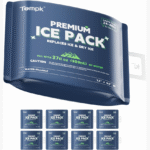
Jika perlindungan pasif diperlukan, menentukan rentang spesifik produk, Titik transisi PCM, protokol pengkondisian, Massa dan penempatan PCM, kontinuitas isolasi, dan profil sekitar serta lokasi logger sebelum memilih komponen. Desain harus memperhitungkan suhu awal muatan, ruang kosong, jembatan isolasi, pengkondisian cairan pendingin, pemisahan produk, paparan lingkungan, dan pembukaan. Setiap perubahan pada variabel tersebut dapat mengubah kinerja. Konfigurasi yang diuji oleh pemasok hanya berguna jika paket yang diusulkan benar-benar sebanding. Jaga agar klaim tetap bersyarat sampai konfigurasi yang diuji mencakup kontinuitas insulasi.
Kualifikasi dan pemantauan rutin memiliki tujuan yang berbeda. Pengujian pengembangan menetapkan apakah paket terkontrol dapat memenuhi kriteria penerimaan berdasarkan profil yang ditentukan. Pemantauan rute memeriksa apa yang terjadi saat digunakan. Seorang logger dapat mendukung pelepasan atau penyelidikan, tapi itu tidak bisa mengkompensasi kekurangannya paket pendingin, muatan yang hangat, tutup yang terbuka, atau rute yang tidak memenuhi syarat. Menerima instruksi harus menghubungkan data dengan proses pengambilan keputusan yang jelas. Instruksi pengoperasian harus memperjelas massa dan penempatan PCM bagi pengemas dan penerima.
Gunakan Hierarki Bukti untuk Memilih Pemasok
Pilih penyedia berdasarkan kualitas buktinya. Minta gambar yang disetujui, deklarasi materi, laporan dimensi kritis, sampel tujuan produksi, laporan pengujian yang relevan, petunjuk pembersihan atau pengemasan, identifikasi kumpulan, dan istilah kontrol perubahan. Untuk aplikasi ini, juga meninjau dokumentasi teknis PCM, instruksi pengkondisian, gambar paket, kondisi laporan pengujian, ketertelusuran batch, dan mengubah pemberitahuan. Dokumen harus mengidentifikasi konfigurasi dan kondisi, tidak sekadar mengulangi klaim pemasaran. Perlakukan ketertelusuran batch sebagai bagian dari paket bukti, bukan jaminan lisan.
Gunakan hierarki bukti. Pernyataan verbal paling rendah. Lembar data generik lebih baik tetapi mungkin tidak cocok dengan rakitan. Pengujian pemasok pada konfigurasi yang diusulkan lebih kuat. Laporan laboratorium independen atau terakreditasi dapat menambah keyakinan ketika metode dan sampelnya relevan. Bukti praktis tertinggi adalah pilot yang dikendalikan di jalur pembeli, didukung oleh unit produksi yang dapat dilacak dan rencana inspeksi berkelanjutan. Tinjauan pemasok harus menentukan bagaimana kondisi laporan pengujian tetap terkendali setelah peningkatan skala.
Tantang mode kegagalan secara langsung: memilih PCM berdasarkan warna atau nama, menggunakan paket tanpa syarat, menempatkan bungkusan yang sangat dingin pada daging dingin, mengabaikan variasi muatan, dan mengutip waktu tunggu tanpa kondisi pengujian. Tanyakan fitur desain apa yang menghalangi setiap acara, bagaimana fitur itu diuji, dan bagaimana pemeriksaan produksi melestarikannya. Jika pemasok tidak dapat menjawab, mengubah ketidakpastian menjadi pengujian sampel atau menghilangkan klaim dari spesifikasi. Hal ini membuat negosiasi komersial terikat pada risiko dan bukan pada penghitungan fitur. File pengadaan harus membuat gambar paket dapat dilacak.
Alat pengambilan keputusan yang berguna
Periksa detailnya sebelum Anda memilih kemasan
Alat cepat ini dapat membantu Anda membandingkan risiko rute, kebutuhan ukuran, pilihan pendingin, dan detail kemasan sebelum Anda meminta penawaran.
Ketahanan Jatuh Bahan Isolasi
Tinjau ketahanan jatuh dan faktor penanganan sebelum memilih bahan insulasi.
Periksa resistensiPendingin & Referensi PCM
Bandingkan opsi cairan pendingin dan PCM ketika suatu rute memerlukan dukungan suhu tambahan.
Bandingkan pilihanPemeriksa Risiko Rute
Tinjau kondisi jalur sebelum memilih kemasan untuk mengetahui kebutuhan pengoperasian sebenarnya.
Periksa risiko rutePengendalian Pengembalian dan Armada untuk Perubahan Fase Kontainer Plastik Bergelombang
Gunakan empat gerbang persetujuan. Gerbang satu sudah pas: muatannya dimuat, menutup, membongkar, dan tetap dapat diidentifikasi. Gerbang dua adalah pengujian terkontrol: mekanis, pembersihan, kebocoran, atau uji termal mengatasi risiko yang ditentukan. Gerbang tiga adalah percontohan operasional: staf normal menggunakan unit maksud produksi melalui putaran penuh. Gerbang empat adalah rilis produksi: inspeksi masuk dan kontrol perubahan menunjukkan bahwa unit berskala sesuai dengan desain yang disetujui. Pilot harus melacak pembuangan paket yang rusak sebagai variabel siklus hidup.
Catatan percontohan harus mencakup pengecualian, tidak hanya rata-rata. Perhatikan beban terberat dan teringan, bukaan yang sulit, pengembalian basah, serah terima tertunda, tumpukan campuran, aksesoris yang hilang, kerusakan, mencuci ulang, dan perjalanan suhu apa pun. Pengecualian mengungkapkan margin desain dan kesenjangan pelatihan. Sebuah program yang hanya mencatat perjalanan yang berhasil dapat mengukur kelemahan yang tersembunyi. Untuk program pengemasan daging ini, memasukkan energi pengkondisian dalam model operasi.
Setelah peluncuran, mengelola kontainer sebagai aset. Tetapkan ID jika perlu, mencatat alasan kerusakan, komponen terpisah yang dapat diperbaiki, menentukan status pencucian dan pemeriksaan, menjaga stok pengganti, dan pensiunkan unit yang tidak aman. Tinjau data lapangan sebelum menyetujui perubahan pemasok atau komponen. Kontrol siklus hidup adalah langkah yang mengubah ide yang dapat digunakan kembali menjadi program yang dapat diandalkan. Tinjauan armada harus menunjukkan bagaimana pemisahan cangkang dan lapisan mempengaruhi biaya dan keandalan.
Gantikan Lima Asumsi Mahal dengan Bukti
Asumsi satu: volume yang dinyatakan sama dengan ruang muatan. Mungkin tidak setelah lancip, tutup, jangka pembagi garis, isolasi, dan pendingin. Asumsi kedua: nama material membuktikan kinerja. Itu tidak membuktikan geometri yang telah selesai. Asumsi ketiga: peringkat tumpukan mencakup setiap durasi dan suhu. Ini mungkin berasal dari tes yang berbeda. Setiap asumsi harus diganti dengan gambar, mencicipi, dan kondisi pengujian yang relevan. Untuk pergerakan produk daging tersegel yang dikontrol suhu secara pasif menggunakan cangkang plastik bergelombang dan kemasan berbasis PCM, putuskan kontrol apa yang mengatasi mode kegagalan 'menempatkan kemasan yang sangat dingin pada daging yang dingin'.
Asumsi keempat: format yang dapat digunakan kembali secara otomatis berkelanjutan. Jarak pulang, kehilangan, pembersihan, memperbaiki, dan rute pensiun menentukan hasilnya. Asumsi kelima: label termal membuktikan kontrol suhu. Sistem yang lengkap, kondisi awal, profil lingkungan, paket, dan disiplin operasi menentukan hasilnya. Asumsi ini mahal karena biasanya gagal setelah pembelian peralatan atau armada. Jangan tutup tinjauan sampai bukti atau kendali proses mengatasi mode kegagalan 'mengabaikan variasi muatan'.
Tanda peringatan khusus proyek adalah memilih PCM berdasarkan warna atau nama, menggunakan paket tanpa syarat, menempatkan bungkusan yang sangat dingin pada daging dingin, mengabaikan variasi muatan, dan mengutip waktu tunggu tanpa kondisi pengujian. Masukkan mereka ke dalam daftar periksa tinjauan sampel. Tim lintas fungsi lebih mungkin menangkap mereka karena operasi, kualitas, rekayasa, kebersihan, dan logistik melihat bagian risiko yang berbeda. Daftar periksanya harus pendek, dimiliki, dan terikat pada suatu disposisi: menerima, merevisi, tes, karantina, atau menolak. Diskusi pemasok harus menghubungkan mode kegagalan 'mengutip waktu tunggu tanpa kondisi pengujian' ke suatu fitur, tes, dan disposisi.
Jalankan Lokakarya Sampel Lintas Fungsional
Lokakarya lintas fungsi untuk pergerakan produk daging tersegel yang dikontrol suhu secara pasif menggunakan cangkang plastik bergelombang dan pengemasan berbasis PCM dapat diselesaikan dalam satu sampel tujuan produksi. Tempatkan muatan yang representatif, Label, dunnage, komponen termal jika diperlukan, dan alat penanganan di atas meja. Minta operasi untuk mengemasnya, logistik untuk memindahkan dan menumpuknya, kualitas untuk memeriksa bukti, dan sanitasi untuk membersihkan dan mengeringkannya. Catat di mana prosesnya bergantung pada penilaian atau solusi.
Kemudian simulasikan deviasi yang kredibel: serah terima yang tertunda, beban parsial, kembali basah, dampak dingin, tutupnya hilang, atau inspeksi tak terduga. Tim harus memutuskan apakah desain tersebut memuat peristiwa tersebut, apakah kondisinya dapat dideteksi, dan instruksi apa yang diikuti. Latihan ini sering kali memunculkan persyaratan yang lebih berguna dibandingkan klaim ketahanan umum lainnya. Selama latihan, perhatikan secara khusus mode kegagalan yang tercantum: memilih PCM berdasarkan warna atau nama.
Tutup lokakarya dengan tindakan bernama, poin gambar yang direvisi, tes, pemilik, dan tanggal penerimaan. Pemasok menerima daftar yang terkontrol dan bukannya komentar yang bertentangan dari departemen yang berbeda. Ketika sampel berikutnya tiba, tim yang sama dapat memverifikasi perubahan dan memutuskan apakah desain siap untuk uji coba rute. Gunakan skenario untuk memutuskan bagaimana tim akan merespons mode kegagalan 'menggunakan paket tanpa syarat'.
Pertanyaan yang sering diajukan
Dokumen apa yang pertama kali harus dipersiapkan sebelum menghubungi penyedia wadah plastik bergelombang fase perubahan untuk kemasan daging?
Siapkan ringkasan kasus penggunaan yang ringkas yang mencakup muatan, dimensi yang dapat digunakan, beban maksimum, rute, paparan lingkungan, penanganan, pembersihan, kembali, identifikasi, dan persyaratan suhu apa pun. Tambahkan klaim yang harus didukung dan kondisi yang akan mendiskualifikasi suatu desain. Hal ini memberi pemasok dasar umum untuk melakukan penawaran. Untuk proyek ini, menjaga ketertelusuran batch dapat ditelusuri ke sampel yang disetujui.
Bagaimana cara memisahkan persyaratan peti dari persyaratan rantai dingin?
Tetapkan penanganan mekanis, menumpuk, penutup, kebersihan, dan identifikasi ke peti. Tetapkan isolasi, pendingin, pendinginan aktif, paket, pengkondisian awal, pemantauan, dan kualifikasi termal ke sistem kontrol suhu. Mereka harus berinteraksi dengan benar, tetapi yang satu tidak boleh digunakan sebagai bukti untuk yang lain. Untuk proyek pengemasan daging ini, konfirmasikan jawaban pada sampel tujuan produksi daripada mengasumsikan kesetaraan katalog.
Bukti pemasok mana yang paling berpengaruh?
Berikan bobot lebih pada gambar khusus konfigurasi, dokumen material, sampel tujuan produksi, laporan pengujian dengan kondisi lengkap, dan percontohan rute yang sukses dibandingkan dengan brosur umum. Pengujian independen dapat menambah keyakinan ketika metode dan sampelnya relevan. Pengendalian perubahan sangat penting agar bukti tetap terhubung dengan produksi. Untuk proyek ini, menjaga agar dokumentasi teknis PCM dapat ditelusuri ke sampel yang disetujui.
Berapa banyak sampel yang dibutuhkan sebelum pembelian armada?
Tidak ada nomor universal. Gunakan sampel yang cukup untuk memeriksa kesesuaiannya, variasi produksi, penanganan, pembersihan, dan mode kegagalan yang kredibel. Seorang percontohan harus mencakup unit tujuan produksi dan operator normal. Rencana sampel harus berdasarkan risiko dan disetujui oleh pihak teknis atau pihak kualitas, bukan dipilih hanya untuk kenyamanan. Dasarkan keputusan pada profil ambien panas dan dingin berdasarkan rute dan muatan yang diinginkan.
Apa yang harus terjadi setelah kontainer memasuki layanan?
Identifikasi kontrol, status pembersihan, inspeksi, memperbaiki, penggantian aksesori, pengkodean kerusakan, kehilangan, dan pensiun. Tinjau data lapangan dan perubahan pemasok secara berkala. Kemasan yang dapat digunakan kembali tetap dapat diandalkan hanya jika sistem operasi mempertahankan kondisi dan konfigurasi yang awalnya disetujui. Untuk proyek pengemasan daging ini, konfirmasikan jawaban pada sampel tujuan produksi daripada mengasumsikan kesetaraan katalog.
Keputusan akhir
Pilih penyedia wadah plastik bergelombang perubahan fase untuk pengemasan daging melalui urutan yang terkontrol: tentukan pekerjaan dan garis merah, memverifikasi geometri yang dapat digunakan dan bukti material, putuskan apakah kontrol termal diperlukan, menguji mode kegagalan yang relevan, uji coba loop operasi penuh, dan melestarikan desain yang disetujui melalui inspeksi dan pengendalian perubahan. Jaga agar setiap klaim tetap terikat pada kondisi dan pemiliknya.
Tentang tempk
Persediaan sementara kemasan rantai dingin komponen seperti Paket gel, batu bata es, Paket PCM, liner dan tas terisolasi, EPP dan kotak berinsulasi lainnya, kotak pengiriman dingin, Dan penutup palet termal. Di Sini, fokus praktisnya adalah mendukung pemilihan PCM dan paket gel, liner terisolasi, kotak pengiriman dingin, dan perencanaan pengemasan untuk pengiriman daging. Persyaratan khusus produk, kualifikasi rute, dan tinjauan kualitas pelanggan tetap menjadi dasar pemilihan akhir.
Minta Tinjauan Praktis
Untuk tinjauan kontainer dan rantai dingin yang terintegrasi, berbagi format daging, rentang yang diperlukan, muatan, profil rute, dan mengkondisikan sumber daya untuk mendiskusikan paket pasif yang dapat diuji.