Liner Berinsulasi Gelembung Tunggal Jerman: Dari Kandidat hingga Paket Dirilis
Sebuah kapal harus mencapai stasiun pengepakan hanya setelah perusahaan dapat menjawab empat pertanyaan: Apa yang harus dilakukan agar produk dapat bertahan? Konfigurasi lengkap mana yang diuji? Siapa yang memiliki bea pengemasan Jerman? Perubahan material dan proses mana yang akan memicu peninjauan? Itu adalah standar rilis untuk a liner berinsulasi gelembung tunggal program Jerman. Insulasi sel udara satu lapis bisa jadi ringan, kompak, dan berguna di dalam karton parsel, namun fitur-fitur tersebut hanya memiliki nilai dalam sistem yang terkendali. Rencana rilis berikut bergabung dengan teknik termal, operasi rute, data yang jelas, persiapan PPWR, dan kontrol pemasok ke dalam satu file persetujuan.
Rilis Halaman Pertama: Nyatakan Pekerjaan dan Batasannya
Tulis pekerjaan perlindungan tanpa menyebutkan nama liner pilihan. Hal ini mencegah pemilihan material untuk memenuhi kebutuhan.
Pernyataan tersebut harus mengidentifikasi produk, kondisi yang disetujui, jangkauan muatan, kondisi awal, waktu transportasi yang direncanakan, penundaan yang kredibel, keluarga rute, dan proses penerimaan. Hal ini harus membedakan batas produk wajib dari target kualitas komersial. Jika suatu tamasya memiliki durasi atau proses disposisi yang diperbolehkan, mengutip sumber internal yang dikontrol dalam file proyek.
Tetapkan batasan juga. Paket hanya dapat disetujui untuk paket domestik pada hari kerja berikutnya, untuk pesanan yang dikirim sebelum batas waktu, atau untuk pengiriman ke alamat staf. Layanan lintas batas yang lebih lama, akhir pekan, obat-obatan yang berisiko tinggi, atau jatuh tanpa pengawasan mungkin memerlukan konfigurasi lain. Persetujuan yang berguna cukup sempit untuk menjadi kenyataan.
Definisikan kegagalan sebelum pengujian
A "lulus" bisa berarti setiap produk simulan tetap dalam batas yang ditentukan, tidak ada kebocoran paket utama, liner mempertahankan penutupan setelah tekanan mekanis, dan catatan pemantauan selesai. Kegagalan dapat mencakup titik dingin di samping cairan pendingin meskipun suhu rata-rata terlihat dapat diterima.
Setujui aturan ini sebelum melihat data. Penyesuaian jendela penerimaan pasca-tes menghancurkan kredibilitas latihan. Kualitas, produk, logistik, dan pemilik kemasan harus menandatangani persyaratan yang sesuai dengan peran mereka.
Putuskan apakah kemasan pasif masuk akal
Sistem pasif menggunakan insulasi dan massa termal tanpa kontrol daya. Mereka bisa efektif pada jalur persil berbatas. Sebagai variabilitas, lamanya, sensitivitas produk, atau konsekuensi kegagalan meningkat, desainnya mungkin memerlukan insulasi berkinerja lebih tinggi, kualifikasi pasif yang lebih kuat, transportasi berpendingin, atau wadah aktif.
Opsi gelembung tunggal layak untuk disaring karena menawarkan ruang yang cukup untuk muatan dan cairan pendingin, dapat menutup dengan andal, dan dapat memenuhi rute yang ditentukan dengan penyimpanan atau beban material yang lebih rendah. Perusahaan harus keluar dari proyek lebih awal jika perhitungan dan pengujian pendahuluan menunjukkan margin yang tidak memadai. Melanjutkan karena sampel tidak mahal biasanya mengalihkan biaya ke kegagalan pengujian dan kompleksitas operasional.
Rilis Halaman Kedua: Bekukan Arsitektur Fisik
Arsitektur fisik lebih dari itu "lapisan perak di dalam kotak." Berikan setiap komponen identitas dan fungsi.
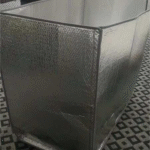
Karton bergelombang luar menyediakan struktur, kemampuan menumpuk, dan permukaan untuk penutupan dan label. Liner menambahkan sel udara dan lapisan reflektif. Bahan pendingin atau bahan pengubah fasa memasok kapasitas termal. Pembagi menjaga jarak, bantalan penyerap mengatasi kebocoran, dan paket utama melindungi produk. Pencatat suhu dapat mendokumentasikan kondisi. Tape dan flap menutup batas termal dan fisik.
Laminasi gelembung tunggal harus dilapisi dengan film pembawa, geometri sel, bahan yang menghadap, ikatan, jahitan yang dikonversi, konstruksi penutup, dimensi nominal, toleransi, dan satuan massa. Jika lapisan reflektifnya adalah film berlapis logam, katakan begitu. Jika itu adalah kertas timah sebenarnya, mengidentifikasinya secara akurat. Perbedaan ini mempengaruhi perilaku mekanis, Pelaporan materi Jerman, dan penilaian akhir kehidupan.
Desain di sekitar jalur panas
Panas dapat menghantarkan melalui film, gas yang terperangkap, karton, jahitan, dan titik-titik terkompresi. Udara dapat bersirkulasi di dalam rongga muatan dan bertukar melalui celah. Permukaan memancarkan energi melintasi ruang. Muatan dan cairan pendingin menyimpan energi dan mengubah suhu seiring waktu.
Liner dapat memperlambat beberapa jalur ini. Sel tertutup membatasi pergerakan udara dan menambah hambatan. Permukaan dengan emisi rendah yang sesuai dapat mengurangi pertukaran radiasi ketika menghadap ruang udara. Penutupan yang pas membatasi pertukaran terbuka. Desainnya masih memiliki jembatan termal dan kapasitas terbatas.
Itulah sebabnya ketebalan panel tengah bukan merupakan kriteria pelepasan. Periksa bagian atas, sudut, lapisan, dan sambungan pita. Muat pesanan terberat dan teringan. Pastikan bahwa cairan pendingin tidak meratakan sel atau membuat penutup tetap terbuka. Ukur muatan yang dapat digunakan setelah semua komponen dipasang.
Jadikan cairan pendingin dapat direproduksi
Catat item cairan pendingin, nomor, posisi, metode pengkondisian, keadaan awal yang diizinkan, dan waktu maksimum antara pengkondisian dan segel akhir. Jika kemasan harus dipisahkan dari produk, tentukan penghalangnya. Jika berbeda musim gunakan konfigurasi yang berbeda, berikan masing-masing kode terpisah dan cegah operator mencampurkannya.
Kemampuan gudang adalah bagian dari desain. freezer, lemari es, atau area pengkondisian harus mendukung volume puncak. Pengemasan yang hanya lolos jika cairan pendingin disiapkan dengan ketelitian laboratorium mungkin tidak cocok untuk pemenuhan rutin.
Rilis Halaman Tiga: Bangun Tangga Bukti
Jangan melompat dari brosur materi ke peluncuran nasional. Setiap level harus menghilangkan ketidakpastian yang berbeda.
Bukti identitas menegaskan sampel dan konstruksi produksi. Itu termasuk gambarnya, pernyataan lapisan, massa, toleransi, identitas permukaan, dan kondisi penyimpanan.
Bukti material dapat mencakup transmisi termal spesimen datar, sifat permukaan, tusukan, segel, atau tes lain yang relevan. Metode dan ketentuan harus disebutkan. ASTM C518, Misalnya, dapat mengukur perpindahan panas dalam keadaan tunak melalui spesimen datar, tetapi tidak memprediksi durasi parsel.
Bukti perakitan berasal dari pemeriksaan kesesuaian dan uji termal lengkap. Iso 22982 memberikan persyaratan dan metode pengujian untuk paket parsel dengan suhu yang dikontrol. ISTA 7E menawarkan profil panas dan dingin paket standar. Pilih kerangka kerja yang menjawab pertanyaan proyek dan dokumentasikan suplemen spesifik rute apa pun.
Bukti distribusi memeriksa apakah ada getaran, menjatuhkan, kompresi, dan kelembapan mengubah konfigurasi. Urutannya penting. Tes termal yang dilakukan setelah penanganan stres yang relevan dapat mengungkapkan kerusakan sel atau pergerakan komponen yang tersembunyi oleh ruang yang masih asli.
Bukti operasional berasal dari pilot yang dikendalikan menggunakan instruksi produksi, pengepakan yang terlatih, layanan operator yang dituju, dan menerima pemeriksaan. Ini menguji reproduktifitas, bukan hanya fisika material.
Papan rilis
| Pertanyaan persetujuan | Bukti diperlukan untuk pembebasan | Alasan untuk berhenti sejenak | Pemilik |
|---|---|---|---|
| Apakah target produk terkendali? | Batasan yang disetujui, muatan yang ekstrem, aturan tamasya dan disposisi | Target bersifat umum atau disalin dari produk lain | Tim produk dan kualitas |
| Apakah liner sesuai dengan karton produksi? | Menggambar, toleransi, catatan kesesuaian beban minimum/maksimum | Celah, tekuk, sel-sel yang hancur, atau penutupan yang tidak pasti | Pengemasan dan operasi |
| Apakah paket lengkapnya lolos? | Protokol dan laporan dengan komponen yang tepat, profil, sensor, dan penerimaan | Hanya data kupon atau klaim durasi yang tidak terkait | Kemasan dan kualitas |
| Apakah penanganan mengubah kinerja? | Tekanan mekanis yang relevan dan inspeksi pasca-tes | Jahitan, pendingin, atau perpindahan produk selama distribusi | Logistik dan pengemasan |
| Apakah pihak wajib Jerman diketahui? | Peta peran untuk penjual, pengimpor, pemilik merek, dan pihak pemenuhan | Kontrak memikul tanggung jawab tanpa analisis hukum | Hukum dan kepatuhan |
| Apakah LUCID dan tugas sistem sudah selesai? | Pendaftaran, partisipasi, dan laporan yang cocok jika memungkinkan | Pendaftaran tidak ada, kontrak, atau data material-massa | Pemilik kepatuhan EPR |
| Apakah desain siap untuk transisi PPWR? | Peta materi, alasan minimalisasi, rencana kerja daur ulang | Klaim kepatuhan menyeluruh tanpa analisis bertahap | Keberlanjutan dan legal |
| Bisakah produksi tetap setara? | Cek masuk, instruksi kerja, pelatihan, kontrol perubahan pemasok | Sampel tangan adalah satu-satunya referensi yang disetujui | Pengadaan dan operasi |
Dewan menciptakan kondisi berhenti. Sebuah proyek dapat melanjutkan pengembangan sementara satu item terbuka, namun rilis komersial harus mencerminkan risiko dan persyaratan yang berlaku. Pemilik harus mencatat mengapa kesenjangan dapat diterima, ketika itu adalah keputusan yang sah.
Rilis Halaman Empat: Petakan Tanggung Jawab Jerman Sebelum Masuk Pasar
Berdasarkan kerangka UU Pengemasan yang berlaku sebelumnya 12 Agustus 2026, Undang-undang pengemasan di Jerman berfokus pada pengemasan yang berisi barang. Undang-undang tersebut mendefinisikan produsen yang berkewajiban melalui tindakan pertama yang menempatkan kemasan isi secara komersial di pasar Jerman, dan produsen harus mendaftar di LUCID Packaging Register sebelum penempatan pasar. Kerangka penerapan PPWR dan Jerman mengubah definisi dan beberapa tanggung jawab dari 12 Agustus 2026, jadi file rilis harus mengidentifikasi aturan mana yang berlaku pada tanggal peluncurannya.
Ketika pengemasan tunduk pada partisipasi sistem, tugas tambahan termasuk kontrak dengan operator sistem dan mencocokkan laporan volume ke sistem dan LUCID. Jenis bahan dan massa kemasan merupakan data operasional, bukan perkiraan tahunan yang diciptakan oleh keuangan.
Kemasan kiriman yang digunakan untuk mengantarkan barang ke konsumen akhir meliputi komponen-komponennya. Panduan resmi ZSVR mengidentifikasi karton, tas, tape, Label, dan pengisi dan mengatakan kemasan kiriman hampir selalu tunduk pada partisipasi sistem yang biasanya terakumulasi sebagai limbah di konsumen akhir swasta. "Hampir selalu" masih memerlukan klasifikasi. Katalog dan panduan produk resmi dirancang untuk mendukung keputusan tersebut.
Gambarlah peta peran
Peta peran harus terlihat:
siapa yang mengisi karton pengiriman terakhir;
yang nama atau mereknya tercantum pada kemasan yang bersangkutan;
yang menjual ke pelanggan Jerman;
apakah barang masuk Jerman sudah dikemas;
yang memikul tanggung jawab hukum di lintas batas berdasarkan pengaturan yang berlaku;
apakah pengecer perantara domestik terlibat;
yang menugaskan penyedia pemenuhan mana pun;
siapa yang mendaftar, berpartisipasi, laporan, dan menyimpan bukti.
Jangan mengandalkan penguasaan fisik. Penyedia pemenuhan dapat menyegel karton sementara klien tetap bertanggung jawab atas tugasnya. Penjual asing mungkin belum pernah menyentuh tanah Jerman namun menjadi produsen yang relevan. Importir dapat memikul tanggung jawab berdasarkan struktur impor.
Alat pengambilan keputusan yang berguna
Periksa detailnya sebelum Anda memilih kemasan
Alat cepat ini dapat membantu Anda membandingkan risiko rute, kebutuhan ukuran, pilihan pendingin, dan detail kemasan sebelum Anda meminta penawaran.
Ketahanan Jatuh Bahan Isolasi
Tinjau ketahanan jatuh dan faktor penanganan sebelum memilih bahan insulasi.
Periksa resistensiKalkulator Paket Es
Perkirakan jumlah paket es gel untuk pengiriman dingin dan perencanaan rute yang praktis.
Perkirakan kantong esPendingin & Referensi PCM
Bandingkan opsi cairan pendingin dan PCM ketika suatu rute memerlukan dukungan suhu tambahan.
Bandingkan pilihanTransisi aktif 12 Agustus 2026 sangat penting. PPWR memulai penerapan umum, dan ZSVR telah mengumumkan perubahan pada tanggung jawab partisipasi merek sendiri dan sistem impor tertentu. Dunia usaha harus menguji peta peran mereka berdasarkan aturan yang ada saat peluncuran dibandingkan mengandalkan memo tahun sebelumnya.
Jaga agar pelaporan tetap terikat pada desain yang diuji
Buat catatan SKU kemasan yang menyertakan karton, liner, tape, label, kantong pendingin, penyerap, dan bagian lain yang relevan. Menyimpan materi dan data massal dengan revisinya. Jika pemasok mengubah film berlapis logam menjadi foil, atau memodifikasi pengukur film, peristiwa tersebut dapat mempengaruhi bukti termal, pelaporan sistem, dan analisis daur ulang sekaligus.
Rekonsiliasi volume yang direncanakan dan aktual sesuai dengan proses pelaporan yang berlaku. Ketidaksesuaian antara laporan operator sistem dan LUCID bukan merupakan masalah desain, namun tim desain dapat mencegah sumber data yang buruk.
Rilis Halaman Lima: Jadikan Kesiapan PPWR sebagai Kegiatan Rekayasa
Peraturan Pengemasan dan Limbah Pengemasan UE berlaku langsung di seluruh Negara Anggota sesuai dengan jangka waktunya. Ini mulai berlaku pada 2025 dan umumnya berlaku dari 12 Agustus 2026, sementara persyaratan dan metode khusus dicapai secara bertahap. Oleh karena itu, pernyataan produk yang jujur tidak demikian "disetujui PPWR." Merupakan penilaian tertanggal terhadap ketentuan yang berlaku, membuka detail implementasi, dan tindakan desain yang direncanakan.
Daur ulang dimulai dengan peta material yang lengkap
PPWR menetapkan persyaratan daur ulang dan beralih ke tingkat desain untuk daur ulang, kemudian menambahkan kriteria daur ulang dalam skala besar. Garis waktu yang tepat, tindakan yang didelegasikan, kategori, dan pengecualian memerlukan pemantauan. Standar minimum ZSVR Jerman tetap menjadi referensi terkini untuk pengemasan yang tunduk pada partisipasi sistem dan mempertimbangkan penyortiran, sifat dpt dipisahkan, kesesuaian bahan, dan infrastruktur daur ulang.
Untuk seorang lajang-lapisan gelembung, periksa apakah film yang menghadap dan sel udara membentuk aliran yang kompatibel, dapat dipisahkan, atau mengganggu penyortiran. Tinjau perekat, tinta, pelapis, tape, dan label. Klaim mono-material harus mencakup setiap lapisan yang secara material mempengaruhi pemulihan. Lapisan reflektif bisa sangat tipis dan masih mempengaruhi perilaku pengenalan atau daur ulang.
Minimalisasi membutuhkan pembenaran fungsional
PPWR bergerak menuju berat dan volume minimum yang diperlukan untuk fungsionalitas. Proyek ini harus mendokumentasikan perlindungan termal, keamanan produk, logistik, kebersihan, dan fungsi hukum. Gunakan pengujian untuk menunjukkan alasan ukuran liner, tutup, jarak pendingin, dan izin karton ada.
Tantang kelebihan warisan. Kisaran karton yang luas memungkinkan kesesuaian produk yang lebih dekat dan area lapisan yang lebih sedikit. Penempatan cairan pendingin yang lebih baik dapat mengurangi kekosongan. Sisipan yang dipasang dapat menghilangkan pengisi yang lepas. Namun pelepasan harus dihentikan sebelum merusak batas termal atau perlindungan mekanis.
Batasan ruang kosong e-niaga kemudian menambah alasan lain untuk mengontrol gambar dan kesesuaian SKU. Metodologi perhitungan yang berlaku, perawatan pengisi yang terdaftar, tanggal, dan pengecualian harus diperiksa pada saat desain. Jangan berasumsi semua sel udara di dalam insulasi fungsional diperlakukan dengan satu cara tanpa meninjau aturan akhirnya.
Klaim lingkungan memerlukan tujuan
"Dapat didaur ulang" harus menentukan pasar, konstruksi, rute pengumpulan, dan bukti. "Dapat digunakan kembali" harus menentukan loop kembali, pembersihan, inspeksi, dan pola penggunaan yang didukung. "Materi yang lebih sedikit" harus menyatakan dasar perbandingan dan memastikan cairan pendingin tersebut, karton, dan kehilangan produk dimasukkan.
Konsumen Jerman dapat memisahkan karton bergelombang dari lapisannya, tetapi petunjuknya harus sesuai dengan koleksi lokal dan laminasi sebenarnya. Jika tidak ada jalur pemulihan yang kredibel, katakan demikian secara internal dan prioritaskan perubahan desain daripada mengandalkan logo.
Rilis Halaman Enam: Transfer Desain ke Operasi
Paket terbaik adalah paket yang dapat direproduksi oleh operator baru selama volume puncak.
Buat instruksi kerja visual dengan pesanan produk yang tepat, posisi pendingin, orientasi kapal, urutan penutup, penempatan pita, posisi label, dan waktu maksimum di luar penyimpanan terkendali. Tampilkan kesalahan umum. Gunakan pengoperasian atau penerimaan informasi berbahasa Jerman ketika tenaga kerja dan pelanggan membutuhkannya.
Berlatih dengan materi akhir dan amati pengepakan tanpa bantuan. Jika operator secara teratur membalik liner, membuat tanda orientasi atau konstruksi yang menghilangkan ambiguitas. Jika penutup atas terbuka, mendesain ulangnya. Pelatihan tidak boleh mengkompensasi desain fisik yang buruk tanpa batas waktu.
Instruksi penerimaan harus menyatakan siapa yang membuka parsel, apa yang harus diperiksa, di mana harus meletakkan produk, bagaimana data monitor ditangani, dan siapa yang harus dihubungi setelah kerusakan atau peringatan suhu. Untuk produk obat, mengikuti proses PDB yang terkendali daripada pesan konsumen secara umum.
Gunakan penyimpangan untuk memperbaiki bagian kanan sistem
Klasifikasikan peristiwa:
kegagalan desain termal;
cacat material atau konversi;
pengkondisian cairan pendingin yang salah;
penyimpangan instruksi pengepakan;
pengecualian layanan operator;
penundaan penerima;
masalah monitor atau data;
masalah pelaporan atau peran pengemasan.
Menambahkan isolasi tidak akan menyelesaikan laporan LUCID yang hilang. Memperbarui memo hukum tidak akan menutup sudut hangat. Kategori yang jelas menyimpan tindakan perbaikan dengan pemilik yang benar.
Tinjau paket saat produk massal, karton, pendingin, rute, pembawa, tingkat layanan, campuran tujuan, atau perubahan konstruksi pemasok. Data musiman dapat mendukung penyempurnaan, tapi jangan menciptakan universal "musim panas" Dan "musim dingin" paket tanpa bukti yang representatif.
Rilis Halaman Tujuh: Putuskan Kapan Menggunakan Sesuatu Yang Lain
Gelembung tunggal adalah pilihan yang berguna, bukan tujuan. Pindah ke sistem lain jika bukti menunjukkan hal itu perlu dilakukan.
Pilih resistensi yang lebih tinggi pengirim pasif ketika durasi yang lama atau eksposur yang parah menghabiskan margin yang tersedia. Pertimbangkan solusi yang kaku ketika tekanan dan tusukan mendominasi. Gunakan wadah yang dapat digunakan kembali ketika ada putaran pengembalian yang terkontrol dengan pembersihan dan inspeksi. Pertimbangkan pengendalian dalam lemari pendingin atau pengendalian aktif ketika pengemasan pasif tidak dapat mengelola ketidakpastian dengan risiko yang dapat diterima.
Segmentasi rute seringkali lebih efisien daripada satu paket berukuran besar. Konfigurasi gelembung tunggal dapat melayani jalur pendek Jerman yang dapat diprediksi, sementara sistem lain mencakup lintas batas, akhir pekan, atau pengiriman berisiko tinggi. Sistem manajemen pesanan harus memilih opsi yang benar secara otomatis dan memblokir layanan yang tidak didukung.
Perbandingan komersial harus mencakup kemasan, pendingin, karton, penyimpanan, mengemas tenaga kerja, muatan yang dapat digunakan, biaya operator, kualifikasi, biaya partisipasi sistem, kehilangan produk, pengiriman ulang, pemulihan, dan kembali. Harga satuan yang rendah dapat menyembunyikan biaya operasional yang tinggi; sistem yang secara teknis lebih kuat bisa jadi merupakan perlindungan berlebihan yang tidak diperlukan.
Pertanyaan yang sering diajukan
Berapa banyak perlindungan suhu yang diberikan oleh lapisan gelembung tunggal?
Tidak ada durasi seluruh kategori yang dapat dipertahankan. Kinerja tergantung pada laminasi yang tepat, jahitan, penutup, karton, muatan, pendingin, kondisi awal, profil lingkungan, penanganan, dan batas penerimaan. Gunakan data material untuk penyaringan dan tes paket lengkap untuk keputusan rute yang ditentukan.
Apakah pemasok kapal kosong memerlukan registrasi LUCID?
Hal ini tidak dapat diputuskan hanya dari label pemasok saja. Berdasarkan kerangka UU Pengemasan sebelumnya 12 Agustus 2026, bea yang dibahas untuk pengemasan pengiriman umumnya melekat pada produsen pengemasan berisi barang yang ditetapkan secara hukum, tidak secara otomatis ke pemasok kemasan kosong. Sejak tanggal itu, Penerapan PPWR dan Jerman mengubah definisi dan dapat menimbulkan bea masuk yang berbeda untuk beberapa bisnis pengemasan kosong dan penjual asing. Semua pihak harus memetakan rantai tanggung jawab Jerman yang sebenarnya dengan menggunakan panduan yang ada saat ini.
Perubahan apa yang terjadi 12 Agustus 2026?
Peraturan (UE) 2025/40 umumnya mulai melamar, tunduk pada pengecualiannya, dan ZSVR menyoroti perubahan dalam tanggung jawab produsen dan partisipasi sistem untuk pengaturan merek sendiri dan impor tertentu. Banyak persyaratan desain berlanjut pada jadwal yang bertahap. Perusahaan harus meninjau panduan resmi terkini mengenai peran mereka dibandingkan memperlakukan tanggal tersebut sebagai satu perubahan universal.
Sebaiknya pembeli Jerman lebih memilih isolasi bahan tunggal?
Kompleksitas material yang lebih rendah dapat mendukung pemilahan dan daur ulang, namun desainnya tetap harus melindungi produk dan memenuhi kebutuhan teknis yang berlaku. Bandingkan kemampuan daur ulang yang terverifikasi, kinerja termal, pendingin, karton, dan kehilangan produk. Klaim mono-material nominal tidak cukup jika menggunakan perekat, pelapis, Label, atau infrastruktur yang sebenarnya menghambat pemulihan.
Kesimpulan: Lepaskan Satu Konfigurasi Dengan Pemilik yang Ditentukan
Program kapal Jerman siap ketika tim dapat menunjukkan satu persyaratan yang terkendali, satu tagihan bahan, satu instruksi paket yang dapat direproduksi, dan satu bukti yang terkait dengan rute tersebut. Itu juga membutuhkan pemilik yang disebutkan untuk pendaftaran LUCID, partisipasi sistem dan laporan jika memungkinkan, ditambah review kesiapan PPWR bertanggal.
Insulasi gelembung tunggal kemudian dapat melakukan pekerjaan sederhana namun berharga seperti yang dipilih: memperlambat perpindahan panas dalam paket pasif kompak. Hal ini tidak boleh diminta untuk menggantikan kendali rute, kualifikasi, analisis hukum, atau sistem daur ulang yang kredibel.
Tentang tempk
Tempk adalah B2B Kemasan yang dikendalikan suhu merek Shanghai Tempk Industrial Co., Ltd. Kategori produk kami meliputi liner terisolasi, tas, dan kotak, gel dan air Paket es, dan bahan perubahan fase. Kami melayani farmasi, makanan, dan pembeli rantai dingin. Produk apa pun yang dipertimbangkan untuk rute Jerman harus dievaluasi dengan karton yang dimaksudkan, muatan, pendingin, metode operasi, dan rencana bukti. Tim pembeli tetap memegang kendali kualifikasi, rilis operasional, dan kewajiban Jerman dan UE.
Buat ringkasan rilis: Kirimkan batas produk kepada Tempk, jangkauan muatan, gambar karton, batas rute, rencana pendingin, dan diperlukan bukti. Minta konfigurasi yang dapat dievaluasi bersama oleh pemilik teknis dan kepatuhan Anda.