Cara Memilih kotak EPP yang dapat ditumpuk untuk pengangkutan ikan untuk Pekerjaan Rantai Dingin yang Nyata
Cara terbaik untuk memilih yang dapat ditumpuk kotak EPP untuk pengangkutan ikan dimulai dari pengiriman, bukan kotaknya. Kisaran suhu produk Anda, bentuk muatan, panjang rute, titik serah terima, metode pembersihan, dan return loop semua mengubah tampilan wadah EPP yang sesuai. Panduan yang dioptimalkan ini menggabungkan logika keputusan pembeli, kehati-hatian teknis, dan saran pengoperasian praktis sehingga Anda dapat memilih opsi tanpa bergantung pada klaim yang tidak didukung.
Jawaban pembeli: pilih produk berdasarkan kecocokan, bukan berdasarkan label. Kotak EPP yang dapat ditumpuk untuk pengangkutan ikan harus sesuai dengan muatannya, rute, proses serah terima, dokumentasi pemasok, dan rencana penskalaan. Segala sesuatu yang lain bersifat sekunder.
Kesesuaian Kasus Penggunaan Didahulukan Sebelum Nama Produk
Kotak EPP yang dapat ditumpuk untuk pengangkutan ikan dapat dijual dalam keadaan terisolasi, tahan lama, kompak, dapat ditumpuk, tahan kelembaban, atau ramah lingkungan. Kata-kata itu hanya berguna setelah Anda mendefinisikan kasus penggunaan. Dalam pengangkutan ikan dan makanan laut di mana kotak-kotak ditumpuk di dalam van, kamar dingin, dermaga, dan daerah penerima ritel, wadah yang benar harus sesuai dengan produk, rute, pekerja, proses pembersihan, dan mengembalikan model. Sebuah kotak yang bagus untuk satu rute mungkin tidak cocok untuk rute lainnya.
Mulailah dengan muatannya: ikan utuh, fillet, nampan makanan laut, Paket es, liner, lembaran penyerap, dan kemasan yang kompatibel dengan drainase. Kemudian jelaskan rutenya: penyimpanan sebelum pengiriman, kecepatan pengepakan, moda transportasi, paparan lingkungan, titik serah terima, dan menerima pemeriksaan. Akhirnya, tentukan apa yang harus dilakukan kotak itu. Apakah perlu untuk meredam dampaknya, pemanasan lambat, tahan terhadap kondensasi, tumpukan di bawah beban, menunjukkan tanda merek, atau kembali melalui loop terkontrol? Urutan ini mencegah pembelian berlebih dan penentuan harga yang terlalu rendah pada saat yang bersamaan.
Untuk barang yang sensitif terhadap suhu, ingat bahwa EPP menyediakan isolasi pasif. Kotak ini mendukung manajemen suhu tetapi tidak membuat kisaran suhu terverifikasi dengan sendirinya. Pendingin, pengkondisian awal, desain paket, pemantauan, dan pengujian rute tetap menjadi bagian dari keputusan keseluruhan.
Empat Pemeriksaan Yang Paling Penting Sebelum Memesan
Pertama, periksa kecocokan internal. Produk, pendingin, jangka pembagi garis, liner, dan monitor apa pun harus pas tanpa memaksa penutupnya tertutup. Kedua, periksa kualitas penutupan. Tutupnya harus terpasang secara konsisten setelah pengepakan sebenarnya, tidak hanya saat kotaknya kosong. Ketiga, periksa ketahanan penanganan. Sudut, menangani, pelek, dan titik penumpukan harus sesuai dengan cara staf Anda menggunakan wadah tersebut.
Keempat, periksa dokumentasi. Jika pemasok mengklaim waktu tunggu, berdampak pada kinerja, kesesuaian kontak makanan, atau sifat material khusus, tanyakan bukti apa yang mendukung klaim tersebut dan apakah itu berlaku untuk konfigurasi Anda. Nomor yang tidak didukung harus dianggap sebagai nomor pemasaran hingga nomor tersebut ditinjau. Jika rute Anda diatur atau bernilai tinggi, melibatkan kualitas, logistik, dan pengadaan bersama.
Keempat pemeriksaan ini sederhana, tapi mereka menyaring banyak pilihan buruk. Mereka juga membuat percakapan pemasok lebih efisien karena Anda mendiskusikan kendala nyata daripada meminta kotak umum terbaik.
Panduan Fitur-untuk-Keputusan
| Fitur | Arti keputusan yang berguna | Apa yang tidak boleh diasumsikan |
|---|---|---|
| Struktur EPP sel tertutup | Dapat mendukung ketahanan kelembaban dan bantalan | Ini tidak secara otomatis membuktikan sanitasi atau waktu penahanan |
| Desain yang dapat digunakan kembali | Dapat mengurangi kemasan sekali pakai dalam loop terkelola | Nilai penggunaan kembali hilang tanpa kontrol pengembalian |
| Dinding dan penutup terisolasi | Memperlambat perubahan suhu ketika pengepakan sudah benar | Ini bukan pendinginan aktif |
| Geometri yang dapat ditumpuk | Meningkatkan organisasi van dan gudang | Stackability harus dicentang dengan kotak yang dimuat |
| Opsi khusus | Dapat meningkatkan kecocokan, branding, dan alur kerja | Kustomisasi tidak boleh menggantikan pengujian sampel |
Tabel di bawah menerjemahkan fitur umum produk menjadi keputusan pembelian praktis. Ini juga menunjukkan apa yang tidak boleh diasumsikan hanya dari nama fiturnya saja.
Nama fitur adalah label yang berguna, bukan bukti akhir. Pembeli tetap harus menghubungkan setiap fitur ke rute, produk, dan ekspektasi kualitas. Ini sangat penting sebelum pesanan grosir atau khusus.
Ketika Kotak EPP Adalah Pilihan Yang Kuat
Kotak EPP sering kali menjadi pilihan tepat ketika sebuah bisnis membutuhkan wadah berinsulasi yang dapat digunakan kembali dan dapat menangani sentuhan berulang-ulang. Ini termasuk pengiriman dari toko ke pintu, pementasan bahan pangan, distribusi pangan daerah, penanganan makanan laut, logistik medis yang kompak, dan program pengemasan khusus yang dapat dikembalikan. Ketahanan material dan bobot yang rendah membantu staf saat membawanya, tumpukan, dan membersihkan kotak setiap hari.
Kotak ini juga berguna ketika produk memerlukan perlindungan dari benturan dan perubahan suhu pada saat yang bersamaan. Misalnya, ikan utuh, fillet, nampan makanan laut, Paket es, liner, lembaran penyerap, dan kemasan yang kompatibel dengan drainase mungkin memerlukan wadah yang lebih terstruktur daripada kantong lunak dan pilihan yang lebih dapat digunakan kembali dibandingkan wadah busa sekali pakai yang rapuh. EPP dapat menjembatani kesenjangan tersebut ketika ukurannya besar, tutup, dan pengepakan sangat cocok.
Situasi yang cocok lainnya adalah program dengan rute yang dapat diprediksi. Jika waktu rute, muatan, paparan lingkungan, dan serah terima relatif konsisten, lebih mudah untuk menstandarkan pengepakan dan melatih pekerja. Semakin sulit diprediksi rutenya, semakin banyak pengujian dan pemantauan yang mungkin diperlukan sebelum melakukan penskalaan.
Ketika Kotak Saja Tidak Cukup
Kotak EPP yang dapat ditumpuk untuk pengangkutan ikan tidak cukup bila pengiriman memerlukan kisaran suhu yang telah terbukti tanpa pengujian pengemasan. Tidaklah cukup bila produk sangat sensitif terhadap suhu dan tidak ada rencana pendingin, penempatan monitor, atau kualifikasi rute ada. Aturan pembersihan juga tidak cukup, pelacakan kembali, dan kriteria pensiun hilang dari program penggunaan kembali.
Operator makanan harus memeriksa peraturan keamanan pangan setempat dan persyaratan penanganan produk. Pembeli layanan kesehatan dan farmasi harus memeriksa label produk, prosedur mutu, persyaratan operator, dan ekspektasi distribusi yang relevan. Dalam banyak kasus, kotak EPP mungkin cocok sebagai komponen berinsulasi, namun sistem secara keseluruhan masih harus dikaji ulang.
Hal ini tidak mengurangi nilai EPP. Itu membuat nilainya lebih jujur. Kotak ini memberikan perlindungan lebih baik bila merupakan bagian dari alur kerja yang terkendali dibandingkan diharapkan menyelesaikan setiap risiko rantai dingin sendirian.
Tinjauan Sampel-ke-Produksi
Sebelum melakukan penskalaan, menjalankan contoh review yang menyerupai pekerjaan sehari-hari. Kemas barang yang sebenarnya, gunakan cairan pendingin yang dimaksudkan, tutup penutupnya dengan kecepatan normal, menumpuk kotak-kotak itu, memindahkan mereka melalui rute tersebut, bersihkan mereka, dan memeriksanya setelah kembali. Catat pengamatan praktis: tutup pas, pergerakan produk, kondensasi, membawa kenyamanan, tanda permukaan, dan waktu yang diperlukan untuk pembersihan.
Untuk grosir, kebiasaan, atau pesanan ekspor, membandingkan sampel yang disetujui dengan unit produksi. Periksa dimensi, warna, penempatan logo, nuansa dinding, keterlibatan tutup, kemasan karton, dan aksesori apa pun. Jika perubahan dilakukan setelah persetujuan sampel, mendokumentasikannya. Konsistensi sampel hingga produksi seringkali lebih penting daripada sampel pertama yang cantik.
Ketika kinerja penting, tanyakan asumsi di balik data pengujian apa pun. Kotak yang sama mungkin memiliki kinerja yang berbeda dengan muatan lainnya, massa pendingin, rute, atau profil sekitar. Pembeli yang berhati-hati menggunakan data pemasok sebagai titik awal, bukan sebagai pengganti verifikasi internal.
Alat pengambilan keputusan yang berguna
Periksa detailnya sebelum Anda memilih kemasan
Alat cepat ini dapat membantu Anda membandingkan risiko rute, kebutuhan ukuran, pilihan pendingin, dan detail kemasan sebelum Anda meminta penawaran.
Kalkulator Es Kering
Perkirakan kebutuhan es kering untuk pengiriman beku atau sangat dingin sebelum pengepakan.
Perkirakan es keringPemeriksa Risiko Rute
Tinjau kondisi jalur sebelum memilih kemasan untuk mengetahui kebutuhan pengoperasian sebenarnya.
Periksa risiko ruteKalkulator Paket Es
Perkirakan jumlah paket es gel untuk pengiriman dingin dan perencanaan rute yang praktis.
Perkirakan kantong esContoh praktis
Seorang pembeli merencanakan pengangkutan ikan dan makanan laut di mana kotak-kotaknya ditumpuk di dalam van, kamar dingin, dermaga, dan area penerimaan ritel mungkin dimulai dengan satu kotak kompak karena terlihat efisien. Setelah pengujian, tim mungkin menemukan bahwa cairan pendingin dan muatan bersaing untuk mendapatkan ruang yang sama. Pekerja menutup tutupnya dengan tekanan, pergeseran baki produk, dan segel tutupnya tidak konsisten. Solusi yang lebih baik mungkin berupa kotak yang sedikit lebih tinggi, pemisah internal yang berbeda, atau dua ukuran kotak untuk kelompok pesanan yang berbeda.
Hasil seperti ini normal. Seorang pilot praktis harus mengungkapkan trade-off sebelum pesanan massal dilakukan. Tujuannya bukan untuk menemukan kotak yang sempurna pada percobaan pertama; hal ini untuk menciptakan pengaturan pengemasan yang dapat diulangi oleh staf dengan andal di bawah tekanan operasi nyata.
FAQ
Apa hal pertama yang harus diperiksa sebelum membeli kotak EPP yang dapat ditumpuk untuk pengangkutan ikan?
Mulailah dengan kecocokan internal setelah paket lengkap disertakan. Produk, pendingin, liner, jangka pembagi garis, dan perangkat pemantauan semuanya membutuhkan ruang. Jika tutupnya hanya menutup ketika staf memaksanya, ukuran kotak tidak tepat untuk rute tersebut.
Bagaimana saya harus menangani klaim kinerja pemasok?
Tanyakan kondisi di balik klaim tersebut. Kinerja tergantung pada muatan, paparan lingkungan, pendingin, pengkondisian awal, dan kriteria tes. Klaim dapat bermanfaat, namun hal ini tidak boleh dianggap sebagai bukti universal kecuali kondisinya sesuai dengan kasus penggunaan Anda.
Kapan kotak EPP khusus layak dipertimbangkan?
Desain khusus patut dipertimbangkan ketika kotak standar menimbulkan masalah operasional yang berulang, misalnya kurang fit, penumpukan yang tidak efisien, sulit dibersihkan, atau persyaratan merek. Mulailah dengan batasan rute dan muatan sebelum memutuskan perkakas khusus atau fitur cetakan.
Apa yang membuat kotak EPP cocok untuk pembelian dalam jumlah besar?
Pembelian massal harus mengikuti persetujuan sampel, tinjauan konsistensi produksi, pemeriksaan kemasan, dan kriteria penerimaan yang jelas. Kotak itu harus sesuai dengan rutenya, bukan hanya anggarannya. Konfirmasikan dimensi, aksesoris, kemasan karton, dan aturan penggantian sebelum penskalaan.
Kesimpulan
Kotak EPP yang dapat ditumpuk untuk pengangkutan ikan dapat menjadi pilihan yang tepat ketika pembeli memperlakukannya sebagai komponen rantai dingin yang praktis daripada wadah ajaib.. Poin terpentingnya sangat jelas: menentukan rutenya, konfirmasi tata letak muatan dan cairan pendingin, uji tutupnya dan susun dalam penanganan nyata, rencanakan pembersihan dan pengembalian, dan verifikasi klaim kinerja apa pun sebelum melakukan penskalaan. Untuk pengangkutan ikan dan makanan laut dimana kotak-kotak ditumpuk di dalam van, kamar dingin, dermaga, dan daerah penerima ritel, pemeriksaan ini mengurangi risiko membeli kotak yang terlihat bagus tetapi tidak sesuai dengan operasional sehari-hari.
Keputusan akhir harus menyeimbangkan perlindungan produk, kegunaan pekerja, kebutuhan dokumentasi, dan total biaya operasional. Kotak EPP yang dipilih dengan baik membuat alur kerja lebih mudah diulang. Pilihan yang buruk menciptakan pengecualian yang harus diselesaikan oleh staf setiap hari.
Tentang tempk
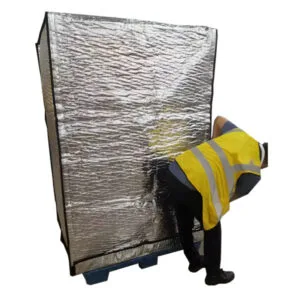
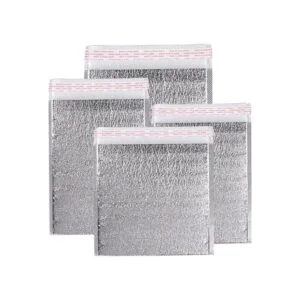
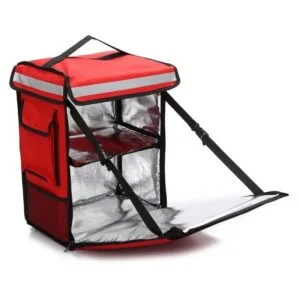
Tempk adalah a kemasan rantai dingin pemasok berfokus pada kemasan pengatur suhu praktis untuk makanan, obat, logistik, dan aplikasi pengiriman. Rangkaian produk kami meliputi Gel Ice Packs, Paket es kering, terisolasi kantong termal, EPP kotak pengiriman dingin, liner kotak terisolasi, penutup palet, dan bahan kemasan rantai dingin terkait. Untuk proyek kotak EPP, Tempk dapat membantu pembeli memikirkan kesesuaian produk, tata letak muatan, kompatibilitas cairan pendingin, kondisi penanganan, dan persyaratan pengemasan yang disesuaikan atau dapat digunakan kembali tanpa mengubah pilihan bahan menjadi janji kinerja yang tidak didukung. Tujuannya membantu pembeli berpindah dari kata kunci produk ke pilihan kemasan yang bisa diulas, diuji, dan diulangi.
Bagikan jenis ikan Anda, beban kotak, tinggi tumpukan, dan aliran pembersihan dengan Tempk sebelum memilih kotak EPP yang dapat ditumpuk.
Hal praktis lainnya adalah perilaku pekerja. Kotak EPP yang dapat ditumpuk untuk pengangkutan ikan ditangani oleh orang-orang yang berada dalam tekanan waktu. Jika kotaknya canggung untuk dibuka, sulit untuk ditutup, atau membingungkan untuk diidentifikasi, pekerja mungkin mengabaikan proses yang dimaksudkan. Desain kemasan yang baik mengurangi jumlah keputusan yang harus diambil staf selama pengepakan dan serah terima.
Pemetaan rute harus mencakup momen tenang, tidak hanya perjalanan kendaraan. Kotak yang dikemas mungkin menunggu di dekat dermaga, duduk di rak pementasan, atau tetap buka saat pekerja memeriksa pesanan. Periode pemaparan ini dapat berpengaruh pada pengangkutan ikan dan makanan laut yang kotak-kotaknya ditumpuk di dalam mobil van, kamar dingin, dermaga, dan daerah penerima ritel, terutama bila produk telah meninggalkan penyimpanan terkendali.
Untuk pembeli, spesifikasi kotak EPP harus dikaitkan dengan SOP. SOP harus menjelaskan bagaimana kotak dikondisikan jika diperlukan, bagaimana produk dan cairan pendingin diatur, bagaimana kotak yang dikembalikan dibersihkan, dan bagaimana unit yang rusak dihilangkan. Tanpa lapisan operasional itu, kinerja produk akan bervariasi menurut shift dan lokasi.
Tim kualitas sering kali mengajukan pertanyaan yang berbeda dengan tim pengadaan. Pengadaan mungkin fokus pada harga dan waktu tunggu, sementara kualitas menginginkan bukti, konsistensi, keterlacakan, dan mengubah kendali. Membawa kedua sudut pandang ke dalam tahap sampel mencegah perselisihan tahap akhir setelah kotak dipilih.
Jika kotak itu akan memuat ikan utuh, fillet, nampan makanan laut, Paket es, liner, lembaran penyerap, dan kemasan yang kompatibel dengan drainase, periksa apakah berbau, kondensasi, atau residu mungkin tertinggal setelah digunakan. Wadah yang dapat digunakan kembali tidak hanya harus bertahan di jalur tersebut; itu harus kembali ke kondisi yang nyaman bagi staf untuk menggunakannya lagi. Proses pembersihan harus realistis sesuai dengan jumlah kotak yang beredar.
Perencanaan inventaris juga penting. Kotak yang dapat digunakan kembali bergerak lebih lambat dibandingkan kemasan sekali pakai karena beberapa unit selalu digunakan, dalam transit kembali, dalam pembersihan, atau menunggu pemeriksaan. Kuantitas pembelian harus mencerminkan siklus tersebut, bukan hanya jumlah pengiriman harian. Pembeli harus membuat model sirkulasi sebelum melakukan program besar.
Label dan ketertelusuran patut mendapat perhatian. Area label yang halus, zona ID yang dibentuk, atau sistem kode warna dapat membantu pekerja mengidentifikasi kotak dengan cepat. Untuk program yang dapat dikembalikan, identifikasi sederhana dapat mengurangi kehilangan dan mempermudah pelacakan pembersihan, pemeliharaan, dan pensiun. Fitur-fitur ini harus direncanakan sebelum perkakas atau pemesanan massal jika memungkinkan.
Jangan mengabaikan penyimpanan. Sebuah kotak yang berkinerja baik di jalan mungkin akan merepotkan jika menghabiskan terlalu banyak ruang gudang atau tidak dapat ditumpuk dengan aman saat kosong.. Pertimbangkan untuk membuat sarang, menumpuk, kesesuaian palet, dan tinggi rak serta kebutuhan termal dan bantalan. Kesesuaian operasional dimulai sebelum kiriman meninggalkan gedung.
Proses pembelian terkuat bersifat berulang. Pilih ukuran yang memungkinkan, meminta sampel, uji mereka dengan paket nyata, mengumpulkan umpan balik pekerja, sesuaikan spesifikasinya, dan kemudian skala. Pendekatan ini membutuhkan lebih banyak usaha daripada memesan dari daftar, namun hal ini mengurangi kemungkinan membeli kotak dalam jumlah besar yang tidak sesuai untuk penggunaan sehari-hari.