Cara Menentukan Pemasok Paket Es Kering untuk Pengiriman Makanan Laut
Tuliskan keputusan penerimaan sebelum menulis spesifikasi cairan pendingin. Satu langkah itu menjaga pemasok es kering paket untuk pengiriman makanan laut yang terhubung dengan makanan laut dan bukan dengan klaim durasi umum. Pembeli harus mengetahui kondisi apa yang dapat diterima pada saat kedatangan, bagaimana hal itu akan diperiksa, dan apa yang terjadi setelah penyimpangan. Hanya dengan begitu tim dapat memilih di antara lembaran beku yang terhidrasi, paket gel, PCM, es basah, pendinginan aktif, atau karbon dioksida padat sebenarnya. Sumber dingin ini tidak dapat dipertukarkan, dan tidak ada yang menggantikan sistem pengemasan dan keamanan pangan yang lengkap.
Desain Mundur dari Penerimaan
Penerima tidak dapat menilai “cukup dingin”. Perjanjian pengiriman harus menjelaskan produk, keadaan yang diperlukan, inspeksi, catatan, dan wewenang untuk disposisi.
Mulailah dengan spesies, bentuk produk, keadaan pemrosesan, dan paket utama. Nyatakan apakah makanan laut sudah dingin, beku, matang, siap untuk dimakan, dikemas dengan oksigen tereduksi, atau hidup. Rencana HACCP dan persyaratan yang berlaku menentukan bahaya dan pengendalian yang relevan. Panduan makanan laut FDA, Misalnya, mengatasi penyalahgunaan waktu-suhu dalam kaitannya dengan pertumbuhan patogen dan pembentukan histamin untuk produk yang rentan. Panduan Codex membedakan makanan laut dingin dalam kondisi mendekati pencairan es dengan produk beku.
Tentukan suhu dan kondisi produk saat pengiriman. Pengemasan pasif yang dirancang untuk mempertahankan keadaan tetap tidak boleh diminta untuk menghilangkan panas lapangan atau proses yang tidak terkendali. Catat berapa lama produk dapat disimpan di tempat pengepakan dan area pementasan.
Saat diterima, pemeriksaan mungkin termasuk identitas pengiriman, keamanan, integritas paket, kebocoran, waktu kedatangan, suhu sesuai dengan metode yang disetujui, status logger di mana digunakan, dan bukti pembekuan atau pencairan. Atribut kualitas seperti tekstur, menetes, mengacai, bau, dan penampilan paket juga penting. Kriteria pastinya harus spesifik pada produk.
Disposisi harus mengikuti proses yang terdokumentasi. Pembacaan sensor tunggal, sisa bungkus beku, atau observasi pengemudi bukanlah keputusan keselamatan universal. Personel keamanan atau mutu pangan yang berwenang harus mengevaluasi riwayat waktu dan suhu, produk, kemasan, rencana HACCP, dan bukti lainnya.
Setelah kebutuhan penerima jelas, memetakan mundur melalui ambang pintu tinggal, mil terakhir dari, depot, perpindahan melalui udara atau jalan raya, bea cukai, tangkapan garis, menjemput, dan pementasan. Hal ini menunjukkan di mana paket pasif memerlukan margin dan di mana perbaikan operasional mungkin lebih baik.
Buat Keputusan Pendingin Eksplisit
Ungkapan “keran es kering” harus diganti dengan identitas teknis dalam spesifikasi.
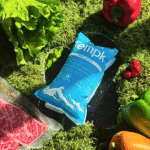
Lembaran hidrat diaktifkan dengan air dan dibekukan. Ini dapat menyesuaikan diri dengan muatan dan dapat mengurangi massa penyimpanan masuk sebelum hidrasi. Massanya sudah jadi, ukuran, dan perilaku pendinginan bergantung pada proses aktivasi dan pengkondisian.
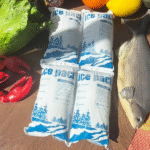
Paket gel yang telah diisi sebelumnya siap untuk dikondisikan dan menawarkan pengisian yang terkontrol, tetapi ia menempati penyimpanan masuk dan menambah massa transportasi. Perilaku fasenya bergantung pada formulasi.
Paket PCM yang direkayasa menggunakan media perubahan fase yang diformulasikan. Ini dapat dipilih untuk mendukung desain termal yang ditentukan, tetapi titik transisinya tidak sama dengan suhu muatan dan harus dikondisikan seperti yang ditentukan.
Karbon dioksida padat sebenarnya adalah es kering. Pada tekanan atmosfer, ia menyublim pada suhu sekitar −78,5°C dan melepaskan gas. Ini mungkin cocok untuk beberapa sistem yang dibekukan, tapi bisa membekukan makanan laut dingin, bahan kerusakan, melukai pekerja, dan menciptakan akumulasi karbon dioksida yang berbahaya. Paket harus melampiaskan, dan kargo udara dapat diatur berdasarkan PBB 1845.
Es basah atau pendinginan aktif mungkin tetap sesuai di beberapa rantai makanan laut. Pengadaan tidak boleh memaksakan setiap rute ke dalam larutan kemasan beku hanya karena kategori itulah yang diambil.
| Pertanyaan keputusan | Jika jawabannya tidak jelas | Diperlukan tindakan selanjutnya |
|---|---|---|
| Apakah makanan lautnya dingin, beku, hidup, atau dikendalikan dengan cara lain? | Pendingin tidak dapat dipilih secara bertanggung jawab | Kembali ke spesifikasi produk dan pemilik HACCP |
| Apakah “bungkus es kering” adalah karbon dioksida padat? | Cakupan keselamatan dan transportasi tidak diketahui | Memperoleh informasi komposisi dan klasifikasi |
| Bisakah paket tersebut menghubungi paket makanan utama? | Dingin, abrasi, dan risiko material tidak diketahui | Tentukan penghalang dan tinjau dokumentasi kontak |
| Bisakah operasi mereproduksi pengondisian? | Hasil pengujian mungkin tidak ditransfer ke produksi | Mengembangkan dan memverifikasi proses freezer dan stasiun pengepakan |
| Apakah rute tersebut termasuk pengiriman paket loop terbuka? | Asumsi penggunaan kembali dan penundaan mungkin tidak realistis | Penerimaan model gagal dan penanganan di akhir masa pakainya |
| Apakah bukti sesuai dengan kotak dan muatan yang diusulkan? | Klaim waktu tunggu tidak berlaku | Jalankan pengujian sistem yang representatif |
Tabel keputusan ini mengubah ketidakpastian menjadi pekerjaan, bukan membiarkannya menjadi klaim yang tidak didukung dalam pesanan pembelian.
Kunci Arsitektur Paket dan Buktikan
Paket lengkap membutuhkan struktural, kelembaban, panas, dan fungsi komunikasi. Tetapkan masing-masing dengan sengaja.
Kemasan makanan laut primer harus berisi produk dan cairan yang diharapkan dalam penanganan. Penahan sekunder dan penyerap dapat melindungi isolasi dan karton luar dari tetesan, kondensasi, es mencair, atau kebocoran cairan pendingin. Isolasi memperlambat aliran panas. Pendingin menyerap panas. Spacer mengontrol kontak dingin dan abrasi. Perawatan void membatasi pergerakan dan sirkulasi udara yang tidak diinginkan. Paket luar memberikan kekuatan, penutup, Label, dan menangani informasi.
Setiap lapisan mengubah perilaku termal. Pemisah yang tebal mengurangi suhu dingin langsung tetapi juga memperlambat pergerakan panas menuju cairan pendingin. Lapisan kedap air dapat mengandung cairan tetapi dapat memerangkap udara atau menghalangi drainase yang diinginkan. Bantalan penyerap dapat bergeser selama pengangkutan. Detail ini termasuk dalam gambar paket dan pengujian.
Uji coba pengembangan harus menggunakan berbagai sensor untuk menemukan suhu ekstrem hangat dan dingin. Uji di dekat tutupnya, dinding, sudut, antarmuka pendingin, dan pusat muatan berdasarkan geometri. Amati kondensasi, kekuatan karton, kebocoran, pergerakan, kondisi label, dan kualitas makanan laut serta suhu.
Pengujian formal harus mengidentifikasi secara pasti wadah terisolasi, model pendingin dan hitungannya, pengkondisian, muatan atau simulasi yang dibenarkan, keadaan awal produk, pengisian minimum dan maksimum, urutan paket, penutup, profil lingkungan, lamanya, peta sensor, dan kriteria penerimaan. Profil parsel standar seperti ISTA 7E dapat mendukung evaluasi terstruktur, namun risiko rute mungkin menjadi alasan tambahan tantangan musiman atau jalur.
Untuk es kering sebenarnya, kualifikasi harus menetapkan kuantitas dan penempatan tanpa bergantung pada tingkat sublimasi universal. Membentuk, isolasi, paparan lingkungan, kebocoran paket, kekosongan, dan membuka semua pengaruh terhadap konsumsi. Paket tersebut harus melepaskan gas dan tetap stabil secara struktural saat zat pendingin hilang.
Bracketing memerlukan pertimbangan yang cermat. Pesanan minimum mungkin lebih cepat panas karena massa termalnya lebih sedikit. Urutan maksimum dapat membatasi penempatan cairan pendingin. Paket makanan laut yang berbeda dapat memiliki area kontak yang berbeda bahkan pada massa yang sama. Dokumentasikan mengapa beban uji yang dipilih mewakili rentang operasi.
Menyetujui Pemasok untuk Produksi, Bukan Sekadar Sampel
Sampel buatan tangan yang bagus tidak membuktikan konsistensi yang besar. Persetujuan pemasok harus menghubungkan item yang dievaluasi dengan produksi yang dikendalikan.
Alat pengambilan keputusan yang berguna
Periksa detailnya sebelum Anda memilih kemasan
Alat cepat ini dapat membantu Anda membandingkan risiko rute, kebutuhan ukuran, pilihan pendingin, dan detail kemasan sebelum Anda meminta penawaran.
Kalkulator Es Kering
Perkirakan kebutuhan es kering untuk pengiriman beku atau sangat dingin sebelum pengepakan.
Perkirakan es keringKetahanan Jatuh Bahan Isolasi
Tinjau ketahanan jatuh dan faktor penanganan sebelum memilih bahan insulasi.
Periksa resistensiPemilih Kemasan
Bandingkan opsi kemasan berinsulasi berdasarkan produk, rute, dan kebutuhan suhu.
Temukan kemasannyaMinta spesifikasi atau gambar dengan kode produk, kategori pendingin, ukuran, massa dan toleransi, pola sel jika relevan, konstruksi film atau cangkang, desain segel, pengkondisian, penyimpanan, dan menangani. Dapatkan informasi material dan kontak makanan yang sesuai dengan pasar dan skenario kontak yang dituju. Kata-kata “aman pangan” yang luas tidak boleh menggantikan tinjauan dokumen.
Untuk lembaran hidrat, file tersebut harus menjelaskan aktivasi, drainase, kondisi selesai, dan apakah pemotongan diperbolehkan. Untuk paket yang dapat digunakan kembali, itu harus membahas inspeksi, kompatibilitas pembersihan, penyimpanan, dan pensiun. Untuk es kering padat, ia harus memberikan informasi keselamatan dan klasifikasi sambil menyerahkan persiapan pengiriman kepada pihak yang berwenang.
Menilai pengendalian manufaktur yang relevan dengan risiko: identitas materi, dosis pengisian atau penyerap, penyegelan, pemeriksaan dalam proses, kriteria kebocoran, banyak pengkodean, melepaskan, ketidaksesuaian, dan ketertelusuran. Pembeli mungkin tidak memerlukan setiap detail proses kepemilikan, namun diperlukan keyakinan bahwa unit produksi tetap sebanding dengan unit yang diuji.
Buat pemeriksaan sampel-ke-produksi. Simpan referensi, menggambar, foto, dimensi kunci, dan massa terkondisi atau pengukuran kritis lainnya. Bandingkan lot massal awal dan atur pemeriksaan masuk. Keluhan harus dapat ditelusuri ke pemasok dan pihak pengiriman.
Perjanjian pasokan harus membahas pemberitahuan perubahan. Film, perumusan, penyerap, pola segel, ukuran, perkakas, proses, metode pengujian, atau lokasi produksi dapat mempengaruhi kualitas desain. Perubahan kotak ditanggung pembeli sendiri, liner, muatan, rute, atau penempatan paket perlu disiplin yang sama.
Topik komersial—MOQ, waktu tunggu, ramalan, paletisasi, cetak khusus, kontinuitas pasokan, dan sumber alternatif—harus diselesaikan setelah identifikasi teknis. Seorang pengganti harus memasukkan tinjauan kesetaraan yang terdokumentasi daripada substitusi otomatis.
Operasikan Sistem dan Tingkatkan dengan Bukti
Paket tersebut harus bertahan dalam shift yang sibuk. Ubah desain yang memenuhi syarat menjadi instruksi kerja visual yang menunjukkan jumlah paket yang tepat, orientasi, pemisah, penempatan makanan laut, kendali kosong, penutup, dan label. Gunakan instruksi terpisah untuk ukuran atau muatan kotak yang berbeda secara material.
Pengkondisian adalah langkah yang terkendali. Tentukan hidrasi jika memungkinkan, pengaturan rak freezer, beban batch, orientasi, kesiapan, waktu pemaparan selama perakitan, dan penolakan. Tampilan udara freezer tidak membuktikan tumpukan kemasan yang padat membeku secara merata. Pantau atau verifikasi proses pada tingkat yang dibenarkan oleh risiko.
Latih staf untuk mengenali beberapa kesalahan yang paling penting: menggunakan paket yang salah, sel lipat, menghilangkan pemisah, menempatkan bungkusan yang bocor, memuat makanan laut hangat, dan mengganti karton yang tidak disetujui. Beri mereka jalur karantina yang jelas sehingga bahan yang ditolak tidak dikembalikan ke stok.
Untuk loop yang dapat digunakan kembali, memisahkan aset yang dikembalikan dan dilepaskan. Bersihkan atau sanitasi seperlunya, kering, memeriksa, memperbaiki, dan mencatat pensiun. Periksa bau, noda, tusukan, kerusakan jahitan, batu bata yang terdistorsi, dan penutupan kontainer. Ukur keuntungan dan kerugian aktual.
Data rutin harus memperbaiki rute. Tautkan hasil pengiriman ke versi paket, produk, muatan, banyak komponen jika berguna, pembawa, dan musim. Selidiki lokasi hangat yang berulang, kondensasi, kerusakan dingin, dan kesalahan pengepakan sebelum menambah cairan pendingin. Penutupan yang lebih kuat, tempat tinggal dermaga yang lebih pendek, atau beban freezer yang lebih baik dapat menyelesaikan masalah dengan bahan yang lebih sedikit.
Keberlanjutan harus dinilai berdasarkan kinerja penyampaian secara keseluruhan. Lembaran hidrat menukar massa yang masuk dengan air lokal, pembekuan, dan tenaga kerja. Paket yang dapat digunakan kembali memperdagangkan persediaan sekali pakai untuk dikembalikan, pembersihan, dan kerugian. Es kering menghindari air yang mencair tetapi membutuhkan produksi, Subledlimates, dan menambahkan kontrol keamanan. Bandingkan sistem yang memenuhi persyaratan produk yang sama dan laporkan aktualnya, bukan teoritis, digunakan kembali dan dibuang.
Kepatuhan yang diterapkan masih lebih luas dibandingkan kemasan. Di Amerika Serikat, persyaratan HACCP makanan laut dan transportasi sanitasi dapat mengatur bagian-bagian operasi tergantung pada peran dan produk. Pasar lain punya makanannya sendiri, mengangkut, keselamatan pekerja, bahan, dan aturan limbah. Pemasok menyediakan komponen; bisnis makanan mengendalikan sistem.
Pertanyaan yang sering diajukan
Apa yang harus disertakan dalam pertanyaan pemasok pertama?
Sertakan spesies atau kategori makanan laut, keadaan produk, paket utama, kondisi pengiriman, jangkauan muatan, kotak terisolasi, rute dan serah terima, penundaan yang kredibel, kriteria penerimaan, peralatan pengkondisian, pengaturan kontak, dan model sekali pakai atau model yang dapat dikembalikan. Mintalah kode produk dan daftar dokumen yang tepat. Identifikasi juga volume pesanan yang diharapkan, waktu tunggu, dan kebutuhan pemberitahuan perubahan.
Bisakah lembaran terhidrasi menggantikan es basah di dalam kotak ikan dingin??
Mungkin, tetapi sistem berperilaku berbeda saat bersentuhan, kelembaban, perpindahan panas, dan menangani. HACCP dan persyaratan produk, drainase, bahan paket, penempatan cairan pendingin, dan rute harus dinilai. Uji pengganti yang dimaksudkan daripada berasumsi bahwa massa yang sama memberikan perlindungan yang sama. Perbandingan tersebut juga harus mempertimbangkan prosedur penanganan dan pembuangan penerima.
Bagaimana kerusakan dingin dapat dideteksi selama kualifikasi?
Tempatkan sensor di dekat antarmuka cairan pendingin serta titik hangat, kemudian periksa makanan laut yang mewakili untuk pembekuan, perubahan tekstur, menetes, perubahan warna, atau kerusakan paket dengan metode yang disetujui. Beberapa efek kualitas mungkin menjadi lebih jelas setelah periode pemulihan tertentu. Dokumentasikan kriteria penilaian sebelum pengujian sehingga hasilnya diinterpretasikan secara konsisten.
Kapan es kering sebenarnya merupakan pilihan yang salah?
Tidak pantas bila produk atau kemasan tidak tahan terhadap suhu dingin, ketika gas tidak dapat dilepaskan dengan aman, ketika pekerja atau penerima tidak dapat mengelolanya, ketika aturan operator tidak dapat dipenuhi, atau ketika sistem yang tidak terlalu menuntut dapat memenuhi persyaratan yang telah diverifikasi. Keputusan tersebut harus didokumentasikan.
Apakah data pengujian pemasok menghilangkan kebutuhan akan uji coba pembeli?
Tidak, kecuali jika mencakup konfigurasi persis yang disetujui pembeli dan diterima berdasarkan proses kualitas pembeli. Data pemasok sangat berharga untuk penyaringan dan desain. Perbedaan dalam kotak, muatan, pengkondisian, rute, penempatan sensor, atau kriteria biasanya memerlukan konfirmasi yang representatif. Pembeli harus mencatat alasan klaim kesetaraan yang diterima.
Kesimpulan
Paket makanan laut terbaik dimulai saat diterima dan berjalan mundur. Tentukan kondisi produk yang dapat diterima, mengidentifikasi cairan pendingin tanpa nama yang ambigu, desain untuk panas dan kelembaban, dan buktikan arsitektur lengkapnya. Kemudian pertahankan melalui kontrol pemasok, pengkondisian, instruksi kerja, pemantauan, dan manajemen perubahan.
Metode ini menghindari dua kesalahan umum: memperlakukan setiap produk makanan laut sebagai kargo beku dan memperlakukan setiap lembaran beku sebagai es kering. Hal ini juga menciptakan dasar praktis untuk pengambilan keputusan mengenai biaya dan keberlanjutan karena semua kandidat harus melakukan tugas penyampaian yang sama.
Tentang tempk
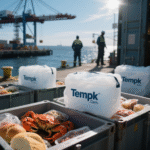
Tempk memasok secara publik menghidrasi paket es kering, Paket gel, batu bata es, Dan kemasan terisolasi format yang digunakan dalam logistik makanan laut. Kisaran tersebut memberi pembeli beberapa geometri dan model pengoperasian untuk dinilai sambil mempertahankan perbedaan yang jelas antara pendingin yang dapat digunakan kembali atau terhidrasi dan karbon dioksida padat.. Tempk dapat mendukung identifikasi produk, sampel, dan diskusi format massal; persetujuan pengemasan tetap terikat pada HACCP bisnis makanan laut tersebut, rute, dan program pengujian.
Kirimkan kepada Tempk spesifikasi yang dipimpin penerima, termasuk negara makanan laut, muatan, kotak, rute, pengkondisian, kontrol kelembaban, dan metode penerimaan. Mintalah dokumen produk yang tepat dan lot sampel yang dapat dilacak sebelum menetapkan pesanan pembelian produksi.