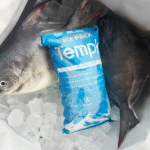
Rantai Dingin Pasokan: Bagaimana Mengoptimalkan Efisiensi di 2025
Rantai pasokan modern semakin menyerupai sistem peredaran darah untuk obat-obatan penyelamat nyawa dan makanan segar. Milikmu rantai pasokan dingin adalah jaringan proses yang dikontrol suhunya yang menjaga barang-barang yang mudah rusak tetap aman dan layak, dan kepentingannya telah meningkat tajam karena pasar rantai dingin global diperkirakan akan berkembang dari sekitar USD 454.48 miliar masuk 2025 ke USD 776.01 miliar oleh 2029. Dalam panduan ini Anda akan mempelajari cara membangun ketahanan, rantai pasokan dingin yang efisien dan berkelanjutan, dengan wawasan segar dari 2025 riset pasar dan contoh dunia nyata.

Apa yang dimaksud dengan rantai pasokan dingin dan mengapa hal itu penting? – mencakup definisi, komponen utama dan rentang suhu untuk produk makanan dan farmasi.
Teknologi apa yang mendorong efisiensi rantai pasokan dingin 2025? – menjelajahi sensor IoT, Ai, blockchain, otomasi dan sistem tenaga surya.
Bagaimana Anda dapat mengoptimalkan rantai pasokan dingin untuk operasi makanan dan farmasi? – strategi praktis, tip pengemasan dan pendekatan pemantauan.
Tren pasar apa yang harus Anda perhatikan? – analisis pendorong pertumbuhan, tren tenaga kerja, paten dan pusat geografis utama.
Mengapa keberlanjutan dan kepatuhan sangat penting dalam 2025? – mengatasi persyaratan peraturan, efisiensi energi dan kemasan ramah lingkungan.
Apa yang dimaksud dengan rantai pasokan dingin dan mengapa hal itu penting?
Rantai pasokan dingin adalah serangkaian aktivitas logistik yang dikontrol suhunya, menyimpan dan mengangkut barang-barang yang mudah rusak seperti makanan, obat-obatan dan bahan kimia. Dengan menjaga suhu yang tepat dari asal hingga tujuan, dia mencegah pembusukan dan melindungi kesehatan masyarakat. Ketika suhu menyimpang di luar kisaran yang dapat diterima – misalnya buah-buahan membutuhkan 0–5 °C, vaksin 2–8 °C, makanan beku di bawah −18 °C dan produk susu 1–3 °C – produk cepat rusak. Rantai pasokan dingin yang kuat menjaga kualitas, meminimalkan limbah dan memastikan kepatuhan terhadap peraturan.
Mengapa integritas rantai dingin sangat penting
Mempertahankan integritas suhu membawa manfaat nyata:
Mengurangi kehilangan dan pemborosan – Pendinginan dan penyimpanan yang tepat memperpanjang umur simpan dan mengurangi pembusukan. Organisasi Pangan dan Pertanian mencatat bahwa barang-barang yang mudah rusak mewakili sebagian besar perdagangan pangan global; mengendalikan suhu mencegah kerugian miliaran dolar.
Peningkatan kesehatan masyarakat – Menyimpan obat-obatan dan vaksin dalam kisaran suhu yang tepat akan menjaga potensinya. Vaksin mRNA, Misalnya, harus disimpan di antaranya –70 °C dan –80 °C.
Kepatuhan terhadap peraturan – Badan-badan seperti WHO dan FDA memerlukan kemampuan penelusuran dan pengendalian suhu yang terdokumentasi. Sensor real-time dan pencatatan data membantu membuktikan bahwa standar telah dipenuhi.
Perlindungan merek – Satu kegagalan rantai dingin dapat merusak reputasi. Berinvestasi dalam pemantauan dan pelatihan mengurangi penarikan kembali dan melindungi kepercayaan pelanggan.
Komponen rantai pasokan dingin
Rantai dingin terdiri dari beberapa elemen yang saling terkait:
Sistem pendingin – Menurunkan suhu produk dengan cepat menggunakan teknologi seperti blast freezer, nitrogen cair dan wadah berpendingin. Pendinginan cepat mencegah pertumbuhan mikroba dan menstabilkan kualitas produk.
Fasilitas penyimpanan dingin – Gudang berpendingin dan ruang pendingin dengan pendinginan dan isolasi canggih menampung produk sebelum didistribusikan. Perawatan rutin memastikan suhu yang konsisten.
Transportasi dingin – Truk berpendingin, kapal dan pesawat terbang yang dilengkapi dengan unit pendingin di dalamnya memindahkan barang dalam jarak jauh. Pemuatan dan penanganan yang tepat meminimalkan masuknya panas dan getaran.
Pemantauan dan pencatatan data – Sensor IoT, Tag RFID dan suhu pelacakan perangkat lunak, kelembaban dan lokasi secara real time. Pemantauan berkelanjutan memungkinkan intervensi cepat ketika terjadi penyimpangan.
Komponen-komponen ini berinteraksi untuk menjaga integritas produk selama penyimpanan dan transit.
Meja: Kisaran suhu yang disarankan untuk barang-barang umum
| Kategori produk | Suhu yang disarankan | Alasan | Dampaknya bagi Anda |
| Buah & sayuran | 0–5 °C (32–41 °F) | Memperlambat pematangan, menghambat pertumbuhan mikroba dan mengurangi limbah. | Mencegah pembusukan dan memaksimalkan kesegaran. |
| Farmasi | 2–8 ° C. (35.6–46,4 °F) | Mempertahankan potensi dan memastikan administrasi yang aman. | Melindungi kemanjuran dan kepatuhan vaksin. |
| Makanan beku | Di bawah –18 °C (0 ° f) | Mencegah pencairan, pertumbuhan bakteri dan kerusakan tekstur. | Mempertahankan kualitas selama penyimpanan atau pengangkutan yang lama. |
| Produk susu | 1–3 °C (34–38 °F) | Menjaga susu dan keju tetap segar dengan menghambat mikroorganisme pembusuk. | Menjaga rasa dan keamanan bagi konsumen. |
| Hidangan laut | Sekitar 0 ° C. (32 ° f) | Menjaga kualitas dan mencegah pembusukan yang cepat. | Memastikan makanan laut tetap aman dan dapat dipasarkan. |
Kiat praktis untuk menjaga integritas rantai dingin
Sesuaikan kemasan dengan sensitivitas produk – Gunakan panel insulasi vakum atau bahan pengubah fasa untuk produk yang tidak tahan terhadap perubahan suhu. Pengemasan yang tepat mengurangi kondensasi dan mencegah kerusakan akibat pembekuan.
Menerapkan pemantauan berkelanjutan – Menyebarkan sensor IoT dan pencatat data dengan peringatan otomatis untuk merespons penyimpangan dengan cepat.
Latih staf dalam menangani – Bongkar muat yang benar meminimalkan guncangan suhu selama pengangkutan.
Rencanakan rute dengan hati-hati – Optimalisasi rute bertenaga AI mengurangi waktu perjalanan dan menjaga integritas suhu.
Berinvestasi dalam analisis prediktif – Pemeliharaan prediktif mendeteksi kegagalan peralatan sebelum menyebabkan waktu henti yang mahal.
Contoh kasus: Selama pandemi COVID19, distribusi vaksin mRNA memerlukan logistik ultradingin. Meski ada pembatasan pergerakan, perusahaan menggunakan freezer kriogenik portabel dan analisis prediktif untuk menjaga kemanjuran vaksin. Pengalaman ini mempercepat investasi pada infrastruktur rantai dingin dan pemantauan tingkat lanjut.
Teknologi apa yang mendorong efisiensi rantai pasokan dingin 2025?
Operasi rantai pasokan dingin berkembang pesat. Di dalam 2025 beberapa teknologi mengubah cara perusahaan mengelola dan memantau barang-barang yang sensitif terhadap suhu:
Sensor IoT dan visibilitas waktu nyata
Internet of Things (IoT) perangkat, termasuk sensor suhu, Pelacak GPS dan monitor kelembaban, memberikan data yang berkesinambungan tentang kondisi produk. Sensor ini mengirimkan informasi ke platform cloud tempat analitik mendeteksi penyimpangan dan memicu peringatan. Pemantauan IoT menjadi penting setelah perubahan peraturan seperti ini FSMA 204 aturan, yang memerlukan catatan ketertelusuran yang rinci untuk pangan berisiko tinggi 2026. Laporan pengguna awal pengurangan kehilangan produk hingga 30% berkat aliran data waktu nyata. Dengan berinvestasi di IoT, Anda dapat mengikuti tur suhu sebelum menjadi penarikan yang mahal.
Kecerdasan buatan dan analisis prediktif
Algoritme AI menganalisis data historis dan realtime untuk memperkirakan permintaan, mengoptimalkan rute dan menjadwalkan pemeliharaan. Dalam operasi rantai pasokan dingin, AI dapat mengubah rute kendaraan di tengah gangguan lalu lintas atau cuaca, mengurangi waktu transit dan konsumsi bahan bakar. Menurut analisis industri, Pengoptimalan rute yang digerakkan oleh AI mengurangi penggunaan bahan bakar dan meningkatkan keandalan pengiriman. Menggabungkan AI dengan sensor IoT memungkinkan pemeliharaan prediktif: model mengidentifikasi potensi kegagalan peralatan, memungkinkan servis proaktif dan mengurangi waktu henti.
Blockchain untuk transparansi dan keamanan
Teknologi Blockchain menciptakan catatan data suhu yang tahan terhadap kerusakan, riwayat pengiriman dan peristiwa lacak balak. Karena data didistribusikan ke seluruh buku besar, pemangku kepentingan dapat memverifikasi bahwa barang tetap berada dalam kisaran aman selama transit, memperkuat kepatuhan dan kepercayaan. Di sektor farmasi, blockchain melacak pengiriman vaksin dari ujung ke ujung, mengurangi risiko pemalsuan dan memfasilitasi audit. Mengintegrasikan blockchain dengan sensor GPS dan IoT meningkatkan ketertelusuran dan menyederhanakan investigasi penarikan kembali.
Otomasi dan robotika
Otomatisasi dan robotika mengurangi kekurangan tenaga kerja dan menurunkan biaya. Tentang 80 % gudang tetap tidak terotomatisasi, memberikan potensi pertumbuhan yang sangat besar. Sistem penyimpanan dan pengambilan otomatis (AS/RS) beroperasi terus menerus, meningkatkan throughput dan mengurangi kesalahan, sementara sistem pembuatan palet robotik dan kendaraan berpemandu otomatis (AGV) menjaga kontrol suhu yang konsisten di gudang. Saat robot mengambil alih tugas yang berulang, staf dapat fokus pada aktivitas bernilai lebih tinggi seperti kontrol kualitas dan layanan pelanggan.
Pendinginan bertenaga surya dan energi terbarukan
Konsumsi energi menyumbang sebagian besar biaya operasional rantai dingin. Unit penyimpanan dingin bertenaga surya menghasilkan daya sebesar 3,2–15,5 sen per kWh, dibandingkan dengan AS. rata-rata dari 13.10 sen masuk 2024. Tata surya mengurangi ketergantungan pada jaringan listrik yang tidak dapat diandalkan, terutama di daerah pedesaan. Perusahaan-perusahaan di Asia Tenggara menggunakan pendingin tenaga surya untuk melayani masyarakat terpencil dan mengurangi limbah makanan. Mengintegrasikan energi terbarukan dengan penyimpanan baterai memungkinkan pengoperasian rantai dingin bahkan selama pemadaman jaringan listrik.
Freezer kriogenik portabel
Kemajuan dalam kriogenik memungkinkan penyimpanan dan pengangkutan bahan biologis dan terapi sel di –80 °C hingga –150 °C. Freezer kriogenik portabel menyediakan pelacakan suhu waktu nyata dan pemberitahuan peringatan, memungkinkan rantai pasokan ultracold untuk klinik terpencil dan lokasi penelitian. Perangkat ini mendukung semakin banyaknya terapi gen dan obat-obatan yang dipersonalisasi yang memerlukan kontrol suhu yang ketat.
Meja: Teknologi utama yang mengubah rantai pasokan dingin
| Teknologi | Cara kerjanya | Manfaat praktis | Kata kunci ekor panjang |
| Sensor IoT dan pelacakan GPS | Perangkat jaringan memantau suhu, kelembaban dan lokasi secara real time. | Mencegah pembusukan dengan mengingatkan operator akan adanya penyimpangan; mendukung FSMA 204 kepatuhan. | pemantauan IoT rantai dingin |
| AI dan analisis prediktif | Algoritma menganalisis data historis untuk memperkirakan permintaan dan mengoptimalkan rute. | Mengurangi biaya bahan bakar dan waktu henti; meningkatkan akurasi pengiriman. | Pengoptimalan rute AI untuk rantai dingin |
| Ketertelusuran Blockchain | Buku besar yang terdistribusi mencatat peristiwa suhu dan rantai hak asuh. | Memastikan integritas data; menyederhanakan audit dan kepatuhan terhadap peraturan. | ketertelusuran rantai dingin blockchain |
| Otomasi dan robotika | Sistem penyimpanan dan pengambilan otomatis serta pembuatan palet robotik menangani barang. | Meningkatkan throughput dan mempertahankan suhu yang konsisten; mengurangi biaya tenaga kerja. | sistem penyimpanan dingin otomatis |
| Penyimpanan dingin bertenaga surya | Panel fotovoltaik dan unit pendingin daya baterai. | Memotong biaya energi; memperluas jangkauan rantai dingin di daerah pedesaan. | solusi rantai dingin surya |
| Freezer kriogenik portabel | Unit seluler mempertahankan suhu sangat dingin (–80 °C hingga –150 °C) dengan pelacakan waktu nyata. | Memungkinkan transportasi biologis dan terapi gen yang aman ke lokasi terpencil. | freezer kriogenik portabel untuk biologi |
Saran praktis untuk mengadopsi teknologi
Nilai infrastruktur Anda saat ini – Mengidentifikasi kesenjangan dalam pemantauan, penyimpanan dan transportasi. Berinvestasilah pada sensor dan analitik yang dapat ditingkatkan seiring pertumbuhan Anda.
Percontohan optimasi rute AI – Mulailah dengan satu rute atau wilayah. Ukur penghematan bahan bakar dan kinerja pengiriman, kemudian diperluas secara bertahap.
Terapkan blockchain secara bertahap – Mulailah dengan pengiriman bernilai tinggi atau berisiko tinggi. Berkolaborasi dengan mitra dan regulator untuk menstandardisasi format data【426828969811231†L356-L363】.
Kombinasikan energi terbarukan dengan peningkatan efisiensi – Pendinginan tenaga surya bekerja paling baik bila dikombinasikan dengan isolasi hemat energi dan manajemen baterai cerdas.
Latih tim Anda tentang alat baru – Adopsi teknologi memerlukan manajemen perubahan. Memberikan pelatihan tentang dashboard pemantauan, analitik prediktif dan antarmuka blockchain.
Kasus nyata: Sebuah startup yang menggunakan pendingin alami mendapatkan putaran pendanaan sebesar USD 56.2 juta dan mengembangkan kontainer ringan dengan sensor IoT. Perusahaan dengan cepat merebut pangsa pasar dengan menawarkan produk yang berkelanjutan, solusi berbasis data.
Bagaimana Anda dapat mengoptimalkan rantai pasokan dingin untuk operasi makanan dan farmasi?
Berbagai sektor mempunyai persyaratan rantai dingin yang unik. Logistik pangan harus menjaga rasa dan kualitas gizi, sementara obat-obatan memerlukan kontrol suhu yang tepat dan kepatuhan yang ketat.
Makanan: Kesegaran, variasi dan pengiriman lastmile
Permintaan segar, produk organik dan nabati meningkat. Pasar rantai pendingin makanan Amerika Utara saja diperkirakan akan tercapai USD 86.67 miliar masuk 2025. Makanan nabati dapat menjelaskan hal ini 7.7 % pasar protein global oleh 2030. Untuk memenuhi tuntutan tersebut:
Pertahankan rentang suhu yang sesuai: Buah, sayuran dan produk susu memerlukan kontrol yang ketat (0–5 °C, 1–3 °C).
Gunakan kemasan khusus: Dapat didaur ulang wadah terisolasi dan pembungkus biodegradable membantu mengurangi limbah sekaligus melindungi produk.
Memperluas infrastruktur lastmile: Pusat pemenuhan mikro dan transportasi dingin khusus memungkinkan pengiriman cepat dan mengurangi perubahan suhu.
Pantau tren konsumen: Media sosial dan perubahan gaya hidup mendorong permintaan akan produk-produk eksotis dan perlengkapan makan; menyelaraskan kapasitas rantai pasokan.
Farmasi: Presisi, kepatuhan dan penyimpanan ultracold
Sektor farmasi adalah salah satu segmen rantai dingin yang tumbuh paling cepat. Dua puluh persen obat baru merupakan terapi gen atau sel yang memerlukan suhu antara –80 °C hingga –150 °C. Itu rantai dingin farmasi pasar diperkirakan akan tercapai USD 1.454 triliun sebesar 2029. Untuk mengoptimalkan rantai pasokan ini:
Gunakan freezer kriogenik portabel dan wadah ultradingin – Ini menjaga suhu ekstrim yang diperlukan untuk terapi gen.
Menerapkan sensor blockchain dan IoT – Blockchain menyediakan catatan anti kerusakan, sementara sensor IoT mengirimkan data suhu dan lokasi secara real-time.
Memastikan kepatuhan terhadap Praktik Distribusi yang Baik (PDB) – Kerangka peraturan memerlukan pengendalian suhu yang terdokumentasi dan pengemasan yang tervalidasi.
Rencanakan pemeliharaan prediktif dan kontinjensi – Gunakan AI untuk memperkirakan kegagalan peralatan dan mengidentifikasi rute alternatif jika terjadi penundaan.
Strategi bersama untuk makanan dan farmasi
Kedua sektor mendapatkan manfaat dari pendekatan terpadu:
Pemantauan berlapis – Gabungkan pencatat data (untuk kepatuhan) dengan sensor IoT (untuk peringatan instan). Pendekatan ganda ini memastikan dokumentasi dan respons proaktif.
Visibilitas ujung ke ujung – Menyediakan dasbor yang menampilkan data suhu dan lokasi secara real-time kepada pelanggan, meningkatkan kepercayaan dan transparansi.
Kemitraan kolaboratif – Bekerja dengan pemasok pengemasan, penyedia logistik dan vendor teknologi untuk menstandardisasi format data dan memperkuat ketahanan. Oleh 2025, 74 % data logistik diharapkan terstandarisasi.
Inisiatif keberlanjutan – Gunakan bahan pendingin terbarukan, trailer hemat energi dan kemasan ramah lingkungan untuk mengurangi dampak lingkungan.
Alat pengambilan keputusan yang berguna
Periksa detailnya sebelum Anda memilih kemasan
Alat cepat ini dapat membantu Anda membandingkan risiko rute, kebutuhan ukuran, pilihan pendingin, dan detail kemasan sebelum Anda meminta penawaran.
Ketahanan Jatuh Bahan Isolasi
Tinjau ketahanan jatuh dan faktor penanganan sebelum memilih bahan insulasi.
Periksa resistensiReferensi Bahan Isolasi
Bandingkan pilihan bahan insulasi untuk kebutuhan pengemasan rantai dingin yang berbeda.
Bandingkan bahanPemeriksa risiko rute
Tinjau kondisi jalur sebelum memilih kemasan untuk mengetahui kebutuhan pengoperasian sebenarnya.
Periksa risiko ruteContoh praktis: Klinik-klinik pedesaan di negara-negara berkembang seringkali kekurangan freezer ultracold. Unit kriogenik portabel dapat mempertahankan suhu –80 °C selama pengangkutan, memungkinkan pengiriman vaksin mRNA yang aman ke komunitas terpencil. Pendekatan ini mencegah hilangnya produk dan memperluas akses terhadap obat-obatan yang dapat menyelamatkan nyawa.
Tren pasar apa yang harus Anda perhatikan?
Memahami dinamika pasar membantu Anda mengantisipasi peluang dan tantangan. Laporan terbaru menyoroti beberapa tren penting:
Ekspansi pasar dan investasi yang cepat
Pasar rantai dingin sedang booming. Penelitian menunjukkan hal itu akan terjadi tumbuh dari USD 454.48 miliar masuk 2025 ke USD 776.01 miliar oleh 2029. Industri ini menambahkan lebih dari 26,800 karyawan dalam satu tahun terakhir, membawa tenaga kerja ke berakhir 576,300 rakyat. Investor sedang bullish: lebih dari 1,880 putaran pendanaan dengan investasi rata-rata sebesar USD 56.2 juta mendukung inovasi. Lebih 2800 paten Dan 600 hibah telah terdaftar, mencerminkan kemajuan teknologi yang pesat.
Pertumbuhan regional dan pusat geografis
Amerika Serikat, India, Cina, Inggris dan Kanada merupakan pusat nasional utama untuk inovasi rantai dingin. Pusat kota besar termasuk Singapura, mumbai, Shanghai, New Delhi dan Dubai. Setiap wilayah memiliki driver yang unik:
Amerika Utara – Permintaan yang kuat terhadap obat-obatan dan produk egrocery mendorong pertumbuhan. AS. Undang-Undang Modernisasi Keamanan Pangan mendorong perusahaan untuk mengadopsi kemampuan penelusuran secara real-time.
AsiaPasifik – Urbanisasi yang pesat, perluasan ritel makanan dan investasi pemerintah menjadikan wilayah ini pasar dengan pertumbuhan tercepat.
Eropa – Peraturan keberlanjutan yang ketat (MISALNYA., penghentian penggunaan refrigeran sintetik) mendorong peningkatan fasilitas.
Afrika dan Amerika Latin – Kesenjangan infrastruktur dan ketidakstabilan listrik menimbulkan tantangan, namun solusi bertenaga surya menawarkan peluang yang menjanjikan.
Penggerak sektoral: Makanan, farmasi dan perdagangan cepat
Permintaan pangan – Konsumen mencari yang segar, pangan organik dan nabati. Protein nabati bisa menggantikannya 7.7 % pasar protein global oleh 2030. Platform grosir Quickcommerce menjanjikan pengiriman 15 hingga 30 menit, mendorong pembangunan pusat pemenuhan mikro di kota-kota Asia.
Pertumbuhan farmasi – Pasar rantai dingin farmasi diproyeksikan akan tercapai USD 1.454 triliun sebesar 2029. Suhu sangat rendah untuk mRNA dan terapi gen memerlukan peralatan khusus dan pemantauan yang kuat.
Pemantauan rantai dingin – Pasar pemantauan rantai dingin global diperkirakan akan tumbuh USD 8.31 miliar masuk 2025 ke USD 15.04 miliar oleh 2030. Segmen perangkat lunak diproyeksikan mencatat pertumbuhan tertinggi karena perusahaan menerapkan ketertelusuran digital dan analisis prediktif.
Modernisasi infrastruktur
Banyak fasilitas penyimpanan dingin yang sudah tua; fasilitas rata-rata adalah 42 tahun, menyebabkan inefisiensi dan hilangnya pangan. Operator berinvestasi di gudang baru dengan isolasi dan otomatisasi canggih untuk meningkatkan kontrol dan mengurangi biaya energi. Modernisasi dan otomatisasi fasilitas diperkirakan akan dipercepat 2025.
Keberlanjutan dan praktik ramah lingkungan
Masalah lingkungan dan tekanan peraturan mendorong penerapan kemasan ramah lingkungan, pendinginan hemat energi dan energi terbarukan. Inisiatifnya meliputi bungkus yang dapat terbiodegradasi, wadah terisolasi yang dapat didaur ulang, dan dapat digunakan kembali paket dingin. Unit penyimpanan dingin bertenaga surya mengurangi biaya energi di wilayah dengan jaringan listrik yang tidak dapat diandalkan. Perusahaan menetapkan target pengurangan karbon dan bahkan mempertimbangkan untuk menyesuaikan suhu penyimpanan makanan beku standar –18 °C hingga –15 °C untuk menurunkan konsumsi energi.
Lanskap peraturan
Peraturan seperti FSMA 204 aturan memerlukan catatan ketertelusuran yang rinci untuk makanan tertentu 2026. Dalam perawatan kesehatan, Praktek Distribusi yang Baik (PDB) standar menuntut kontrol suhu yang terdokumentasi dan pengemasan yang tervalidasi. Sertifikasi seperti SQF dan BRC menggantikan standar lama, menekankan keamanan dan ketertelusuran pangan yang komprehensif. Selalu mengikuti perkembangan peraturan sangat penting untuk menghindari sanksi dan menjaga akses pasar.
Mengapa keberlanjutan dan kepatuhan sangat penting dalam 2025
Keberlanjutan bukan lagi sebuah pilihan—hal ini merupakan keunggulan kompetitif dan kebutuhan akan peraturan. Konsumsi energi, kebocoran zat pendingin dan limbah kemasan berkontribusi signifikan terhadap dampak lingkungan dari rantai dingin.
Efisiensi energi dan energi terbarukan
Transportasi berpendingin menyumbang sekitar 15 % penggunaan energi bahan bakar fosil global. Untuk mengurangi emisi, perusahaan berinvestasi sistem pendingin hemat energi seperti trailer Vector eCool yang memulihkan energi saat pengereman. Unit penyimpanan dingin bertenaga surya menyediakan listrik dengan biaya lebih rendah dan dampak lingkungan minimal. Insentif pemerintah, seperti program gudang tenaga surya di Timur Tengah, mendorong adopsi energi terbarukan.
Kemasan dan bahan ramah lingkungan
Tradisional Kemasan rantai dingin seringkali bergantung pada plastik sekali pakai. Solusi baru meliputi pembungkus termal yang dapat terbiodegradasi, wadah terisolasi yang dapat didaur ulang dan cold pack yang dapat digunakan kembali. Bahan-bahan ini mengurangi limbah TPA dan menarik konsumen yang sadar lingkungan. Kemasan yang dapat digunakan kembali juga menurunkan biaya jangka panjang dengan mengurangi kebutuhan akan bahan sekali pakai.
Refrigeran alami dan teknologi lowGWP
Hidrofluorokarbon (HFC) dan hidroklorofluorokarbon (HCFC) berkontribusi terhadap pemanasan global dan menghadapi peraturan penghapusan bertahap. Banyak perusahaan beralih ke zat pendingin alami seperti CO₂ dan amonia, yang mempunyai potensi pemanasan global yang dapat diabaikan. Penerapan sistem pendingin bertingkat mengurangi konsumsi energi dan membantu memenuhi target emisi.
Kepatuhan dan dokumentasi
Kepatuhan terhadap peraturan memerlukan dokumentasi yang cermat. FSMA 204 aturan menetapkan batas waktu untuk catatan ketertelusuran, sementara pedoman PDB memerlukan validasi jalur, kemasan terkalibrasi dan dokumentasi lacak balak. Sistem Blockchain dan IoT mengotomatiskan pengumpulan data dan menyediakan catatan yang tahan terhadap kerusakan. Sertifikasi seperti SQF dan BRC menekankan keamanan pangan dan ketertelusuran pangan yang komprehensif, menggantikan standar lama.
Meja: Praktik keberlanjutan untuk rantai pasokan dingin
| Praktik | Keterangan | Manfaat |
| Trailer hemat energi | Gunakan sistem pengereman regeneratif dan baterai lithiumion untuk memberi daya pada unit pendingin. | Mengurangi konsumsi bahan bakar dan emisi. |
| Penyimpanan bertenaga surya | Pasang panel fotovoltaik dan penyimpanan baterai ke gudang listrik. | Menurunkan biaya energi dan memperluas operasi di area offgrid. |
| Kemasan ramah lingkungan | Gunakan isolasi yang dapat didaur ulang, bungkus biodegradable dan kemasan yang dapat digunakan kembali. | Meminimalkan limbah dan menarik bagi konsumen yang sadar lingkungan. |
| Refrigeran alami | Gantikan HFC dengan sistem CO₂ atau amonia. | Menurunkan potensi pemanasan global dan memenuhi persyaratan peraturan. |
| Ketertelusuran berbasis Blockchain | Gunakan buku besar terdistribusi untuk menyimpan data suhu dan pengiriman. | Meningkatkan transparansi dan menyederhanakan audit. |
Saran praktis untuk operasi berkelanjutan
Audit penggunaan energi Anda – Ukur konsumsi di seluruh penyimpanan, transportasi dan fasilitas. Identifikasi peluang untuk retrofit dan instalasi energi terbarukan.
Gunakan kemasan yang dapat digunakan kembali – Uji coba bungkus biodegradable dan wadah berinsulasi. Evaluasi penghematan biaya dari waktu ke waktu dan pantau umpan balik pelanggan.
Latih staf tentang zat pendingin baru – Beralih ke amonia atau CO₂ memerlukan pelatihan khusus dan protokol keselamatan.
Menerapkan dokumentasi digital – Gunakan sistem blockchain dan IoT untuk mengotomatiskan pencatatan dan memastikan kepatuhan.
Komunikasikan pencapaian keberlanjutan – Bagikan pencapaian dengan pelanggan dan investor. Transparansi membangun kepercayaan dan dapat membuka peluang pendanaan.
Contoh: Penyedia logistik menerapkan panel surya di atap gudang dan beralih ke pendingin alami. Biaya energi turun 30 %, dan perusahaan memperoleh sertifikasi BRC untuk keberlanjutan, menarik klien industri makanan baru.
2025 perkembangan dan tren rantai pasokan dingin
Bagian ini merangkum kemajuan terkini dan arah masa depan untuk rantai pasokan dingin.
Tinjauan Tren
Di dalam 2025, industri rantai dingin dicirikan oleh inovasi teknologi, perluasan pasar dan keberlanjutan. Tabel di bawah ini menyoroti perkembangan-perkembangan penting.
| Kecenderungan | Keterangan | Dampaknya bagi Anda |
| Pertumbuhan pasar terus berlanjut | Pasar rantai dingin global diperkirakan akan tumbuh USD 454.48 miliar masuk 2025 ke USD 776.01 miliar masuk 2029, dengan investasi yang kuat dan pertumbuhan lapangan kerja. | Menunjukkan perluasan peluang dan persaingan; rencana kapasitas dan tenaga kerja. |
| Integrasi IoT dan AI | Sensor waktu nyata, analitik prediktif dan pengoptimalan rute AI mengurangi pemborosan dan meningkatkan efisiensi. | Berinvestasi dalam teknologi digital menghasilkan keunggulan kompetitif melalui biaya yang lebih rendah dan kepatuhan yang lebih baik. |
| Adopsi Blockchain | Buku besar yang tahan terhadap kerusakan memastikan transparansi dan kepatuhan terhadap peraturan dalam rantai pasokan farmasi dan makanan. | Membangun kepercayaan dengan regulator dan pelanggan; menyederhanakan audit dan manajemen penarikan. |
| Keberlanjutan di garis depan | Kemasan ramah lingkungan, energi terbarukan dan pendingin alami mengurangi dampak lingkungan dan memenuhi harapan konsumen. | Menurunkan biaya jangka panjang dan melindungi terhadap sanksi peraturan. |
| Modernisasi infrastruktur | Meningkatkan fasilitas yang menua dengan otomatisasi, isolasi yang lebih baik dan energi terbarukan meningkatkan efisiensi. | Meningkatkan kapasitas dan mengurangi konsumsi energi; diperlukan untuk tetap kompetitif. |
| Logistik ultradingin untuk biologi | Freezer kriogenik portabel dan pemantauan canggih memungkinkan pengangkutan terapi sel dan terapi gen dengan aman. | Memperluas penawaran layanan kepada klien farmasi dan pengiriman bernilai tinggi. |
| Pengiriman cepat dan pengiriman lastmile | Munculnya platform pengiriman bahan makanan mendorong pembangunan pusat pemenuhan mikro dan transportasi multisuhu. | Membutuhkan investasi pada pusat-pusat lokal dan jaringan transportasi yang responsif. |
Ringkasan kemajuan terbaru
Panel canggih dan sistem modular – Inovasi seperti panel insulasi KPS Global menciptakan zona iklim yang disesuaikan dan mengurangi waktu pemasangan.
Telematika dan pemantauan realtime – Sistem Lynx Fleet Carrier Transicold memungkinkan pemrograman jarak jauh dan pemantauan suhu trailer.
Pendinginan hemat energi – Sistem seperti trailer Vector eCool menghasilkan energi dan mengurangi emisi.
Kemasan dingin yang dapat digunakan kembali – Material baru menjaga pengiriman tetap dingin hingga sembilan hari dan mendukung kargo campuran, mengurangi limbah dan biaya.
Inovasi transportasi vaksin – Maskapai pencegah pembekuan memastikan pengiriman vaksin yang aman ke lokasi terpencil.
Otomatisasi gudang – Perusahaan seperti Lineage Inc. menggunakan robotika dan perangkat lunak untuk mengotomatiskan pergerakan dan penyimpanan palet di gudang dingin.
Wawasan pasar
Perkiraan pasar menyoroti kelanjutan momentum:
Ukuran pasar logistik rantai dingin diperkirakan sebesar USD 361.37 miliar masuk 2025 dan diperkirakan akan tercapai USD 492.40 miliar oleh 2030.
Laporan lain menilai pasar rantai dingin global USD 372.2 miliar masuk 2025, diproyeksikan untuk dicapai USD 919.9 miliar oleh 2032. Amerika Utara diperkirakan akan bertahan 38.5 % pasar karena infrastruktur yang maju, sementara Asia Pasifik akan menjadi kawasan dengan pertumbuhan tercepat.
Grand View Research memperkirakan pasar akan tumbuh USD 316.3 miliar masuk 2024 ke USD 1.611 triliun sebesar 2033, dengan tingkat pertumbuhan tahunan majemuk 20.1 %.
Pasar pemantauan rantai dingin diperkirakan akan berkembang USD 8.31 miliar masuk 2025 ke USD 15.04 miliar oleh 2030, didorong oleh meningkatnya konsumsi makanan yang mudah rusak dan peraturan yang lebih ketat.
Angka-angka ini menggambarkan besarnya peluang dan menekankan pentingnya perencanaan untuk pertumbuhan.
Pertanyaan yang sering diajukan
Q1: Penyebab sebagian besar kegagalan rantai pasokan dingin?
Perubahan suhu karena kegagalan peralatan, penanganan atau penundaan yang tidak tepat merupakan penyebab utama kegagalan rantai pasokan dingin. Pemantauan IoT yang berkelanjutan dan pemeliharaan prediktif dapat mengurangi kehilangan produk hingga maksimal 30 %.
Q2: Seberapa sering saya harus memvalidasi jalur pengemasan dan pengangkutan saya?
Praktek Distribusi yang Baik (PDB) pedoman merekomendasikan validasi jalur setiap kali kondisi berubah—seperti operator baru, musim yang berbeda atau rute yang berubah. Validasi ulang memastikan bahwa pengemasan dan prosedur mempertahankan suhu yang diperlukan.
Q3: Apakah refrigeran alami aman digunakan?
Bahan pendingin alami seperti CO₂ dan amonia memiliki potensi pemanasan global yang sangat rendah. Mereka memerlukan pelatihan khusus dan protokol keselamatan tetapi mematuhi peraturan yang menghapuskan penggunaan zat pendingin sintetis secara bertahap.
Q4: Apa itu FSMA 204 aturan dan bagaimana pengaruhnya terhadap saya?
FSMA 204 adalah A.S. peraturan yang mensyaratkan catatan ketertelusuran yang rinci untuk pangan tertentu yang berisiko tinggi 2026. Ini mengamanatkan pengambilan dan pelaporan data secara real-time. Penerapan sensor IoT dan sistem ketertelusuran digital membantu memenuhi persyaratan ini.
Q5: Bagaimana usaha kecil mampu membeli teknologi rantai dingin??
Mulailah dengan solusi terukur seperti pencatat data portabel dan pemantauan berbasis cloud. Ajukan permohonan hibah atau pendanaan; investor secara aktif mendukung inovasi rantai dingin, dengan investasi rata-rata USD 56.2 juta per putaran pendanaan.
Ringkasan dan Rekomendasi
Rantai pasokan dingin modern adalah sistem kompleks yang memerlukan teknologi terkoordinasi, keunggulan proses dan kepatuhan terhadap peraturan. Poin-poin penting yang dapat diambil meliputi:
Pahami dasar-dasarnya – Kontrol suhu sangat penting; buah, vaksin, makanan beku dan produk susu masing-masing memiliki kisaran tertentu.
Berinvestasilah dalam teknologi – Sensor IoT, Ai, blockchain dan otomatisasi meningkatkan visibilitas, efisiensi dan kepatuhan.
Sesuaikan strategi dengan sektor Anda – Operasional makanan fokus pada kesegaran dan pengiriman lastmile, sementara obat-obatan memerlukan penyimpanan dalam suhu sangat dingin dan peraturan yang ketat.
Lacak tren pasar – Pasar rantai dingin berkembang pesat; tetap terinformasi tentang investasi, perkembangan tenaga kerja dan peraturan.
Merangkul keberlanjutan – Kemasan ramah lingkungan, energi terbarukan dan pendingin alami mengurangi biaya dan memenuhi peraturan yang terus berkembang.
Langkah selanjutnya yang dapat ditindaklanjuti
Audit dan tingkatkan – Lakukan audit komprehensif terhadap rantai pasokan dingin Anda. Identifikasi hubungan lemah dalam pemantauan suhu, penyimpanan atau transportasi. Rencanakan peningkatan berdasarkan prioritas dan ROI.
Percontohan alat digital – Menerapkan sensor IoT dan analitik yang didukung AI dalam skala kecil. Ukur peningkatan dalam kepatuhan suhu dan penghematan biaya; lalu diluncurkan ke seluruh operasi.
Libatkan mitra – Berkolaborasi dengan penyedia logistik, pemasok pengemasan dan vendor teknologi. Standarisasi format data dan adopsi blockchain untuk memperkuat ketertelusuran.
Latih tenaga kerja Anda – Membangun budaya keunggulan rantai dingin. Memberikan pelatihan penanganannya, alat pemantauan dan praktik keberlanjutan. Mengatasi kekurangan tenaga kerja melalui otomatisasi dan rekrutmen yang ditargetkan.
Pantau peraturan dan metrik keberlanjutan – Tetap up to date pada FSMA, PDB dan aturan lingkungan. Lacak jejak karbon Anda dan komunikasikan kemajuannya kepada pemangku kepentingan.
Tentang Tempk
Tempk adalah perusahaan teknologi yang berspesialisasi dalam solusi pengemasan rantai dingin untuk pengiriman makanan dan farmasi. Kami mendesain kotak terisolasi, Gel Ice Packs Dan kemasan berkelanjutan yang menjaga integritas suhu untuk waktu yang lama. Produk kami didasarkan pada penelitian dan inovasi berkelanjutan, memastikan kepatuhan terhadap peraturan global. Kami juga menyediakan layanan konsultasi untuk membantu bisnis mengoptimalkan rantai pasokan dingin mereka menggunakan sensor IoT, Perencanaan rute AI dan material ramah lingkungan. Komitmen kami terhadap kualitas dan keberlanjutan membantu klien mengurangi limbah, menurunkan biaya dan melindungi integritas produk.
Langkah selanjutnya: Jika Anda memerlukan bantuan merancang atau meningkatkan rantai pasokan dingin Anda, hubungi kami untuk penilaian dan solusi yang disesuaikan. Pakar kami akan membantu Anda memilih kemasan yang tepat, alat pemantauan dan peningkatan proses untuk memastikan produk Anda tiba dengan aman dan patuh.