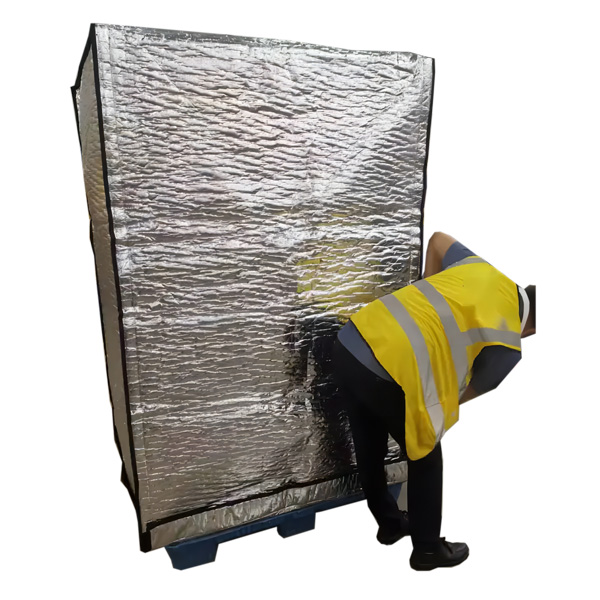
Penutup Palet Kontrol Suhu untuk Pergudangan dengan Kontrol Suhu: Tutup Kesenjangan Kontrol Kanan
Penutup palet harus mendapat tempatnya dalam strategi pengendalian. Penutup palet pengatur suhu untuk pergudangan yang suhunya dikontrol paling kredibel ketika mereka menangani suatu nama, paparan berbatas waktu yang tidak dapat dihilangkan secara wajar oleh fasilitas dan alur kerja. Itu adalah penghalang pasif, jadi mereka mengubah laju perpindahan panas daripada mengatur suhu. Perbedaan tersebut mengubah pembelian yang tidak jelas menjadi keputusan teknis dan operasional: menentukan kesenjangannya, membandingkan opsi kontrol, tentukan sampul lengkapnya, memverifikasinya dalam konteks, dan mengatur penggunaannya.
Metode ini berguna jika palet berisi barang-barang farmasi, makanan, Bahan Laboratorium, atau lainnya produk yang sensitif terhadap suhu. Kondisi yang dipersyaratkan selalu datang dari produk dan sistem mutu yang berlaku, bukan dari katalog sampul.
Beri Nama Kesenjangan Kontrol Sebelum Memberi Nama Produk
Tuliskan masalah sebagai sebuah peristiwa. "Dermaga hangat" hanyalah sebuah lokasi. "Palet yang dilepaskan mungkin menunggu di antara ruang pengiriman yang dipantau dan kendaraan yang dikonfirmasi sementara udara luar masuk selama siklus pintu" menggambarkan suatu peristiwa yang dapat diamati. Ini mengidentifikasi status beban, langkah proses, batas, dan penundaan yang harus diatasi oleh suatu pengendalian.
Berikutnya, mengidentifikasi mengapa peristiwa itu ada. Ini mungkin disebabkan oleh penjadwalan cuplikan, waktu pemeriksaan, pementasan terlindungi yang tidak mencukupi, perpindahan yang lama antar bangunan, pengoperasian pintu yang terputus-putus, atau keadaan darurat. Penyebab penting karena koreksi proses atau fasilitas mungkin mengungguli kinerja aksesori. Jika palet dipanggil terlalu dini, aturan rilis dapat mencegah penantian. Jika paparan sinar matahari mencapai teluk yang ditandai, pelindung atau relokasi dapat melindungi setiap muatan. Jika kendali hilang karena kapasitas pendinginan tidak memadai, penutup tidak boleh melegitimasi penyimpanan lanjutan.
Tentukan konsekuensinya tanpa berasumsi. Suhu lingkungan di luar kisaran yang disyaratkan tidak secara otomatis membuktikan bahwa suhu produk melebihi batasnya; massa termal produk dan kemasan mempengaruhi respons. Kebalikannya juga penting: pembacaan ruangan dalam jangkauan mungkin tidak mewakili palet di dekat pintu atau sumber radiasi. Gunakan pemetaan, pemantauan rutin, informasi produk, dan penilaian risiko untuk memutuskan pengukuran dan respons apa yang relevan.
Kemudian tetapkan batasnya. Nyatakan durasi kejadian normal, penundaan yang kredibel, konfigurasi produk dan palet, kondisi awal, masalah musim atau cuaca, dan tindakan yang dipicu ketika batas terlampaui. Jangan mengubah hasil uji coba menjadi waktu pemaparan universal yang diperbolehkan. Tim mutu harus mempertahankan otoritas atas dampak dan penyimpangan produk.
Pilih Lapisan Kontrol Dengan Langkah Rapuh Paling Sedikit
Kontrol berbeda-beda tergantung pada tindakan manusia. Sebuah dilindungi, ruang pementasan dengan suhu terkontrol bekerja pada setiap palet yang ditempatkan dengan benar. Aturan penjadwalan dapat mencegah penundaan yang tidak perlu tetapi bergantung pada koordinasi. Penutup yang terpasang dapat dibawa membawa muatan individu tetapi harus tersedia, utuh, berorientasi dengan benar, tertutup, DIHAPUS, dan pulih. Jawaban yang paling cocok mungkin menggabungkan lapisan, namun setiap lapisan pasti mempunyai alasannya.
Evaluasi pilihan dalam urutan praktis. Dapatkah paparan dihilangkan dengan mengubah waktu atau rute? Bisakah rekayasa menguranginya melalui selungkup, manajemen pintu, perubahan aliran udara, atau menambahkan ruang terkontrol? Dapatkah kontrol administratif membatasi menetap dan meningkatkan eskalasi? Jika paparan sisa masih ada, bisakah penutup pasif menambahkan penyangga yang berarti? Ini bukanlah hierarki peraturan yang kaku untuk setiap fasilitas; ini adalah cara untuk menghindari penggunaan item portabel untuk mengimbangi masalah sistem yang dapat dicegah.
Pertimbangkan visibilitas kegagalan. Alarm gudang dirancang untuk memberi sinyal kondisi fasilitas. Penutup yang robek atau terbuka sebagian dapat rusak secara diam-diam kecuali jika operator mengetahuinya. Penutup yang dapat digunakan kembali mungkin terlihat ada meskipun jahitan atau penutupnya sudah tidak pas lagi. Inspeksi, pelatihan, dan pengawasan harus sesuai dengan mode kegagalan tersebut.
Pertimbangkan juga apakah cakupannya bertentangan dengan desain penyimpanan utama. Ruangan dingin mungkin bergantung pada aliran udara di sekitar muatan dan jarak palet yang ditentukan. Penutup dapat menghalangi inspeksi visual, pemindaian kode batang, pengamatan hama, pola alat penyiram, atau status stok. Oleh karena itu, pelapisan stasioner jangka panjang harus ditinjau secara terpisah dari penggunaan pemindahan jangka pendek. Ini tidak boleh diadopsi hanya karena sampulnya sudah dibeli.
Tulis Persyaratan yang Dapat Dijawab Pemasok dengan Jujur
Persyaratan pengguna harus menjelaskan fungsi dan konteks sebelum meminta konstruksi. Hindari meresepkan tumpukan lapisan yang modis tanpa memahami jalur panas. Berikan informasi yang cukup kepada pemasok untuk mengusulkan kecocokan, sekaligus melindungi detail rahasia produk melalui proses berbagi data yang sesuai.
| Bidang persyaratan | Apa yang harus ditentukan pembeli | Sungguh respons yang bermanfaat yang harus ditunjukkan |
|---|---|---|
| Acara yang dimaksudkan | Rute gudang, kegiatan pementasan, penggunaan normal, kasus penundaan, dan arah pemaparan | Pernyataan yang jelas tentang cocok dan tidak cocok digunakan |
| Muat amplop | Jejak palet, rentang ketinggian, menggantung, tutup atas, membungkus, Label, dan kebutuhan akses | Kesesuaian batin, pengaturan penutupan, dan sampel pada muatan representatif |
| Tujuan termal | Pelindung sinar, berkurangnya pertukaran konvektif, resistensi tambahan, atau kombinasi | Dasar pemikiran konstruksi dan bukti sampul lengkap yang relevan |
| Penanganan | Daerah aplikasi, kepegawaian, peralatan, pemindaian, pergerakan, dan penghapusan | Urutan kerja yang aman tanpa ada material lepas di jalur perjalanan |
| Kontrol kualitas | Identifikasi, inspeksi, dokumentasi, pembersihan, penyimpanan, dan mengubah pemberitahuan | Kontrol material dan konstruksi yang ditentukan ditambah poin ulasan pembeli |
| Verifikasi | Tantangan, muatan, sensor, pengulangan, aturan penerimaan, dan melaporkan ekspektasi | Kondisi dan batasan pengujian transparan, bukan janji kinerja tanpa syarat |
| Akhir penggunaan | Pembuangan satu arah atau pemulihan yang dapat digunakan kembali, pembersihan, memperbaiki, dan pensiun | Petunjuk praktis dan informasi material untuk pasar tujuan |
Tabel tersebut membuat permintaan yang sebanding tanpa memaksa setiap pemasok melakukan satu klaim yang tidak didukung. Jika suatu bidang belum dapat diselesaikan, kesenjangan itu termasuk dalam rencana proyek. Seharusnya tidak diganti dengan dimensi yang dapat ditebak, diasumsikan waktu tunggu, atau permintaan umum untuk "Sertifikasi PDB."
Detail materi tetap penting. Tanyakan apa yang mengontrol sifat pancaran, apa yang memasok isolasi, bagaimana jahitan dan sudut terbentuk, dan bagaimana rok menutup beban yang tidak teratur. Meminta toleransi produksi dan praktik pemberitahuan perubahan yang sesuai dengan risiko. Jika penutupnya dilengkapi jendela atau penutup, menilai konstruksi tepi dan perilakunya setelah akses berulang. Jika dapat digunakan kembali, konfirmasi kompatibilitas pembersihan, pengeringan, identifikasi, inspeksi, dan memperbaiki batas-batasnya.
Bukti kinerja harus menjelaskan konfigurasi yang lengkap. Kupon panel tidak menutupi jahitan, bugar, kompresi, atau kebocoran udara. Tes pemasok dengan palet berbeda, muatan, kondisi awal, atau tantangan lingkungan mungkin merupakan latar belakang yang berguna tetapi bukan bukti langsung. Profil dan proses termal ISTA dapat menginformasikan pekerjaan pengemasan transportasi tertentu, namun pemindahan gudang harus diwakili oleh kondisi yang relevan dengan pemindahan tersebut. Penerapan adalah bagian dari verifikasi.
Uji Coba Prosesnya, Bukan Hanya Sampulnya
Pilot yang efektif dimulai sebelum sensor pertama ditempatkan. Operasi, kualitas, rekayasa, keamanan, dan pengadaan harus menyepakati keputusan yang akan diambil. Protokol ini mengidentifikasi sampul dan muatan yang mewakili produksi, kondisi referensi, alasan sensor, status kalibrasi instrumen, pengukuran lingkungan, urutan penanganan, penyimpangan, pengulangan, dan kriteria penerimaan. Rekam foto atau diagram kesesuaian jika diizinkan, karena grafik saja tidak dapat menunjukkan rok terbuka atau sudut terkompresi.
Gunakan operator dari shift yang diinginkan setelah instruksi awal. Aplikasi berjangka waktu dapat menginformasikan staf, tapi kecepatan bukanlah satu-satunya ukuran. Amati jangkauan yang canggung, label yang diblokir, keliman longgar, air mata, kesalahan penutupan, pergerakan beban, dan pemindahan di tempat tujuan. Periksa apakah pekerja memahami titik pemberhentian: penutup tidak mengizinkan perpanjangan ketika kendaraan tertunda, alarm berbunyi, atau paletnya salah arah.
Alat pengambilan keputusan yang berguna
Periksa detailnya sebelum Anda memilih kemasan
Alat cepat ini dapat membantu Anda membandingkan risiko rute, kebutuhan ukuran, pilihan pendingin, dan detail kemasan sebelum Anda meminta penawaran.
Pendingin & Referensi PCM
Bandingkan opsi cairan pendingin dan PCM ketika suatu rute memerlukan dukungan suhu tambahan.
Bandingkan pilihanKalkulator Es Kering
Perkirakan kebutuhan es kering untuk pengiriman beku atau sangat dingin sebelum pengepakan.
Perkirakan es keringKalkulator Paket Es
Perkirakan jumlah paket es gel untuk pengiriman dingin dan perencanaan rute yang praktis.
Perkirakan kantong esPertimbangkan transfer kampus hipotetis. Ruang penyimpanan yang dipetakan dan dipantau mengirimkan palet dengan ketinggian berbeda ke bangunan terkontrol lainnya melalui jalur tertutup namun tidak berkondisi. Tim proyek mengharapkan penutup tersebut dapat menahan paparan udara yang bervariasi. Selama uji coba, jejak termal dapat diterima untuk beban yang diuji, tetapi penutup pendek berada di atas dek palet pada konfigurasi yang lebih tinggi dan meninggalkan celah. Respons yang benar adalah dengan tidak meratakan semua proses dan menyetujui produk. Tim dapat mempersempit kisaran ketinggian yang disetujui, tambahkan ukuran, mendesain ulang penutupannya, atau mengubah proses transfer, kemudian uji lagi konfigurasi terkontrol.
Baca data berdasarkan lokasi dan acara. Sensor tepi dan atas dapat merespons lebih cepat dibandingkan lokasi inti. Pembacaan sekitar membantu menjelaskan tantangan tersebut tetapi tidak sama dengan suhu produk. Rata-rata dapat menyembunyikan posisi terburuk. Selidiki outlier, catatan penanganan, perbedaan awal, dan pergerakan sensor sebelum menyimpulkan materi berhasil atau gagal. Tentukan terlebih dahulu bagaimana penyimpangan protokol akan dievaluasi.
Persetujuan harus menyatakan dengan tepat apa yang telah ditetapkan: pengenal sampul, konstruksi, rentang beban, langkah proses, metode aplikasi, kondisi yang relevan, dan batasan. Hal ini juga harus menyebutkan apa yang belum ditetapkan. Batasan yang ringkas ini lebih berguna bagi operator dan auditor di masa depan daripada klaim luas yang dicakupnya "lulus."
Jaga agar Status yang Disetujui Tetap Utuh
Pengendalian rutin dimulai dengan ketersediaan. Simpan sampul di mana prosedur dapat diikuti tanpa pencarian, sambil memisahkan barang-barang bersih dan bekas bila diperlukan. Identifikasi ukuran dan status dengan jelas. Periksa penutupan, jahitan, panel, windows, Label, dan kontaminasi sebelum digunakan. Tetapkan karantina dan pensiun agar unit yang rusak tidak dikembalikan karena stok pengganti tidak nyaman.
Untuk sampul yang dapat digunakan kembali, membangun loop kembali saat peluncuran. Putuskan siapa yang memindai atau menghitung pengembalian, tempat penutup dibersihkan, metode mana yang diperbolehkan, bagaimana pengeringan dikonfirmasi, apakah perbaikan diperbolehkan, dan bagaimana barang yang tidak dikembalikan diselidiki. Klaim penggunaan kembali harus didasarkan pada data pemulihan dan kondisi aktual, tidak pada batas maksimum teoritis. Desain sekali pakai memerlukan instruksi pembuangan dan informasi material yang sesuai dengan tujuannya; kemampuan daur ulang teoritis tidak menjamin penerimaan lokal.
Memantau proses serta lingkungan. Pertanyaan tinjauan yang berguna mencakup apakah perlindungan diterapkan saat diperlukan, apakah penutupan tetap ditutup, apakah label dapat diakses, mengapa unit ditolak, dan apakah terjadi penundaan yang tidak direncanakan. Temuan ini dapat memicu pelatihan ulang, perubahan inventaris, mendesain ulang, atau perbaikan alur kerja yang lebih mendasar.
Kontrol perubahan melindungi bukti. Bahan yang berbeda, lapisan, penutup, jendela, situs pemasok, tinggi palet, pola kasus, metode stretch-wrap, rute perpindahan, jadwal pintu, atau bahan kimia pembersih dapat mempengaruhi kondisi yang disetujui. Menilai signifikansi melalui risiko dan pengujian daripada berasumsi bahwa semua perubahan adalah sama. Panduan Organisasi Kesehatan Dunia dan prinsip-prinsip Praktik Distribusi yang Baik UE memperkuat kebutuhan yang lebih luas akan penyimpanan yang berkualitas, pemantauan yang sesuai, wilayah yang dipetakan, peralatan yang dipelihara, prosedur, dan pengendalian berbasis risiko. Sampulnya tetap menjadi bagian terdokumentasi dari sistem itu.
Tetapkan pemicu peninjauan untuk perubahan fasilitas atau alur kerja utama dan peninjauan berkala yang masuk akal berdasarkan sistem kualitas situs. Tim harus mengkonfirmasi muatan yang disetujui, menutupi inventaris, praktik operator, dan kondisi tantangan masih tetap sama. Verifikasi ulang harus didorong oleh risiko; pengulangan rutin tanpa keputusan yang diambil bukanlah pengganti dari mengamati variabel-variabel yang benar-benar dapat mengubah kinerja.
FAQ Keputusan
Apa tanda terkuat bahwa proyek perlindungan tidak didefinisikan dengan baik??
Permintaan untuk durasi terjamin tanpa produk, muatan, keadaan awal, tantangan lingkungan, atau aturan penerimaan adalah tanda peringatan. Durasi adalah hasil dari konfigurasi lengkap dan kondisi pengujian, bukan janji yang melekat pada kain. Ubah permintaan tersebut menjadi peristiwa tertentu dan tanyakan bukti apa yang mewakilinya.
Dapatkah penutup mengkompensasi hot spot pemantauan?
Ini seharusnya bukan respons otomatis. Hot spot yang dipetakan dapat mempengaruhi penempatan pemantauan, pembatasan penyimpanan, penyelidikan aliran udara, pemeliharaan, atau tata letak. Pertanggungan mungkin dievaluasi untuk transfer tertentu atau paparan sisa, namun hal ini tidak dapat membuat ruangan di bawahnya dikontrol secara seragam atau menggantikan tindakan perbaikan yang disetujui oleh fasilitas dan tim mutu.
Kapan sebaiknya pengadaan menolak sampel meskipun data termalnya bagus?
Tolak atau desain ulang jika penggunaan yang aman dan konsisten tidak realistis. Contohnya termasuk rok yang memasuki jalur perlengkapan, label rilis yang diblokir, ketegangan pas yang berlebihan, akses penutupan yang buruk, pembersihan yang tidak kompatibel, atau perubahan konstruksi yang tidak terkendali. Respons termal diperlukan hanya jika tujuannya adalah perlindungan termal; itu tidak cukup untuk kesesuaian gudang.
Apakah menggunakan data logger membuat suhu palet tertutup terkontrol?
TIDAK. Seorang logger mencatat kondisi di lokasi penginderaannya; itu tidak melindungi beban atau mengatur suhu. Pemantauan dapat memverifikasi dan menyelidiki, sedangkan fasilitas dan proses yang berkualitas memberikan kendali. Pemilihan sensor, penempatan, kalibrasi, selang, tinjauan data, dan penggunaan alarm harus sesuai dengan keputusan dan persyaratan produk.
Kesimpulan: Klaim yang Sempit Dapat Mendukung Kontrol yang Kuat
Program penutup palet yang paling dapat dipertahankan memberikan klaim yang sederhana dan mendukungnya dengan baik. Beri nama eksposurnya, bandingkan lapisan kontrol yang lebih kuat, tentukan kesesuaian dan fungsinya, uji coba seluruh proses, menyetujui konfigurasi terbatas, dan memeliharanya melalui pemeriksaan, pelatihan, catatan, dan mengubah kendali.
Penutup palet pengatur suhu untuk pergudangan dengan pengatur suhu bersifat pasif, kontrol tambahan. Mereka bukanlah pengganti bangunan yang terkendali, pemetaan yang representatif, pemantauan yang sedang berlangsung, HVAC atau pendingin, persyaratan penyimpanan khusus produk, kualifikasi, perencanaan kontinjensi, atau penilaian kualitas. Gunakan mereka untuk menutup celah yang tepat, untuk tidak menyembunyikan yang lebih besar.
Tentang tempk
Tempk adalah nama yang dikaitkan dengan Kemasan yang dikendalikan suhu untuk aplikasi rantai dingin. Kami dapat membantu pembeli mengubah paparan gudang menjadi diskusi yang lebih tepat tentang kesesuaian sampul, konstruksi, penanganan, penggunaan kembali, dan kebutuhan verifikasi. Kami tidak menyimpulkan kinerja atau kepatuhan universal dari suatu kategori produk. Pendekatan yang dipilih harus ditinjau berdasarkan konfigurasi palet pembeli, fasilitas, pemantauan, kontrol proses, dan ekspektasi kualitas.
Kirim Tempk acara yang perlu Anda kelola, bersama dengan selubung beban dan batasan pengoperasian, untuk membandingkan jalur praktis ke depan. Rencanakan verifikasi independen atau spesifik lokasi sebagaimana diperlukan sebelum penerapan.