Panduan Pengemasan Rantai Dingin Suntikan Onkologi yang Sensitif terhadap Suhu
Suntikan onkologi yang sensitif terhadap suhu memerlukan paket obat yang melindungi rentang penanganan yang disetujui, karton sekunder, label apotek, dan keputusan penerimaan. Kisaran yang benar harus berasal dari label produk, instruksi pabrikan, SOP farmasi, dan perjanjian kualitas pelanggan.
Panduan ini menggunakan rute obat berpendingin sebagai model perencanaannya. Pengirim tidak boleh diperlakukan sebagai pendingin biasa. Itu harus diuji dengan massa produk yang sebenarnya, jumlah karton, pengkondisian cairan pendingin, durasi rute, waktu serah terima, dan profil lingkungan musiman.
Data perencanaan paket
| Kisaran suhu | Sering 2-8 C untuk obat suntik yang didinginkan, namun setiap label produk dan SOP farmasi onkologi harus menentukan kisaran akhirnya. |
|---|---|
| Kelembaban dan kondensasi | Simpan karton, label botol, bukti perusakan, dan dokumen administrasi kering dan mudah dibaca. |
| Pra-pendinginan | Pengirim pra-kondisi, pendingin, logger, dan tempat pementasan; hindari memuat selama berada di suhu ruangan yang tidak terkontrol. |
| Tekanan paket | Lindungi botol bernilai tinggi, jarum suntik, dan karton sekunder dari kompresi, kerusakan, dan kontak cairan pendingin. |
| Posisi pendingin | Gunakan cairan pendingin terkondisi dengan pemisahan tervalidasi dari produk; tambahkan perlindungan cahaya dan kerusakan bila diperlukan. |
| Durasi transportasi | Di hari yang sama sampai 48 h jalur farmasi khusus atau rumah sakit harus mencakup waktu serah terima dan aturan karantina penerimaan. |
| Kerugian umum | Bekukan paparan, tamasya hangat, kerusakan botol, label basah, paparan cahaya, masalah keamanan, dan stok yang belum dirilis. |
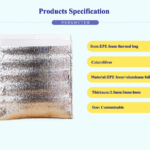
| Kemasan Tempk pas | Tempk divalidasi 2-8 C pengirim, dukungan botol, karton luar yang mudah rusak, pencatat terus menerus, dan menerima alur kerja rilis. |
Perubahan apa yang terjadi pada produk ini
Suntikan onkologi yang sensitif terhadap suhu bisa gagal karena alasan yang tidak terlihat dari luar karton. Suatu produk mungkin tiba dalam keadaan dingin sementara satu lapisan telah menyentuh kemasan beku, atau karton mungkin cukup basah sehingga label dan instruksi menjadi sulit diverifikasi. Paket obat kecil juga bergerak cepat seiring perubahan lingkungan, jadi posisi logger dan jarak cairan pendingin penting.
Pra-pengkondisian harus dilakukan sebelum memuat. Jika pengirim, pendingin, atau area pementasan dimulai di luar profil target, jam-jam pertama transit dapat menciptakan perjalanan yang dingin atau hangat. Untuk obat-obatan yang didinginkan, kontak keras dengan cairan pendingin adalah salah satu risiko paling umum yang dapat dihindari.
Alat pengambilan keputusan yang berguna
Periksa detailnya sebelum Anda memilih kemasan
Alat cepat ini dapat membantu Anda membandingkan risiko rute, kebutuhan ukuran, pilihan pendingin, dan detail kemasan sebelum Anda meminta penawaran.
Pendingin & Referensi PCM
Bandingkan opsi cairan pendingin dan PCM ketika suatu rute memerlukan dukungan suhu tambahan.
Bandingkan pilihanPemeriksa Risiko Rute
Tinjau kondisi jalur sebelum memilih kemasan untuk mengetahui kebutuhan pengoperasian sebenarnya.
Periksa risiko ruteKetahanan Jatuh Bahan Isolasi
Tinjau ketahanan jatuh dan faktor penanganan sebelum memilih bahan insulasi.
Periksa resistensiPendekatan pengemasan Tempk yang direkomendasikan
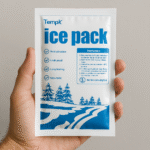
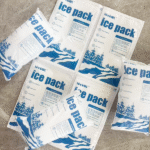
Gunakan Tempk 2-8 C pengirim terisolasi atau lapisan terisolasi dengan dikondisikan Paket gel, penghalang produk yang divalidasi, dukungan karton atau botol, dan pemantauan berkelanjutan ketika jalur tersebut memerlukan pelepasan yang terdokumentasi. Pesanan dalam jumlah kecil harus menggunakan sisipan sehingga karton obat tetap berada di zona produk yang diuji daripada meluncur ke arah cairan pendingin.
Untuk pengiriman bernilai tinggi atau kritis terhadap pasien, tambahkan daftar periksa penerimaan yang mencakup status logger, jumlah produk, label kekeringan, kerusakan yang terlihat, dan instruksi karantina. Hal ini membantu penerima membuat keputusan pelepasan yang jelas alih-alih menebak-nebak suhu sentuhan karton.
Menerima cek
Saat menerima, tim harus meninjau hasil logger sebelum memasukkan stok ke dalam inventaris yang dapat digunakan. Jika label produk, Sop, atau perjanjian kualitas mendefinisikan proses perjalanan, pengiriman harus ditahan sampai apoteker yang bertanggung jawab atau tim mutu menyelesaikan peninjauan tersebut.
Tempk dapat mendukung ukuran pengirim, desain peta pendingin, masukkan tata letak, dan validasi rute. Bagikan dimensi karton produk, jumlah pesanan, jangkauan sasaran, durasi rute, profil lingkungan, dan prosedur pelepasan untuk membangun paket khusus jalur.