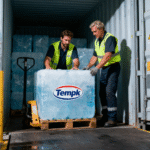
Memilih Penutup Kargo Termal Untuk Pengiriman dengan Kargo, Jalur, dan Bukti
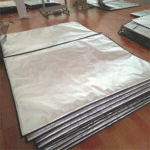
Benar penutup kargo termal untuk pengiriman ditentukan dari pengiriman mundur. Mulailah dengan kondisi bahwa kargo yang dipalletisasi dan diunitisasi terpapar ke pelabuhan, depot, pekarangan kontainer, truk, pesawat terbang, gudang, dan dermaga pengiriman harus dipelihara, mengidentifikasi segmen yang tidak terkendali yang mengancamnya, dan memutuskan apakah perlindungan pasif dapat mengurangi risiko tersebut tanpa mengganggu peralatan aktif, penanganan, keamanan, atau kepatuhan. Penutup kargo termal menambah resistensi pasif terhadap aliran panas. Itu tidak dapat mengontrol lingkungan internal container, mengatur kelembapan dengan sendirinya, atau menjamin kondisi produk selama penundaan pengiriman tanpa batas waktu. Oleh karena itu, proses pembelian yang baik menggabungkan pemetaan rute, kesesuaian palet, tinjauan materi dan penutupan, bukti yang representatif, dan prosedur pengoperasian yang jelas.
Peran yang jelas mencegah kepercayaan palsu
Kasus penggunaan terkuat adalah paparan yang ditentukan antara langkah-langkah yang dikontrol. Dalam pelayaran kargo domestik dan internasional, paparan tersebut mungkin melibatkan paparan suhu yang terjadi di luar kaki utama yang dikendalikan: pemutusan pelabuhan, pemuatan kontainer, biaya kelebihan waktu berlabuh, bea cukai, memuat ulang, cuaca, dan pengiriman jarak jauh. Penutup dapat memperlambat respons palet saat tim menyelesaikan pemuatan, transfer, inspeksi, atau menerima. Hal ini kurang meyakinkan bila rute tersebut tidak memiliki kontrol suhu yang sesuai untuk jangka waktu lama atau ketika produk dijalankan di luar kondisi yang disyaratkan.
Perbedaan ini mendukung keputusan sederhana. Gunakan isolasi pasif untuk mengelola tantangan termal terbatas yang tersisa setelah pengendalian proses yang baik diterapkan. Gunakan pendinginan aktif, pemanas, penyimpanan yang dikondisikan, atau layanan yang berbeda ketika lingkungan harus dikontrol dan bukan hanya di-buffer. Gunakan pemantauan ketika bukti paparan diperlukan. Alat-alat ini dapat saling melengkapi, tetapi mereka tidak melakukan fungsi yang sama.
Persyaratan kargo harus spesifik. Risiko pengiriman menggabungkan skala waktu yang panjang dengan eksposur yang singkat dan intens. Sebuah wadah mungkin mengalami perubahan lingkungan secara bertahap, sementara palet dapat menerima pemanasan matahari yang cepat selama pemuatan. Cakupan tersebut harus dievaluasi berdasarkan segmen yang relevan, bukan berdasarkan iklim rata-rata. Pengirim harus menentukan kondisi awal yang dapat diterima, kebijakan tamasya, masalah kualitas atau keamanan, dan menerima keputusan. Tanpa informasi itu, pemasok hanya dapat menawarkan perlindungan generik, Dan pembeli tidak dapat menentukan apakah hasilnya cocok.
Dari persyaratan produk hingga bukti pemasok
| Daerah spesifikasi | Informasi untuk diberikan | Diperlukan bukti atau keputusan |
|---|---|---|
| Persyaratan kargo | Produk, kemasan, kondisi awal, paparan yang dapat diterima, dan akibat penyimpangan | Kriteria pengiriman dan penerimaan yang disetujui pemilik |
| Palet yang dimuat | Jejak kaki yang sudah jadi, rentang ketinggian, menggantung, distribusi berat badan, sudut, membungkus, dan pengekangan | Pemeriksaan kesesuaian fisik pada palet yang representatif |
| Paparan rute | Profil ambient, paparan sinar matahari atau angin, tinggal, menunda, kontak lantai, dan perubahan modus | Peta jalur normal dan paling masuk akal |
| Desain sampul | Lapisan, dimensi selesai, penutup, tumpang tindih, mengakses, windows, perlindungan dasar dan atas | Toleransi sampel dan produksi yang disetujui |
| Bukti kinerja | Muatan, kondisi awal, tes lingkungan, sensor, bukaan, dan aturan penerimaan | Perbandingan yang representatif, ruang belajar, atau pilot |
| Operasi dan penggunaan kembali | Aplikasi, pemindahan, inspeksi, pembersihan, pengeringan, memperbaiki, penyimpanan, kembali, dan pensiun | Sop, pelatihan, dan kepemilikan |
Kerangka kerja ini membantu mencegah pembelian hanya dengan satu nomor. Konduktivitas termal, ketebalan, atau durasi yang ditentukan dapat menginformasikan keputusan tersebut, tetapi tidak ada yang cukup tanpa konteks pengujian dan perakitan. Pengadaan harus dapat menelusuri setiap klaim penting pada gambar produk, deklarasi materi, kondisi pengujian, atau aturan operasi.
Jalur adalah rangkaian lingkungan, bukan dua kota
Gambarkan rute sebagai rangkaian lingkungan, bukan garis antar kota. Tandai pengondisian produk, pembuatan palet, penyimpanan terkontrol, pementasan dermaga, memuat, tempat tinggal terminal, pemeriksaan bea cukai atau keamanan, tangkapan garis, transfer, pementasan tujuan, dan menerima. Untuk setiap langkah, mencatat kemungkinan tantangan lingkungan, durasi biasa, penundaan yang kredibel, hak asuh, dan apakah penutupnya tertutup, dibuka, atau dihapus.
Paparan kritis mungkin pendek dan intens, atau panjang dan sedang. Sinar matahari langsung di atas palet dapat menimbulkan masalah desain yang berbeda dari lantai yang dingin, angin di bandara, kelembaban di dalam wadah, atau penundaan akhir pekan di terminal LTL. Suhu lingkungan rata-rata tunggal menyembunyikan perbedaan-perbedaan ini. Spesifikasi harus fokus pada segmen terburuk yang masuk akal yang ingin dituju oleh sampul tersebut.
Identifikasi juga lingkungan selanjutnya. Jika palet memasuki pendinginan aktif, penutupnya mungkin perlu dibuka atau dilepas untuk memungkinkan aliran udara. Jika palet dingin memasuki udara hangat dan lembab, pelepasannya mungkin perlu ditunda atau diatur untuk membatasi kondensasi. Jika inspektur memerlukan akses, penutup memerlukan metode pembukaan dan penutupan yang berulang. Proses hilir merupakan bagian dari desain sampul.
Lapisan kontrol, pergantian pemain, dan konsistensi produksi
Permukaan reflektif, lapisan busa, struktur gelembung, atau tekstil berat tidak secara mandiri menentukan kinerja pengiriman. Lapisan reflektif terutama mengatasi panas radiasi dalam orientasi dan kondisi yang sesuai. Lapisan isolasi mengurangi aliran panas konduktif namun mungkin kehilangan efektivitas saat dikompresi atau basah. Penguatan meningkatkan daya tahan tetapi dapat menambah kekakuan, jahitan, dan berat. Penutup yang sudah jadi harus menyeimbangkan ketahanan termal dengan aplikasi, mengakses, pembersihan, dan keamanan rute.
Minta deskripsi lapisan yang jelas dan tanyakan apa yang mungkin berubah antara sampel dan produksi. Perekat, film, busa, pelapis, benang, penutupan, dan dimensi panel dapat mempengaruhi perilaku. Perjanjian kontrol perubahan sangat penting terutama untuk pesanan berulang atau aplikasi yang memenuhi syarat. Inspeksi yang masuk dapat mencakup dimensi, kondisi jahitan, fungsi penutupan, kebersihan, bau, cacat yang terlihat, dan pernyataan material penting apa pun.
Penutup tidak boleh mengganggu pengamanan kargo, pemeriksaan kontainer, Label, akses bea cukai, komunikasi barang berbahaya, sanitasi makanan, atau persyaratan operator. Kewajiban produk dan rute tetap berada pada pihak pengiriman yang bertanggung jawab. Batasan khusus produk dan persyaratan pengangkutan saat ini harus diverifikasi oleh kualitas yang bertanggung jawab, peraturan, keamanan pangan, EHS, atau tim barang berbahaya. Bahasa pemasok yang paling aman menggambarkan konstruksi sampul dan kondisi pengujian tanpa menyiratkan persetujuan universal.
Detail desain kecil mengontrol konsistensi harian
Ukur palet yang sudah dimuat. Dimensi dasar standar tidak menangkap beban yang menggantung, penumpukan tidak rata, papan sudut, topi atas, atau perubahan ketinggian. Penutup memerlukan tumpang tindih yang cukup untuk menutup secara konsisten tanpa menyeret secara berlebihan atau menghalangi akses forklift. Jika diharapkan pembuatan beberapa palet, putuskan apakah satu desain yang dapat disesuaikan atau beberapa ukuran khusus menghasilkan kontrol yang lebih baik.
Periksa sampulnya sebagai artikel yang sudah jadi. Lihatlah jahitannya, sudut, windows, menangani, penutup, ujung ritsleting, area kait-dan-loop, dan perimeter bawah. Lokasi-lokasi ini memusatkan tekanan mekanis dan dapat menjadi jalur aliran panas. Aplikasikan penutup dengan tali yang telah direncanakan, bungkus regangan, jaring, atau pengamanan wadah sehingga kompresi dan tersangkut terlihat sebelum disetujui.
Akses adalah trade-off lainnya. Sebuah jendela dapat menyimpan pemindaian kode batang, tetapi mungkin memerlukan penguatan dan dapat berbeda secara termal dari panel di sekitarnya. Sebuah penutup dapat mendukung inspeksi, tetapi hanya jika penangan tahu cara menutupnya. Penutup satu arah yang tersegel mungkin lebih sederhana, sementara desain yang dapat digunakan kembali mungkin membenarkan penutupan yang dapat diperbaiki. Pilih fitur yang menyelesaikan tugas-tugas yang diketahui daripada menambahkan kompleksitas demi kenyamanan hipotetis.
Klaim yang dapat dipertahankan tetap melekat pada profil pengujiannya
Gunakan pengujian yang sesuai dengan keputusan. Studi penyaringan berdampingan dapat menunjukkan penutup mana yang memperlambat perubahan suhu secara lebih efektif dalam satu paparan terkendali. Studi ruang dapat mereproduksi profil dan penundaan sekitar yang ditentukan. Pilot yang dipantau dapat menunjukkan apakah karyawan menerapkan perlindungan dengan benar dan apakah rute tersebut mencakup pembukaan yang tidak direncanakan. Pengiriman berisiko tinggi mungkin memerlukan cara yang lebih formal, kualifikasi terdokumentasi berdasarkan sistem mutu pemilik.
Alat pengambilan keputusan yang berguna
Periksa detailnya sebelum Anda memilih kemasan
Alat cepat ini dapat membantu Anda membandingkan risiko rute, kebutuhan ukuran, pilihan pendingin, dan detail kemasan sebelum Anda meminta penawaran.
Pembuat Daftar Periksa Kepatuhan
Buatlah daftar periksa praktis untuk tinjauan kemasan, pengiriman, dan dokumentasi.
Buat daftar periksaKalkulator Es Kering
Perkirakan kebutuhan es kering untuk pengiriman beku atau sangat dingin sebelum pengepakan.
Perkirakan es keringPemilih Kemasan
Bandingkan opsi kemasan berinsulasi berdasarkan produk, rute, dan kebutuhan suhu.
Temukan kemasannyaTes apa pun harus mendokumentasikan muatannya, kondisi awal, dimensi palet, sampel sampul, tantangan lingkungan, kontak lantai, lokasi sensor, acara pembukaan, dan kriteria penerimaan. Kurva suhu tanpa konteks ini sulit untuk ditafsirkan. Suatu waktu perlindungan yang dinyatakan tidak boleh lepas dari kondisi yang menyebabkannya.
Pemantauan bukanlah pengganti perlindungan, dan perlindungan bukanlah bukti kondisi. Putuskan apa yang ingin ditampilkan oleh sensor. Sensor sekitar mendukung analisis rute; sensor permukaan menunjukkan tepi yang terbuka; sensor tengah mungkin merespons dengan lambat; simulator produk dapat memperkirakan perilaku termal. Proses disposisi harus menyatakan siapa yang meninjau data dan bagaimana kaitannya dengan penerimaan produk.
SOP melindungi nilai konfigurasi yang diuji
Di tempat asal, verifikasi produk dan palet siap untuk ditutup. Periksa identitas dan kondisi sampul, menerapkannya dalam orientasi yang ditentukan, tutup semua tumpang tindih, jaga agar label dan tanda yang diperlukan tetap terlihat, menempatkan perangkat pemantauan sesuai yang disetujui, dan periksa alas dan sudutnya. Catat permohonan bila ketertelusuran atau prosedur mutu memerlukannya.
Selama transportasi, tentukan apakah petugas dapat membuka penutup dan apa yang harus mereka lakukan setelahnya. Berikan aturan eskalasi untuk air mata, mengompol, kontaminasi, kebocoran, koneksi yang terlewat, tinggal diperpanjang, kegagalan peralatan aktif, atau beban yang ditemukan di luar lingkungan yang direncanakan. Instruksi tersebut harus mengarahkan kiriman ke pengendalian yang sesuai daripada mengandalkan sampul di luar evaluasi penggunaannya.
Di tempat tujuan, periksa sebelum dibuka, ikuti prosedur aklimatisasi atau aliran udara, mengevaluasi catatan suhu atau kondisi, dan pisahkan penutup yang dapat digunakan kembali yang rusak atau terkontaminasi. Bersihkan dan keringkan penutup dengan metode yang disetujui, periksa penutupan dan isolasi, mencatat perbaikan jika diperlukan, dan memensiunkan unit yang tidak dapat memberikan kebugaran atau kebersihan yang konsisten.
Kesalahan umum yang harus dihapus dari pesanan pembelian
- Meminta jumlah jam perlindungan yang tetap tanpa menentukan profil muatan dan lingkungan.
- Hanya menentukan dasar palet dan mengabaikan ketinggian muatan, menggantung, penutupan tumpang tindih, dan akses.
- Mengobati penampilan reflektif, ketebalan, atau bahasa yang “dapat digunakan kembali” sebagai bukti kinerja yang telah selesai.
- Meninggalkan label, pengekangan, aliran udara, inspeksi, kebersihan, atau interaksi barang berbahaya untuk diketahui operasinya nanti.
- Menyetujui sampel tanpa mengontrol bahan produksi, ukuran, jahitan, dan penutupan.
- Menjalankan uji suhu tetapi tidak mencatat kejadian penanganan atau kondisi yang terlihat.
- Menggunakan penutup untuk membenarkan pemaparan yang lebih lama daripada meningkatkan pengiriman ketika kondisi melebihi rencana.
Aplikasi yang realistis
Seorang eksportir memuat kargo yang sensitif terhadap suhu ke dalam kontainer laut di gudang pelabuhan. Rencana pengangkutan jalur sudah tepat, tetapi palet mungkin menunggu di dekat pintu yang terbuka selama pemeriksaan dan pengisian. Penutup termal digunakan untuk transisi tersebut, dengan keputusan terdokumentasi tentang apakah mereka tetap tertutup di dalam wadah.
Penerapan ini hanya berhasil jika tutupan tersebut tetap berada pada satu pengendalian tertentu dalam jalur yang lebih luas. Kondisi awal, transportasi aktif, waktu serah terima, inspeksi, dan proses eskalasi terus memikul tanggung jawab atas perlindungan produk.
Pertanyaan pembeli sebelum persetujuan
- Segmen pelayaran mana yang menimbulkan risiko termal: asal, pelabuhan, tangkapan garis, tujuan, atau mil terakhir?
- Akankah penutupnya tetap terpasang di dalam wadah, cuplikan, atau pesawat terbang, dan mengapa?
- Bagaimana tim bea cukai dan keamanan mengakses kargo?
- Kelembapan yang luar biasa, ventilasi, dan kondisi kondensasi diharapkan?
- Apa yang terjadi jika kiriman meleset dari batas waktu atau tetap berada di terminal lebih lama dari yang direncanakan?
Pertanyaan yang sering diajukan
Dapatkah penutup kargo termal digunakan dalam kontainer laut?
Mereka dapat digunakan bila kompatibel dengan pemuatan kontainer, aliran udara, kelembaban, mengamankan, inspeksi, dan rencana produk. Pengirim tidak boleh berasumsi bahwa penutup membuat suhu kontainer biasa terkontrol.
Apakah penutup kargo mengontrol kelembapan?
Kebanyakan penutup termal terutama dirancang untuk mengurangi perpindahan panas. Beberapa lapisan mungkin menolak kelembapan, tetapi kontrol kelembapan dan kondensasi bergantung pada lingkungan keseluruhan, pergerakan uap, kelembaban produk, dan riwayat suhu.
Bagaimana seharusnya akses bea cukai direncanakan?
Gunakan desain penutup dan SOP yang memungkinkan akses resmi tanpa merusak perakitan. Label dan dokumen yang diperlukan harus tetap tersedia, dan pihak yang membuka penutup harus mengetahui cara memeriksa dan menutupnya kembali.
Bahan apa yang terbaik untuk pengiriman internasional?
Tidak ada bahan terbaik yang universal. Jawabannya tergantung pada paparan, daya tahan, kelembaban, persyaratan api dan keselamatan, logistik pengembalian, tujuan limbah, dimensi palet, dan bukti yang tersedia untuk sampul yang sudah jadi.
Kesimpulan
Pilih penutup kargo termal untuk pengiriman dengan menghubungkan lima hal: kebutuhan kargo, segmen rute yang terbuka, geometri palet yang sudah jadi, proses operasi, dan bukti yang mewakili tujuan penggunaan. Penutup paling mudah dipertahankan jika memiliki bagian yang sempit, peran eksplisit dan kapan batasannya dituliskan ke dalam rencana pengiriman.
Langkah selanjutnya bukanlah pesanan massal. Ini adalah sampel representatif pada palet sebenarnya, diikuti dengan tinjauan kesesuaian dan penanganan serta perbandingan termal atau uji coba yang sesuai. Setelah tim memahami bagaimana kinerja sampul dan bagaimana karyawan menggunakannya, pengadaan dapat menskalakan spesifikasi yang terkendali daripada klaim pemasaran.
Tentang Tempk
Persediaan sementara kemasan rantai dingin Dan Penutup palet termal pilihan untuk aplikasi pengiriman B2B. Untuk jalur pelayaran internasional dan domestik dengan paparan termal di pelabuhan, depot, pemuatan kontainer, dan pengiriman, kami dapat membantu mengatur diskusi seputar ukuran palet, konstruksi material, penutupan, mengakses, penggunaan satu arah atau dapat digunakan kembali, dan evaluasi sampel. Kami tidak memperlakukan pertanggungan pasif sebagai pengganti kontrol transportasi atau kualifikasi khusus produk yang disyaratkan oleh pelanggan.
Bagikan pembuatan palet Anda, kebutuhan kargo, paparan rute, dan proses penanganan dengan Tempk untuk membandingkan sampel praktis dan menentukan pemeriksaan yang diperlukan sebelum produksi.