Penutup palet termal untuk pementasan gudang: Panduan Seleksi dan Penggunaan Praktis
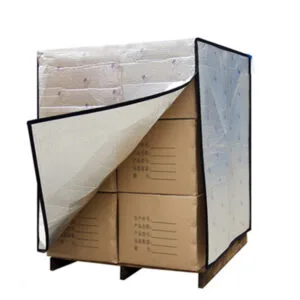
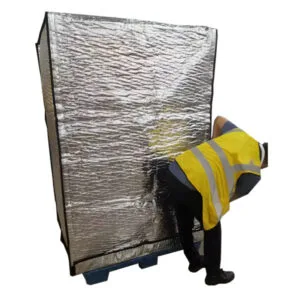
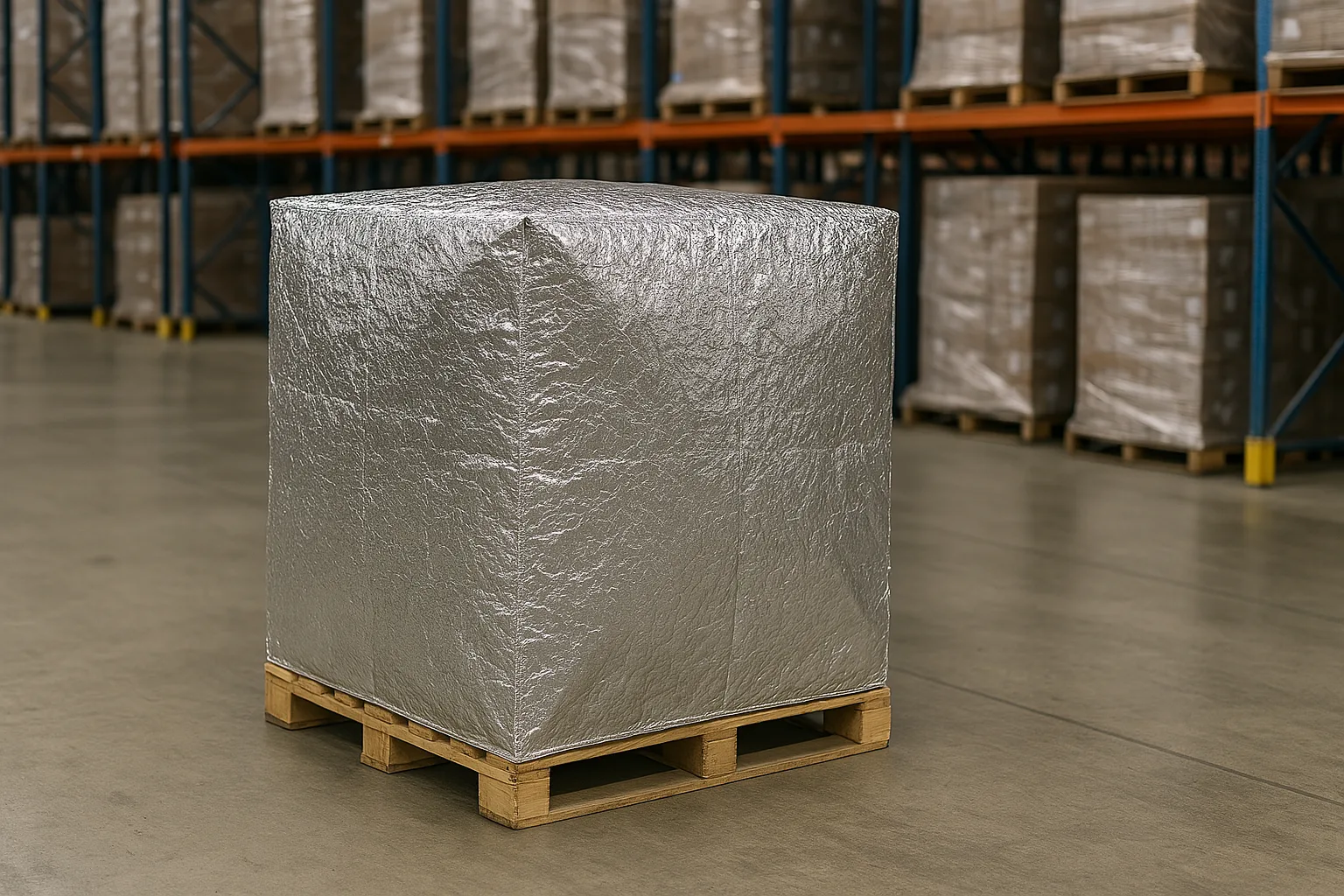
Penutup palet termal for warehouse staging make sense when the buyer can define the exposure problem clearly. Mereka dirancang untuk memperlambat perpindahan panas di sekitar angkutan palet selama pengiriman atau pementasan, tetapi harus disesuaikan dengan produknya, rute, sasaran suhu, pembuatan palet, dan proses penanganannya. Keputusan pembelian terbaik dimulai dari jalurnya, bukan katalognya. Panduan yang dioptimalkan ini menunjukkan cara memilih, tes, dan menggunakan penutup tanpa melebih-lebihkan apa yang bisa mereka lakukan.
Ini penting bagi operator gudang, manajer lintas dermaga, 3tim PL, distributor makanan, dan perencana logistik farmasi karena perlindungan yang sama bisa jadi sangat cocok di satu jalur dan kurang cocok di jalur lain. Keputusannya tergantung pada perpindahan palet dari ruang dingin ke jalur pementasan, dari dermaga masuk ke dermaga keluar, atau antara zona suhu yang berbeda di dalam fasilitas, sensitivitas produk, persyaratan bukti, dan orang-orang yang menerapkan sampul. Artikel atau halaman pemasok yang baik akan membantu Anda membuat perbedaan tersebut alih-alih menjanjikan perlindungan dalam setiap situasi.
Tentukan jendela eksposur sebelum memilih penutup
Mulailah dengan menuliskan titik tepatnya di mana palet menjadi rentan: acara terbuka pintu, mixed-temperature staging lanes, trailer delay, pelat dok panas, kondensasi, missing ownership, and covers applied too late. Langkah ini terdengar mendasar, namun hal ini mencegah sebagian besar pembelian berlebih dan pembelian kurang. Jika jendela rentannya pendek dan dapat diprediksi, perlindungan mungkin cukup untuk mengurangi risiko. Jika jendela rentannya panjang, tidak terkendali, atau terikat pada rangkaian produk yang sempit, rute tersebut mungkin memerlukan peralatan aktif, kemasan pasif yang memenuhi syarat, pendingin, atau rencana logistik yang berbeda.
Peta eksposur yang baik mencakup lokasi, waktu yang diharapkan, penundaan terburuk yang dapat dipercaya, musim, sinar matahari, pergerakan udara, kelembaban, dan siapa yang mengontrol palet pada saat itu. Itu juga harus menunjukkan titik terlindungi pertama setelah paparan. Penutup harus digunakan untuk menjembatani kesenjangan tersebut. Jika tidak ada yang bisa mengidentifikasi kesenjangannya, tim belum siap untuk memilih struktur sampul.
Cocokkan struktur dengan produk, rute, dan menangani
Struktur penutup harus sesuai dengan cara panas mencapai palet. Penerapan cepat, color or label panels, jahitan tahan lama, water-resistant outer surface, and easy folding after use may all matter, tapi tidak sama. Sinar matahari langsung dan permukaan yang panas mengarah ke perlindungan radiasi dan cakupan atas. Paparan angin atau titik dingin menunjukkan disiplin penutupan dan kesesuaian rok bawah. Penggunaan kembali yang kasar mengarah pada penguatan lapisan dan ketahanan terhadap pembersihan. Pembeli harus menanyakan fitur mana yang memecahkan masalah rute utama.
Persyaratan produk didahulukan. Warehouse staging protection is about reducing exposure during a known process step, not replacing the need for correct storage zones. Jangan memilih sampul dengan label suhu umum kecuali tim kualitas atau operasi Anda telah memastikan bahwa label tersebut cocok dengan pengiriman. Penutup yang digunakan untuk produk dengan toleransi luas mungkin tidak dapat diterima untuk muatan farmasi yang berisiko tinggi atau palet makanan beku yang terkena paparan suhu ruangan yang lama..
| Titik keputusan | Apa yang harus diverifikasi | Mengapa itu penting |
|---|---|---|
| Produk dan jangkauan | Konfirmasikan sensitivitas produk dan target suhu yang diperlukan. Warehouse staging protection is about reducing exposure during a known process step, not replacing the need for correct storage zones. | Mencegah penggunaan penutup untuk rentang yang tidak pernah dimaksudkan untuk didukung. |
| Paparan rute | Map door-open events, mixed-temperature staging lanes, trailer delay, pelat dok panas, kondensasi, missing ownership, and covers applied too late before choosing the structure. | Menunjukkan apakah sampul melindungi titik lemah sebenarnya atau hanya terlihat bagus dalam tinjauan sampel. |
| Pembuatan palet | Ukur lebar yang dimuat, kedalaman, tinggi, sudut, profil teratas, bungkus regangan, dan kebutuhan rok bawah. | Menghindari kesenjangan, sudut sempit, dan penutup yang tidak dapat diterapkan dengan cepat. |
| Metode penanganan | Periksa kontak forklift, waktu pementasan, visibilitas label, metode pembukaan, dan siapa yang membuka penutup saat menerima. | Menjadikan sampul dapat digunakan dalam pengoperasian sehari-hari, bukan hanya dalam file pembelian. |
| Bukti | Tanyakan muatan apa, profil lingkungan, peta penyelidikan, dan kriteria penerimaan mendukung pernyataan kinerja apa pun. | Memisahkan klaim pemasaran dari bukti pengendalian risiko yang dapat digunakan. |
Gunakan tabel sebagai filter pembelian dan bukan formalitas. Jika Anda tidak dapat menjawab salah satu item, jawaban yang hilang adalah sebuah risiko. Resikonya mungkin kecil, namun perlu dipahami sebelum cover dipesan dalam jumlah banyak atau dituliskan menjadi standar instruksi kerja.
Ukuran dan penerapan adalah bagian dari kinerja
Bahkan struktur material yang kuat pun dapat berkinerja buruk jika tidak mampu menahan beban sebenarnya. Ukur palet yang dimuat, termasuk karton yang digantung, papan sudut, bungkus regangan, ketidakteraturan atas, dan perubahan SKU musiman. Putuskan apakah penutupnya harus terpasang rapat, memberikan ruang untuk penempatan cepat, atau turunkan lebih rendah untuk menutupi tepi karton. Jika tim menggunakan beberapa pola palet, tinjau masing-masing sebelum melakukan standarisasi pada satu ukuran sampul.
Waktu lamaran juga penting. Penutup biasanya harus dipasang sebelum pemaparan dimulai, tidak setelah palet sudah menunggu di dermaga atau jalan. Staf harus mengetahui di mana sampul tersebut disimpan, bagaimana mereka diidentifikasi, sisi mana yang menghadap ke luar, bagaimana penutupan harus diamankan, dan kapan penutup harus dilepas. Jika prosesnya tidak tertulis, hasilnya bisa berubah dari shift ke shift.
Kualifikasi dan pemantauan menjaga klaim tetap jujur
Kualifikasi bukan tentang membuktikan bahwa satu sampul bagus dalam segala situasi. Ini tentang menunjukkan apakah sampul tertentu, pada beban tertentu, dalam kondisi yang ditentukan, mendukung persyaratan yang ditentukan. Tes tersebut harus menggunakan muatan yang realistis, pembuatan palet yang representatif, lokasi penyelidikan yang berarti, dan kriteria penerimaan yang disepakati sebelum pelaksanaan. Untuk perawatan kesehatan, makanan, atau angkutan yang dikendalikan pelanggan, tinjauan kualitas mungkin diperlukan sebelum hasilnya digunakan.
Pemantauan harus dilakukan secara terpisah dari isolasi. Pencatat data mencatat apa yang terjadi; itu tidak melindungi palet. Penutup memperlambat perpindahan panas; itu tidak mencatat bukti. Banyak prosedur rantai dingin yang andal menggunakan keduanya, tetapi mereka memecahkan masalah yang berbeda. Jika pengiriman gagal menerima ulasan, catatan logger membantu penyelidikan sementara kondisi tutupan dan kejadian rute membantu menjelaskan penyebabnya.
Pertanyaan pemasok dan operasi sebelum penggunaan massal
Tinjauan pengadaan harus melampaui harga per cakupan. Buyers should confirm where covers are stored, who applies them, how they are cleaned, how damaged units are removed, and whether the cover slows loading or scanning. Alasannya sederhana: penutup palet adalah barang operasional. Mereka ditangani oleh tim gudang, operator, dan penerima, tidak hanya ditinjau oleh staf pembelian. Sampul yang terlihat ideal di foto mungkin rusak jika pemasangannya terlalu lama, menyembunyikan label, air mata di sudut, atau tidak dapat dikembalikan dengan bersih untuk digunakan kembali.
| Topik pemasok | Pertanyaan untuk ditanyakan | Mengapa itu penting |
|---|---|---|
| Struktur lapisan | What layers are used in the quick deployment, color or label panels, jahitan tahan lama, water-resistant outer surface, and easy folding after use? | Nama materialnya saja tidak menjelaskan perilaku perpindahan panas atau daya tahannya. |
| Dasar ukuran | Apakah dimensi berdasarkan tapak palet, palet yang dimuat, atau pengukuran khusus? | Ukuran yang salah adalah salah satu cara tercepat untuk kehilangan perlindungan pada bagian tepi dan alas. |
| Dasar tes | Muatan yang mana, profil lingkungan, arah paparan, dan lokasi penyelidikan digunakan? | Tes dari jalur yang berbeda mungkin bisa menjadi latar belakang yang berguna, bukan kualifikasi langsung. |
| Gunakan kembali kontrol | Bagaimana seharusnya penutup dibersihkan, kering, dilipat, diperiksa, dan pensiun? | Nilai yang dapat digunakan kembali tergantung pada disiplin proses, tidak hanya ketangguhan material. |
| Konsistensi produksi | Akankah unit produksi cocok dengan sampel yang disetujui di tumpukan lapisan, desain jahitan, dan penutupan? | Konsistensi sampel-ke-bulk penting ketika penutup digunakan di banyak palet. |
Tabel ini tidak dimaksudkan untuk memperlambat proses pembelian. Ini membantu Anda menghindari kesalahan umum dalam menyetujui sampel berdasarkan tampilan material saja. Pemasok harus dapat menjelaskan tujuan perlindungan tersebut, apa yang tidak dirancang untuk dilakukan, dan informasi apa yang harus diberikan pembeli sebelum rekomendasi yang dapat diandalkan dapat diberikan.
Alat pengambilan keputusan yang berguna
Periksa detailnya sebelum Anda memilih kemasan
Alat cepat ini dapat membantu Anda membandingkan risiko rute, kebutuhan ukuran, pilihan pendingin, dan detail kemasan sebelum Anda meminta penawaran.
Pendingin & Referensi PCM
Bandingkan opsi cairan pendingin dan PCM ketika suatu rute memerlukan dukungan suhu tambahan.
Bandingkan pilihanPembuat Daftar Periksa Kepatuhan
Buatlah daftar periksa praktis untuk tinjauan kemasan, pengiriman, dan dokumentasi.
Buat daftar periksaPemilih Kemasan
Bandingkan opsi kemasan berinsulasi berdasarkan produk, rute, dan kebutuhan suhu.
Temukan kemasannyaContoh praktis
Misalnya, a cross-dock team moves chilled pallets from inbound trailers to outbound staging and needs a visible, repeatable way to protect pallets during short dwell periods. Pembeli yang berakal sehat tidak akan bertanya apakah penutup dapat mengatasi setiap masalah suhu di rute. Pertanyaan yang lebih baik adalah apakah penutup tersebut cukup mengurangi paparan yang diketahui untuk mendukung prosedur pengoperasian. Itu membutuhkan pengukuran palet, memahami berapa lama palet menunggu, dan mengonfirmasi siapa yang mengajukan dan melepas penutup.
Situasi yang sama dapat menghasilkan keputusan yang berbeda. Produk berisiko rendah dengan toleransi luas mungkin memerlukan penutup sederhana yang dapat digunakan kembali dan cek penerimaan. Produk dengan risiko lebih tinggi mungkin memerlukan pengujian penutup, Data Loggers, transportasi aktif, atau persetujuan mutu. Pilihan penutup harus sesuai dengan produk dan jalur, bukan pernyataan umum tentang pengiriman rantai dingin.
Kapan harus memilih solusi yang berbeda
Choose a different or additional solution when when staging conditions are uncontrolled for long periods or the product requires uninterrupted active temperature control. Hal ini tidak berarti sampul tersebut tidak mempunyai nilai. Artinya, pertanggungan tersebut tidak bertanggung jawab atas risiko yang tidak dapat dikendalikannya. Kendaraan berpendingin, kontainer berpendingin, unit kargo udara aktif, memenuhi syarat pengirim pasif, sistem pendingin, dan pemantauan tingkat produk semuanya mempunyai peran. Desain yang tepat mungkin menggabungkan beberapa alat daripada memaksakan satu produk untuk menyelesaikan keseluruhan jalur.
Keputusan yang hati-hati akan melindungi pembeli dan juga kargo. Melebih-lebihkan kinerja perlindungan dapat menyebabkan pengiriman ditolak, rusaknya kepercayaan pelanggan, dan investigasi penyimpangan yang sulit. Meremehkan hal ini dapat menyebabkan pengeluaran yang tidak perlu untuk solusi aktif, eksposur yang dapat dikelola. Tujuannya adalah penilaian yang seimbang berdasarkan bukti rute.
FAQ
When should warehouse staff apply a thermal pallet cover?
Apply the cover before the pallet enters the exposure window, not after it has already warmed or cooled outside the intended condition. The work instruction should specify the trigger point, such as leaving the cold room, entering outbound staging, waiting at the dock, or moving through a mixed-temperature zone.
Dapatkah penutup palet termal menggantikan transportasi berpendingin?
Tidak dengan sendirinya. Penutup adalah lapisan pasif yang memperlambat perpindahan panas; truk berpendingin, reefers, dan wadah aktif mengendalikan lingkungan sekitar. Sampul mungkin mendukung jendela pemuatan atau pementasan yang singkat, atau menambahkan buffer ketika pintu peralatan aktif dibuka, namun bahan ini tidak boleh digunakan sebagai pengganti langsung bila kualitas produk bergantung pada manajemen suhu aktif.
Di mana pembeli harus menempatkan pencatat data saat menguji penutup palet?
Penempatan logger harus mencerminkan risiko yang ingin Anda pahami. Banyak tim melihat posisi tepi, paparan atas, suhu produk tengah, dan sisi mana pun yang menghadapi panas terkuat, dingin, atau matahari. Peta yang benar tergantung pada produknya, desain sampul, pembuatan palet, dan kriteria penerimaan. Jangan hanya mengandalkan lokasi yang paling terlindungi.
Apakah cover yang dapat digunakan kembali memerlukan proses pemeriksaan?
Ya. Penggunaan kembali hanya berfungsi jika penutup diperiksa apakah ada sobekan, penutupan yang aus, isolasi hancur, kontaminasi, dan label yang hilang sebelum digunakan. Penutup yang rusak mungkin terlihat dapat diterima dari kejauhan namun meninggalkan celah atau menimbulkan titik lemah selama penanganan. Untuk produk yang diatur atau dikelola kualitasnya, pendekatan inspeksi dan pembersihan harus sesuai dengan prosedur lokasi.
Informasi apa yang harus diminta dari pemasok?
Tanyakan struktur material, dimensi dalam, desain penutupan, kondisi penggunaan yang direkomendasikan, panduan pembersihan, ketersediaan sampel, dan kondisi pengujian di balik klaim kinerja apa pun. Jika pemasok menyatakan hasil waktu tunggu atau suhu, tanyakan muatan apa, profil lingkungan, lokasi penyelidikan, dan kriteria penerimaan digunakan.
Kesimpulan
The best decision on thermal pallet covers for warehouse staging comes from matching the cover to the route risk, bukan dari asumsi bahwa penutup berinsulasi akan melindungi setiap palet. Mulailah dengan persyaratan produk, memetakan jendela eksposur, ukur bentuk palet sebenarnya, dan periksa apakah penutup dapat dipasang dengan benar oleh orang yang menangani pengangkutan. Kemudian tinjau bukti dengan hati-hati dan hindari memperlakukan penghalang pasif sebagai pengontrol suhu aktif.
Jika rutenya pendek dan titik lemahnya jelas, penutup dapat menjadi kontrol yang praktis dan dapat diulang. Jika produk sangat sensitif, jalurnya panjang, atau rentang penerimaannya sempit, sampul mungkin masih memiliki peran tetapi harus dikombinasikan dengan kemasan yang berkualitas, peralatan aktif, pemantauan, atau tinjauan kualitas sesuai kebutuhan. Pembeli yang berhati-hati akan memperlakukan sampul sebagai salah satu bagian dari proses rantai dingin yang disiplin.
Catatan lapangan tambahan untuk pembeli
For thermal pallet covers for warehouse staging, disiplin lapangan sering kali menjadi pembeda antara perlindungan yang bermanfaat dan pembelian yang mengecewakan. Tuliskan siapa yang menggunakan sampul tersebut, tempat penyimpanan penutup yang tidak terpakai, kapan penutup harus dilepas, dan bagaimana tim penerima melaporkan kerusakan atau kebasahan. Detail ini terdengar kecil, tetapi mereka menentukan apakah perlindungan tersebut digunakan secara konsisten ketika rute sedang sibuk, dermaganya ramai, atau pengangkut tiba lebih awal dari yang diharapkan.
Pembeli juga harus membandingkan sampel yang disetujui dengan unit produksi. Periksa tumpukan lapisan, lebar jahitan, penempatan penutupan, area label, penguatan sudut, dan muat di atas beban tertinggi yang diharapkan. Jika rute tersebut melibatkan beberapa gudang atau mitra 3PL, berbagi foto aplikasi dan instruksi kerja yang sama dengan setiap situs. Tujuannya agar prosedurnya tidak rumit; hal ini untuk mencegah setiap lokasi menemukan cara berbeda untuk menggunakan penutup yang sama.
Tentang Tempk
Tempk bekerja sama dengan pembeli yang membutuhkan kepraktisan kemasan rantai dingin dan opsi isolasi tingkat palet untuk kondisi pengiriman dan pementasan nyata. Untuk proyek penutup palet termal, perbincangan yang bermanfaat bukan hanya tentang nama materi. Ini tentang ukuran palet, tinggi beban, paparan rute, menggunakan kembali harapan, dan bagaimana perlindungan akan diterapkan oleh tim gudang atau logistik. Kami dapat membantu Anda membandingkan struktur penutup, Diskusikan ukuran khusus, dan persiapkan pertanyaan yang tepat sebelum Anda beralih dari tinjauan sampel ke penggunaan massal.