Pengiriman ke Turki memerlukan rencana pengemasan yang melindungi suhu dan kondisi fisik paket. Untuk pengiriman daging dan unggas, rencana rantai dingin yang paling berguna dibangun berdasarkan bentuk produk sebenarnya, kemasan primer, panjang rute, dan aturan penerimaan.
Pengiriman ke Turki dikendalikan oleh massa termal dan tekanan penanganan. Seekor burung besar mungkin terlihat dingin di permukaan sementara jalurnya masih memerlukan validasi suhu inti.
Program kalkun dingin dan beku tidak boleh menggunakan paket pendingin yang sama, Karena es kering, Paket gel, dan menerima harapan berbeda.
Pengiriman hari libur membutuhkan margin keamanan yang lebih luas bagi kurir yang tinggal, penutupan destinasi, dan menerima janji.
Data perencanaan rantai dingin
| Jendela suhu | 0-4 C kalkun dingin; -18 C atau lebih rendah untuk program kalkun beku. |
|---|---|
| Kelembapan atau kelembapan | Gunakan liner anti bocor dan alas penyerap; hindari air bebas di sekitar kemasan unggas mentah. |
| Pra-pendinginan | Pra-kondisikan kalkun dan pengirimnya sebelum dikemas; burung besar memerlukan waktu yang cukup agar suhu inti stabil. |
| Tekanan kemasan | Jaga agar burung yang berat tetap berada di tengah dan ditopang; mencegah gerakan yang dapat membelah tas, Label, atau jahitan karton. |
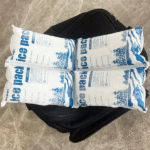
| Penempatan cairan pendingin | Untuk kalkun dingin, gunakan paket gel di sekitar dinding samping dan atas; untuk kalkun beku, memvalidasi es kering atau massa pendingin beku berdasarkan aturan pembawa. |
| Durasi transit | 24-72 H, dengan puncak liburan yang memerlukan tunjangan tinggal ekstra dan perencanaan waktu penerimaan. |
| Kerugian umum | Inti yang hangat, mencairkan tetesan, tas terpisah, keruntuhan karton, kerusakan label, penerimaan tertunda, dan penolakan pelanggan. |
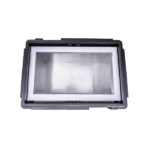
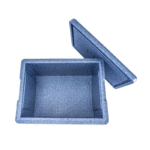
| Paket Tempk yang cocok | Tempk pengirim berinsulasi tugas berat dengan liner yang diperkuat, dasar penyerap, penempatan cairan pendingin yang dipetakan, dan validasi rute untuk hunian musim puncak. |
Pendekatan paket yang direkomendasikan
Mulailah dengan produk yang sudah berada dalam kisaran suhu pengiriman. Sebuah pengirim terisolasi tidak diharapkan untuk menurunkan daging hangat ke suhu target selama transit. Gunakan liner anti bocor, bahan penyerap, dan peta cairan pendingin yang menjaga massa dingin cukup dekat untuk mengontrol perolehan panas sekaligus mencegah tekanan langsung atau kontak beku pada kemasan ritel.
Alat pengambilan keputusan yang berguna
Periksa detailnya sebelum Anda memilih kemasan
Alat cepat ini dapat membantu Anda membandingkan risiko rute, kebutuhan ukuran, pilihan pendingin, dan detail kemasan sebelum Anda meminta penawaran.
Kalkulator Es Kering
Perkirakan kebutuhan es kering untuk pengiriman beku atau sangat dingin sebelum pengepakan.
Perkirakan es keringPemilih Kemasan
Bandingkan opsi kemasan berinsulasi berdasarkan produk, rute, dan kebutuhan suhu.
Temukan kemasannyaPembuat Daftar Periksa Kepatuhan
Buatlah daftar periksa praktis untuk tinjauan kemasan, pengiriman, dan dokumentasi.
Buat daftar periksaUntuk rute dingin, kemasan gel biasanya ditempatkan di sekitar dinding samping dan penutup karena panel atas dan dinding luar mempunyai beban panas terbesar selama penanganan parsel.. Untuk program yang dibekukan, jalur tersebut harus divalidasi secara terpisah karena es kering, paket gel beku, pelabelan, ventilasi, dan aturan penerimaan operator mengubah paket. Jangan mencampurkan asumsi dingin dan beku dalam uji kualifikasi yang sama.
Pemeriksaan kualitas sebelum dirilis
Sebelum menggunakan paket secara komersial, menjalankan validasi rute dengan ukuran pengirim yang sama, berat produk, massa pendingin, musim, dan layanan kurir. Periksa suhu produk pada saat kedatangan, kekeringan karton, integritas paket utama, bau, kondisi label, dan apakah cairan pendingin berpindah ke kontak langsung dengan produk.
Untuk pemilihan kemasan Tempk, titik awal yang biasa adalah EPS atau kinerja tinggi kotak terisolasi, kapal yang tersegel, dasar penyerap, dan paket gel yang sudah dikondisikan sebelumnya. Massa cairan pendingin akhir harus disesuaikan setelah uji jalur, bukan hanya dipilih dari volume karton. This helps the receiving team see a practical difference between a stable rantai dingin and a package that is merely cold when it leaves the warehouse.
Dasar referensi
Asumsi suhu selaras dengan panduan makanan berpendingin yang banyak digunakan untuk menjaga makanan mudah rusak 40 F / 4 C atau lebih rendah dan program dibekukan di 0 F / -18 C atau lebih rendah. Untuk daging dan unggas, selalu memvalidasi terhadap spesifikasi produk pengirim sendiri, jalur pembawa, dan persyaratan penerimaan tujuan.