Penyedia rantai dingin vaksin: 2025 panduan untuk logistik vaksin yang aman
Penyedia rantai dingin vaksin are the specialists who keep your vaccines potent from factory to clinic. They manage refrigeration, insulation and transportation at every stage so that every dose you receive remains within the correct temperature range. Without these experts, vaccines can lose their effectiveness, leading to wasted shipments and poor health outcomes. Pasar logistik rantai dingin layanan kesehatan global, dihargai pada USD 59.97 billion in 2024, diperkirakan akan tumbuh menjadi USD 65.14 billion in 2025 dan mencapai USD 137.13 miliar oleh 2034. This rapid growth underscores why understanding vaccine rantai dingin providers in 2025 matters more than ever. Climaterelated disruptions, such as rising ambient temperatures and unpredictable weather, already constrain rantai dingin performance and damage equipment. Knowing who the providers are, how they operate and what to consider when choosing one can help you protect your vaccines and patients.
Why dependable vaccine rantai dingin providers are crucial – learn why vaccines must stay between 2°C and 8°C, what goes wrong when they don’t, and how providers ensure potency.
How to choose the right provider – discover criteria such as quality, teknologi, compliance and global reach, plus tips for evaluating capacity and support.
Who leads the market in 2025 – explore top vaccine rantai dingin providers like Maersk, Layanan Kesehatan UPS, Lineage Logistics and DHL, and understand what makes them stand out.
Key trends and innovations – read about AIassisted route optimization, Sensor IoT untuk pemantauan waktu nyata, and renewable power solutions that make rantai dingin operations smarter and greener.
Jawaban atas pertanyaan umum – get concise responses to frequently asked questions about temperature ranges, cost considerations and technology in the vaccine rantai dingin.
Why are dependable vaccine rantai dingin providers so important?
Vaccines are delicate and must remain within a narrow temperature range to retain potency. Most vaccines require temperatures between +2°C and +8°C, but some advanced biologics and mRNA vaccines need ultracold storage at −70°C or lower. Deviations can render vaccines ineffective or even harmful. Climate change is intensifying this challenge by increasing ambient temperature variability and causing equipment deterioration or damage. Unreliable power supplies, poor road networks and unpredictable weather can interrupt transportation and storage, especially in regions like Africa where one in five children is not fully vaccinated due to distribution issues. Dependable vaccine rantai dingin providers protect the integrity of vaccines by:
Maintaining optimal temperatures – Providers use specialized containers, refrigerated vehicles and kemasan terisolasi to hold vaccines within the required range throughout the supply chain. They ensure that thermostatic data loggers record and monitor conditions continuously.
Deploying trained personnel – The vaccine rantai dingin relies on skilled workers who know how to handle sensitive biological products. The system requires three interdependent elements: appropriate transport and storage equipment, competent personnel and efficient management procedures.
Managing logistics – Providers coordinate shipments from production sites to regional stores, clinics and remote communities. They navigate challenging environments—damaged roads, flood zones and crossborder regulations—while adhering to strict protocols.
How temperature ranges affect vaccine efficacy
The rantai dingin includes four distinct temperature bands that vaccine rantai dingin providers must manage. Understanding these bands helps you choose the right provider for your vaccine type and schedule.
| Pita suhu | Kisaran khas | Common vaccine types | Apa artinya bagimu |
| Rantai dingin (didinginkan) | +2° C hingga +8 ° C. | Routine vaccines such as measles, polio, Hepatitis B | Provider must ensure constant refrigeration using insulated boxes, gel packs or active cooling during transport; deviations compromise potency. |
| Suhu ruangan terkontrol | +15° C hingga +25 ° C. | Some stable formulations and dried vaccines | Suitable for shortterm storage; providers focus on preventing excess heat or freezing during transit. |
| Beku | −20°C | Certain vaccines and drugs that need freezing | Requires specialized freezers and frozen gel packs; providers often use dry ice and passive systems to maintain this range. |
| Sangat dingin | −70°C or lower | mRNA vaccines and advanced biologics | Demands ultralow temperature freezers, cryogenic containers and constant monitoring. Providers must deliver robust backup power and rapid transit. |
Practical tips for maintaining vaccine integrity
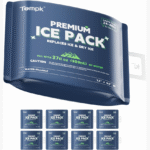
Kemasan prasyarat – Ensure that Paket gel or dry ice are properly conditioned to the desired temperature range before packing your vaccines.
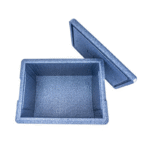
Gunakan wadah yang tervalidasi – Choose passive containers (kotak terisolasi) for short journeys and active containers (powered units) for longer trips or extreme temperatures.
Pantau terus menerus – Employ data loggers and IoT sensors to record temperature, humidity and shock events at regular intervals. Providers should share realtime data with clients to foster transparency.
Rencanakan Kontinjensi – Develop contingency plans for power outages, delays and weather disruptions. Solar power and battery backups can help maintain refrigeration when the grid fails.
Latih tim Anda – Human error is a leading cause of temperature excursions. Meminta pelatihan rutin bagi staf yang menangani vaksin, mulai dari pengemasan dan pengiriman hingga penerimaan dan administrasi.
Kasus dunia nyata: Sebuah studi di Negara Bagian Ogun, Nigeria, menemukan bahwa peningkatan suhu lingkungan dan cuaca yang tidak dapat diprediksi merusak peralatan rantai dingin dan mengganggu distribusi vaksin. Peserta merekomendasikan untuk segera mengganti sumber daya yang rusak, melatih personel dan meningkatkan sistem pemantauan. Contoh ini menunjukkan bagaimana tantangan perubahan iklim dapat dimitigasi dengan pemeliharaan yang proaktif, pendidikan dan pengawasan digital.
Bagaimana Anda memilih penyedia rantai dingin vaksin yang tepat?
Memilih penyedia rantai dingin vaksin memerlukan evaluasi yang cermat terhadap kemampuan mereka. Para pemimpin industri unggul dalam hal ini kualitas, teknologi dan keandalan. They combine temperaturecontrolled transportation, pergudangan dan pemantauan untuk menjaga integritas vaksin di setiap tahap. Saat membandingkan penyedia, Pertimbangkan faktor -faktor berikut:
Kualitas dan kepatuhan – Top providers adhere to international standards such as Good Distribution Practice (PDB) dan ISO 22000. They invest in validated packaging, humidity control and calibrated equipment.
Technology and visibility – Realtime monitoring is indispensable. Cari penyedia yang menggunakan sensor IoT, RFID tags and AIenabled route optimization. Maersk’s Captain Peter assistant, Misalnya, offers realtime container tracking across land, laut dan udara.
Network and capacity – If your shipments cross borders, ensure your provider has a global network and large storage capacity. Lineage Logistics leads the sector with 2.98 billion ft³ of storage, diikuti oleh Americanold (1.45 billion ft³) dan NewCold (458.6 million ft³). Strong capacity reduces delays and helps manage peak demand.
Solusi khusus – Providers should tailor solutions to your product’s temperature requirements. DHL, Misalnya, offers humiditycontrolled transport and specialized packaging for vaccines and other sensitive products.
Keberlanjutan dan inovasi – Consider providers investing in ecofriendly refrigeration and renewable energy sources. Perubahan iklim memerlukan sistem berketahanan yang meminimalkan emisi karbon sekaligus menjaga keandalan.
Penyedia rantai dingin vaksin terkemuka di 2025
Itu 2025 lanskap menampilkan beberapa perusahaan terkemuka. Di bawah ini adalah ringkasan penyedia rantai dingin vaksin terbaik, kekuatan mereka dan apa artinya bagi Anda. Perusahaan-perusahaan ini secara konsisten memberikan layanan rantai dingin yang andal dan berinvestasi dalam teknologi, kapasitas dan kepatuhan.
| Perusahaan | Kekuatan inti | Jangkauan global | Apa artinya bagimu |
| Maersk | Manajemen rantai dingin terintegrasi, pendinginan canggih dan pemantauan jarak jauh. Memiliki aset di seberang lautan, darat dan udara memungkinkan kendali penuh. | Di seluruh dunia, with coordinated landseaair networks. | Confidence in consistent temperature control and visibility across continents. |
| Layanan Kesehatan UPS | Streamlined rantai dingin network, thermal packaging and realtime command center monitoring. Acquired Andlauer Healthcare Group in 2025, adding warehouses and trucks. | Global healthcare logistics network with strong North American presence. | Reliable nextmorning delivery of vaccines at −80 °C and expanded Canadian coverage. |
| Logistik Silsilah | Kapasitas penyimpanan dingin terbesar (2.98 billion ft³) and datadriven optimization. | Lebih 400 fasilitas di seluruh dunia. | Reduced waste and improved efficiency through automated warehouses and predictive analytics. |
| Amerika dingin | Comprehensive temperaturecontrolled storage and distribution, five fulfillment locations enabling twoday delivery to 99 % dari A.S. populasi. | Primarily North America with expanding global operations. | Fast directtoconsumer fulfillment and broad U.S. cakupan. |
| Rantai Dingin Pengangkutan DHL | Tailored solutions including humidity control and customized packaging. | Beroperasi lintas benua. | Solusi rantai dingin yang fleksibel untuk beragam produk, dari vaksin hingga produk segar. |
| Fedex | Paket dingin khusus, kotak dingin dan wadah Credo Cube yang dapat bertahan pada suhu 2–8 °C hingga lima hari. | Jaringan global dengan kemitraan. | Perlindungan suhu yang diperluas dan jaminan kepatuhan. |
| Kuehne + Nagel | Layanan KN FreshChain dengan peralatan reefer khusus dan 24/7 pemantauan. | Cakupan di seluruh dunia, sangat kuat di Eropa dan Asia. | Realtime visibility and customized options for seafood, buah-buahan beku dan vaksin. |
| Logistik CEVA | Menawarkan serangkaian solusi rantai dingin mulai dari pendingin hingga beku, dengan es kering dan paket gel. | Kehadiran global melalui udara, logistik laut dan jalan raya. | Solusi fleksibel untuk kebutuhan suhu yang bervariasi. |
| DSV | Infrastruktur global yang luas dengan jaringan charter udara, gudang dan transportasi multimoda. | Operasi di seluruh dunia. | Kontrol penuh atas rantai dingin, mengurangi ketergantungan pada pihak ketiga. |
| GEODIS | Specialises in healthcare logistics with doortodoor delivery and rigorous monitoring. | Global, with strong European base. | Secure delivery of pharmaceuticals, perbekalan klinis dan peralatan medis. |
Tips for evaluating vaccine rantai dingin providers
Kaji kebutuhan suhu – Identify the specific temperature range your vaccines require and verify that potential partners have the equipment (MISALNYA., cryogenic freezers for −70 °C or active containers for +2°C – +8°C) to meet those needs.
Evaluasi jaringan dan kapasitas – Ensure the provider’s infrastructure aligns with your distribution footprint. Multimodal networks like Maersk’s can reduce transit times and delays.
Check technology and visibility – Seek providers offering IoT sensors, realtime dashboards and 24/7 pemantauan. Realtime alerts enable rapid intervention when temperature excursions occur.
Verifikasi sertifikasi – Confirm compliance with GDP, Iso 22000 dan standar relevan lainnya. Ask for quality audits and training records.
Pertimbangkan keberlanjutan – Prioritize providers that invest in renewable energy, ecofriendly materials and energyefficient refrigeration. This not only reduces carbon footprint but also mitigates risks from power outages.
Market trends shaping vaccine rantai dingin providers in 2025
Lanskap rantai dingin vaksin berkembang pesat. Understanding market trends helps you anticipate future demands and technological shifts.
Pertumbuhan pasar: The global healthcare rantai dingin logistics market is expected to expand from USD 59.97 miliar masuk 2024 ke USD 65.14 miliar masuk 2025, mencapai USD 137.13 miliar oleh 2034 dengan a CAGR dari 8.63 %. Dalam pasar yang lebih luas ini, itu vaccine rantai dingin logistics subsector dihargai pada USD 3.5 miliar masuk 2024 dan diproyeksikan akan mengenai USD 5.9 miliar oleh 2034 di a 5.3 % CAGRSaya. Meningkatnya permintaan akan produk biologis, gene therapies and mRNA vaccines is fueling this expansion.
Integrasi AI dan IoT: Advanced technologies are enhancing reliability and efficiency. Didorong oleh AI solusi rantai dingin integrate IoT sensors to track realtime temperature and location data during transit. Ketika penyimpangan terjadi, AI alerts logistics teams so they can take corrective actions. Dynamic routing algorithms optimize transport routes, ensuring timely delivery and reducing delays. Software solutions are projected to register the highest CAGR within the rantai dingin monitoring market because digital traceability and compliance are becoming mandatory.
Growing rantai dingin monitoring market: Itu pasar pemantauan rantai dingin global diperkirakan akan tumbuh USD 8.31 miliar masuk 2025 ke USD 15.04 miliar oleh 2030, di a 12.6 % CAGR. Companies are investing in intelligent monitoring systems that integrate IoT sensors, pelacakan waktu nyata dan analisis prediktif. Chilled temperature (0 °C – 10 ° C.) holds the largest share of this market because both food and pharmaceuticals depend on refrigeration.
Dinamika wilayah: North America currently dominates the healthcare rantai dingin market, while the AsiaPacific region is expected to grow fastest due to increasing demand for perishable foods, farmasi dan e-niaga. Investments in modern penyimpanan dingin, refrigerated transport and lastmile delivery are accelerating growth in China, India, Japan and South Korea.
Inovasi kemasan: Pharmaceutical temperaturecontrolled packaging solutions are projected to grow from USD 6.38 miliar masuk 2025 ke USD 11.03 miliar oleh 2034 di a 6.30 % CAGR. These solutions include reusable and singleuse wadah terisolasi that maintain temperature ranges for vaccines, biologi dan terapi gen. The reusable segment dominated the market in 2024 because it offers reduced waste and cost savings. Key temperature bands for packaging include rantai dingin (2 °C – 8 ° C.), suhu kamar (15 °C – 25 ° C.), beku (−20 °C) dan sangat dingin (−70 °C).
Keberlanjutan dan energi terbarukan: Climate change remains a formidable threat. Rising ambient temperatures and unpredictable weather increase the risk of temperature excursions. Providers are adopting solarpowered refrigerators, highefficiency solar panels and large battery storage capacity to ensure uninterrupted refrigeration. Investments in ecofriendly refrigeration and kemasan berkelanjutan also reduce the carbon footprint.
Tren peraturan dan kepatuhan: Pemerintah memperketat pengawasan terhadap rantai pasokan farmasi. Undang-Undang Keamanan Rantai Pasokan Narkoba (DSCSA) di AS. mengamanatkan data transaksi elektronik dan ketertelusuran digital. Kegagalan menerapkan pelacakan digital dapat menyebabkan risiko kepatuhan dan kerugian produk. Dalam skala global, Sistem Informasi Manajemen Rantai Dingin Nasional di India dan Badan Akreditasi Nasional untuk Manajemen Rantai Dingin (NABCCM) diluncurkan pada awal 2025 untuk meningkatkan kepatuhan dan pelatihan rantai dingin.
Alat pengambilan keputusan yang berguna
Periksa detailnya sebelum Anda memilih kemasan
Alat cepat ini dapat membantu Anda membandingkan risiko rute, kebutuhan ukuran, pilihan pendingin, dan detail kemasan sebelum Anda meminta penawaran.
Kalkulator Es Kering
Perkirakan kebutuhan es kering untuk pengiriman beku atau sangat dingin sebelum pengepakan.
Perkirakan es keringPelapis Kotak & Ukuran Penutup Palet
Centang kotak logika ukuran penutup palet dan liner untuk proyek pengemasan berinsulasi.
Perkiraan ukuranReferensi Bahan Isolasi
Bandingkan pilihan bahan insulasi untuk kebutuhan pengemasan rantai dingin yang berbeda.
Bandingkan bahanTantangan yang dihadapi penyedia rantai dingin vaksin dan cara mengatasinya
Tantangan iklim dan lingkungan
Meningkatnya suhu: Suhu global setidaknya telah meningkat 1 °C since preindustrial times, dengan prediksi IPCC a 1.5 °C meningkat antara 2030 Dan 2052. These increases strain refrigeration equipment and raise operational costs.
Unpredictable weather: Floods, storms and heatwaves disrupt transportation and energy supply, especially in regions with poor infrastructure.
Power instability: Frequent outages and lack of alternative power sources hinder rantai dingin operations. Solar radiance in Southwest Nigeria ranges between 4 Dan 6 kWh/m²/day, requiring highefficiency solar panels (≥18 %) and large battery capacity to maintain refrigeration.
Strategi mitigasi: Invest in renewable energy systems (panel surya, backup batteries) and build redundancy into storage. Use predictive weather analytics to plan routes and preposition inventory. Policies should support prompt replacement of damaged equipment and continuous training for rantai dingin workers.
Logistical and infrastructural challenges
Poor road networks: Daerah-daerah terpencil sering kali mengalami kekurangan infrastruktur. Banjir musiman dapat membuat rute tidak dapat dilalui.
Fasilitas penyimpanan terbatas: Di sebagian Afrika dan wilayah berkembang lainnya, fasilitas penyimpanan tidak mencukupi, dan masih banyak anak yang belum menerima vaksinasi karena kesenjangan distribusi.
Complex crossborder regulations: Tiap negara mempunyai adat istiadat yang berbeda-beda, persyaratan dokumentasi dan perizinan. Keterlambatan di perbatasan dapat membahayakan pengendalian suhu.
Strategi mitigasi: Penyedia harus berinvestasi dalam jaringan multimoda yang fleksibel (udara, laut, jalan). Partner with local governments and NGOs to improve lastmile delivery. Manfaatkan teknologi seperti sensor GPS dan IoT untuk memantau pengiriman dan mengubah rute dengan cepat jika terjadi penundaan.
Tantangan teknologi dan operasional
Manajemen data: Realtime monitoring generates enormous data sets. Companies must implement robust analytics platforms to interpret data and trigger corrective actions..
Keamanan siber: Increased digitalization increases vulnerability to cyberattacks. Protecting data integrity is essential for regulatory compliance and patient safety.
Tenaga kerja terampil: Training staff on advanced systems, AI tools and compliance requirements is crucial. Lack of skills can lead to procedural errors and temperature excursions..
Strategi mitigasi: Invest in secure cloud platforms and encrypted communications. Implement rolebased access controls and regular audits. Offer regular training and certification programmes through bodies like the National Accreditation Body for rantai dingin Management.
Future developments and innovations in vaccine rantai dingin providers
Innovation is reshaping how vaccine rantai dingin providers operate. Here are some developments to watch:
Analisis prediktif yang didukung AI – AI algorithms analyze historical temperature data, weather patterns and transport routes to predict potential excursions and recommend preemptive actions.
Kembar digital dan simulasi – Providers use digital replicas of their networks to simulate disruptions and optimize resources before events occur.
Blockchain untuk ketertelusuran – Distributed ledger technology ensures immutable records of temperature and location data, enhancing transparency and trust in vaccine distribution.
Hybrid packaging systems – Combining passive and active cooling methods offers longer hold times and reduces energy consumption. Temperaturecontrolled packaging solutions market growth demonstrates the increasing adoption of innovative containers.
Integrasi energi terbarukan – Solar refrigeration units and smart microgrids provide offgrid cold storage capacity. Highefficiency solar panels and large battery storage ensure continuous cooling even during prolonged outages.
Kendaraan otonom dan drone – In remote or emergency situations, unmanned aerial vehicles deliver vaccines quickly, bypassing damaged roads and reducing transit times.
2025 trends and forecasts at a glance
Pertumbuhan pasar: Healthcare rantai dingin logistics to reach USD 65.14 miliar masuk 2025.
Logistik rantai dingin vaksin: USD 3.5 miliar masuk 2024 dengan proyeksi pertumbuhan sebesar USD 5.9 miliar oleh 2034Saya.
Pemantauan rantai dingin: Market rising from USD 8.31 miliar (2025) ke USD 15.04 miliar (2030).
Solusi pengemasan: Growing from USD 6.38 miliar (2025) ke USD 11.03 miliar (2034).
Integrasi tenaga surya dan terbarukan: Increasing deployment of solar refrigeration and battery storage to counter power instability.
Pertanyaan yang sering diajukan
Q1: What is a vaccine rantai dingin provider?
A vaccine rantai dingin provider is a logistics company specialized in maintaining temperaturecontrolled storage and transportation for vaccines. Mereka menggunakan kemasan terisolasi, kendaraan berpendingin, data loggers and trained personnel to ensure vaccines stay within required temperature ranges from manufacturer to end user.
Q2: Mengapa vaksin harus disimpan di antara keduanya +2 °C dan +8 ° C.?
Most vaccines lose potency outside this narrow range. Mempertahankan +2 ° C ke +8 ° C. preserves the stability of vaccine components and prevents degradation. Deviations can result in ineffective doses and wasted product.
Q3: How do vaccine rantai dingin providers handle ultracold vaccines like mRNA shots?
Ultracold vaccines require storage at –70 °C atau lebih rendah. Providers use special cryogenic freezers, dry ice and active cooling containers. Layanan Kesehatan UPS, Misalnya, operates cryogenic warehouses and offers dry ice replenishment stations to maintain ultracold conditions.
Q4: What role do IoT sensors play in vaccine logistics?
Sensor IoT mengukur suhu, kelembaban, lokasi dan peristiwa kejutan secara real time. They send data to dashboards that alert operators when conditions deviate. This continuous monitoring enables rapid intervention and supports compliance with regulations like the FDA’s 21 Bagian CFR 11.
Q5: Are rantai dingin logistics expensive?
Costs vary depending on temperature requirements, jarak, packaging type and service level. Ultracold shipments are more expensive due to specialized equipment. Namun, partnering with efficient providers reduces waste and avoids costly vaccine spoilage. Advances in technology and reusable packaging can lower longterm costs.
Q6: How can small clinics or research facilities evaluate providers?
Small organizations should focus on providers that offer flexible solutions, such as modular packaging and scalable storage. Ensure the provider has local support, transparent pricing and a track record of compliance. Minta referensi dan metrik kinerja, seperti tarif pengiriman tepat waktu dan catatan perjalanan suhu.
Q7: What happens if vaccines are exposed to high temperatures?
Exposure to heat can degrade active ingredients, reducing vaccine efficacy and posing safety risks. Misalnya, climaterelated disruptions cause equipment deterioration and distribution delays, emphasizing the need for proper storage and monitoring.
Q8: Apa perbedaan sistem rantai dingin aktif dan pasif??
Passive systems use insulated containers with gel packs or dry ice to maintain temperature without external power—ideal for short routes. Active systems incorporate mechanical refrigeration and batteries, providing precise temperature control for longer journeys and ultracold shipments. Some modern containers combine both approaches for flexibility.
Ringkasan dan Rekomendasi
Vaccine rantai dingin providers ensure that vaccines remain safe and effective from manufacture to administration. Mempertahankan suhu antara 2 °C dan 8 ° C. is essential to protect vaccine potency. The rapid growth of the healthcare rantai dingin logistics market—from USD 59.97 miliar masuk 2024 ke USD 65.14 miliar masuk 2025—highlights the increasing demand for reliable providers. Technological innovations such as AIassisted routing, IoT sensors and predictive analytics are transforming the industry and lowering the risk of temperature excursions. Namun, tantangan tetap ada: climate change, power instability, regulatory compliance and skill gaps all threaten vaccine quality. To safeguard your vaccines, choose providers with robust quality systems, visibilitas waktu nyata, global networks, dan komitmen terhadap keberlanjutan. Implement continuous training for staff and leverage digital tools for monitoring and traceability.
Langkah selanjutnya yang dapat ditindaklanjuti
Identifikasi persyaratan suhu for your vaccines and ensure your provider offers the necessary equipment and packaging.
Request a technology demonstration – ask potential providers to showcase their monitoring dashboards, IoT integration and alert systems.
Review compliance records – verify certifications, audit history and staff training programmes.
Rencanakan Kontinjensi – establish backup power solutions and alternative transport routes to mitigate climateinduced disruptions.
Berinteraksi dengan para ahli – consult with supply chain specialists or join industry initiatives like the National rantai dingin Management Information System to stay ahead of regulatory changes.
Tentang Tempk
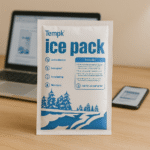
Tempk adalah penyedia terkemuka Kemasan rantai dingin solusi. We design reusable and recyclable insulated containers, Paket es and temperaturecontrolled bags that keep pharmaceuticals and vaccines within the required temperature range. R&D center berfokus pada material berkelanjutan dan desain hemat energi, ensuring that our products meet or exceed international quality standards. We also offer tailored solutions for food delivery and medical shipments, backed by rigorous quality guarantees. With a commitment to innovation and ecofriendliness, Tempk helps clients reduce waste, protect product integrity and comply with evolving regulations.
Langkah selanjutnya: If you need assistance selecting the right vaccine rantai dingin provider or implementing an efficient rantai dingin strategy, hubungi ahli kami. We’re here to help you safeguard your vaccines and support global health.