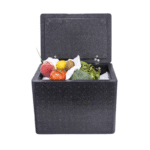
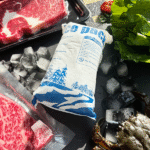
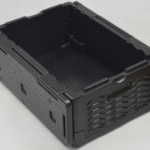
Kontainer berpendingin VIP untuk pengiriman bioteknologi: Panduan Seleksi Praktis
Cara paling aman untuk mengevaluasi a Kontainer berpendingin VIP untuk pengiriman bioteknologi adalah memperlakukannya sebagai salah satu bagian dari sistem pengemasan yang terkendali. Insulasi VIP dapat memberikan ketahanan termal yang kuat dalam struktur yang kompak, tetapi itu tidak dapat menentukan kisaran suhu yang Anda perlukan, kondisikan cairan pendingin Anda, mencegah pemuatan yang buruk, atau tulis prosedur penerimaan Anda. Untuk pengiriman bioteknologi, keputusan yang berguna adalah apakah wadahnya, pendingin, perlindungan muatan, pemantauan, dan dokumentasi semuanya sesuai dengan rute pengiriman Anda sebenarnya.
Jawaban praktis sebelum Anda memilih pemasok
Kontainer berpendingin VIP untuk pengiriman bioteknologi adalah kandidat yang tepat jika paket Anda saat ini terlalu besar, terlalu dekat dengan batas suhu, terlalu lemah pada titik serah terima, atau terlalu sulit untuk didokumentasikan. Ini tidak secara otomatis menjadi solusi yang tepat untuk setiap pengiriman. Kisaran suhu yang diperlukan, durasi rute, geometri muatan, pilihan pendingin, dan ekspektasi bukti harus ditentukan sebelum Anda membandingkan sampel.
Petakan kiriman sebelum Anda menyetujui kotaknya
Spesifikasi pertama bukanlah dimensi luar, ketebalan dinding, atau harga. Itu adalah rutenya. Rute mencakup waktu transit, waktu pementasan, serah terima kendaraan atau pesawat udara, waktu tinggal di bea cukai atau gudang, paparan musiman, dan proses penerimaannya. Untuk pengiriman bioteknologi, titik-titik tersebut menimbulkan sebagian besar risiko praktis karena produk sering kali berada di luar kondisi penyimpanan ideal saat orang sedang berpindah, memeriksa, atau menunggu.
Wadah VIP yang dipilih dengan baik memberi Anda efisiensi isolasi lebih banyak daripada banyak busa konvensional atau kotak plastik dalam volume paket yang sama. Keuntungan tersebut penting bila tujuan pengiriman Anda adalah melindungi reagen, Biologi, enzim, bahan yang berhubungan dengan sel, atau sampel penelitian dari panas, pembekuan, menunda, dan kesenjangan dokumentasi. Tidak menjadi masalah jika pengirimannya singkat, dapat diprediksi, nilai rendah, dan sudah dibuktikan dengan paket yang lebih sederhana. Kontainer sebaiknya dipilih hanya setelah Anda mengetahui di mana paket saat ini gagal atau di mana rute berikutnya akan menjadi lebih sulit.
Tulis jalur tersebut sebagai cerita pengoperasian sederhana sebelum Anda meminta sampel: produk meninggalkan penyimpanan, operator mengkondisikan cairan pendingin, muatannya dimuat, tutupnya tertutup, seorang pengangkut mengumpulkan kotak itu, terjadi serah terima, kirimannya tiba, dan penerima membukanya. Di setiap langkah, tanyakan apa yang bisa mengubah suhu, merusak muatannya, atau melemahkan bukti. Latihan yang satu ini biasanya memberikan kriteria pembelian yang lebih baik daripada daftar panjang klaim isolasi umum.
Muatan biotek sensitif terhadap penundaan dan pilihan cairan pendingin yang salah
Pengiriman bioteknologi sering kali melibatkan muatan kecil dengan nilai ilmiah atau komersial yang tinggi. Bahan tersebut mungkin merupakan reagen, biologis, enzim, sampel yang berhubungan dengan sel, komponen perlengkapan, atau tempat penelitian. Banyak yang sensitif terhadap perubahan suhu, dan beberapa sama-sama sensitif terhadap pembekuan, paparan es kering, getaran, atau penundaan bea cukai.
Kontainer berpendingin VIP hanya berguna jika pengiriman berpendingin pasif sesuai dengan spesifikasi material. Beberapa bahan memerlukan penanganan beku atau sangat rendah, dan beberapa memerlukan peralatan aktif atau kriogenik. Oleh karena itu, keputusan pembelian harus memisahkan kata 'pengiriman biotek' dari kebutuhan material sebenarnya.
Karena penundaan rute sering terjadi dalam logistik penelitian lintas batas, paket harus menyertakan toleransi penundaan, penempatan monitor, dan menerima eskalasi. Format VIP yang ringkas dapat mengurangi beban pengiriman, namun hal ini tidak boleh mengecilkan buffer cairan pendingin atau muatan sejauh ini sehingga salah satu penahan pabean menyebabkan kegagalan.
Perlakukan isolasi VIP sebagai margin termal, bukan jaminan
Panel berinsulasi vakum membantu mengurangi perpindahan panas konduktif melalui permukaan berinsulasi utama. Di sebuah Kontainer pengiriman, yang dapat menciptakan lebih banyak ruang internal yang dapat digunakan atau penyangga termal yang lebih kuat dibandingkan dinding konvensional yang lebih tebal. Manfaatnya sangat berharga ketika muatannya bernilai tinggi, kotaknya harus tetap kompak, atau biaya pengiriman dipengaruhi oleh berat dimensi.
Keterbatasan praktisnya adalah kotak sebenarnya bukanlah panel laboratorium. Panas masih bisa masuk melalui tutupnya, sudut, sambungan panel, daerah yang rusak, dan setiap ruang di mana operator meninggalkan celah. Pendingin juga dapat menimbulkan risiko jika kondisinya kurang baik, kondisi yang berlebihan, ditempatkan langsung pada barang-barang yang sensitif terhadap pembekuan, atau diatur sedemikian rupa sehingga udara tidak dapat bergerak sebagaimana mestinya di dalam kemasan.
Untuk pengiriman bioteknologi, paket tersebut harus digambarkan sebagai suatu sistem: wadah luar, lapisan VIP, lapisan pelindung, pendingin atau PCM, pembagi muatan, bahan penyerap atau penghalang jika diperlukan, monitor suhu, label, dan instruksi. Jika satu bagian berubah, kinerja seluruh sistem dapat berubah. Oleh karena itu, persetujuan sampel harus mencakup cara pengemasan kotak tersebut, tidak hanya cara pembuatannya.
Bangun bukti ke dalam paket dari awal
Kontainer tidak menciptakan kepatuhan dengan sendirinya. Ini mendukung suatu proses. Tergantung produk dan pasarnya, tim Anda mungkin memerlukan prosedur tertulis, penilaian risiko rute, kemasan yang berkualitas, pemantauan suhu, menerima pemeriksaan, dan penanganan penyimpangan. Untuk pengiriman bioteknologi, bukti pengemasan yang paling berguna adalah bukti yang membantu penerima memutuskan apakah kiriman dapat diterima.
Kerangka sumber yang relevan dapat mencakup konsep TTSPP WHO jika berlaku, Praktik kargo kesehatan IATA, persyaratan barang berbahaya ketika es kering digunakan, dan persyaratan mutu laboratorium internal. Sumber-sumber ini tidak semuanya berlaku sama untuk setiap pengiriman. Rute makanan, jalur medis, dan jalur e-niaga kosmetik dapat memiliki ekspektasi hukum dan kualitas yang berbeda. Pembeli harus mengkonfirmasi aturan yang berlaku dengan kualitas, peraturan, atau tim keamanan pangan alih-alih meminta pemasok pengemasan untuk membuat janji kepatuhan universal.
Paket bukti praktis sering kali mencakup jenis sampel, kisaran suhu yang diterima, durasi rute, tunjangan penundaan, kompatibilitas cairan pendingin, catatan suhu, dan SOP serah terima. Catatan spesifiknya bergantung pada produk dan rute Anda, tapi prinsipnya stabil: jangan mengandalkan klaim pengemasan yang tidak dapat ditelusuri ke kemasan tertentu dan kondisi pengoperasian yang ditentukan.
Pilih wadah dengan bukti praktis
| Pertanyaan pembeli | Apa yang harus ditanyakan kepada pemasok | Jawaban yang bermanfaat harusnya ditunjukkan |
|---|---|---|
| Persyaratan suhu | Rangkaian produk dan aturan perjalanan apa yang dirancang untuk paket tersebut? | Rangkaian produk khusus, bukan klaim rantai dingin yang umum |
| Klaim waktu tunggu | Profil ambien apa, muatan, pendingin, dan kriteria lulus mendukung klaim tersebut? | Konteks tes atau pernyataan jelas bahwa kualifikasi lebih lanjut diperlukan |
| Ruang muatan yang dapat digunakan | Apakah volumenya sudah termasuk cairan pendingin, jangka pembagi garis, dan memantau penempatannya? | Gambar atau foto paket yang dimuat, tidak hanya dimensi internal kotor |
| Kompatibilitas cairan pendingin | Paket gel yang mana, PCM, es, atau jalur es kering yang dimaksudkan? | Instruksi pengkondisian dan pemisahan dari barang sensitif |
| Penanganan dan penggunaan kembali | Bagaimana seharusnya panel, segel, liner, dan penutupan diperiksa? | SOP praktis yang dapat diikuti berulang kali oleh operator |
| Dokumentasi | Catatan apa yang mendukung keputusan pengiriman dan penerimaan? | Rencana penebang, daftar periksa paket, langkah penyimpangan, dan kriteria penerimaan |
Tabel ini tidak dimaksudkan untuk memperlambat pembelian. Ini mencegah sampel yang salah terlihat menarik. Untuk pengiriman bioteknologi, sampel yang sesuai dengan muatannya tetapi tidak memiliki instruksi cairan pendingin yang jelas dapat menimbulkan lebih banyak risiko operasional dibandingkan paket yang sedikit lebih besar dengan bukti yang lebih baik.
Gunakan tabel selama panggilan pemasok dan tinjauan internal. Jika jawaban tidak tersedia, memperlakukannya sebagai item verifikasi dan bukan sebagai alasan untuk segera menolak pemasok. Diskusi pengemasan yang baik sering kali dimulai dengan hal yang tidak diketahui; poin pentingnya adalah mengidentifikasinya sebelum pesanan produksi atau pengiriman langsung.
Alat pengambilan keputusan yang berguna
Periksa detailnya sebelum Anda memilih kemasan
Alat cepat ini dapat membantu Anda membandingkan risiko rute, kebutuhan ukuran, pilihan pendingin, dan detail kemasan sebelum Anda meminta penawaran.
Pelapis Kotak & Ukuran Penutup Palet
Centang kotak logika ukuran penutup palet dan liner untuk proyek pengemasan berinsulasi.
Perkiraan ukuranPendingin & Referensi PCM
Bandingkan opsi cairan pendingin dan PCM ketika suatu rute memerlukan dukungan suhu tambahan.
Bandingkan pilihanPemeriksa Risiko Rute
Tinjau kondisi jalur sebelum memilih kemasan untuk mengetahui kebutuhan pengoperasian sebenarnya.
Periksa risiko ruteContoh: mengubah permintaan yang tidak jelas menjadi laporan singkat yang dapat digunakan
Sebuah tim bioteknologi harus mengirimkan kit reagen berukuran kecil yang bernilai tinggi ke luar negeri dan menginginkan paket kompak yang dapat menangani penundaan bea cukai tanpa beban cairan pendingin yang berlebihan.. Permintaan pertama mungkin terdengar sederhana: 'Tolong berikan penawaran berupa kontainer berpendingin VIP untuk pengiriman bioteknologi.' Penjelasan singkat yang lebih baik menjelaskan produk, kisaran suhu yang diperlukan, kuantitas per pengiriman, durasi rute, kemungkinan titik serah terima, aturan pembukaan, dan siapa yang akan memeriksa kiriman pada saat kedatangan.
Dengan singkat itu, pemasok dapat mendiskusikan apakah isolasi VIP sesuai, keluarga pendingin apa yang harus dipertimbangkan, berapa banyak sisa ruang muatan yang dapat digunakan setelah cairan pendingin dan pembagi, dan di mana monitor seharusnya diletakkan. Pembeli kemudian dapat membandingkan tidak hanya harga tetapi juga kesulitan pengepakan, kualitas bukti, dan seberapa besar ketidakpastian rute yang dapat ditoleransi oleh desain tersebut.
Ini adalah contoh hipotetis, bukan janji kinerja. Paket akhir harus diperiksa sesuai dengan persyaratan produk sebenarnya dan, jika diperlukan, profil tes atau kualifikasi jalur. Nilai dari contoh tersebut adalah logika pembelian: ubah risiko produk menjadi persyaratan paket sebelum Anda menegosiasikan detail kotak.
Apa yang harus dikonfirmasi sebelum berpindah dari sampel ke pesanan berulang
Percakapan pemasok yang kuat bersifat spesifik. Tanyakan tentang dimensi internal dan dimensi eksternal, tetapi tanyakan juga bagaimana dimensi tersebut berubah setelah cairan pendingin dan pembagi dimuat. Tanyakan apakah sampel dibuat dari bahan dan metode konstruksi yang sama dengan unit produksi. Tanyakan bagaimana kerusakan panel terdeteksi, bagaimana tutup dan segel diperiksa, dan penggantian apa yang diperbolehkan jika suatu komponen kehabisan stok.
Jika wadahnya dapat digunakan kembali, model komersial harus mencakup logistik terbalik. Siapa pemilik kotak itu setelah melahirkan? Siapa yang membersihkannya? Siapa yang memeriksa panel VIP dan penutupan? Apa yang terjadi jika penerima kehilangan satu komponen? Kemasan yang dapat digunakan kembali dapat mengurangi limbah melalui rute yang berulang, tetapi hanya jika putaran balik cukup terkontrol untuk melindungi kinerja dan biaya.
Untuk tim operasi bioteknologi, manajer laboratorium, tim logistik penelitian klinis, dan spesialis pengadaan, Daftar terpilih terbaik jarang sekali merupakan pemasok dengan pernyataan kinerja paling dramatis. Pemasoklah yang dapat menjelaskan batasannya, menunjukkan bagaimana paket dirakit, dan bantu tim Anda menentukan apa yang harus diverifikasi sebelum pengiriman menjadi rutin.
Hindari jalan pintas persetujuan ini
Kebanyakan kegagalan tidak disebabkan oleh satu material yang lemah. Hal ini disebabkan oleh ketidaksesuaian antara kebutuhan produk dan cara penggunaan kemasan. Untuk pengiriman bioteknologi, berikan perhatian khusus pada asumsi semua barang biotek menggunakan jenis yang sama, memilih es kering tanpa tinjauan kompatibilitas, merusak muatan yang sensitif terhadap pembekuan, melupakan penundaan bea cukai, dan gagal memisahkan sampel dari cairan pendingin.
- Menyetujui wadah luar tanpa menyetujui paket yang dimuat.
- Membandingkan volume kotor sambil mengabaikan berapa banyak ruang pendingin, jangka pembagi garis, dan memantau konsumsi.
- Menggunakan klaim hold-time tanpa memeriksa profil ambien dan muatan di belakangnya.
- Membiarkan operator mengubah posisi cairan pendingin karena petunjuknya tidak jelas.
- Menempatkan pencatat suhu di tempat yang nyaman, bukan di tempat yang menunjukkan risiko muatan.
- Dengan asumsi wadah yang dapat digunakan kembali bersifat berkelanjutan tanpa pengembalian yang realistis, pembersihan, dan proses pemeriksaan.
Cara sederhana untuk mengurangi kesalahan ini adalah dengan membekukan paket yang disetujui sebagai dokumen operasi. Sertakan foto, instruksi pengkondisian cairan pendingin, memuat pesanan, substitusi yang dapat diterima, memantau lokasi, metode penutupan, dan menerima cek. Jika diperlukan perubahan, mencatat mengapa perubahan dilakukan dan apakah peninjauan lebih lanjut diperlukan.
FAQ
Merupakan container berpendingin VIP untuk pengiriman biotek sama dengan container berpendingin aktif?
TIDAK. Di sebagian besar diskusi pembeli, A Kotak pengiriman VIP atau wadah adalah paket terisolasi pasif. Ini menggunakan isolasi berkinerja tinggi dan strategi pendingin atau PCM yang dipilih, tetapi ia tidak mendinginkan muatan secara mekanis kecuali jika sistem bertenaga terpisah ditentukan. Anggap saja sebagai kemasan pasif yang masih memerlukan desain kemasan, pengkondisian, pemantauan, dan pengendalian penanganan.
Apa yang harus saya verifikasi sebelum menyetujui sampel pengiriman VIP?
Verifikasi kisaran suhu yang diperlukan, kuantitas muatan, ruang internal yang dapat digunakan, tipe pendingin, metode pengkondisian cairan pendingin, memantau lokasi, durasi rute, risiko serah terima, dan kriteria penerimaan. Untuk pengiriman bioteknologi, juga mengkonfirmasi risiko spesifik produk yang paling penting, seperti sensitivitas beku, air lelehan, kontaminasi, stabilitas formula, atau persyaratan dokumentasi.
Bisakah waktu tunggu yang dinyatakan pemasok digunakan secara langsung untuk rute saya?
Bukan tanpa konteks. Waktu tunggu tergantung pada profil sekitar, muatan, massa pendingin, pengkondisian cairan pendingin, pembukaan kotak, suhu awal produk, dan kriteria penerimaan. Gunakan data pemasok sebagai titik awal. Untuk pengiriman yang diatur atau bernilai tinggi, konfirmasi apakah pengujian tambahan, kualifikasi jalur, atau persetujuan kualitas diperlukan.
Kapan isolasi VIP tidak sebanding dengan kerumitan ekstra?
Isolasi VIP mungkin tidak diperlukan bila rutenya pendek, produk tersebut mempunyai risiko rendah, paket yang ada sudah terbukti, atau operator tidak dapat mengelola paket yang diperlukan. Ini mungkin juga tidak cocok untuk material yang memerlukan peralatan aktif bersuhu sangat rendah, pengiriman kriogenik yang divalidasi, atau pendinginan bertenaga terus menerus di luar batas pengemasan pasif. Keputusan tersebut harus membandingkan pengurangan risiko, dampak pengangkutan, kontrol penggunaan kembali, dan kebutuhan bukti.
Apakah kemasan VIP yang dapat digunakan kembali secara otomatis meningkatkan keberlanjutan??
Tidak secara otomatis. Penggunaan kembali dapat mengurangi penggunaan material sekali pakai pada jalur yang berulang, tetapi hanya ketika mengembalikan logistik, pembersihan, pemeriksaan komponen, dan tingkat kerugian dikendalikan. Wadah VIP yang dapat digunakan kembali dan sering hilang, rusak, atau dikirim kembali secara tidak efisien mungkin tidak memberikan manfaat operasional atau lingkungan yang diharapkan.
Kesimpulan
Kontainer berpendingin VIP untuk pengiriman bioteknologi dapat menjadi pilihan tepat ketika kiriman Anda memerlukan perlindungan termal yang ringkas, margin rute yang lebih baik, dan bukti yang lebih jelas daripada yang dapat diberikan oleh paket berinsulasi dasar. Itu harus dipilih berdasarkan spesifikasi produk, kondisi rute, strategi pendingin, tata letak muatan, rencana pemantauan, dan proses penerimaan. Aturan pembelian utamanya sederhana: menyetujui sistem tersebut, tidak hanya kotaknya.
Untuk pengiriman bioteknologi, keputusan bernilai tertinggi adalah mendefinisikan masalah pengiriman sebelum meminta penawaran harga. Ketika risikonya jelas, Isolasi VIP menjadi alat praktis. Ketika risikonya tidak jelas, bahkan container berperforma tinggi pun bisa menjadi pilihan yang mahal.
Tentang Tempk
Persediaan sementara kemasan rantai dingin solusi untuk pengiriman B2B yang sensitif terhadap suhu, termasuk VIP dan EPP kotak pendingin medis, Paket gel, Paket PCM, kotak terisolasi, dan opsi pengemasan terkait. Untuk pengiriman bioteknologi, kami membantu pembeli mendiskusikan kondisi rute, kisaran suhu target, kesesuaian muatan, arah pendingin, dan detail paket sebelum mulai dari peninjauan sampel hingga perencanaan pengiriman berulang. Tim bioteknologi menggunakan diskusi pengemasan vip untuk memperjelas sensitivitas sampel, kompatibilitas cairan pendingin, risiko keterlambatan rute, posisi monitor, dan menerima bukti.
Bagikan rute Anda, muatan, kisaran suhu target, dan batasan penanganan dengan Tempk untuk membandingkan apakah kontainer berpendingin VIP untuk pengiriman bioteknologi adalah arah yang tepat. Rekomendasi praktis harus dimulai dengan kondisi pengiriman Anda, bukan ukuran kotak saja.