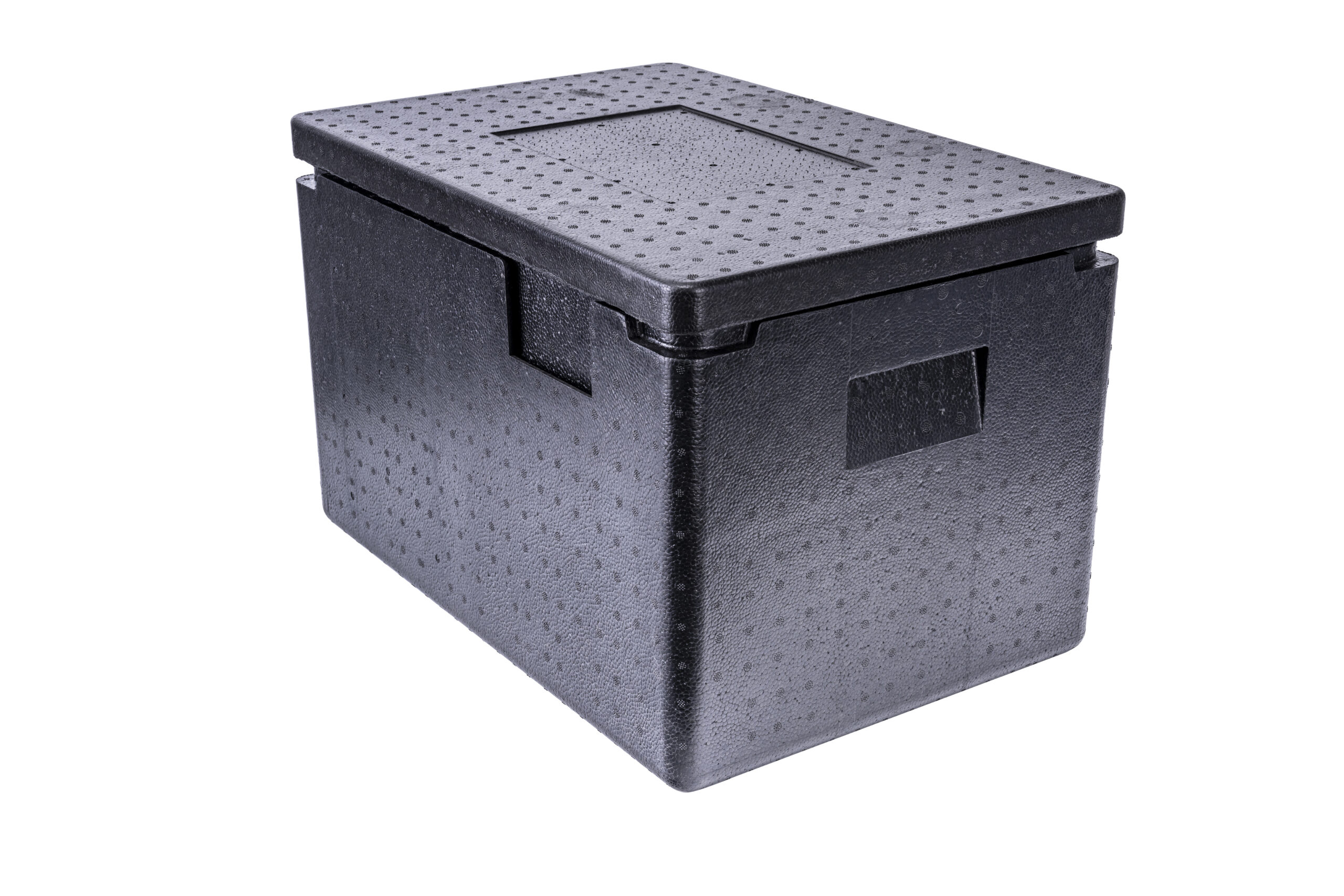
Wadah termal VIP untuk 2-8 pengiriman gelar: Kerangka Seleksi
Keputusan pengemasan yang berguna dimulai dengan pengiriman yang bisa saja salah, tidak dengan gambar katalog kotak. A Wadah termal VIP untuk 2-8 pengiriman derajat dapat menjadi pilihan yang kuat ketika pengiriman membutuhkan perlindungan termal yang ringkas, tetapi hal ini harus dievaluasi sebagai bagian dari sistem kontrol suhu pasif yang lengkap. Sistem itu mencakup cangkang berinsulasi, rencana pendingin atau PCM, persiapan muatan, instruksi pengepakan, pendekatan pemantauan, menangani komunikasi, dan menerima ulasan. Tugas pembeli adalah menghubungkan bagian-bagian tersebut dengan produk, jalur, dan keputusan yang akan diambil setelah melahirkan.
Untuk pembeli logistik farmasi, penyelenggara program vaksin, manajer kualitas, titik awal yang berguna adalah rute sebenarnya: produk yang harus dikirim dalam kisaran suhu dingin yang biasanya ditulis 2°C hingga 8°C, tunduk pada persyaratan spesifik produk. Risiko utama adalah kata-kata itu 2-8 pengiriman gelar sudah tidak asing lagi, namun pembeli masih bisa gagal karena menggunakan cairan pendingin yang salah, membekukan muatannya, mengabaikan penundaan jalur, atau kurang bukti pelepasan. Jika pembeli hanya menanyakan ukuran kotak atau durasi yang diklaim, pemasok mungkin tidak memiliki informasi yang cukup untuk merekomendasikan konfigurasi yang aman dan dapat diulang. Penjelasan singkat yang lebih baik menjelaskan status produk, kisaran suhu yang diperlukan, waktu transit yang diharapkan, titik serah terima, bukti kemasan, dan apa yang akan diterima atau ditolak oleh tim penerima.
Pertanyaan praktis pertama adalah apakah produk perlu didinginkan, beku, suhu ruangan terkendali, atau rentang lain yang ditentukan. 2°C hingga 8°C adalah suhu yang umum digunakan dalam lemari es untuk banyak vaksin dan obat-obatan, namun tidak berlaku untuk setiap produk dan harus dipastikan dari spesifikasi produk. Oleh karena itu, pengirim VIP harus ditinjau berdasarkan persyaratan produk sebenarnya dan kondisi rute, tidak bertentangan dengan janji umum. Ketika informasi stabilitas produk terbatas, tindakan yang benar adalah meminta klarifikasi dan menguji bukti, bukan untuk mengisi kesenjangan dengan asumsi.
Untuk jalur farmasi berpendingin, hindari berfokus hanya pada panas. Paparan beku bisa sama merusaknya bagi banyak produk. Kemasannya harus mencegah kontak langsung dengan cairan pendingin yang terlalu dingin, gunakan sistem pemisah yang tepat, dan menentukan pengaturan alarm logger yang sesuai dengan jangkauan pengiriman produk yang ditinjau.
Mulailah dengan sensitivitas produk, bukan tipe kontainer
Kerangka seleksi akhir harus dimulai dengan sensitivitas produk. Untuk produk yang harus dikirim dalam kisaran suhu dingin biasanya ditulis 2°C hingga 8°C, tunduk pada persyaratan spesifik produk, paket mungkin perlu untuk mencegah pemanasan, pembekuan, kondensasi, pergerakan muatan, atau kesenjangan bukti. Kisaran suhu hanyalah salah satu bagian dari persyaratan. Anda juga perlu mengetahui apakah produk tersebut sensitif terhadap pembekuan, apakah muatannya harus tetap kering, apakah tim penerima memerlukan laporan yang dapat dibaca, dan apakah unit kualitas akan meninjau penyimpangan.
Pendekatan ini mencegah kesalahan pembelian yang umum: memilih wadah karena berlabel premium, kemudian menemukan kemudian bahwa paket tersebut tidak sesuai dengan produk. Wadah memperlambat perpindahan panas. Itu tidak menentukan apakah suatu tamasya dapat diterima, dan itu tidak membuat rute yang belum ditinjau menjadi memenuhi syarat. Ringkasan pengiriman yang ditulis dengan cermat lebih berharga daripada daftar panjang fitur umum.
Alat pengambilan keputusan yang berguna
Periksa detailnya sebelum Anda memilih kemasan
Alat cepat ini dapat membantu Anda membandingkan risiko rute, kebutuhan ukuran, pilihan pendingin, dan detail kemasan sebelum Anda meminta penawaran.
Pemeriksa Risiko Rute
Tinjau kondisi jalur sebelum memilih kemasan untuk mengetahui kebutuhan pengoperasian sebenarnya.
Periksa risiko ruteKalkulator Es Kering
Perkirakan kebutuhan es kering untuk pengiriman beku atau sangat dingin sebelum pengepakan.
Perkirakan es keringKetahanan Jatuh Bahan Isolasi
Tinjau ketahanan jatuh dan faktor penanganan sebelum memilih bahan insulasi.
Periksa resistensiUbah rute menjadi ringkasan pengemasan yang dapat diuji
Ringkasan yang dapat diuji mengubah ide pengiriman kasar menjadi persyaratan yang siap untuk pemasok. Itu harus menyatakan jenis produk, rentang yang diperlukan, keluarga rute, paparan maksimum yang diharapkan, rincian muatan, preferensi atau batasan cairan pendingin, kebutuhan pemantauan, dan menerima keputusan. Untuk wadah termal VIP untuk 2-8 pengiriman gelar, laporan singkat ini juga harus mengidentifikasi modus kegagalan utama: frase 2-8 pengiriman gelar sudah tidak asing lagi, namun pembeli masih bisa gagal karena menggunakan cairan pendingin yang salah, membekukan muatannya, mengabaikan penundaan jalur, atau kurang bukti pelepasan.
Ringkasan tidak harus sempurna pada draf pertama. Hal ini perlu dilakukan secara eksplisit. Jika suatu nilai tidak diketahui, tandai sebagai pertanyaan untuk tinjauan kualitas atau logistik. Misalnya, jangan menulis waktu tunggu yang tetap kecuali Anda mengetahui profil sekitar dan kriteria penerimaan. Jangan menuliskan kapasitas muatan kecuali Anda mengetahui apakah yang Anda maksud adalah volume internal kotor atau ruang produk yang dapat digunakan setelah cairan pendingin dan separator dimuat..
Tabel keputusan untuk tinjauan praktis
| Bidang keputusan | Apa yang harus diputuskan | Apa yang tidak boleh diasumsikan |
|---|---|---|
| Persyaratan produk | Rentang target, kebijakan tamasya, sensitivitas beku atau lembab. | Jangan berasumsi bahwa satu rentang cocok untuk setiap produk. |
| Sistem termal | Wadah VIP, pendingin, pemisah, pengkondisian muatan, dan penutupan. | Jangan memperlakukan kotak itu sendiri sebagai sistem yang berkualitas. |
| Paparan rute | Waktu transit, profil musiman, bea cukai, tinggal, dan mil terakhir. | Jangan gunakan waktu penerbangan terjadwal sebagai paparan total. |
| Bukti | Pengaturan pencatat, bukti kalibrasi, akses laporan, aturan penerimaan. | Jangan berasumsi bahwa pemantauan melindungi produk. |
| Peningkatan skala | Konsistensi sampel, pengendalian perubahan produksi, pelatihan pengepak. | Jangan menyetujui produksi dari uji coba sampel yang longgar. |
Kerangka kerja ini membantu mencegah pembelian berlebih dan kekurangan spesifikasi pada saat yang bersamaan. Ini memungkinkan pengadaan, logistik, dan tim mutu mendiskusikan fakta yang sama sebelum kemasan disetujui.
Ketika wadah VIP cocok, dan bila tidak
Kontainer VIP cocok untuk nilai produk, risiko rute, atau keterbatasan ruang membenarkan isolasi premium dan pengemasan yang lebih disiplin. Kurang cocok bila tim tidak dapat menentukan kebutuhan suhu, tidak dapat melakukan pra-kondisi cairan pendingin, tidak dapat mengambil data pengiriman, atau membutuhkan kontrol suhu aktif daripada isolasi pasif. 2°C hingga 8°C harus dianggap sebagai persyaratan produk, bukan sebagai label kotak umum. Kemasannya harus mencegah pemanasan dan pembekuan.
Keputusan juga harus mempertimbangkan penerima barang. Sebuah laboratorium, RSUD, distributor, atau pelanggan rumah tangga mungkin memiliki perilaku penerimaan yang sangat berbeda. Jika penerima tidak dapat segera membongkar atau menafsirkan laporan logger, rencana pengemasan harus mencakup instruksi penerimaan yang jelas dan kontak eskalasi.