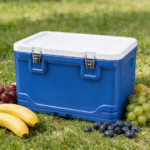
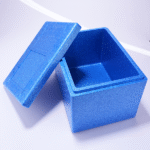
Pengiriman darah utuh memerlukan jalur berpendingin yang terkendali dan perlindungan fisik yang cermat. Paket tersebut harus menjaga muatannya tetap dalam jangkauan yang diterima oleh perusahaan berlisensi, melindungi tas dan ruasnya, menjaga label tetap dapat dibaca, dan memberikan catatan yang mendukung keputusan penerimaan atau pengembalian. Paket darah utuh tidak sama dengan paket makanan atau obat-obatan karena tim penerima mungkin perlu memeriksa bukti suhu, kondisi segel, integritas segmen, dan terlihat kondisi produk sebelum dirilis.
Data perencanaan transportasi darah utuh
| Kisaran suhu khas | Penyimpanan biasanya 1-6 C, dengan kontrol pengiriman sering direncanakan 1-10 C bila diizinkan oleh SOP pendirian yang berizin. |
|---|---|
| Kelembaban dan kondensasi | Simpan label, membungkus, tas sekunder, dan dokumen kering; kondensasi dapat mempersulit inspeksi visual dan peninjauan lacak balak. |
| Pra-pendinginan | Prakondisikan pengirim yang terisolasi, spacer muatan, dan cairan pendingin sebelum memuat; jangan gunakan pengirim untuk menarik produk hangat. |
| Tekanan kemasan | Topang kantong darah tanpa menekan selang, Ports, atau segmenkan lampiran pada cairan pendingin yang membeku atau dinding keras. |
| Posisi pendingin | Gunakan kompres dingin yang dikondisikan dengan lapisan penyangga. Hindari kontak beku langsung dengan tas, tabung, atau port. |
| Durasi transportasi | Gunakan rute lokal dan regional yang tervalidasi, dengan posisi logger di inti muatan dan tepi menghadap dinding. |
| Kerugian umum | Suhu di luar kisaran, risiko kontak beku, label basah, abrasi tas, stres pelabuhan, catatan yang hilang, dan menolak keputusan pengembalian ke inventaris. |
| Kemasan Tempk pas | Pengirim medis terisolasi, PCM atau paket gel yang dikondisikan, Lapisan penyangga, lapisan penyerap, sisipan penyangga tas, segel tamper, dan catatan logger. |
Mengapa darah utuh membutuhkan paketnya sendiri
Darah utuh rentan terhadap paparan panas dan kontak beku. Menambahkan lebih banyak cairan pendingin beku dapat menimbulkan risiko baru pada kantong, tabung, atau segmen bertumpu pada permukaan yang beku. Muatan harus disangga dan disimpan dalam rongga yang stabil agar tas tidak tergelincir, lipat dengan tajam, atau menekan melawan paket dingin selama getaran jalan, penyortiran kurir, atau tas jinjing.
Untuk distribusi yang divalidasi, Tempk akan menggunakan yang berkualitas pengirim terisolasi dengan pendingin yang dikondisikan, perlindungan penyerap, sisipan penyangga tas, dan setidaknya satu logger di zona produk. Rute yang lebih panjang atau berisiko lebih tinggi harus menyertakan edge logger di dekat titik terhangat atau terdingin yang diperkirakan. Penerimaan cek harus mencakup data suhu, kondisi segel, abrasi tas, penampakan yang terlihat, keterbacaan label, dan waktu rute.
Alat pengambilan keputusan yang berguna
Periksa detailnya sebelum Anda memilih kemasan
Alat cepat ini dapat membantu Anda membandingkan risiko rute, kebutuhan ukuran, pilihan pendingin, dan detail kemasan sebelum Anda meminta penawaran.
Referensi Bahan Isolasi
Bandingkan pilihan bahan insulasi untuk kebutuhan pengemasan rantai dingin yang berbeda.
Bandingkan bahanPendingin & Referensi PCM
Bandingkan opsi cairan pendingin dan PCM ketika suatu rute memerlukan dukungan suhu tambahan.
Bandingkan pilihanPelapis Kotak & Ukuran Penutup Palet
Centang kotak logika ukuran penutup palet dan liner untuk proyek pengemasan berinsulasi.
Perkiraan ukuranPendekatan Tempk yang direkomendasikan
Mulai dari SOP pendirian dan label komponen. Tentukan rentang yang diizinkan, waktu rute maksimum, lokasi pencatat, dan kriteria penerimaan sebelum memilih massa pendingin. Gunakan lapisan penyangga antara produk dan cairan pendingin beku, dan gunakan penutupan anti rusak ketika lacak balak penting. Tes akhir harus mencakup jumlah kantong sebenarnya, suhu awal, pengkondisian cairan pendingin, Ukuran pengirim, profil lingkungan, dan proses penerimaan.
Peraturan produk darah eCFR mencakup persyaratan untuk penyimpanan darah utuh dan rentang pengiriman, dan itu juga menekankan integritas kontainer, catatan, dan inspeksi. Kemasan Tempk harus mendukung alur kerja tersebut; hal ini tidak menggantikan prosedur atau tanggung jawab peraturan dari lembaga donor darah yang berlisensi.