Cara Menentukan Paket Es Kering Grosir untuk Transportasi Permen
Batangan yang meleleh jelas merupakan kegagalan. Beraneka ragam mengkilap yang tiba dalam keadaan dingin tetapi berkembang menjadi gula keesokan harinya lebih sulit untuk didiagnosis. Kedua hasil tersebut bisa dimulai dengan grosir yang salah Paket es kering untuk spesifikasi pengangkutan permen. Ungkapan itu sendiri adalah risiko pertama: itu mungkin berarti karbon dioksida padat, yang terhidrasi lembar pendingin, paket gel, atau paket perubahan fase. Bahan-bahan ini tidak memiliki suhu yang sama, bahaya, pengkondisian, atau status transportasi. Oleh karena itu, spesifikasi profesional dimulai dengan kondisi permen yang dapat diterima dan diakhiri dengan sistem pengiriman yang terkendali. Paket merupakan salah satu komponen di antara dua titik tersebut.
Tulis Pernyataan Kondisi Produk
Sebelum memilih isolasi atau pendingin, tulis pernyataan kondisi satu halaman untuk setiap keluarga permen. Ia harus menyatakan apa yang harus dilindungi dan bagaimana keberhasilan akan dinilai. Hal ini mencegah pengadaan mengubah “tetap dingin” menjadi suhu rendah yang sewenang-wenang.
Untuk sebatang coklat biasa, kekhawatirannya mungkin adalah bentuknya, kilap, bunga, patah, bau, dan pelepasan pembungkus. Bonbon yang terisi dapat menambah stabilitas pusat dan jangka waktu penanganan yang lebih pendek. Beraneka ragam bergetah bisa jadi sensitif terhadap kelengketan dan perubahan bentuk. Produk permen keras dapat mentolerir suhu lingkungan normal tetapi memerlukan perlindungan kelembaban yang kuat. Permen berisi krim atau makanan manis yang mudah rusak dapat memiliki kontrol keamanan yang ditetapkan oleh rencana keamanan pangan produsen.
Sertakan elemen-elemen ini:
- Nama produk dan keluarga formulasi.
- Kemasan primer dan sekunder.
- Kondisi pengiriman yang disetujui.
- Batas suhu atau kondisi produk yang dapat diterima.
- Visual, tekstur, dan kriteria kegagalan keamanan pangan.
- Waktu maksimum yang direncanakan dari pengepakan hingga penerimaan terkontrol.
- Penyesuaian atau penerimaan instruksi apa pun.
- Otoritas mutu bertanggung jawab atas disposisi ekskursi.
Jangan menyalin suhu dari artikel coklat umum ke dalam pernyataan ini. Panduan coklat murni dapat menginformasikan pengembangan, tapi formulasi yang tepat, isian, geometri, dan bukti umur simpan mengatur produk komersial. Jika tim tidak dapat menentukan kondisi yang dapat diterima, itu tidak dapat menentukan apakah suatu tes lulus.
Selesaikan Identitas Pendingin Sebelum Membandingkan Harga
Karbon dioksida padat adalah es kering yang sebenarnya. Ini tentang minusnya 78.5 derajat Celcius pada tekanan atmosfer dan menyublim menjadi gas. Hal ini dapat menimbulkan paparan dingin lokal yang parah dan memerlukan paket yang melepaskan gas. Tergantung pada moda transportasi dan yurisdiksi, penandaan barang berbahaya, informasi kuantitas, dokumentasi, pelatihan, dan penerimaan operator dapat berlaku. Seharusnya tidak ditempatkan dalam kontak langsung dengan permen atau dimasukkan ke dalam wadah kedap udara.
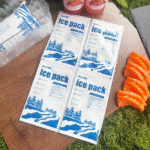
Lembaran hidrat biasanya disediakan dalam keadaan kering, menyerap air, dan kemudian dibekukan. Paket gel berisi isian berbahan dasar air atau formulasi yang disegel. Paket PCM berisi bahan yang dipilih untuk transisi fase tertentu. Produk yang dapat digunakan kembali atau berpotensi digunakan kembali ini bukanlah karbon dioksida padat. Nama komersialnya tidak boleh mendorong klasifikasi atau asumsi kinerja.
Untuk sebagian besar permen yang peka terhadap panas, Mulailah dengan mengevaluasi pendingin berbahan dasar air atau PCM yang dikondisikan dengan tepat dalam suatu pengirim terisolasi. Es kering yang sebenarnya adalah opsi khusus untuk muatan yang benar-benar disetujui untuk pengangkutan beku, bukan upgrade untuk coklat biasa. Jika kutipan penjualan hanya mengatakan “keran es kering,” mengharuskan pemasok untuk menyatakan komposisi, pengaktifan, pengkondisian, klasifikasi transportasi, dan instruksi keselamatan secara jelas.
Pemeriksaan identitas ini juga mencegah kesalahan operasional. Pekerja yang meyakini lembaran gel beku adalah es kering mungkin akan menggunakan prosedur bahan berbahaya yang tidak perlu; pekerja yang salah mengira karbon dioksida padat sebagai kemasan yang dapat digunakan kembali mungkin akan menyegelnya secara berbahaya atau menanganinya tanpa perlindungan.
Ubah Rute Menjadi Tantangan Termal
Durasi rute hanya satu input. Catat di mana paket menunggu, apakah itu dikonsolidasikan, seberapa sering berpindah tangan, dan apa yang terjadi saat melahirkan. Tantangannya harus mencakup paparan panas dan dingin yang realistis, penundaan perakitan, variasi muatan, dan kondisi penerimaan.
Pertimbangkan paket coklat premium yang dikirim dari gudang terkendali. Itu menunggu di dekat dermaga terbuka, bepergian dengan trailer line-haul, melewati sebuah hub, memasuki van lokal, dan mungkin tetap berada di ambang pintu. Ambang pintu secara visual dramatis, namun dermaga atau van mungkin merupakan peristiwa panas yang dominan. Pada saat kedatangan, produk dingin dibuka di udara lembab dan menghasilkan kondensasi. Pengujian yang berhenti ketika pemindaian operator menyatakan “terkirim” tidak memenuhi risiko kualitas akhir.
Buat lembar kerja rute dengan:
| Elemen rute | Bukti untuk dikumpulkan | Implikasi desain |
|---|---|---|
| Pementasan asal | Waktu, suhu, paparan sinar matahari, konfigurasi palet | Batas perakitan dan isolasi keluar |
| Jaringan operator | Mode, tinggal, penyortiran, orientasi, musiman yang ekstrem | Profil eksternal dan pengekangan paket |
| Variasi muatan | Keluarga pesanan minimum dan maksimum | Kontrol massa pendingin dan ruang udara |
| Tujuan | Waktu pengiriman, naungan, kapasitas penerimaan, kelembaban | Margin mil terakhir dan instruksi aklimatisasi |
| Pengecualian | Akhir pekan, bea cukai, pengiriman terlewat, kerugian pendinginan | Durasi kontinjensi dan keputusan pemantauan |
Lembar kerja ini mengubah “pengiriman musim panas” yang tidak jelas menjadi kondisi yang dapat diuji. Hal ini juga mengungkapkan kapan perubahan operator atau proses perlu ditinjau, padahal box dan coolantnya belum diganti.
Desain Melawan Titik Panas dan Titik Dingin
Isolasi memperlambat panas lingkungan. Pendingin menyerapnya. Produk dan kemasan menambah massa termal. Penataannya menciptakan gradien, jadi suhu udara rata-rata dapat menyembunyikan sudut panas dan permukaan kontak yang terlalu dingin.
Tempatkan komponen pendingin untuk mencegah kemungkinan jalur panas, namun jagalah agar tidak menekan karton display yang halus. Gunakan pembatas atau selongsong tertentu jika kontak langsung dapat menyebabkan kerusakan akibat dingin, abrasi, atau mengompol. Kontrol ruang atas karena udara bebas dapat bersirkulasi dan karena urutan pengisian yang berbeda mengubah kapasitas termal. Menahan paket sehingga getaran tidak mengubah geometri yang dievaluasi.
Pengkondisian harus menjadi proses produksi. Tentukan pengaturan peralatan, pola pemuatan, waktu minimum, batas transfer, dan setiap langkah tempering yang terkendali. Untuk lembaran hidrat, menentukan kualitas air jika relevan, metode rendam, drainase, kondisi target terhidrasi, dan inspeksi. Untuk PCM, mengidentifikasi formulasi yang benar dan bagaimana pekerja memverifikasi keadaan pengkondisian. Untuk Paket gel, tentukan penolakan kebocoran, pembengkakan, delaminasi, atau permukaan yang terkontaminasi.
Kontrol kelembapan melintasi setiap lapisan. Gunakan pembungkus utama yang sesuai, melindungi karton presentasi dari kondensasi kemasan, dan menjaga integritas penutupan. Jika pemilik produk menyetujui aklimatisasi dalam bungkus yang tersegel, sertakan dalam menerima instruksi. Jangan pernah menggunakan minuman hangat sebagai obat biasa untuk manisan yang memerlukan pendinginan demi keamanan.
Kualifikasi Konfigurasi, Bukan Komponennya
Klaim “jam pendinginan” pemasok tidak dapat dialihkan ke kotak lain. Kualifikasi harus mengidentifikasi bill of material secara lengkap, muatan, paket, pengkondisian, tantangan eksternal, metode pencatat, dan kriteria penerimaan.
Gunakan produk komersial yang representatif atau pengganti yang dibenarkan. Sertakan karton primer dan sekunder yang benar karena mempengaruhi aliran panas dan kelembapan. Uji konfigurasi muatan rendah dan tinggi saat keduanya akan dikirimkan. Tempatkan sensor di lokasi berbasis risiko: dekat sudut yang diduga panas, dekat permukaan kontak cairan pendingin, dan pada posisi produk yang representatif. Dokumentasikan pemasangan probe karena sensor di udara melaporkan peristiwa berbeda dari sensor yang dipasangkan ke produk.
Alat pengambilan keputusan yang berguna
Periksa detailnya sebelum Anda memilih kemasan
Alat cepat ini dapat membantu Anda membandingkan risiko rute, kebutuhan ukuran, pilihan pendingin, dan detail kemasan sebelum Anda meminta penawaran.
Referensi Bahan Isolasi
Bandingkan pilihan bahan insulasi untuk kebutuhan pengemasan rantai dingin yang berbeda.
Bandingkan bahanKalkulator Es Kering
Perkirakan kebutuhan es kering untuk pengiriman beku atau sangat dingin sebelum pengepakan.
Perkirakan es keringPendingin & Referensi PCM
Bandingkan opsi cairan pendingin dan PCM ketika suatu rute memerlukan dukungan suhu tambahan.
Bandingkan pilihanTinjau jejaknya, bukan hanya label lulus/gagal. Pembacaan yang awalnya rendah mungkin menunjukkan temper yang tidak memadai. Kenaikan cepat yang terlambat dapat menunjukkan bahwa cairan pendingin telah habis. Lonjakan yang berulang mungkin berhubungan dengan siklus ruang atau peristiwa pintu. Bandingkan pengulangan untuk memahami variabilitas paket dan material.
Profil termal standar dapat mendukung pengembangan dan perbandingan lintas desain. Kualifikasi jalur menambah bukti spesifik rute. Permen tersebut juga tidak akan tetap dapat dijual setelah penundaan, juga tidak menjadi alasan bagi tim mutu untuk menetapkan aturan disposisi. Pencatat data mencatat kondisi; itu tidak melindungi produk.
Laporan yang disetujui harus dihubungkan dengan gambar, foto, instruksi kerja, pelatihan, dan daftar kontrol perubahan. Pengujian hanya bernilai jika produksi dapat mereproduksi sistem yang diuji.
Jadikan Kontrak Grosir Melindungi Konsistensi
Negosiasi harga harus dilakukan setelah persyaratan fungsional jelas. Spesifikasi pembelian yang kuat mencakup:
- Datar, dipenuhi, terhidrasi, dan dimensi beku sebagaimana berlaku.
- Toleransi pengisian cairan pendingin atau penyerap.
- Film, struktur penghalang, dan konstruksi segel.
- Pola sel, katup, penutup, dan mencetak.
- Pengkodean lot dan catatan produksi.
- Metode kebocoran dan inspeksi visual.
- Pengemasan dan penyimpanan sebelum digunakan.
- Petunjuk pengkondisian dan aktivasi.
- Pernyataan material untuk skenario kontak yang dimaksud.
- Ubah pemberitahuan untuk rumus, film, ukuran, proses, atau situs.
- Ketidaksesuaian, keluhan, dan proses tindakan korektif.
Minta sampel dari produksi normal dan bandingkan dengan batch selanjutnya. Lakukan pemeriksaan masuk yang berfokus pada risiko fungsional, bukan pengukuran kosmetik saja. Misalnya, penempatan jahitan dan ketebalan beku mungkin lebih penting dalam kesesuaian pembagi daripada variasi cetakan kecil.
Jika penggunaan kembali direncanakan, menugaskan tanggung jawab untuk pembersihan, inspeksi, karantina, dan pensiun. Pemasok dapat merancang kemasan yang tahan lama, tapi hanya operator yang mengontrol apa yang terjadi setelah perjalanan pertama. Hindari mencantumkan jumlah siklus yang belum diverifikasi dalam kontrak. Tentukan penerimaan berdasarkan kondisi dan kumpulkan data operasional selama program.
Pembelian dalam jumlah besar juga mempengaruhi freezer dan kapasitas tenaga kerja. Hitung ruang yang dibutuhkan untuk paket yang dikondisikan, waktu untuk memutar inventaris, dan efek pesanan puncak. Lembar hidrasi yang ringkas dapat mengurangi penyimpanan sebelum aktivasi tetapi beralih ke perendaman, menguras, pembekuan, dan inspeksi. Batu bata yang diisi menggunakan lebih banyak volume masuk namun mungkin lebih mudah untuk dikondisikan secara konsisten. Total biaya operasional lebih berguna dibandingkan biaya satuan.
Tempatkan Keberlanjutan dan Pengalaman Pelanggan pada Kartu Skor yang Sama
Kotak berukuran besar dengan cairan pendingin yang berlebihan dapat mencegah paparan panas, tapi itu menambah materi, kargo, energi pengkondisian, dan beban pembuangan. Pengemasan yang kurang baik akan meningkatkan kerusakan produk dan pengiriman ulang. Sasarannya adalah sistem berukuran tepat yang dapat mengirimkan permen yang dapat dijual dengan andal.
Bandingkan opsi per pengiriman yang berhasil. Hitung pengirim yang terisolasi, pendingin, karton luar, energi pengkondisian, gerakan kembali, pencucian, kehilangan, dan permen rusak. Untuk jalur lokal tertutup, kemasan dan wadah tahan lama yang dapat digunakan kembali mungkin memiliki kinerja yang baik karena pengembaliannya dapat diprediksi. Untuk pengiriman e-niaga satu arah yang tersebar, logistik pengembalian mungkin tidak praktis, dan komponen yang kompak atau dapat dikelola secara lokal mungkin lebih disukai.
Pengalaman pelanggan termasuk dalam penilaian. Paket tersebut harus mengidentifikasi cairan pendingin beku yang dapat digunakan kembali secara akurat, mengandung kelembapan apa pun, hindari bau yang menyengat, dan memberikan instruksi penanganan atau pembuangan yang jelas. Karbon dioksida padat memerlukan peringatan khusus dan tidak boleh disajikan sebagai aksesori biasa yang dapat digunakan kembali.
Perbaikan berkelanjutan harus menggunakan klaim, catatan suhu, menerima foto, dan mengemas data pemulihan. Jangan bereaksi terhadap satu bungkusan yang meleleh dengan menambahkan cairan pendingin ke mana-mana. Tentukan apakah penyebabnya adalah produk hangat, koleksi yang terlambat, pengkondisian paket yang salah, kesalahan penutupan, paparan ekstrem, atau desain yang tidak sesuai. Tindakan perbaikan harus mengatasi kegagalan yang sebenarnya.
FAQ
Apa sampel pertama terbaik untuk program permen grosir?
Pilih sampel yang sesuai dengan karton yang direncanakan dan mewakili proses pengkondisian yang layak. Mintalah identitas materi, dimensi dalam keadaan digunakan, mengisi toleransi, instruksi aktivasi, segel informasi, dan sampel asal produksi. Kemudian buatlah paket yang representatif daripada menguji paket itu sendiri. Satu sampel tidak dapat menentukan kinerja musiman, tapi itu bisa dengan cepat menunjukkan kecocokan, penanganan, kondensasi, dan masalah kualitas.
Bisakah saya menentukan jumlah bungkus per kilogram permen yang tetap?
Tidak aman sebagai aturan universal. Luas permukaan, isolasi, ruang kosong, suhu awal, paket geometri, paparan lingkungan, dan penerimaan membatasi semua hal. Suatu rasio dapat diperoleh untuk satu kelompok kotak yang memenuhi syarat, namun harus tetap berada dalam kondisi muatan dan rute yang disetujui keluarga tersebut. Tes ulang sebelum menerapkannya ke pengirim atau pilihan baru.
Haruskah cairan pendingin menyentuh karton permen?
Hanya jika konfigurasi yang dievaluasi mengizinkannya. Kontak langsung meningkatkan perpindahan panas dan dapat menimbulkan titik dingin, kondensasi, abrasi, atau menghancurkan. Pembatas atau celah udara yang terkontrol sering kali berguna untuk membuat coklat lembut. Pengaturan yang benar tergantung pada suhu cairan pendingin, pembungkus, sensitivitas produk, dan hasil uji termal.
Apa yang terjadi jika pemasok mengubah formulasi gel?
Perubahan tersebut dapat mengubah perilaku fase, viskositas, respon kebocoran, berat, dan kinerja termal. Perjanjian Anda harus memerlukan pemberitahuan dan penilaian teknis sebelum diterapkan. Tergantung pada signifikansi dan bukti yang ada, pemeriksaan dimensi, ulasan materi, atau pengujian termal berulang mungkin sesuai. Dokumentasikan keputusan sebelum menerima lot produksi.
Apakah es kering sebenarnya dilarang untuk permen?
Tidak secara kategoris. Ini dapat digunakan jika permen atau produk makanan penutup beku terkait disetujui untuk kondisi tersebut dan kemasannya memenuhi persyaratan keselamatan dan transportasi. Ini biasanya merupakan pilihan ekstrem yang tidak perlu untuk produk gula-gula coklat dan gula biasa. Kompatibilitas produk dan berkualitas, paket berventilasi harus mendorong keputusan.
Kesimpulan
Spesifikasi yang dapat diandalkan menghubungkan tujuh hal: kondisi produk, identitas pendingin, tantangan rute, geometri paket, bukti uji, pengendalian produksi, dan menerima latihan. Merindukan siapa pun dan a paket dingin masih bisa mengantarkan permen malang. Perlakukan karbon dioksida padat sebagai zat pendingin yang sangat berbahaya, bukan sebagai sinonim untuk kemasan beku yang dapat digunakan kembali. Beli komponen berdasarkan komposisi dan kemampuan pengulangannya yang terdokumentasi, kemudian menyetujuinya hanya dalam konfigurasi pengiriman yang melindungi produk manisan yang sensitif terhadap panas tanpa menyebabkan kerusakan akibat dingin atau lembab.
Tentang tempk
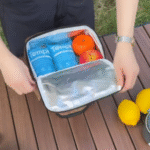
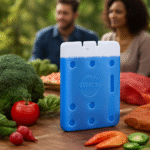
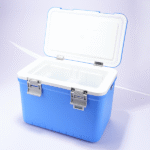
Tempk memasok beberapa format komponen pendingin dan pengemasan terisolasi yang dapat dipertimbangkan untuk distribusi kembang gula, termasuk lembaran seluler yang diaktifkan air, Paket gel, batu bata es, tas terisolasi, dan kotak. Diskusi pemasok yang bermanfaat dimulai dengan keluarga permen, dimensi pengirim, kapasitas pengkondisian, rute, dan batas kualitas. Tempk dapat membantu mempersempit pilihan komponen dan menyiapkan sampel untuk evaluasi, sementara keputusan kualifikasi dan pelepasan tetap terikat pada paket lengkap pembeli dan bukti produk.
Kirimkan kepada Tempk draf pernyataan kondisi dan lembar kerja rute Anda untuk mendiskusikan tinjauan sampel hingga produksi untuk program pendinginan permen grosir.