Di dalam 2025 itu pentingnya logistik rantai dingin tidak mungkin untuk diabaikan. The term describes the endtoend management of temperaturecontrolled supply chains that keep perishable products such as fresh produce, obat-obatan dan vaksin yang aman dan efektif. Riset pasar memperkirakan bahwa pasar rantai dingin global bernilai sekitar USD 436 miliar masuk 2025 dan bisa melebihi USD 1.3 triliun sebesar 2034. Pertumbuhan eksplosif ini mencerminkan tingginya ekspektasi konsumen, peraturan yang lebih ketat dan inovasi teknologi. If you handle temperaturesensitive goods, memahami logistik rantai dingin dapat membantu Anda mengurangi limbah, melindungi keuntungan dan membangun kepercayaan.

Apa sebenarnya arti “logistik rantai dingin” dan apa bedanya dengan logistik biasa?
Bagaimana logistik rantai dingin mengurangi limbah makanan dan menjaga kualitas?
Apa saja komponen kunci dari rantai dingin yang efektif?
Tantangan dan solusi apa yang membentuk logistik rantai dingin 2025?
Tren dan inovasi apa yang harus Anda perhatikan tahun ini?
Bagaimana pasar rantai dingin berkembang dan apa pengaruhnya bagi bisnis Anda?
Langkah praktis apa yang dapat Anda ambil untuk meningkatkan operasi rantai dingin Anda??
Apa Itu Logistik Rantai Dingin dan Mengapa Itu Penting?
Logistik rantai dingin mengacu pada pengelolaan suhu terkoordinasi untuk barang-barang yang mudah rusak dari asal ke konsumen, memastikan produk tetap berada dalam batas termal yang ketat dan menjaga keamanan dan kualitasnya. Berbeda dengan logistik pada umumnya—yang fokus utamanya adalah memindahkan barang dari titik A ke B—logistik rantai dingin melibatkan pengendalian lingkungan di sekitar barang., proses yang menanganinya dan orang-orang yang mengawasinya. Barang-barang yang mudah rusak seperti vaksin, produk susu dan makanan laut cepat rusak jika terkena fluktuasi suhu, jadi rantai dingin sangat penting untuk menjaga potensi, rasa dan keamanan.
Mempertahankan rantai dingin lebih dari sekadar “pengiriman barang dingin”. Global rantai dingin Alliance mendefinisikan rantai dingin sebagai pengelolaan suhu produk yang mudah rusak untuk menjaga kualitas dan keamanan mulai dari asal hingga distribusi hingga konsumen akhir.. Saat Anda melihat operasi Anda melalui lensa ini, Anda menyadari bahwa setiap langkah—mulai dari pengemasan dan penyimpanan hingga transportasi dan pemantauan—memainkan peran yang sama pentingnya. Tanpa rantai dingin yang kuat, bisnis menghadapi pembusukan, ingat, kerusakan reputasi dan denda peraturan.
Perbedaan Utama Antara Rantai Dingin dan Logistik Reguler
The following table summarises how a temperaturecontrolled supply chain diverges from standard logistics processes. Perhatikan bagaimana setiap perbedaan diterjemahkan ke dalam implikasi praktis untuk operasi Anda.
| Aspek | Rantai Pasokan Reguler | Logistik rantai dingin | Apa artinya bagimu |
| Sensitivitas produk | Handles mainly nonperishable goods | Menangani barang-barang yang mudah rusak dan rusak jika suhu berfluktuasi | Anda memerlukan kontrol yang lebih ketat dan penanganan khusus untuk menghindari pembusukan |
| Kontrol suhu | Sedikit atau tidak ada peraturan | Memerlukan pemantauan suhu terus menerus di seluruh penyimpanan dan transit | Berinvestasi pada peralatan dan sensor pendingin untuk memenuhi peraturan |
| Pengawasan peraturan | Fewer industryspecific rules | Tunduk pada undang-undang keamanan pangan, Pedoman PDB dan penyimpanan vaksin | Kepatuhan melindungi merek Anda dan mencegah penarikan kembali yang mahal |
| Peralatan | Menggunakan gudang standar, truk dan pengemasan | Menggunakan ruangan dingin, truk reefer, kemasan terisolasi dan sensor IoT | Memilih peralatan yang tepat mengurangi limbah dan menjamin kualitas |
Tips Praktis & Nasihat
Pilih kemasan yang sesuai: Pilih paket gel, bahan perubahan fasa atau liner terisolasi suited to your product’s temperature range and transit time. Misalnya, vaksin tidak boleh dikirim dengan es kering karena pembekuan dapat merusaknya.
Berinvestasilah pada peralatan yang dibuat khusus: Avoid dormstyle refrigerators for vaccines; gunakan unit dengan sensor terkalibrasi dan daya cadangan.
Pantau terus menerus: Install IoT sensors in every storage unit and vehicle and connect them to software that provides realtime alerts.
Latih tim Anda: Pastikan staf memahami konsekuensi perubahan suhu dan mengikuti prosedur operasi standar.
Rencanakan keadaan darurat: Memelihara generator cadangan, lokasi penyimpanan alternatif dan prosedur untuk menangani kegagalan peralatan atau gangguan cuaca.
Contoh Kasus Nyata: A.S. health provider discovered that many vaccines were wasted due to accidental freezing in dormstyle refrigerators. After switching to purposebuilt refrigeration units and installing calibrated sensors, pemborosan turun secara signifikan. Perubahan ini tidak hanya menghemat uang tetapi juga melindungi kesehatan masyarakat.
Bagaimana Logistik Rantai Dingin Mengurangi Limbah dan Melindungi Kualitas?
Sekitar 14 % makanan hilang antara masa panen dan penjualan eceran sebagian besar disebabkan oleh buruknya sistem pendingin. Rantai dingin yang lemah menyebabkan lebih dari 526 juta ton kehilangan pangan setiap tahunnya. Logistik rantai dingin memainkan peran utama dalam mengurangi limbah ini dengan menjaga barang-barang yang mudah rusak dalam kisaran suhu yang aman di setiap langkah rantai pasokan.. Dengan memperpanjang umur simpan dan mencegah pembusukan, rantai dingin yang lebih baik melindungi keuntungan dan kesehatan konsumen.
Dampaknya tidak hanya terbatas pada makanan. Dalam distribusi vaksin, sebagian besar vaksin harus disimpan di antara keduanya 2 °C dan 8 ° C.; paparan apa pun di luar kisaran ini akan mengurangi potensinya. A metaanalysis estimated that 35 % sebagian besar vaksin di dunia secara tidak sengaja dibekukan selama penyimpanan atau transit. Berinvestasi dalam pendinginan yang tepat, sensor dan pelatihan mengurangi kerugian tersebut dan meningkatkan kepercayaan masyarakat. Seperti yang dicatat oleh studi Universitas Michigan, hampir setengah dari 1.3 miliar ton limbah pangan global dapat dicegah dengan rantai pasokan yang sepenuhnya didinginkan dan emisi yang terkait dengan hilangnya pangan dapat berkurang sebesar 41 %.
Dari perspektif keberlanjutan, mengurangi limbah juga menurunkan emisi gas rumah kaca. Meat accounts for over half of food lossrelated emissions despite representing less than 10 % jumlah makanan yang terbuang menurut beratnya. Rantai dingin yang dioptimalkan dapat menghilangkan lebih dari itu 43 % emisi yang terkait dengan hilangnya daging. Seperti yang dicatat oleh Aliansi Rantai Dingin Global, expanding temperaturecontrolled networks is key to sustainable, rantai pasok pangan yang berketahanan.
Oleh karena itu, logistik rantai dingin membawa manfaat nyata:
Menjaga kualitas produk: Mempertahankan suhu yang tepat mencegah degradasi tekstur, perubahan warna dan pertumbuhan mikroba. Konsumen menerima barang yang lebih segar, yang meningkatkan kepuasan dan mengurangi keuntungan.
Menjamin kepatuhan dan keamanan: Peraturan makanan dan farmasi menuntut kepatuhan terhadap rentang suhu tertentu. Kepatuhan mengurangi tanggung jawab dan menghindari penarikan kembali yang mahal.
Meningkatkan kepercayaan pelanggan dan loyalitas merek: Investing in rantai dingin logistics signals to your customers that you prioritize their wellbeing.
Mendukung keberlanjutan: Dengan mengurangi limbah dan emisi, rantai dingin berkontribusi pada upaya global untuk mengurangi kelaparan dan dampak iklim.
Apa Saja Komponen Utama Rantai Dingin yang Efektif?
Rantai dingin yang kuat melibatkan beberapa komponen yang saling terkait. Memahami setiap bagian membantu Anda merancang sistem yang melindungi produk Anda dan meminimalkan risiko.
Kemasan Terkendali Suhu
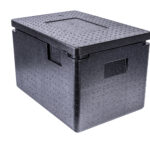
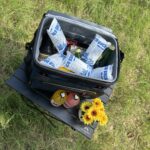
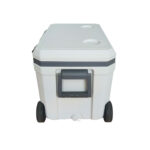
Specialised bahan isolasi—such as gel packs, bahan perubahan fase dan kantong terisolasi—absorb or release heat to maintain stable conditions during transit. Wadah termal seperti pendingin polistiren, insulated pallet liners and plantbased shippers add an additional barrier against external temperature fluctuations. Pemilihan kemasan yang tepat bergantung pada kisaran suhu produk Anda, ukuran pengiriman dan durasi transit.
Fasilitas dan Gudang Penyimpanan Dingin
Produk sering kali disimpan di gudang lebih lama dibandingkan saat dibawa bepergian. Modern fasilitas penyimpanan dingin feature sophisticated refrigeration systems, isolasi lantai ke langit-langit, kontrol kelembaban dan pemantauan suhu waktu nyata. Ruangan berpendingin mempertahankan suhu sebesar 2 °C – 8 °C untuk obat-obatan dan makanan segar, while deepfrozen rooms operate below –25 °C for ice cream and seafood. Berinvestasi pada fasilitas yang ditingkatkan mengurangi konsumsi energi dan memastikan kondisi yang konsisten.
Transportasi Dingin
Truk berpendingin, gerbong, kapal reefer dan pesawat terbang memindahkan barang-barang yang mudah rusak dengan tetap menjaga suhu. These vehicles are equipped with onboard refrigeration units and often connected to telematics systems for realtime monitoring. Processes such as precooling (menghilangkan panas lapangan sebelum memuat) dan crossdocking (memindahkan barang antar kendaraan tanpa pergudangan) meminimalkan fluktuasi suhu.
Pemantauan dan Kontrol Suhu
Sensors and data loggers inside storage units and kontainer pengiriman continuously monitor conditions. Peringatan memungkinkan Anda merespons dengan cepat jika suhu berada di luar kisaran. Integrasi dengan platform cloud memungkinkan analitik prediktif dan digital twins—replikasi virtual dari proses fisik yang memungkinkan Anda menyimulasikan dan mengoptimalkan operasi sebelum melakukan perubahan.
Kontrol Kualitas dan Kepatuhan
Kerangka kerja seperti Analisis Bahaya dan Titik Kendali Kritis (Haccp) dan Praktik Distribusi yang Baik (PDB) mengidentifikasi risiko dan menetapkan prosedur operasi standar untuk menangani barang yang mudah rusak. Audit rutin, pelatihan dan dokumentasi staf memastikan keselarasan dengan undang-undang keamanan pangan, pedoman farmasi dan peraturan yang muncul (MISALNYA., phaseout of hydrofluorocarbons). Kepatuhan tidak hanya menghindari penalti namun juga membangun kepercayaan dengan pelanggan dan mitra.
Perangkat Lunak Manajemen Rantai Dingin
Rantai dingin modern mengandalkan platform perangkat lunak yang mengintegrasikan data sensor, catatan inventaris dan manajemen transportasi ke dalam satu dasbor. Alat-alat ini mendukung analisis prediktif, optimalisasi rute dan dokumentasi digital, mengurangi kesalahan dan meningkatkan efisiensi. Companies that embrace such systems gain full visibility into operations and can make datadriven decisions.
Tantangan dan Solusi Apa yang Membentuk Logistik Rantai Dingin di Indonesia 2025?
Meskipun mempunyai manfaat, Logistik rantai dingin menghadapi beberapa kendala—terutama seiring dengan peningkatan skala industri untuk memenuhi permintaan yang terus meningkat. Memahami tantangan-tantangan ini dan menerapkan solusi yang sesuai akan membantu Anda tetap menjadi yang terdepan.
Prasarana dan Fasilitas Penuaan
Banyak gudang penyimpanan dingin dibangun beberapa dekade lalu dan tidak memiliki isolasi modern, efisiensi energi dan otomatisasi. Operator berada di bawah tekanan untuk meningkatkan peralatan dan mengganti zat pendingin yang berbahaya. Larutan: Invest in new refrigeration technology and ecofriendly refrigerants, gudang retrofit dengan isolasi dan kontrol kelembaban yang lebih baik, dan menjajaki insentif pemerintah untuk peningkatan fasilitas yang berkelanjutan.
Kesenjangan Visibilitas dan Pemantauan
Mempertahankan visibilitas berkelanjutan di berbagai titik dalam rantai pasokan dapat menjadi sebuah tantangan. Maersk melaporkan hal itu 2025 akan melihat investasi berkelanjutan pada perangkat lunak yang menyediakan data lokasi dan suhu tanpa gangguan. Larutan: Deploy IoT sensors and connect them to centralised platforms that offer realtime alerts and analytics. Gunakan digital twins untuk menyimulasikan operasi dan menguji perubahan sebelum implementasi.
Kepatuhan Pengaturan
Mematuhi beragam standar seperti ISO 9001, Haccp, PDB dan Undang-Undang Modernisasi Keamanan Pangan bisa sangat besar. Peraturan menjadi lebih ketat: the phaseout of synthetic refrigerants such as HCFCs and HFCs is driving facility upgrades. Larutan: Tunjuk seorang koordinator kepatuhan, mendokumentasikan prosedur operasi standar dan melakukan audit rutin. Gunakan alat digital untuk melacak perubahan peraturan dan menghasilkan laporan otomatis.
Alat pengambilan keputusan yang berguna
Periksa detailnya sebelum Anda memilih kemasan
Alat cepat ini dapat membantu Anda membandingkan risiko rute, kebutuhan ukuran, pilihan pendingin, dan detail kemasan sebelum Anda meminta penawaran.
Kalkulator Ice Pack
Perkirakan jumlah paket es gel untuk pengiriman dingin dan perencanaan rute yang praktis.
Perkirakan kantong esKetahanan Jatuh Bahan Isolasi
Tinjau ketahanan jatuh dan faktor penanganan sebelum memilih bahan insulasi.
Periksa resistensiPelapis Kotak & Ukuran Penutup Palet
Centang kotak logika ukuran penutup palet dan liner untuk proyek pengemasan berinsulasi.
Perkiraan ukuranKonsumsi dan Keberlanjutan Energi
Sistem pendingin mengonsumsi energi dalam jumlah besar dan berkontribusi terhadap emisi gas rumah kaca. New regulations encourage ecofriendly refrigerants and energyefficient designs. Larutan: Adopt solarpowered refrigeration units, kompresor kecepatan variabel dan penyimpanan energi panas. Berpartisipasi dalam program seperti inisiatif keunggulan energi Global rantai dingin Alliance untuk mengukur dan meningkatkan penggunaan energi.
Rantai Pasokan Global yang Kompleks
Rantai dingin sering kali menjangkau banyak benua. Gangguan seperti pandemi, ketegangan geopolitik atau cuaca ekstrem dapat memutus rantai hubungan ini. Larutan: Diversifikasi pemasok, mengadopsi strategi nearshoring dan mempertahankan rencana darurat. Berinvestasilah dalam analisis prediktif untuk mengantisipasi gangguan dan mengubah rute pengiriman sesuai kebutuhan.
Kesenjangan Keterampilan dan Pelatihan
Menangani barang yang mudah rusak memerlukan keterampilan khusus. Staf harus tahu cara mengemas, memuat, memantau dan membongkar kiriman yang sensitif terhadap suhu. Larutan: Mengembangkan program pelatihan dan sertifikasi bagi karyawan yang terlibat dalam operasi rantai dingin dan memberikan SOP yang jelas.
Penilaian Mandiri Rantai Dingin Interaktif
Mengevaluasi kesiapan Anda adalah langkah pertama menuju perbaikan. Gunakan daftar periksa berikut untuk mengidentifikasi kesenjangan dan memprioritaskan tindakan:
Tinjauan Inventaris: Cantumkan semua produk sensitif terhadap suhu yang Anda tangani dan rentang yang diperlukan.
Audit Peralatan: Periksa setiap lemari es, freezer dan kendaraan. Apakah dibuat khusus atau kelas rumah tangga?
Pemeriksaan Pemantauan: Verifikasi bahwa setiap unit penyimpanan memiliki sensor yang dikalibrasi dan data dicatat secara terus menerus.
Penilaian Pelatihan: Pastikan bahwa karyawan yang menangani barang mudah rusak mempunyai pelatihan terkini dan memahami SOP.
Rencana Darurat: Tinjau rencana Anda untuk kegagalan listrik, kerusakan peralatan atau gangguan cuaca.
Tren dan Inovasi Apa yang Mentransformasi Logistik Rantai Dingin 2025?
Industri rantai dingin berkembang pesat. Beberapa teknologi baru dan dinamika pasar mempengaruhi cara perusahaan beroperasi tahun ini.
Kembar Digital dan Sensor IoT
Kembar digital adalah replika virtual dari proses fisik yang memungkinkan Anda melakukan simulasi, memantau dan mengoptimalkan operasi sebelum menerapkan perubahan. Saat dipasangkan dengan sensor IoT yang tertanam di kendaraan, wadah dan palet, mereka menyediakan data waktu nyata di lokasi, suhu dan kelembaban. Visibilitas total ini mengurangi risiko dan memungkinkan pengambilan keputusan yang proaktif.
Kecerdasan Buatan dan Analisis Prediktif
Algoritme pembelajaran mesin dapat mengantisipasi permintaan, mengoptimalkan rute dan mengidentifikasi potensi gangguan. Dengan memperkirakan kejadian seperti pemogokan pelabuhan, Anda dapat mengubah rute pengiriman sebelum terjadi penundaan. AI juga membantu mengoptimalkan sumber daya dan mengurangi penggunaan energi.
Visibilitas yang Lebih Kuat dan Investasi Perangkat Lunak
Perusahaan berinvestasi pada platform perangkat lunak yang menyediakan data berkelanjutan untuk pelacakan lokasi dan pemantauan suhu. Alat-alat ini meningkatkan komunikasi antar mitra dan membantu memenuhi persyaratan peraturan yang semakin ketat. Maersk menekankan bahwa investasi pada visibilitas akan terus berlanjut 2025.
Modernisasi Infrastruktur dan Pendingin
Fasilitas penyimpanan dingin yang sudah tua ditingkatkan dengan otomatisasi, keberlanjutan dan visibilitas yang lebih baik. Ada juga peralihan dari bahan pendingin sintetis yang berbahaya ke bahan pendingin alternatif alami seperti amonia dan CO₂. Beberapa fasilitas sedang menguji peralihan dari –18 °C ke –15 °C untuk penyimpanan makanan beku guna mengurangi konsumsi energi.
Produk Berkembang dan Makanan Nabati
Munculnya alternatif protein nabati dan makanan khusus mengubah dinamika rantai pasokan. Maersk melaporkan bahwa makanan nabati dapat menggantikannya 7.7 % pasar protein global oleh 2030. Banyak dari produk ini berasal dari perusahaan kecil dengan sedikit pengalaman logistik, sehingga mereka bergantung pada mitra yang dapat menjaga kontrol suhu secara tepat.
Keberlanjutan dan Logistik Hijau
Pertimbangan lingkungan mendorong inovasi rantai dingin. Perusahaan mengadopsi kemasan ramah lingkungan, seperti bahan yang dapat terurai secara hayati dan pelapis berinsulasi yang dapat digunakan kembali. Langkah-langkah efisiensi energi—termasuk unit pendingin bertenaga surya, kompresor berkecepatan variabel dan sumber energi terbarukan—mengurangi jejak karbon sektor ini. Peralihan penyimpanan makanan beku ke suhu –15 °C juga menjanjikan penghematan energi.
Kemampuan Beradaptasi terhadap Gangguan
Ketegangan geopolitik, peristiwa cuaca ekstrem dan pandemi terus mengganggu rantai pasokan. Baik Maersk maupun penyedia logistik lainnya menekankan perlunya rantai pasokan yang tangguh dan terregionalisasi serta dapat beradaptasi dengan cepat terhadap guncangan. Strateginya mencakup diversifikasi pemasok, mendekati produksi dan menggunakan analisis prediktif untuk mengantisipasi risiko.
Inovasi dari Asia Tenggara: Blockchain, Tenaga Surya dan AI
Asia Tenggara kini menjadi pusat inovasi rantai dingin, khususnya di bidang logistik farmasi. Menurut PharmaNow's 2025 pandangan, beberapa teknologi penting mulai berkembang:
| Inovasi | Keterangan | Makna |
| Blockchain untuk ketertelusuran ujung ke ujung | Buku besar terdistribusi mencatat setiap langkah rantai pasokan, memastikan integritas data dan kepatuhan terhadap peraturan. | Meningkatkan transparansi dan kepercayaan; melindungi kekayaan intelektual dan keselamatan pasien |
| Unit penyimpanan dingin bertenaga surya | Tata surya menyediakan listrik untuk ruangan dingin di area dengan pasokan listrik yang tidak konsisten. | Menawarkan solusi berkelanjutan dan mengurangi biaya energi, khususnya di wilayah pedesaan |
| Sensor pintar berkemampuan IoT | Sensor mengumpulkan dan mengirimkan data real-time mengenai suhu dan lokasi. | Memungkinkan pemeliharaan prediktif dan peringatan segera untuk mencegah pembusukan |
| Pengoptimalan rute bertenaga AI | Algoritma menggunakan data lalu lintas dan cuaca waktu nyata untuk memilih rute optimal. | Mengurangi waktu transit dan menjaga muatan yang sensitif terhadap suhu |
| Freezer kriogenik portabel | Freezer kompak mempertahankan suhu serendah –80 °C hingga –150 °C untuk terapi biologis dan sel. | Memungkinkan pengangkutan produk ultradingin di daerah terpencil dan memastikan kepatuhan terhadap peraturan |
| Solusi pengemasan yang berkelanjutan | Wadah berinsulasi yang dapat didaur ulang dan cold pack yang dapat digunakan kembali mengurangi dampak terhadap lingkungan. | Mendukung logistik ramah lingkungan sekaligus melindungi produk |
Inovasi-inovasi ini menunjukkan bagaimana teknologi dan keberlanjutan menyatu untuk menjadikan logistik rantai dingin menjadi lebih cerdas, lebih hijau dan lebih tangguh.
Pertumbuhan Industri dan Prospek Pasar
Sektor rantai dingin mengalami ekspansi yang pesat. Fortune Business Insights memproyeksikan bahwa pasar logistik rantai dingin global akan tumbuh dari USD 324.85 miliar masuk 2024 ke USD 862.33 miliar oleh 2032, menunjukkan tingkat pertumbuhan tahunan gabungan (CAGR) dari 13 %. Penelitian Prioritas dan Pengirim Makanan Amerika melaporkan lintasan serupa, memperkirakan bahwa pasar akan naik dari USD 436.30 miliar masuk 2025 ke USD 1,359.78 miliar oleh 2034, dengan CAGR sekitar 13.46 %. Pertumbuhan ini mencerminkan meningkatnya permintaan pangan, sektor farmasi dan bioteknologi.
Tren regional juga patut diperhatikan. Asia–Pasifik diperkirakan akan tumbuh pada CAGR tertinggi 14.3 %, didorong oleh pertumbuhan populasi dan perluasan kelas menengah. Amerika Utara berinvestasi besar-besaran dalam memodernisasi penyimpanan dingin dan mengadopsi teknologi berkelanjutan; pasar bisa tumbuh dari USD 116.85 miliar masuk 2024 ke USD 289.58 miliar oleh 2030. Eropa berfokus pada hal yang lebih besar, fasilitas otomatis dan menghapuskan zat pendingin berbahaya secara bertahap, sementara Amerika Latin sedang membangun infrastruktur penyimpanan dingin dan platform digital untuk mendukung ekspor pangan yang tumbuh pesat.
Di semua wilayah, pendorongnya termasuk perluasan perdagangan pangan global, kebangkitan e-commerce dan toko kelontong online, kemajuan teknologi seperti blockchain dan IoT, urbanisasi di pasar negara berkembang, dan memperketat peraturan. Pertumbuhan makanan nabati dan produk khusus menambah kompleksitas dan peluang.
Studi Kasus dan Contoh Dunia Nyata
Kelayakan Vaksin
AS. Institut Standar dan Teknologi Nasional (NIST) telah menunjukkan bahwa sebagian besar vaksin harus disimpan 2 °C dan 8 °C agar tetap kuat. Namun, sebuah metaanalisis memperkirakan hal itu 35 % vaksin secara tidak sengaja membeku selama penyimpanan atau pengangkutan. Dengan berinvestasi pada lemari es yang dibuat khusus, sensor yang dikalibrasi dan pelatihan staf, penyedia layanan kesehatan mengurangi pemborosan vaksin dan meningkatkan kepercayaan masyarakat.
Studi Limbah Makanan Universitas Michigan
A 2024 Studi Universitas Michigan menemukan bahwa hampir setengah dari 1.3 miliar ton makanan terbuang setiap tahunnya dapat dicegah dengan rantai pasokan yang sepenuhnya didinginkan. It also concluded that optimised rantai dingins could reduce food wasterelated greenhouse gas emissions by 41 %. Penelitian ini menekankan kesenjangan antara daerah maju dan berkembang serta mengidentifikasi daging sebagai penyumbang emisi terbesar.
Inisiatif GCCA
Pada Hari Kesadaran Internasional PBB tentang Kehilangan dan Pemborosan Pangan (29 September 2025), the Global rantai dingin Alliance highlighted collaborative projects that expand temperaturecontrolled networks. The GCCA notes that expanding rantai dingins around the world can reduce postharvest food loss and help build sustainable, sistem pangan yang berketahanan. Proyek-proyek di Amerika Tengah dan Afrika Barat memberikan pelatihan teknis dan bimbingan kepada operator rantai dingin untuk mengurangi limbah dan meningkatkan kualitas makanan.
Persyaratan Suhu Rantai Dingin & Kategori Produk
Produk yang berbeda memerlukan rentang suhu yang berbeda. Memahami kategori ini membantu Anda memilih solusi penyimpanan dan transportasi yang tepat.
| Kisaran suhu | Produk Khas | Makna |
| Dinginkan (2 °C – 8 ° C.) | Vaksin, produk segar, susu, daging | Memerlukan pendinginan yang ketat; bahkan perjalanan singkat pun dapat mengurangi potensi vaksin |
| Beku (–18 °C – –25 °C) | Makanan beku seperti daging, hidangan laut, es krim | Membutuhkan peralatan deep freeze dan kendaraan dengan unit pendingin yang kuat |
| Sangat Beku (< –25 °C) | Sampel biologis, bahan kriogenik, beberapa obat-obatan | Memerlukan freezer khusus atau wadah nitrogen cair; pemantauan terus menerus |
| Ambien Terkendali (8 °C–15 °C atau 15 °C–25 °C) | Buah-buahan tertentu, minuman, bahan kimia | Kontrol moderat melindungi produk yang sensitif terhadap panas tinggi dibandingkan dingin |
Pertanyaan yang sering diajukan
Apa itu logistik rantai dingin, dan mengapa itu penting?
Logistik rantai dingin melibatkan pengelolaan suhu barang yang mudah rusak mulai dari produksi hingga distribusi untuk menjaga kualitas dan keamanan. Hal ini penting karena perubahan suhu menyebabkan pembusukan, waste and regulatory noncompliance, yang dapat merugikan konsumen dan mengikis kepercayaan merek.
Bagaimana dampak logistik rantai dingin terhadap produk farmasi?
Banyak obat-obatan, vaksin dan bahan biologis harus tetap berada dalam kisaran suhu yang sempit (sering 2 °C–8 °C) untuk tetap efektif. Logistik rantai dingin yang tepat memastikan potensi dan kepatuhan terhadap Praktik Distribusi yang Baik, mencegah penarikan kembali yang mahal dan melindungi pasien.
Berapa kisaran suhu umum untuk produk rantai dingin?
Produk dingin membutuhkan 2 °C–8 °C, makanan beku memerlukan suhu –18 °C atau lebih dingin, bahan beku seperti terapi sel memerlukan suhu di bawah –25 °C dan beberapa produk memerlukan kondisi ruangan yang terkendali.
Bagaimana usaha kecil dapat menerapkan logistik rantai dingin?
Mulailah dengan mengaudit inventaris dan peralatan Anda. Invest in purposebuilt refrigeration units and reusable kemasan terisolasi. Use IoT sensors to monitor conditions and partner with thirdparty logistics providers if you lack infrastructure. Melatih karyawan dan membuat rencana darurat juga penting.
Inovasi apa yang harus diperhatikan oleh dunia usaha 2025?
Tren utama termasuk digital twins, Sensor IoT, Pengoptimalan rute bertenaga AI, blockchain untuk ketertelusuran, penyimpanan dingin bertenaga surya, portable cryogenic freezers and ecofriendly packaging. Teknologi ini meningkatkan visibilitas, efisiensi dan keberlanjutan.
Ringkasan dan Rekomendasi
Pentingnya logistik rantai dingin di 2025 berasal dari perannya dalam menjaga kualitas produk, mengurangi limbah dan memenuhi peraturan yang ketat. Pasar rantai dingin global sedang booming, dengan perkiraan melampaui USD 1 triliun sebesar 2034. Teknologi yang sedang berkembang—kembaran digital, Ai, blockchain and sustainable refrigeration—are transforming how businesses manage temperaturesensitive goods. Namun, tantangan masih ada: infrastruktur yang menua, kesenjangan visibilitas, beban kepatuhan, konsumsi energi yang tinggi dan jaringan global yang kompleks memerlukan solusi yang tepat sasaran.
Saran yang dapat ditindaklanjuti
Evaluasi rantai dingin Anda saat ini: Use the selfassessment checklist to identify weaknesses in inventory management, peralatan, pemantauan, pelatihan dan perencanaan darurat.
Meningkatkan infrastruktur dan peralatan: Berinvestasilah pada sistem pendingin yang hemat energi, ecofriendly refrigerants and automated systems to comply with evolving regulations.
Mengadopsi IoT dan solusi perangkat lunak: Implement sensors and integrated platforms that provide realtime visibility and predictive analytics.
Rangkullah inovasi: Jelajahi blockchain untuk ketertelusuran, penyimpanan dingin bertenaga surya, Optimalisasi rute AI dan freezer kriogenik portabel untuk meningkatkan ketahanan dan keberlanjutan.
Latih tim Anda dan dokumentasikan prosesnya: Develop comprehensive SOPs and training programs to ensure consistent handling of temperaturesensitive goods.
Rencanakan gangguan: Diversifikasi pemasok, membangun rencana darurat dan menggunakan analisis prediktif untuk mengantisipasi dan memitigasi risiko.
Dengan menerapkan strategi tersebut, organisasi Anda dapat mengurangi limbah, memastikan kepatuhan, memperkuat kepercayaan pelanggan dan memposisikan diri di garis depan industri logistik rantai dingin yang berkembang pesat.
Tentang Tempk
Tempk is a leading provider of temperaturecontrolled packaging solutions and rantai dingin logistics expertise. With a research and development centre focused on ecofriendly materials and cuttingedge insulation technologies, kami membantu bisnis menjaga integritas produk mulai dari pertanian hingga apotek. Kami dapat digunakan kembali kotak terisolasi, Gel Ice Packs and smart monitoring tools are designed to protect your goods while reducing environmental impact. Kami berkomitmen untuk membantu Anda menavigasi persyaratan peraturan dan memanfaatkan teknologi baru untuk membangun rantai dingin yang lebih tangguh.