


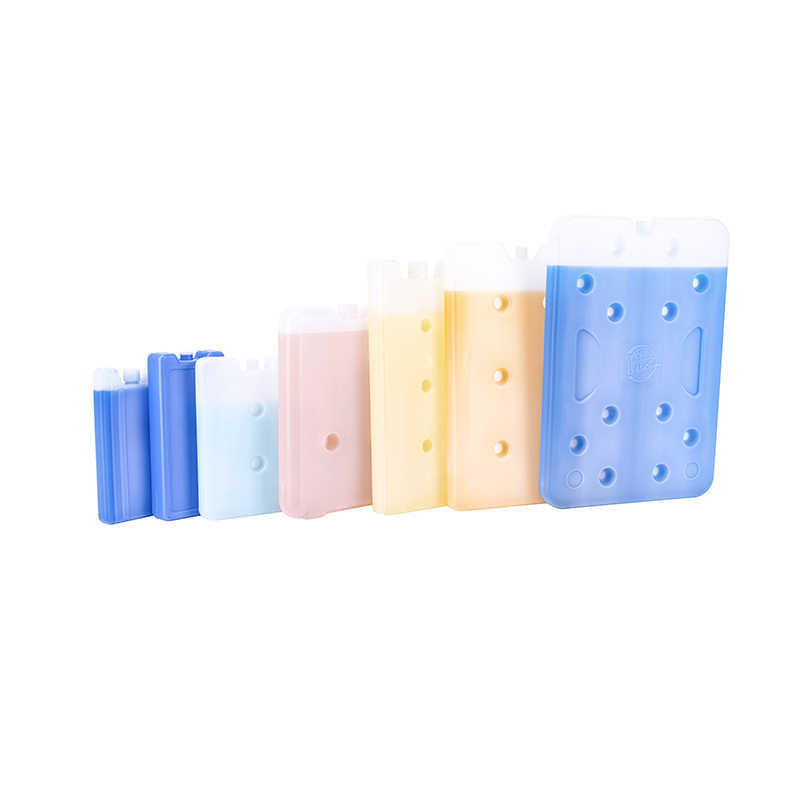
Acumuladores rígidos de HDPE
Útil para caixas EPP, refrigeradores médicos, sacos de entrega e loops de retorno que precisam de shells duráveis, limpeza fácil, colocação fixa e controle de estoque.
Ver acumuladores rígidos de frio reutilizáveisSistemas de refrigeração personalizados para packouts repetíveis
Escolha o ponto de fase, Formato de PCM, dimensões, concha, método de condicionamento, colocação fixa, rótulos e requisitos de pedido recorrente em torno dos limites do produto e do caixa de envio isotérmica.
Prepare sua solicitação de amostra
Selecione os detalhes da remessa de sua qualidade, logística e as equipes de embalagem já sabem. Tempk pode usar o briefing para recomendar amostras; o ponto final da fase, quantidade e a colocação deve ser verificada no packout completo.
O que precisa ser personalizado?
Escolha a forma de operação
acumuladores rígidos de frio rígidos, bolsas flexíveis e conjuntos de painéis resolvem diferentes problemas de ajuste e manuseio. Selecione a forma em torno do espaço utilizável da câmara e da repetibilidade, não apenas a aparência.
Útil para caixas EPP, refrigeradores médicos, sacos de entrega e loops de retorno que precisam de shells duráveis, limpeza fácil, colocação fixa e controle de estoque.
Ver acumuladores rígidos de frio reutilizáveisÚtil quando o líquido refrigerante deve caber em espaços laterais estreitos, espaços da tampa ou cargas irregulares, ao mesmo tempo em que limita o volume não utilizado em um caixa de envio unidirecional.
Compare o comportamento do PCMÚtil para caixas de envio médicos fixos ou de alto valor, onde cada posição do painel, estado de condicionamento, separador e o ponto do registrador é registrado.
Planeje embalagens farmacêuticasCombina PCM rígido e flexível ou PCM com outra fonte de frio aprovada, quando a câmara precisa de capacidade fixa e cobertura para preencher lacunas.
Planeje testes packoutControle de pedidos recorrentes
Um packout repetível depende de mais do que a fórmula do refrigerante. A unidade física, condição inicial, posição e as verificações operacionais devem permanecer alinhadas com o conjunto testado.
Corrija o ponto de fase, referência de formulação, preencher massa ou volume, controles de lote e rótulo usado para o programa aprovado.
Corrija as dimensões externas, grossura, concha ou filme, orientação, número de unidades e folga da câmara.
Registrar temperatura de condicionamento, tempo mínimo de condicionamento, limite de preparação e como as unidades prontas são identificadas.
Posicionamento de controle, separadores, sequência de abertura, limpeza, inspeção, inventário e retirada de unidades danificadas.
Escolha por exigência de temperatura
Utilize estas opções para definir as primeiras amostras. O desempenho final depende da carga útil, Quantidade de PCM, condicionamento, isolamento, colocação e perfil de rota trabalhando juntos.
| Requisito de envio | Opção inicial PCM | Colocação e separação | O que a amostra deve confirmar |
|---|---|---|---|
| 2–8 °C para medicamentos sensíveis ao congelamento | PCM condicionado selecionado de acordo com os limites de produto aprovados, em um painel rígido, tijolo ou arranjo de bolsa fixa. | Use uma câmara de carga útil separada e evite o contato direto com o líquido refrigerante congelado, a menos que o projeto qualificado permita isso. | Pontos de produtos mais quentes e mais frios, risco de congelamento, margem de atraso, repetibilidade do condicionamento e precisão de montagem. |
| 15–25°C de temperatura ambiente controlada | Comportamento da fase PCM e condição inicial escolhida para proteção em estação quente e estação fria. | Coloque unidades para proteger a exposição externa sem criar uma zona fria localizada ao lado da carga útil. | Entrada de calor no verão, banho frio de inverno, transições de transferência, tempo de preparação e instruções de operação sazonais. |
| Comida gelada ou entrega local | acumuladores rígidos de frio rígidos ou bolsas PCM dimensionados de acordo com o espaço disponível no saco ou caixa e o ciclo de entrega necessário. | Use bolsos, divisores ou posições superiores e laterais fixas para parar o movimento, esmagamento ou contato direto com alimentos frágeis. | Condição de chegada, condensação, pressão do produto, equilíbrio da bolsa, frequência de abertura, limpeza e recongelando o fluxo de trabalho. |
| Rota congelada | Subzero PCM ou um sistema híbrido em comparação com outras fontes de frio congelado aprovadas e restrições de transporte. | Distribua a fonte de frio ao redor da câmara congelada enquanto protege a embalagem, rótulos e produtos de contato concentrado. | Aquecimento de carga útil, refrigerante restante, atraso na rota, considerações de pressão ou vapor, rótulos e manuseio do receptor. |
Coloque o refrigerante na câmara
Espessura congelada ou condicionada, folga da tampa, cantos moldados, posição do divisor, remoção de carga útil e a velocidade de empacotamento podem mudar se um acumulador rígido de frio funciona na prática.
Compartilhe dimensões internas do caixa de envio e da carga útil, não apenas o tamanho da caixa externa.
Verifique a espessura da unidade após o condicionamento, planicidade, ajustar e condição da superfície.
Use bolsos, slots, rótulos, cores ou um diagrama de embalagem para que os operadores repitam o mesmo layout.
Revise os separadores e os pontos de pressão ao redor das caixas, frascos, bandejas, garrafas e etiquetas.
Condicionamento e reutilização
Uma boa amostra ainda pode falhar no uso diário quando um acumulador rígido de frio está apenas parcialmente condicionado, encenado por muito tempo, colocado no slot errado ou devolvido sem inspeção.
Use um número de peça, cor, rótulo, referência de ponto de fase e lista de quantidades para que diferentes famílias de refrigerantes não sejam misturadas.
Definir equipamento, padrão de carregamento, temperatura de condicionamento, tempo mínimo, limite de preparação e verificação de prontidão.
Use posições numeradas, separadores, um diagrama de pacote e locais de registradores que correspondam à amostra ou montagem aprovada.
Verifique o vazamento, integridade da tampa ou da solda, deformação, contaminação, rótulos e unidades faltantes antes do recondicionamento.
Selecione as opções personalizadas
| Item de personalização | Decisões para fornecer | O que a amostra ou aprovação deve confirmar |
|---|---|---|
| Ponto de fase e formulação | Limites do produto, banda alvo, sensibilidade de congelamento, perfil sazonal, necessidade de reutilização e requisitos de materiais. | Referência PCM selecionada, estado de condicionamento, comportamento térmico no packout completo e documentação acordada. |
| Dimensões e capacidade | Comprimento máximo, largura, grossura, folga da câmara, layout de carga útil e colocação necessária. | Ajuste condicionado, volume de carga útil utilizável, orientação, ajuste de bolso ou rack e velocidade de embalagem. |
| Concha ou bolsa | HDPE rígido, filme flexível, construção de painel, tampa ou solda, exposição à punção e processo de limpeza. | Resistência a vazamentos, integridade do fechamento, condição da superfície, manuseio e compatibilidade com a operação pretendida. |
| Cor, rótulo e numeração | Codificação de cores, logotipo, ID do produto, rótulo de ponto de fase, instruções de condicionamento, código de barras e texto de aviso. | Arte, adesão de impressão ou etiqueta, área de digitalização, clareza do operador e rastreabilidade por meio de devolução e reutilização. |
| Instruções de condicionamento e embalagem | Equipamento, temperatura, tempo, encenação, sequência de montagem, separadores, pontos de registro e recebimento de cheques. | Um SOP ou diagrama de embalagem repetível que operadores treinados podem seguir sem alterar o layout testado. |
| Caixa e fornecimento repetido | Unidades por caixa, embalagem protetora, plano de paletes, etiqueta de exportação, demanda mensal, inspeção e reordenar código. | Contagem de caixas aprovadas, proteção de trânsito, inspeção de entrada, referência de lote e especificação de pedido recorrente. |
De amostras a pedidos recorrentes
Documente a carga útil, limites de temperatura, rota, caixa de envio e restrições operacionais.
Compare o comportamento da fase PCM, forma, dimensões, condicionamento e colocação da câmara.
Condicione unidades de amostra e revise os bolsões, divisores, espaço de carga útil, rótulos e velocidade de embalagem.
Teste o caixa de envio totalmente carregado sob as suposições ambientais e de rota acordadas.
Aprovar a especificação da unidade, registro de condicionamento, diagrama de embalagem, plano de papelão e reordenar código.
Conclua o packout com PCM
Referência de qualificação: Os projetos de saúde e de vacinas devem seguir os requisitos de qualidade do proprietário do produto e os procedimentos de transporte aplicáveis. OMS/PQS reconhece os pacotes PCM como pacotes de refrigerante com temperaturas de mudança de fase diferentes de 0°C, enquanto ISTA 7E fornece uma estrutura para avaliar embalagens de transporte térmico em relação à exposição à temperatura externa.
Perguntas antes da amostragem
Não. Um ponto de fase mais frio pode aumentar o risco de contato direto ou congelamento para produtos sensíveis. Selecione o PCM em relação aos limites de produto aprovados, condição inicial, isolamento, rota e separação, então teste o packout completo.
Opções PCM específicas do projeto podem ser discutidas, mas o comportamento da fase solicitada, compatibilidade, método de condicionamento, quantidade e a documentação devem ser revisadas antes que amostras ou fornecimento em volume sejam aprovados.
Fato de acumuladores rígidos de frio rígidos fixo, layouts reutilizáveis e fácil limpeza. Bolsas flexíveis cabem em espaços estreitos e cargas irregulares. A escolha certa depende das dimensões da câmara, pontos de pressão, reutilizar e fluxo de trabalho de embalagem.
Não existe um número universal confiável. A quantidade depende da massa da carga útil, temperatura inicial, desempenho do caixa de envio, comportamento da fase unitária, perfil ambiente, duração da rota, colocação e condição de chegada aceitável.
Sim. O packout aprovado deverá indicar equipamentos de condicionamento, temperatura, tempo mínimo, limite de preparação, verificação de prontidão, número de unidades, orientação e sequência de colocação.
Eles podem suportar um programa reutilizável quando o ciclo de retorno inclui limpeza, inspeção, inventário, recondicionamento e critérios de aposentadoria para vazamento, deformado, contaminado ou unidades não identificáveis.
Compartilhe os limites do produto, carga útil, rota, caixa de envio isolado, equipamento de condicionamento, formato de PCM preferido, modelo de reutilização, quantidade e registros de teste ou aprovação exigidos. A Tempk pode recomendar amostras e preparar um orçamento OEM.