20 Fornecedor de caixa de gelo para cadeia fria de litro: Uma estrutura de seleção de fornecedores baseada em evidências
A resposta certa para 20 cadeia de frio de litros fornecedor de caixa de gelo começa com um caso de uso controlado, não é um modelo de catálogo. Defina a carga útil, condição necessária, rota, exposição ambiental, pacote, manuseio, limpeza, evidência, e volume comercial antes de escolher a caixa. O produto final deve ser avaliado pela capacidade utilizável, construção, ajuste operacional, consistência de produção, e custo total entregue.
O objetivo prático é se “20 litros” descreve o volume bruto da cavidade, capacidade nominal comercializada, ou o espaço de carga útil disponível no pacote pretendido. A estrutura de decisão a seguir reúne o produto mais útil, técnico, conformidade, operacional, e considerações de compra, mantendo todas as declarações de desempenho vinculadas às condições que realmente as sustentam.
Uma caixa isolada é apenas uma parte do controle de temperatura
A caixa de gelo com cadeia de frio de 20 litros fornece uma barreira ao fluxo de calor e um invólucro protetor. Não gera uma temperatura controlada por si só. O desempenho passivo depende do isolamento, tipo de refrigerante e condicionamento, massa de refrigerante, massa de carga útil, temperatura inicial do produto, arranjo interno, perfil ambiente, comportamento de abertura, e critérios de aceitação. Uma alteração em qualquer um deles pode afetar os resultados mesmo quando a caixa externa permanece inalterada.
Esta diferença de escopo é especialmente importante para alimentos, farmacêutico, vacina, e usos em ensaios clínicos. Um teste estrutural pode mostrar que uma alça ou ranhura sobrevive a uma carga definida. Uma declaração de material pode mostrar que um componente é adequado para uma condição de contato pretendida. Um relatório térmico pode mostrar como um pacote se comportou sob um perfil. Uma qualificação de rota pode então avaliar a faixa de operação. Esses documentos respondem a questões diferentes e não devem ser substituídos uns pelos outros. Para aprovação do fornecedor, incluir este limite nas instruções de operação da embalagem da classe de 20 litros.
Peça à fábrica para declarar todas as declarações de desempenho com sua configuração. A declaração deve identificar o tamanho da caixa e a revisão, carga útil, refrigerante, condicionamento, diagrama de carregamento, posição do monitor, perfil ambiente, duração, e faixa de aceitação. Se o fornecedor não puder fornecer esse contexto, tratar a alegação apenas como uma indicação de triagem. O objetivo da decisão não é exigir um relatório laboratorial para cada conversa inicial, mas para evitar que um título não suportado se torne uma especificação de compra. Na decisão final, indicar as condições aplicáveis à embalagem da classe de 20 litros na resposta do fornecedor.
O escopo regulatório começa com as condições de contato e do produto
A evidência relevante depende dos requisitos de transporte específicos do produto, evidência de contato com alimentos, quando relevante, e documentos de qualificação de saúde quando o contêiner se torna parte de um sistema de transporte controlado. Nos Estados Unidos, o status de contato com alimentos está vinculado às substâncias autorizadas e às condições de uso pretendidas, incluindo tipo de alimento e temperatura. Na União Europeia, os materiais em contacto com os alimentos colocados no mercado são abrangidos pelo regulamento-quadro e pelos requisitos de boas práticas de fabrico, com regras adicionais para determinados grupos de materiais. Uma declaração genérica de que um plástico é de “qualidade alimentar” é, portanto, apenas um ponto de partida.
Os usos médicos e farmacêuticos adicionam uma camada diferente. A rotulagem do produto e os procedimentos do patrocinador ou qualidade definem a condição exigida. PIB, GCP, orientação de imunização, regras de carga aérea, ou especificações do programa nacional podem ser aplicadas dependendo da remessa. A unidade isolada não se torna compatível simplesmente porque o seu polímero é aceitável para contato com alimentos ou porque é reutilizável. O processo completo pode precisar de instruções de embalagem qualificadas, monitoramento calibrado, tratamento de desvios, treinamento, e cadeia de custódia documentada. Antes do lançamento final, indicar as condições aplicáveis à embalagem da classe de 20 litros na resposta do fornecedor.
Crie um mapa de evidências com quatro colunas: alegar, objeto, doença, e documento. Por exemplo, uma reivindicação de material pertence a uma resina nomeada e ao uso pretendido; uma reivindicação estrutural pertence a um projeto acabado e método de carregamento; uma reivindicação térmica pertence a uma configuração e perfil completos; uma reivindicação de rota pertence a uma faixa operacional. Este mapa revela lacunas e evita que um certificado seja ampliado além do seu escopo. Para aprovação do fornecedor, documentar a limitação para a embalagem da classe de 20 litros, em vez de implicar adequação universal.
A especificação da caixa começa fora da caixa
A primeira especificação deve descrever o trabalho operacional: transportar uma carga útil moderada em formato portátil, deixando espaço suficiente para isolamento, refrigerante, separação, e manuseio seguro. Deve identificar os usuários, o local de carregamento, o local de recebimento, as transferências esperadas, e o momento em que a responsabilidade pela temperatura muda. Isso evita que o fornecedor preencha incógnitas com suposições. Também permite operações, qualidade, e equipes de compras revisem o mesmo requisito em vez de manter versões informais separadas.
A definição da carga útil precisa de mais detalhes do que um peso ou volume nominal. A carga planejada pode incluir caixas de remédios, pacotes de vacinas, racks de amostras de laboratório, recipientes de refeição, pacotes de frutos do mar, ou unidades de bebidas com diferentes cargas dimensionais e térmicas. Registre as dimensões do pacote primário, limites de orientação, número de unidades, condição térmica na embalagem, Headspace, áreas frágeis, e se a carga deve permanecer separada do refrigerante. Uma cavidade que pareça grande o suficiente pode tornar-se inutilizável se a abertura for estreita, os cantos são fortemente arredondados, ou uma cesta e uma divisória consomem as dimensões críticas. Para aprovação do fornecedor, confirme o escopo da evidência para a embalagem da classe de 20 litros antes da compra.
O mapeamento de rotas é igualmente importante. Para pequenas tiragens de correio, reabastecimento de clínica, rotas gastronômicas urbanas, transporte manual controlado, e distribuição multi-stop onde o tamanho compacto pode ajudar no manuseio, observe o tempo de trânsito planejado, provável atraso, temperatura de preparação, sol direto, circulação de ar do veículo, abertura repetida, transferência entre operadoras, e recebendo inspeção. Essas entradas não produzem um tempo de espera garantido por si só, mas definem as condições que um fornecedor ou laboratório de testes deve reproduzir. Sem eles, uma cotação só pode abranger uma caixa genérica, não é um processo de distribuição confiável. Para aprovação do fornecedor, registre este ponto para a embalagem da classe de 20 litros como um requisito controlado.
A capacidade deve ser medida na embalagem final
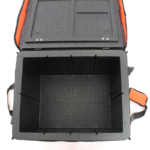
O volume nominal geralmente é calculado a partir de uma cavidade ou convenção de marketing, mas as equipes de projeto operam com volume utilizável. Espessura do isolamento, raios de canto, intrusão na tampa, cestas, divisores, refrigerante, barreiras de congelamento, e monitorar o espaço reduzem o que pode ser carregado. A embalagem final deve acomodar caixas de medicamentos, pacotes de vacinas, racks de amostras de laboratório, recipientes de refeição, pacotes de frutos do mar, ou unidades de bebidas com diferentes cargas dimensionais e térmicas. As dimensões internas mínimas e as dimensões de abertura são muitas vezes mais úteis do que um único valor de litro.
Meça a carga útil real em sua configuração de envio. Construa um bloco dimensional ou use caixas reais. Coloque o refrigerante e os acessórios propostos ao seu redor, então verifique o fechamento, elevação, visibilidade do rótulo, e vias aéreas ou de contato. Este exercício expõe conflitos antes do teste térmico. Também evita que um fornecedor aumente a capacidade anunciada através de uma dimensão que não ajuda a carga útil. Na decisão final, coloque este requisito para a embalagem da classe de 20 litros na lista de verificação de recebimento.
O peso embalado merece uma revisão separada. O refrigerante pode representar uma grande parte da massa elevada, e os usuários de campo podem carregar a caixa pelas escadas, Clínicas, armazéns, ou terreno acidentado. Definir se o manuseio por uma ou duas pessoas é aceitável, onde fica o centro de gravidade, e se o sistema de alça permanece confortável com luvas ou mãos molhadas. Uma cavidade tecnicamente adequada ainda pode ser operacionalmente errada se a unidade carregada for insegura ou lenta para manusear. No lançamento da produção, coloque este requisito para a embalagem da classe de 20 litros na lista de verificação de recebimento.
O Quadro de Decisão Final
| Portão | Pergunta | Liberar evidências |
|---|---|---|
| Porta de caso de uso | A carga útil, rota, doença, e processo de manuseio definido? | Requisito de usuário aprovado |
| Ajustar portão | A embalagem final se ajusta com levantamento e fechamento seguros?? | Desenho de embalagem e amostra medida |
| Portão de evidências | As reivindicações estão vinculadas ao material certo, caixa, pacote, ou pista? | Mapa de evidências e relatórios de teste |
| Portão de qualidade | A produção pode reproduzir a configuração aprovada? | Revisão do lote piloto e plano de inspeção |
| Portão de custo | As cotações são normalizadas para o mesmo escopo e base de entrega?? | Modelo de custo no destino e de ciclo de vida |
| Portão de operações | Os usuários podem embalar, receber, limpar, inspecionar, e devolva-o corretamente? | Instruções controladas e plano de treinamento |
| Mudar portão | As substituições exigirão revisão? | Lista de materiais e acordo de controle de alterações |
| Portão de aplicação | Se “20 litros” descreve o volume bruto da cavidade, capacidade nominal comercializada, ou o espaço de carga útil disponível no pacote pretendido | Lista de requisitos assinados e suposições não resolvidas |
Esta matriz funciona melhor quando é preenchida em conjunto pelos departamentos de compras, operações, engenharia, e qualidade. Transforma preferências gerais em evidências revisáveis e expõe suposições ausentes antes da negociação de preços. Nem todo projeto precisa da mesma profundidade, mas toda reclamação crítica deve ter um proprietário e uma forma definida de verificá-la. Antes do lançamento final, coloque este requisito para a embalagem da classe de 20 litros na lista de verificação de recebimento.
O preço é o resultado de uma configuração
A estrutura de custos inclui capacidade, material, tipo de isolamento, rota do molde, hardware, cor personalizada ou impressão, acessórios, suporte de teste, densidade de embalagem, e volume de pedidos. Os fornecedores podem cotar preços muito diferentes, embora todos pareçam oferecer o mesmo tamanho. As diferenças podem vir da espessura do isolamento, grau de material, processo, hardware, inspeção, embalagem, ou simplesmente de itens excluídos. Uma comparação justa requer uma folha de configuração e uma tabela de comparação comercial. Antes do lançamento final, proteja a decisão para a embalagem da classe de 20 litros por meio do controle de alterações.
Separe os custos únicos dos custos recorrentes. Construção da unidade, acessórios, inspeção, caixas, e frete recorrente. Ferramentas, moldes, obra de arte, engenharia, e alguns testes podem ser únicos ou amortizados. Em seguida, separe o custo de aquisição do custo operacional: refrigerante de condicionamento, lavar, secagem, armazenar, rastreamento de ativos, transporte de retorno, dano, reparar, e substituição. A melhor métrica pode ser o custo por rota bem-sucedida, em vez do preço de compra por caixa. No lançamento da produção, resolver este ponto para a embalagem da classe de 20 litros antes da qualificação térmica.
O frete merece atenção antecipada porque as caixas isoladas podem ser volumosas. Dimensões externas, aninhamento, desmontagem, quantidade da caixa, padrão de palete, e o carregamento de contêineres pode alterar o custo de entrega mais do que uma pequena diferença no preço de fábrica. Peça aos fornecedores que cotem o mesmo prazo de entrega e configuração de embalagem. Quando as caixas reutilizáveis retornam vazias, o cubo reverso e mão de obra de movimentação também devem entrar no modelo. No lançamento da produção, confirme o escopo da evidência para a embalagem da classe de 20 litros antes da compra.
Um cenário prático de compra
Considere esta situação típica: uma rede de clínicas quer transportar caixas e um registrador de dados em uma caixa compacta, mas a cavidade nominal de 20 litros perde espaço útil substancial quando o líquido refrigerante condicionado e uma divisória protetora são instalados. A primeira resposta não deve ser selecionar um tamanho de catálogo. A equipe deve medir a carga útil, construir o pacote proposto, mapear a rota, e observe como os usuários levantam, seguro, abrir, limpar, e devolva a caixa. Isso cria um registro compartilhado das restrições reais. Para aprovação do fornecedor, registre este ponto para a embalagem da classe de 20 litros como um requisito controlado.
Próximo, o comprador deve solicitar duas ou três alternativas controladas em vez de um longo catálogo. Cada opção deve listar o que está incluído, que evidências existem, o que ainda precisa de testes, e quais mudanças operacionais são necessárias. Uma opção pode priorizar menor peso, outra durabilidade repetida, e outra maior resistência térmica ou maior volume utilizável. A equipe pode então comparar compensações em vez de discutir recursos isolados. Na decisão final, confirme o escopo da evidência para a embalagem da classe de 20 litros antes da compra.
Complete a sequência através de uma amostra de engenharia, teste de pacote, produção piloto, e liberação formal. Registre medições dimensionais e manipule observações, não apenas fotografias. Para usos sensíveis à temperatura, confirme o pacote completo sob um perfil apropriado e defina como as excursões serão tratadas. O resultado é uma decisão de aquisição vinculada a evidências e fluxo de trabalho, não a uma promessa que não pode ser reproduzida posteriormente. No lançamento da produção, vincular esta decisão para a embalagem da classe de 20 litros ao desenho e embalagem aprovados.
Disciplina Operacional Protege a Configuração Qualificada
Uma caixa se move através de pessoas e lugares, não apenas através de uma câmara térmica. O plano operacional deve abranger o pré-condicionamento, embalagem, encerramento, rotulagem, monitorar ativação, entregar, recebendo, descarregamento, limpeza, secagem, inspeção, armazenar, e retornar. Para pequenas tiragens de correio, reabastecimento de clínica, rotas gastronômicas urbanas, transporte manual controlado, e distribuição multi-stop onde o tamanho compacto pode ajudar no manuseio, o maior risco pode ser uma doca de carga ou falha na entrega, em vez do tempo planejado do veículo.
Ferramentas úteis de decisão
Verifique os detalhes antes de escolher a embalagem
Essas ferramentas rápidas podem ajudá-lo a comparar o risco da rota, necessidades de dimensionamento, escolhas de refrigerante, e detalhes da embalagem antes de solicitar um orçamento.
Gerador de lista de conformidade
Crie uma lista de verificação prática para revisão de embalagens, envio, e documentação.
Lista de verificação de construçãoResistência à queda de material de isolamento
Revise a resistência à queda e os fatores de manuseio antes de escolher materiais de isolamento.
Verifique a resistênciaForro de caixa & Dimensionamento da cobertura de paletes
Verifique a lógica de dimensionamento do forro da caixa e da tampa do palete para projetos de embalagens isoladas.
Dimensionamento estimadoAs instruções devem ser visuais e específicas da configuração. Use etiquetas que resistam ao ambiente de limpeza e roteamento. Mostrar posição do refrigerante, orientação do produto, colocação do divisor, monitorar localização, sequência de fechamento, e critérios de rejeição. Se a caixa tiver drenos, alças, rodas, juntas substituíveis, ou alças de corda, incluir pontos de inspeção para esses componentes. A complexidade deve ser reduzida sempre que possível porque os utilizadores ocasionais não se lembram de procedimentos longos. Para aprovação do fornecedor, incluir este limite nas instruções de operação da embalagem da classe de 20 litros.
As equipes receptoras precisam de um caminho de decisão. Eles devem saber como inspecionar o selo, leia o monitor, identificar danos, gravar uma excursão, colocar a carga em quarentena, e entre em contato com a pessoa responsável pela qualidade. As caixas devolvidas não devem voltar automaticamente para a frota limpa. Uma simples etapa de quarentena e inspeção evita cascas rachadas, plugues faltando, alças contaminadas, ou mudou o refrigerante de enfraquecer silenciosamente o sistema. Na decisão final, confirme o escopo da evidência para a embalagem da classe de 20 litros antes da compra.
A revisão da fábrica deve seguir os riscos críticos
A questão central do fornecedor é se “20 litros” descreve o volume bruto da cavidade, capacidade nominal comercializada, ou o espaço de carga útil disponível no pacote pretendido. Um fabricante confiável deve ser capaz de traduzir esse requisito em desenhos, definições de materiais, pontos de inspeção, e um plano de teste. A conversa deve passar de afirmações amplas para detalhes controlados. Pergunte quem é o dono do molde, quais operações são realizadas internamente, como os fornecedores de componentes críticos são aprovados, e como a lista de materiais é mantida. Um amplo catálogo pode ser útil, mas não é evidência de controle de processo.
Percorra amostras em estágios controlados. A primeira amostra confirma dimensões básicas e ergonomia. Uma amostra de engenharia revisada confirma materiais, acessórios, rótulos, e ajuste da embalagem. Um lote piloto verifica ferramentas de produção, conjunto, inspeção, embalagem, e variação em várias unidades. A amostra dourada aprovada deve estar vinculada a desenhos e critérios de aceitação mensuráveis. Aprovar uma amostra especialmente preparada sem esta ponte é uma fonte comum de surpresas na produção em massa. No lançamento da produção, proteja a decisão para a embalagem da classe de 20 litros por meio do controle de alterações.
A revisão da qualidade deve focar na tolerância da capacidade, repetibilidade dimensional interna, uniformidade da parede, compressão da tampa, lidar com acessório, integridade da espuma, e inspeção de vazamento ou rachadura. Pergunte como as unidades não conformes são identificadas, se as medições são registradas, como as reclamações são investigadas, e como as mudanças de engenharia são comunicadas. Para programas de alto controle, exigem aprovação prévia antes das substituições. Para uso do consumidor de menor risco, o sistema pode ser mais simples, mas dimensões críticas, materiais, e os recursos de segurança ainda precisam de critérios objetivos de aceitação. Na decisão final, confirme que os controles de produção preservam este ponto para a embalagem da classe de 20 litros.
Uma resina reciclável não completa a história do ciclo de vida
A questão relevante da sustentabilidade é dimensionar corretamente o contêiner para que os compradores não movam ar desnecessário, refrigerante, e embalagem, ao mesmo tempo que permite um arranjo seguro de carga útil para refrigerante. Uma caixa reutilizável pode reduzir o consumo de embalagens em um circuito fechado estável, mas também requer mais material, limpeza, armazenar, e transporte de retorno. Um sistema leve de mão única pode ser preferível em uma faixa dispersa onde as taxas de retorno são baixas. A escolha deve ser feita a partir da rede operacional e não de um único atributo de marketing.
O dimensionamento correto costuma ser a melhoria mais rápida. O excesso de volume aumenta a área de isolamento, demanda de refrigerante, cubo de frete, e espaço de armazém. Hardware sobrecarregado adiciona massa. Produtos subconstruídos falham precocemente e criam resíduos de reposição. Um bom design utiliza material suficiente nos lugares certos, protege peças de desgaste substituíveis, e permite a inspeção antes que uma unidade danificada entre novamente em serviço. Para aprovação do fornecedor, resolver este ponto para a embalagem da classe de 20 litros antes da qualificação térmica.
Acompanhe um pequeno conjunto de indicadores práticos: taxa de retorno, viagens por ativo, motivo do dano, hora de lavar, tempo de secagem, componentes perdidos, cubo de retorno vazio, e rota de aposentadoria. Esses dados mostram se o sistema está melhorando. As reivindicações de sustentabilidade devem ser atualizadas quando a rota muda. Uma caixa usada para cinquenta viagens locais controladas tem uma pegada diferente da mesma caixa enviada uma vez através de uma rota internacional e nunca devolvida. Na decisão final, indicar as condições aplicáveis à embalagem da classe de 20 litros na resposta do fornecedor.
Um fluxo de trabalho simples de aprovação interna
A liberação do lote deve começar com verificações objetivas e não apenas com a aparência. Confirme dimensões internas críticas, fechamento da tampa, hardware, rótulos, acessórios, e embalagem de acordo com a especificação aprovada. Selecione várias unidades de caixas diferentes. Registre os resultados para que reclamações posteriores possam ser comparadas com o lote original, em vez de com a memória ou com uma única amostra. Antes do lançamento final, documentar a limitação para a embalagem da classe de 20 litros, em vez de implicar adequação universal.
As equipes de serviço precisam de limites de danos predefinidos. Rachaduras, selos deformados, plugues faltando, alças desgastadas, âncoras soltas, superfícies contaminadas, painéis perfurados, ou refrigerante não aprovado deve desencadear quarentena. Alguns itens podem ser reparados com peças controladas; outros deveriam ser aposentados. Uma regra clara impede que os usuários mantenham uma caixa visivelmente danificada em serviço simplesmente porque ela ainda fecha. Na decisão final, resolver este ponto para a embalagem da classe de 20 litros antes da qualificação térmica.
Revisões de documentos envolvendo material, fornecedor, mofo, processo, dimensões, rótulos, embalagem, e embalagem. Revise se cada alteração afeta o status do contato, evidência térmica, testes estruturais, frete, limpeza, ou instruções do usuário. Esta disciplina não se limita a programas regulamentados. Ele protege qualquer comprador contra desvios graduais de configuração em pedidos repetidos. Antes do lançamento final, registre este ponto para a embalagem da classe de 20 litros como um requisito controlado.
Perguntas a serem feitas antes de fazer o pedido
Para esta caixa de gelo de cadeia fria de 20 litros, as seguintes perguntas criam mais valor do que perguntar se o fornecedor é confiável. Eles forçam a discussão em direção ao uso pretendido, especificações mensuráveis, e evidências. Antes do lançamento final, documentar a limitação para a embalagem da classe de 20 litros, em vez de implicar adequação universal.
- Liberar pergunta: É 20 litros um volume bruto nominal ou volume interno utilizável verificado?
- Liberar pergunta: Quais são o comprimento interno mínimo, largura, altura, e dimensões de abertura?
- Liberar pergunta: Quanto espaço de carga resta com a configuração proposta de refrigerante e divisor?
- Liberar pergunta: Que peso de levantamento e distância de transporte o sistema de alça deve suportar?
- Liberar pergunta: Qual perfil de teste térmico, carga útil, e os critérios de aceitação suportam qualquer duração declarada?
- Liberar pergunta: As amostras podem ser medidas em relação aos desenhos de produção antes da produção em massa??
Uma resposta completa pode ser um desenho, mesa, amostra, plano de teste, ou limitação documentada. Um fornecedor não precisa ter todos os relatórios finais antes do desenvolvimento inicial, mas deve ser capaz de afirmar o que é conhecido, o que é assumido, o que pode ser personalizado, e o que deve ser testado. Essa transparência é um sinal de risco melhor do que uma longa lista de certificações não suportadas. Na decisão final, verifique este ponto em unidades representativas usadas para a embalagem da classe de 20 litros.
Onde projetos bons dão errado
Vale a pena verificar os pontos abaixo antes de usar ferramentas ou produção em massa. Cada um pode criar retrabalho evitável quando permanece sem solução durante a seleção do fornecedor. Para aprovação do fornecedor, revise este ponto para a embalagem da classe de 20 litros com operações e qualidade.
- Liberar bloqueador: comparando apenas o número do litro.
- Liberar bloqueador: assumindo que uma caixa compacta é automaticamente adequada para transporte manual ou aéreo.
- Liberar bloqueador: colocar refrigerante congelado diretamente contra produtos sensíveis ao congelamento.
- Liberar bloqueador: ignorando a dimensão da abertura mesmo quando o volume da cavidade parece adequado.
- Liberar bloqueador: solicitar uma garantia de tempo de espera sem definir carga útil e exposição ambiental.
Trate uma bandeira vermelha como um pedido de provas, não é uma rejeição automática. Deve desencadear um esclarecimento específico, verificação de amostra, ou pedido de provas. O resultado útil é resolver a incerteza enquanto as mudanças ainda são baratas. Um fornecedor que responde com desenhos, condições, e ações corretivas são mais úteis do que aquelas que repetem uma afirmação ampla. No lançamento da produção, documentar a limitação para a embalagem da classe de 20 litros, em vez de implicar adequação universal.
Perguntas frequentes
Uma caixa de gelo com cadeia de frio de 20 litros é suficiente para controlar a temperatura??
Não. A caixa retarda a transferência de calor, mas o resultado completo depende do refrigerante, carga útil, temperatura inicial, padrão de carregamento, exposição ambiental, manuseio, e monitoramento. Qualquer duração declarada precisa especificar a configuração testada e os critérios de aceitação. Para produtos regulamentados ou de alto valor, pacote adicional ou qualificação de pista pode ser necessário. Na decisão final, coloque este requisito para a embalagem da classe de 20 litros na lista de verificação de recebimento.
A capacidade declarada em litros é igual ao volume de carga útil?
Geralmente não. A capacidade nominal pode descrever a cavidade grosseira. O espaço utilizável é reduzido pela geometria do isolamento, intrusão na tampa, refrigerante, divisores, cestas, barreiras de congelamento, e monitorar o posicionamento. Os compradores devem solicitar dimensões internas mínimas e confirmar o ajuste com a embalagem final em vez de depender apenas de litros. Antes do lançamento final, documentar a limitação para a embalagem da classe de 20 litros, em vez de implicar adequação universal.
Um resultado de tempo de espera laboratorial pode ser usado para cada rota??
Um resultado laboratorial não deve ser generalizado automaticamente; aplica-se ao perfil ambiental testado, carga útil, refrigerante, monitorar posições, e faixa de aceitação. Pode apoiar o planejamento de rotas, mas diferenças significativas no atraso, sol direto, frequência de abertura, condições do veículo, ou carga útil pode exigir avaliação ou qualificação adicional. Antes do lançamento final, atribuir um proprietário e um método de aceitação para a embalagem da classe de 20 litros.
Qual é o melhor primeiro teste de amostra?
Primeiro prove que a configuração pode ser empacotada e manuseada corretamente. Verifique o fechamento, elevação, acesso, limpeza, e tempo de embalagem. Carregue a carga real, refrigerante, divisor, monitor, rótulos, e acessórios. Uma vez que a configuração física esteja estável, os testes térmicos e estruturais tornam-se mais significativos e menos propensos a serem repetidos após uma alteração no projeto.
A lição prática
A seleção final para 20 litro caixa de gelo da cadeia de frio fornecedor deverá passar por seis testes: ajuste ao caso de uso, capacidade utilizável, evidência, consistência de produção, simplicidade operacional, e custo total. A fábrica em análise que declara suposições, limitações de documentos, e apoia a verificação piloto é mais valiosa do que aquela que oferece reivindicações universais. Libere o pedido somente quando a configuração e as responsabilidades estiverem claras o suficiente para repetir.
Sobre Tempk
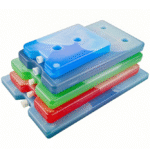
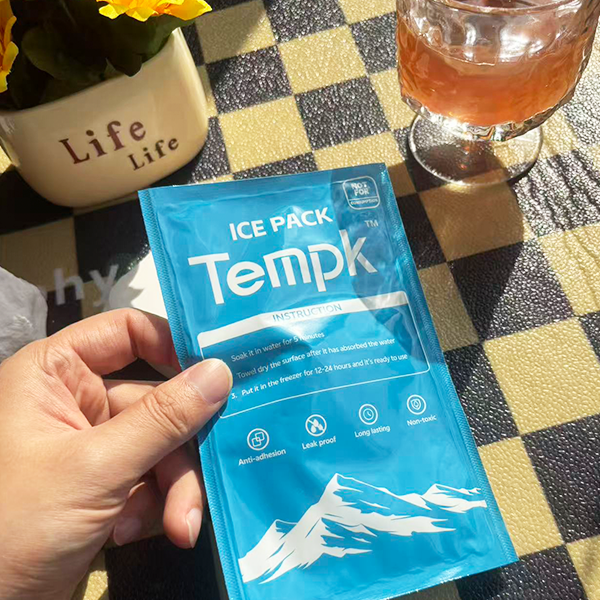
Tempk é o embalagem da cadeia de frio marca da Shanghai Tempk Industrial Co., Ltda. A empresa desenvolve e fornece produtos, incluindo pacotes de gel, rígido tijolos de gelo, sacos isolados, Caixas EPP, caixas térmicas médicas, forros isolados, e tampas de paletes. Para projetos envolvendo caixas isoladas, Tempk pode discutir capacidade, estrutura de isolamento, compatibilidade de refrigerante, recursos personalizados, e requisitos de embalagem. A adequação e o desempenho do produto devem ser confirmados em relação à carga específica, rota, condição de temperatura, e evidências exigidas pelo comprador. Antes do lançamento final, documentar a limitação para a embalagem da classe de 20 litros, em vez de implicar adequação universal.
Próximo passo
Antes da seleção final do fornecedor, forneça as dimensões da carga útil, faixa alvo, rota, preferência de refrigerante, e exigia espaço utilizável para comparar uma configuração realista da classe de 20 litros.