Fábrica de caixas isoladas EPP para fornecimento médico: um manual de decisão baseado em risco
Um Caixa isolada EPP a fábrica para fornecimento de produtos médicos deve ser selecionada pela qualidade de suas perguntas e controles, não por uma promessa universal de temperatura. O polipropileno expandido pode ser um invólucro isolado eficaz, no entanto, os medicamentos são protegidos por um sistema completo: carga útil definida, refrigerante condicionado, esteiras, encerramento, manuseio, monitoramento e qualificação de rotas. Um bom processo de sourcing torna os limites explícitos, atribui evidências ao proprietário certo e evita que a amostra qualificada se desvie durante a produção em massa ou reutilização.
Compre uma configuração controlada, não é um rótulo de material “médico”
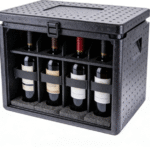
A expressão “médico Caixa EPP”pode ocultar vários produtos diferentes. Pode significar uma sacola de manuseio reutilizável, um invólucro externo protetor, um expedidor isolado fornecido sem refrigerante, ou um componente de um pacote passivo com temperatura controlada. Esses produtos não são equivalentes. Antes de comparar cotações, definir o que está dentro do escopo de compra e o que será desenhado, qualificado ou fornecido em outro lugar.
O próprio EPP é moldado, espuma de polipropileno predominantemente de células fechadas. Fontes técnicas comerciais associam-no ao baixo peso, isolamento térmico, baixa absorção de água, absorção de energia e resiliência. Essas características explicam por que é considerado para embalagem retornável. Eles não fornecem uma temperatura de envio aprovada, duração ou status regulatório. O projeto finalizado ainda possui juntas, seções de parede locais, tolerâncias e recursos de manuseio, enquanto o pacote adiciona refrigerante, carga útil e espaços aéreos.
O limite do sistema deve aparecer na primeira página do resumo de fornecimento. Liste o corpo e a tampa do EPP, inserções, refrigerante, forro, esteiras, monitor, componente de rótulo e prova de violação. Marque cada item como fornecido pelo cliente, fornecido de fábrica ou ainda em desenvolvimento. Identifique o documento que o controla. Este exercício simples evita que uma fábrica presuma que o “refrigerante do cliente” está fora do teste térmico, ou um comprador presuma que uma cotação de gabinete inclui um pacote qualificado.
Use linguagem de conformidade com disciplina semelhante. Um material pode estar em conformidade com uma especificação de componente acordada. Uma fábrica pode operar um sistema de qualidade documentado e fornecer registros. Um pacote térmico definido pode ser qualificado de acordo com critérios aprovados. As atividades de distribuição podem ser gerenciadas de acordo com o GDP aplicável ou outros requisitos. Nenhuma destas declarações significa que o EPP por si só é compatível com todas as remessas médicas.
Orientações autorizadas apoiam esta visão do sistema. Orientação da OMS para o tempo- e produtos farmacêuticos sensíveis à temperatura descreve a qualificação de recipientes passivos com os meios térmicos necessários, divisórias e estiva, incluindo considerações de carga e rota. As orientações do PIB da UE no seu âmbito enfatizam o planeamento dos transportes baseado no risco, condições definidas pelo fabricante, equipamento adequado, avaliação de rota e status de qualificação. Padrão ISTA 20 e o Padrão de Teste 7E pode oferecer suporte à qualificação estruturada de expedidores isolados e perfis de encomendas padronizados. Eles fornecem estruturas e evidências, não é um endosso universal de uma caixa.
Escreva o URS em torno das decisões que as pessoas devem tomar
A especificação dos requisitos do usuário deve permitir que a engenharia, qualidade, Compras, operações e o fornecedor tomem as mesmas decisões a partir dos mesmos fatos. Comece com o produto. Registre a condição de transporte aprovada, restrições baseadas na estabilidade, sensibilidade de congelamento, embalagem primária e secundária, orientação, proteção contra luz ou umidade e riscos mecânicos relevantes. Não atribua uma gama médica genérica quando o proprietário do produto não a tiver confirmado.
Defina a carga útil em arranjos em vez de um único volume. Forneça desenhos ou amostras para as menores e maiores cargas pretendidas, contagem de unidades, massa, massa térmica e espaço vazio permitido. Indique se uma carga fictícia ou espaçador é permitida. Dimensões externas separadas, Dimensões brutas da cavidade e espaço de carga útil após componentes de refrigeração e proteção. Incluir palete, veículo, restrições de correio ou manuseio manual que limitam a área externa.
Descreva a rota desde a embalagem até o recebimento controlado. Capture o tempo esperado e o atraso justificado, épocas de origem e destino, modos, docas de carga, centros, alfândega, risco de fim de semana e entrega autônoma. Marque onde o pacote pode estar fora do armazenamento controlado e quem tem a custódia. Se frete aéreo estiver envolvido, o remetente deve revisar os regulamentos atuais de controle de temperatura da IATA, variações de transportadora e quaisquer requisitos aplicáveis de mercadorias perigosas, em vez de solicitar à fábrica EPP uma aprovação geral para transporte aéreo.
Em seguida, defina o processo operacional. Especifique onde e como a base de água pacotes de gel ou outros materiais de mudança de fase serão condicionados, como seu status é identificado, onde o monitor é iniciado e colocado, como a tampa é verificada, e quais informações o receptor precisa. Listar agentes de limpeza e métodos para reutilização, critérios de inspeção e aposentadoria, transporte de retorno e identificação de ativos. Se a operação não conseguir reproduzir o pacote de laboratório, o design não está pronto.
Os requisitos de documentação pertencem ao URS como resultados. As necessidades comuns incluem desenhos controlados, especificações de materiais e componentes, lista de materiais, instrução de embalagem, critérios de inspeção, identificação do lote, certificados ou registros de teste para atributos acordados, comunicação de não conformidade e notificação de mudança. Retenção estatal e necessidades linguísticas, quando aplicável. Peça quantidade mínima, ferramentas, capacidade e prazo de entrega conforme cotações específicas do fornecedor, não como fatos presumidos na especificação técnica.
Finalmente, requisitos de classificação. Marcar segurança, proteção do produto e necessidades do sistema de qualidade como obrigatórias. Recursos separados que melhoram a ergonomia ou a marca. Permitir que um fornecedor envie uma exceção documentada em vez de responder “sim” a cada linha. Uma exceção transparente descoberta durante a revisão é mais barata do que uma capacidade implícita descoberta após a ferramenta.
Use portas de evidências desde o conceito até a produção
As evidências devem crescer com comprometimento. O desenvolvimento inicial precisa de informações suficientes para rejeitar conceitos ruins; qualificação precisa de detalhes controlados; o fornecimento de rotina precisa de provas de que a produção permanece dentro da definição aprovada. Os seguintes portões mantêm esses propósitos separados.
| Portão | Decisão | Evidência mínima útil | Sinal de parada |
|---|---|---|---|
| Revisão de requisitos | O caso de uso está bem definido o suficiente para projetar? | Condição aprovada do produto, arranjos de carga útil, suposições de pista, necessidades operacionais e de qualidade | Requisito de temperatura não confirmado ou carga útil indefinida |
| Conceito de componente | O projeto do EPP pode funcionar física e operacionalmente?? | Desenho revisado, proposta material, amostra adequada, revisão de fechamento e manuseio | Ajuste forçado, montagem ambígua ou espaço de carga útil inutilizável |
| Caracterização de engenharia | Qual pacote merece qualificação? | Configurações comparadas, dados calibrados, definição de refrigerante e condicionamento, riscos de calor e frio identificados | O resultado não pode ser vinculado a uma configuração controlada |
| Qualificação térmica | O sistema atende aos critérios aprovados em perfis justificados? | Protocolo e relatório com carga útil, perfis ambientais, sensores, repetições, desvios e aceitação | Certificado de shell vazio ou contexto de teste ausente |
| Aprovação de produção | A fábrica pode reproduzir o componente aprovado? | Amostra representativa de produção, plano de inspeção, evidência de capacidade, quando apropriado, rastreabilidade de lote | Amostra feita por um processo especial não documentado |
| Piloto operacional | Os sites podem empacotar, enviar, receber, limpe e devolva-o corretamente? | Treinamento, corridas observadas, registros de remessa e recebimento, revisão de desvio | Solução alternativa repetida ou substituição descontrolada de componentes |
| Controle de rotina | O desempenho permanece dentro do envelope aprovado? | Cheques recebidos, registros de lote, tendências de envio, avaliação de mudanças e revisão periódica | Material silencioso, ferramenta, mudança de planta ou embalagem |
Em cada portão, escreva a decisão e a revisão da configuração. Não deixe que um relatório posterior se refira apenas à “caixa do PPE”. Deve identificar o corpo, tampa, inserir, refrigerante, carga útil, condicionamento, esteiras, posição do monitor e fechamento usado. A orientação da OMS exige explicitamente detalhes completos de montagem e condicionamento da embalagem na qualificação de recipientes passivos. Preservar esse contexto é fundamental para uma avaliação de mudança defensável.
Os perfis de qualificação também precisam de uma justificativa. Um perfil ISTA padronizado pode ajudar na comparação ou fazer parte de um programa definido, enquanto os dados da pista podem ser mais apropriados para uma rede conhecida. A visão geral oficial do ISTA 7E observa que os perfis gerais não são necessariamente o pior caso para todas as situações de distribuição. Selecione perfis por meio de análise de risco documentada, representam exposição sazonal e de atraso aplicável, e definir o limite de tempo desde o envio ou embalagem até o recebimento. Evite transformar a duração testada em uma afirmação incondicional do produto.
As evidências de monitoramento devem ser projetadas ao mesmo tempo. Justifique a localização dos sensores durante a qualificação, em seguida, defina a posição do registrador de campo para que os registros de remessa sejam comparáveis. Confirme a identidade do dispositivo, status de calibração ou outro controle, precisão, intervalo de amostragem, atraso de início, limites de alarme, adequação da bateria e método de recuperação de dados de acordo com as necessidades do programa. Esses parâmetros são específicos do dispositivo e devem ser verificados a partir de documentação controlada, não inventado como valores padrão.
Auditar se a fábrica pode preservar as evidências
Uma auditoria deve testar se o fornecedor pode fazer repetidamente a revisão que foi avaliada. Siga os registros de trás para frente a partir de uma peça acabada. O fornecedor pode identificar o lote de matéria-prima, lote de moldagem, ferramenta, resultados da inspeção, disposição e envio? Então siga um lote de material adiante. A produção afetada pode ser localizada se surgir um defeito ou notificação do fornecedor? Este rastreamento bidirecional é mais útil do que uma declaração genérica de que todos os produtos são rastreáveis.
Ferramentas úteis de decisão
Verifique os detalhes antes de escolher a embalagem
Essas ferramentas rápidas podem ajudá-lo a comparar o risco da rota, necessidades de dimensionamento, escolhas de refrigerante, e detalhes da embalagem antes de solicitar um orçamento.
Referência de material de isolamento
Compare as opções de materiais de isolamento para diferentes necessidades de embalagens da cadeia de frio.
Compare materiaisCalculadora de gelo seco
Estime as necessidades de gelo seco para remessas congeladas ou ultrafrias antes de embalar.
Estimar gelo secoForro de caixa & Dimensionamento da cobertura de paletes
Verifique a lógica de dimensionamento do forro da caixa e da tampa do palete para projetos de embalagens isoladas.
Dimensionamento estimadoRevise primeiro o controle de qualidade recebido. Identidade material, fornecedores aprovados, o status do lote e os controles de substituição devem corresponder à especificação do componente. Se conteúdo reciclado ou qualidades alternativas forem considerados, acordar os limites exatos e avaliar os efeitos na moldagem, odor, aparência, facilidade de limpeza, dimensões, desempenho mecânico e qualificação térmica. A reciclabilidade do EPP não autoriza conteúdo reciclado não controlado em um componente qualificado.
No piso de moldagem, identificar verificações críticas de processos e produtos. A fábrica pode proteger configurações proprietárias, mas deve explicar como controla a inicialização, densidade ou massa parcial quando especificado, fusão de contas, dimensões, engate da tampa, empenamento e defeitos visuais. Revise os medidores calibrados, instruções do método, lógica de amostragem e planos de reação. Pergunte aos operadores o que acontece após uma falha na verificação; sua resposta geralmente revela se o procedimento é real.
O controle de não conformidade deve evitar que peças suspeitas entrem novamente em bom estoque. Examinar a segregação, retrabalhar, aprovação de desvio e concessão de cliente. Amostras retidas ou unidades de referência documentadas podem ajudar a comparar lotes, mas as condições e a finalidade de armazenamento devem ser claras. A embalagem para remessa de saída deve proteger os componentes acabados e limpos contra sujeira, deformação e revisões mistas.
O controle de mudanças é a ponte entre os sistemas de qualidade da fábrica e do cliente. Definir notificação antecipada para alterações no material, aditivos, alvo de densidade moldado, ferramentas, dimensões, plantar, subcontratados, métodos de inspeção, retrabalho e marcação de componentes. O comprador então realiza uma avaliação de impacto. Algumas alterações podem precisar apenas de atualizações de documentos; outros podem precisar de verificações dimensionais, trabalho térmico focado ou requalificação total. O controle importante é que as mudanças relevantes se tornem visíveis antes da implementação.
Para sistemas reutilizáveis, auditar o ciclo de serviço, bem como a fabricação quando o fornecedor realiza a limpeza, inspeção ou reforma. Confirme o produto químico de limpeza aprovado, secagem, segregação de contaminação, limites de reparo, remoção de etiqueta, registros de ativos exclusivos e aposentadoria. Uma caixa que parece intacta ainda pode falhar nos critérios de fechamento ou conter uma inserção não autorizada. “Lavável” deve ser substituído por um método controlado e decisão de aceitação.
Prove o modelo operacional antes de dimensionar o pedido
A aprovação de ferramentas e a qualificação térmica não provam que um local de distribuição possa operar o sistema. Um piloto deve usar pessoal normal, equipamento de condicionamento, áreas de preparação, transportadoras e práticas de recebimento. Observe a seleção de componentes, hora da embalagem, status do refrigerante, monitorar ativação, encerramento, rotulagem, tempo de coleta, recebimento e devolução. Registre desvios sem afastá-los; o objetivo é descobrir onde o design ou instrução convida ao erro.
Considere um fabricante hipotético preparando um transportador reutilizável para um grupo de clínicas regionais. Os dados do pedido mostram dois arranjos de carga útil, enquanto a rota mais longa inclui um centro de transferência e atrasos ocasionais no fim de semana. A equipe constrói seu URS em torno desses fatos, pede às fábricas amostras dimensionadas, e seleciona um projeto EPP que utiliza espaçadores distintos para as duas cargas. A qualificação avalia as configurações controladas sob perfis sazonais justificados. Durante o piloto, a equipe confunde repetidamente os espaçadores, para que a equipe adicione uma identificação durável das peças e uma verificação do scanner por meio do controle de alterações antes do lançamento da produção.
O exemplo não tem nenhum resultado de temperatura reivindicado ou economia de negócios. Seu valor está na sequência: entenda a demanda, controlar os componentes, qualificar o pacote, expor erro humano, corrija isso, então dimensione. Uma compra a granel antes do piloto teria convertido um problema de identificação solucionável em estoque circulante.
A comparação comercial deve seguir o ajuste operacional total. O preço unitário é importante, mas o mesmo acontece com a propriedade de ferramentas, política de pedido mínimo, suposições de prazo de entrega, evidência de capacidade de produção, embalagem de caixas vazias, cubo de frete, peças de reposição, carga de inspeção, limpeza, perdas de retorno e capacidade de resposta a mudanças. Obtenha-os como compromissos datados do fornecedor. Não deduza a capacidade do tamanho da fábrica nem cite números não verificados no arquivo de aprovação.
Após o lançamento, revisar dados operacionais e de qualidade juntos. Defeitos de componentes de tendência, inspeção de entrada, desvios de embalagem, alertas de temperatura, atrasos na remessa, problemas do receptor, limpeza de rejeitos e perda de ativos por lote, rota e configuração. Reavaliar após um novo produto, carga útil, refrigerante, faixa, operadora, mudança de fábrica ou variabilidade inexplicável de temperatura. Mantenha as excursões dentro do sistema de qualidade: quarentena quando necessário, investigue o registro real e deixe que o pessoal autorizado use as informações de estabilidade do produto para descarte.
Perguntas frequentes
O que deve ser enviado a uma fábrica para um orçamento preciso?
Forneça o URS, desenhos ou amostras de carga útil, escopo do sistema desejado, restrições de dimensão externa, padrão de pedido estimado, documentos necessários, expectativas de rastreabilidade e controle de mudanças, e se são necessárias ferramentas ou personalização. Compartilhe suposições de rota e refrigeração para o contexto do projeto sem pedir à fábrica que invente os requisitos do produto. Solicite que exclusões, Quantidade mínima, tempo de espera, os termos e a capacidade das ferramentas devem ser declarados explicitamente na cotação.
Um relatório ISTA 7E é suficiente para aprovar a embalagem?
Não automaticamente. Confirme se o relatório identifica o pacote exato, carga útil, condicionamento, sensores, perfil, critérios de aceitação e desvios, e que o processo de teste se adapta à sua estratégia de qualidade. Perfis padronizados são úteis, mas podem não abranger todas as pistas. Requisitos específicos do produto, reprodutibilidade operacional, perigos mecânicos e expectativas regulatórias aplicáveis podem exigir avaliação ou evidência adicional.
Como deve ser verificada a consistência da amostra até a produção?
Bloqueie a revisão e as especificações da amostra usadas para qualificação, em seguida, obtenha peças de produção representativas feitas com o material pretendido, ferramenta e processo. Comparar identidade, dimensões críticas, encerramento, mão de obra e outros atributos acordados. Revise os registros da fábrica e a inspeção de entrada nos primeiros lotes. Qualquer diferença deve entrar na avaliação de não conformidade ou mudança em vez de ser aceita porque as peças geralmente parecem semelhantes.
Um gabinete EPP pode suportar múltiplas cargas??
Pode, quando cada carga aprovada usa um arranjo controlado e a justificativa de qualificação ou agrupamento cobre a massa térmica relevante, relação entre espaço aéreo e refrigerante. Definir cargas mínimas e máximas, espaçadores ou cargas falsas, e identificação de configuração inconfundível. Os operadores não devem improvisar o preenchimento de espaços vazios. Novas cargas fora do envelope avaliado precisam de revisão técnica e de qualidade documentada.
Conclusão
Um resultado de fornecimento confiável começa com limites: EPP é um material de gabinete, enquanto o controle de temperatura pertence ao pacote qualificado e rota controlada. Escreva um URS que defina o produto, carga útil, pista e operação; avançar através dos portões de evidências; material de auditoria, processo, rastreabilidade e controle de mudanças; e testar o trabalho normal antes de fazer pedidos em grande escala. Um PPE fábrica de caixas isoladas para programas médicos obtém aprovação preservando um componente reproduzível e um registro transparente, não atribuindo uma reivindicação universal à espuma.
Sobre Tempk
O portfólio de cadeia de frio da Tempk reúne embalagem isolada opções, incluindo formatos EPP, com pacotes de gel e outros materiais de mudança de fase. Desenvolvimento de packs personalizados, a verificação laboratorial e o planejamento relacionado à validação podem ajudar um comprador a trazer suposições de rota, definição de carga útil, escolhas de refrigerante, montagem e documentação em um processo de preparação. Discutimos opções antes que o plano de testes seja definido, embora reconhecendo que o conjunto selecionado ainda deve ser avaliado e qualificado para o produto individual, pista e sistema de qualidade.
Traga seu desenho para Tempk, layout de carga útil e suposições de qualificação para discutir um plano de amostra pronto para produção e suas evidências de apoio.