Tampas de paletes isoladas com folha de alumínio: Guia Prático de Seleção e Uso
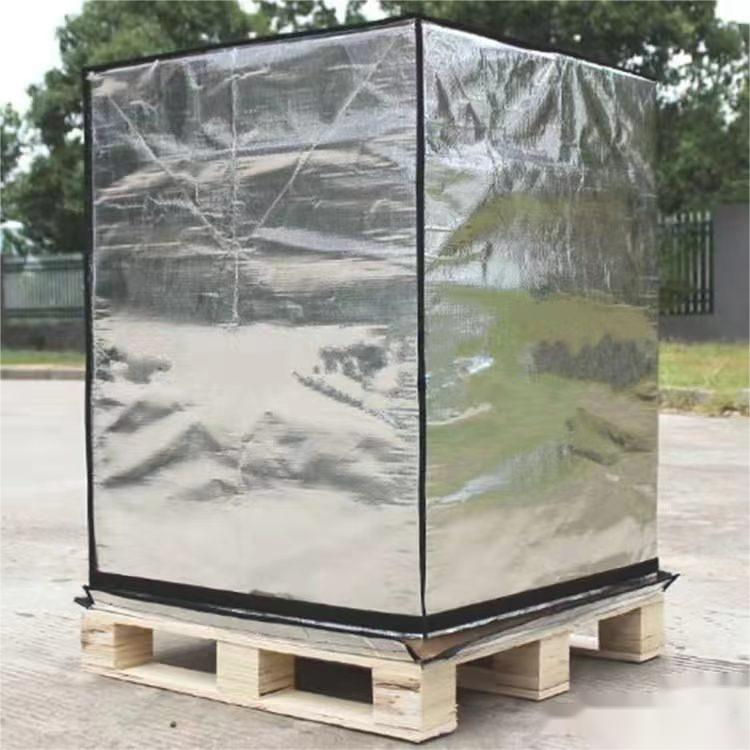
Folha de alumínio tampas de paletes isoladas faz sentido quando o comprador consegue definir claramente o problema de exposição. Eles são projetados para retardar a transferência de calor em torno da carga paletizada durante o transporte ou preparação, mas eles devem ser combinados com o produto, rota, meta de temperatura, construção de paletes, e processo de manuseio. A melhor decisão de compra começa pela via, não o catálogo. Este guia otimizado mostra como escolher, teste, e usar capas sem exagerar no que podem fazer.
Isso é importante para engenheiros de embalagens, compradores da cadeia de frio, equipes de compras, e exportadores comparando estruturas de cobertura porque a mesma cobertura pode ser um ajuste forte em uma faixa e um ajuste ruim em outra. A decisão depende de os compradores compararem as capas revestidas com papel alumínio com as capas à base de espuma para reflexão de calor, durabilidade, manuseio, reutilizar, e controle de custos, sensibilidade do produto, requisitos de evidência, e as pessoas que aplicam a cobertura. Um bom artigo ou página de fornecedor deve ajudá-lo a fazer essa distinção, em vez de prometer proteção em todas as situações..
Defina a janela de exposição antes de escolher a capa
Comece anotando o ponto exato onde o palete se torna vulnerável: assumindo que apenas a folha brilhante é igual a isolamento, escolhendo uma estrutura sem teste de rota, ignorando a durabilidade da costura, ou selecionar a espessura da espuma sem considerar o espaço de manuseio. Esta etapa parece básica, mas evita a maioria das compras excessivas e subcompras. Se a janela vulnerável for curta e previsível, uma cobertura pode ser suficiente para reduzir o risco. Se a janela vulnerável for longa, descontrolado, ou vinculado a uma gama restrita de produtos, a rota pode exigir equipamento ativo, embalagem passiva qualificada, refrigerante, ou um plano logístico diferente.
Um bom mapa de exposição inclui localização, tempo esperado, pior atraso credível, temporada, luz solar, movimento do ar, umidade, e quem controla o palete naquele momento. Deve também mostrar o primeiro ponto protegido após a exposição. A cobertura deve ser usada para preencher essa lacuna. Se ninguém conseguir identificar a lacuna, a equipe ainda não está pronta para selecionar uma estrutura de cobertura.
Combine a estrutura com o produto, rota, e manuseio
A estrutura da tampa deve corresponder à forma como o calor chega ao palete. Folha de alumínio ou filme metalizado, núcleo de espuma, camada de bolha, tecido, barreira de vapor, costuras, e fechamentos de borda podem ser importantes, mas não igualmente. A luz solar direta e as superfícies quentes apontam para proteção radiante e cobertura superior. A exposição ao vento ou ao frio aponta para a disciplina de fechamento e ajuste da saia inferior. A reutilização grosseira aponta para costuras reforçadas e resistência à limpeza. Um comprador deve perguntar qual recurso resolve o problema da rota principal.
Os requisitos do produto vêm em primeiro lugar. Estruturas revestidas com folha metálica podem reduzir o ganho de calor radiante quando instaladas com orientação e espaço de ar apropriados, mas a transferência de calor condutiva e convectiva ainda é importante. Não escolha uma capa com uma etiqueta genérica de temperatura, a menos que sua equipe de qualidade ou operações tenha confirmado que a etiqueta corresponde à remessa. Uma cobertura usada para um produto de ampla tolerância pode não ser aceitável para uma carga farmacêutica de alto risco ou para um palete de alimentos congelados exposto a longos períodos de permanência no ambiente..
| Ponto de decisão | O que verificar | Por que isso importa |
|---|---|---|
| Produto e gama | Confirme a sensibilidade do produto e a temperatura alvo necessária. Estruturas revestidas com folha metálica podem reduzir o ganho de calor radiante quando instaladas com orientação e espaço de ar apropriados, mas a transferência de calor condutiva e convectiva ainda é importante. | Impede o uso da tampa em um alcance que ela nunca foi projetada para suportar. |
| Exposição da rota | Mapa assumindo que apenas folha brilhante é igual a isolamento, escolhendo uma estrutura sem teste de rota, ignorando a durabilidade da costura, ou selecionar a espessura da espuma sem considerar o espaço de manuseio antes de escolher a estrutura. | Mostra se a capa protege o verdadeiro ponto fraco ou apenas fica bem em uma amostra de análise. |
| Construção de paletes | Medir a largura carregada, profundidade, altura, cantos, perfil principal, envoltório elástico, e necessidades de saia inferior. | Evita lacunas, cantos apertados, e coberturas que não podem ser aplicadas rapidamente. |
| Método de manuseio | Verifique o contato da empilhadeira, tempo de preparação, visibilidade do rótulo, método de abertura, e quem retira a cobertura ao receber. | Torna a capa utilizável em operações diárias, em vez de apenas em um arquivo de compras. |
| Evidência | Pergunte qual carga útil, perfil ambiente, mapa de sonda, e critérios de aceitação apoiam qualquer declaração de desempenho. | Mantém as alegações de marketing separadas das evidências utilizáveis de controle de risco. |
Use a tabela como um filtro de compra e não como uma formalidade. Se você não conseguir responder a um dos itens, a resposta que falta é um risco. Esse risco pode ser pequeno, mas deve ser entendido antes que a capa seja encomendada a granel ou escrita em uma instrução de trabalho padrão.
Dimensionamento e aplicação fazem parte do desempenho
Mesmo uma estrutura de material forte pode ter um desempenho ruim quando não se adapta à carga real. Meça o palete carregado, incluindo caixas pendentes, placas de canto, envoltório elástico, irregularidade superior, e mudanças sazonais de SKU. Decida se a tampa deve ficar firme, permitir espaço para colocação rápida, ou abaixe mais para cobrir as caixas de borda. Se a equipe usar vários padrões de paletes, revise cada um antes de padronizar em um único tamanho de capa.
O tempo de aplicação também é importante. Uma cobertura geralmente deve ser aplicada antes do início da exposição, não depois que o palete já estiver esperando na doca ou rampa. A equipe deve saber onde as capas estão armazenadas, como eles são identificados, qual lado fica para fora, como os fechamentos devem ser protegidos, e quando as tampas devem ser removidas. Se o processo não estiver escrito, o resultado pode mudar de turno para turno.
A qualificação e o monitoramento mantêm as reivindicações honestas
Qualificação não significa provar que uma cobertura é boa em todos os ambientes possíveis. Trata-se de mostrar se uma capa específica, em uma carga específica, sob condições definidas, suporta um requisito definido. O teste deve usar cargas realistas, construções de paletes representativas, locais de sonda significativos, e critérios de aceitação que são acordados antes da execução. Para cuidados de saúde, comida, ou frete controlado pelo cliente, uma revisão de qualidade pode ser necessária antes que o resultado seja usado.
O monitoramento deve ser tratado separadamente do isolamento. Um registrador de dados registra o que aconteceu; não protege a palete. Uma cobertura retarda a transferência de calor; não registra prova. Muitos procedimentos confiáveis de cadeia de frio utilizam ambos, mas eles resolvem problemas diferentes. Se uma remessa não receber revisão, o registro do logger ajuda na investigação, enquanto a condição de cobertura e os eventos de rota ajudam a explicar a causa.
Perguntas sobre fornecedores e operações antes do uso em massa
Uma revisão de aquisições deve ir além do preço por cobertura. Os compradores devem confirmar a pilha de camadas, núcleo de isolamento real, reforço de costura, recuperação de dobra, método de limpeza, consistência da amostra, e se os dados de desempenho correspondem à exposição da sua rota. A razão é simples: tampas de paletes são itens operacionais. Eles são tratados por equipes de armazém, transportadoras, e receptores, não apenas revisado pela equipe de compras. Uma capa que parece ideal em uma foto pode falhar se demorar muito para ser instalada, esconde rótulos, lágrimas nos cantos, ou não pode ser devolvido de forma limpa para reutilização.
| Tópico do fornecedor | Pergunta a fazer | Por que isso importa |
|---|---|---|
| Estrutura de camadas | Quais camadas são usadas na folha de alumínio ou no filme metalizado, núcleo de espuma, camada de bolha, tecido, barreira de vapor, costuras, e fechamentos de borda? | O nome do material por si só não explica o comportamento ou a durabilidade da transferência de calor. |
| Base de tamanho | As dimensões são baseadas na pegada do palete, palete carregada, ou medição personalizada? | O tamanho errado é uma das maneiras mais rápidas de perder proteção nas bordas e na base. |
| Base de teste | Qual carga útil, perfil ambiente, direção de exposição, e locais de sonda foram usados? | Um teste de uma pista diferente pode ser um contexto útil, não qualificação direta. |
| Controle de reutilização | Como as tampas devem ser limpas, seco, dobrado, inspecionado, e aposentado? | O valor reutilizável depende da disciplina do processo, não só a resistência do material. |
| Consistência de produção | As unidades de produção corresponderão à amostra aprovada na pilha de camadas?, desenho de costura, e fechamento? | A consistência da amostra ao volume é importante quando as tampas são usadas em muitos paletes. |
Esta tabela não pretende tornar o processo de compra mais lento. Ajuda a evitar o erro comum de aprovar uma amostra apenas com base na aparência do material. O fornecedor deve ser capaz de explicar para que serve a cobertura., o que não foi projetado para fazer, e quais informações um comprador deve fornecer antes que uma recomendação confiável possa ser feita.
Ferramentas úteis de decisão
Verifique os detalhes antes de escolher a embalagem
Essas ferramentas rápidas podem ajudá-lo a comparar o risco da rota, necessidades de dimensionamento, escolhas de refrigerante, e detalhes da embalagem antes de solicitar um orçamento.
Gerador de lista de verificação de conformidade
Crie uma lista de verificação prática para revisão de embalagens, envio, e documentação.
Lista de verificação de construçãoRefrigerante & Referência PCM
Compare as opções de refrigerante e PCM quando uma rota precisar de suporte adicional de temperatura.
Comparar opçõesCalculadora de bolsa de gelo
Estime a quantidade de bolsas de gelo em gel para remessas refrigeradas e planejamento prático de rotas.
Estimar bolsas de geloExemplo prático
Por exemplo, uma equipe de compras está decidindo se uma cobertura mais leve é suficiente para uma estadia em uma doca no verão, ou se uma estrutura de espuma mais acolchoada é justificada para loops de retorno ásperos. Um comprador razoável não perguntaria se uma cobertura pode resolver todos os problemas de temperatura na rota.. A melhor questão é se a cobertura reduz a exposição conhecida o suficiente para suportar o procedimento operacional. Isso requer medir o palete, entender quanto tempo o palete espera, e confirmando quem aplica e remove a cobertura.
A mesma situação pode levar a decisões diferentes. Um produto de baixo risco e com ampla tolerância pode precisar de uma simples capa reutilizável e um cheque de recebimento. Um produto de alto risco pode precisar de testes de cobertura, registradores de dados, transporte ativo, ou aprovação de qualidade. A escolha da cobertura deve corresponder ao produto e à via, não é uma declaração geral sobre transporte de cadeia de frio.
Quando escolher uma solução diferente
Escolha uma solução diferente ou adicional quando a pista exigir alta durabilidade à compressão, resistência condutiva definida, ou um sistema térmico qualificado que não tenha sido demonstrado pela capa. Isso não significa que a capa não tenha valor. Significa que a cobertura não deve assumir responsabilidade por um risco que não pode controlar. Veículos refrigerados, contêineres frigoríficos, unidades ativas de carga aérea, qualificado expedidores passivos, sistemas de refrigeração, e o monitoramento em nível de produto têm funções. O design certo pode combinar diversas ferramentas em vez de forçar um produto a resolver todo o problema.
Uma decisão cautelosa protege o comprador e também a carga. Exagerar o desempenho da cobertura pode levar a remessas rejeitadas, confiança do cliente prejudicada, e difíceis investigações de desvios. Subestimar isso pode causar gastos desnecessários em soluções ativas para breve, exposições gerenciáveis. O objetivo é um julgamento equilibrado baseado em evidências de rota.
Perguntas frequentes
O isolamento de folha de alumínio é melhor do que espuma para coberturas de paletes??
Depende da exposição. Estruturas revestidas com folha metálica são úteis contra o calor radiante quando a superfície reflexiva funciona conforme pretendido. Estruturas de espuma podem adicionar mais acolchoamento e resistência condutiva, mas podem ser mais volumosas. Os compradores devem comparar o desempenho testado, durabilidade de manuseio, dobrabilidade, e condições de rota em vez de escolher apenas pelo nome do material.
Uma cobertura térmica para paletes pode substituir o transporte refrigerado?
Não por si só. Uma cobertura é uma camada passiva que retarda a transferência de calor; caminhões refrigerados, frigoríficos, e contêineres ativos controlam o ambiente circundante. Uma tampa pode suportar uma janela curta de carregamento ou preparação, ou adicione um buffer quando as portas do equipamento ativo forem abertas, mas não deve ser usado como substituto direto quando a qualidade do produto depende do gerenciamento ativo da temperatura.
Onde um comprador deve colocar registradores de dados ao testar uma cobertura de palete?
O posicionamento do registrador deve refletir o risco que você está tentando entender. Muitas equipes olham para posições de ponta, exposição superior, temperatura central do produto, e qualquer lado enfrentando o calor mais forte, frio, ou sol. O mapa correto depende do produto, desenho da capa, construção de paletes, e critérios de aceitação. Não confie apenas no local mais protegido.
As capas reutilizáveis precisam de um processo de inspeção?
Sim. A reutilização só funciona quando as tampas são verificadas quanto a rasgos, fechos desgastados, isolamento esmagado, contaminação, e etiquetas faltando antes de cada uso. Uma cobertura danificada pode parecer aceitável à distância, mas deixa lacunas ou cria pontos fracos durante o manuseio. Para produtos regulamentados ou com gestão de qualidade, a abordagem de inspeção e limpeza deve corresponder ao procedimento do local.
Quais informações devem ser solicitadas a um fornecedor?
Solicite a estrutura do material, dimensões internas, projeto de fechamento, condições de uso recomendadas, orientação de limpeza, disponibilidade de amostra, e a condição de teste por trás de qualquer reivindicação de desempenho. Se um fornecedor declarar um tempo de espera ou resultado de temperatura, pergunte qual carga útil, perfil ambiente, localizações de sonda, e critérios de aceitação foram usados.
Conclusão
A melhor decisão sobre coberturas de paletes isoladas com folha de alumínio vem de combinar a cobertura com o risco da rota, não de assumir que qualquer cobertura isolada protegerá cada palete. Comece com os requisitos do produto, mapear a janela de exposição, medir a construção real do palete, e verificar se a cobertura pode ser aplicada corretamente pelas pessoas que movimentam a carga. Em seguida, revise as evidências cuidadosamente e evite tratar uma barreira passiva como controle ativo de temperatura.
Se o percurso for curto e o ponto fraco for claro, uma capa pode ser um controle prático e repetível. Se o produto for altamente sensível, a pista é longa, ou a faixa de aceitação é estreita, a capa ainda pode ter uma função, mas deve ser combinada com embalagens qualificadas, equipamento ativo, monitoramento, ou revisão de qualidade conforme necessário. Um comprador cuidadoso trata a cobertura como parte de um processo disciplinado de cadeia de frio.
Notas de campo adicionais para compradores
Para coberturas de paletes isoladas com folha de alumínio, a disciplina de campo costuma ser a diferença entre uma cobertura útil e uma compra decepcionante. Anote quem aplica a capa, onde as tampas não utilizadas são armazenadas, quando uma tampa deve ser removida, e como as equipes receptoras relatam danos ou umidade. Esses detalhes parecem pequenos, mas determinam se a cobertura é usada de forma consistente quando a rota está ocupada, a doca está lotada, ou uma transportadora chega antes do esperado.
Os compradores também devem comparar a amostra aprovada com as unidades de produção. Verifique a pilha de camadas, largura da costura, colocação de fechamento, área do rótulo, reforço de canto, e caber sobre a carga mais alta esperada. Se a rota envolver vários armazéns ou parceiros 3PL, compartilhe as mesmas fotos de aplicação e instruções de trabalho com todos os sites. O objetivo não é complicar o procedimento; é evitar que cada local invente uma forma diferente de usar a mesma cobertura.
Sobre Tempk
A Tempk trabalha com compradores que precisam de praticidade embalagem da cadeia de frio e opções de isolamento no nível do palete para condições reais de transporte e preparação. Para cobertura térmica para paletes projetos, a conversa útil não é apenas sobre nomes materiais. É sobre o tamanho do palete, altura de carga, exposição da rota, reutilizar expectativas, e como a cobertura será aplicada pelas equipes de armazém ou logística. Podemos ajudá-lo a comparar estruturas de cobertura, discutir o tamanho personalizado, e prepare as perguntas certas antes de passar da análise de amostra para o uso em massa.