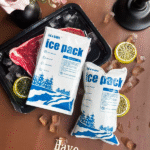
A manteiga parece estável porque é densa e rica em gordura, mas as rotas de encomendas quentes ainda podem criar uma suavização visível, coloração da embalagem, lubrificação, e deformação de forma. Um pacote de manteiga deve proteger a temperatura, condição da caixa, exposição ao odor, e geometria do bloco. Isto é especialmente importante para manteiga cultivada premium, pacotes de varejo importados, kits de ingredientes de padaria, e caixas de supermercado refrigeradas mistas.
Butter cadeia de frio planning data
| Faixa alvo típica | 0-4 C para manteiga refrigerada para varejo; rotas de manteiga congelada precisam de um plano de validação separado para congelados. |
|---|---|
| Umidade e condensação | Controle a umidade para embrulhar em papel alumínio, cartão, rótulos, e as mangas multipack não amolecem nem mancham. |
| Pré-resfriamento | Pré-resfrie blocos e caixas de manteiga antes de carregar; manteiga quente pode deformar antes que o pacote de gel estabilize a caixa. |
| Pressão de embalagem | Use caixas rígidas ou mangas para impedir amassados nos cantos, marcas de embalagem, e deformação do bloco sob o peso do refrigerante. |
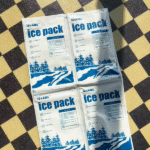
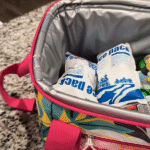
| Posição do refrigerante | Coloque pacotes de gel ao redor da carga com uma barreira plana. Evite o contato direto com o congelamento, que pode rachar as embalagens ou criar marcas de umidade. |
| Duração do trânsito | Adequado para validado 24-72 h pacotes refrigerados dependendo da massa de manteiga, contagem de caixas, tamanho do remetente, e perfil ambiental. |
| Perdas comuns | Amolecimento, lubrificação, captação de odores, coloração da embalagem, esmagamento de caixa, e danos ao sabor causados por produtos aromáticos próximos. |
| Ajuste de embalagem Tempk | Remetente isolado, pacotes de gel condicionado, barreira de umidade, inserto rígido, separação de odores, e validação do registrador de temperatura. |
Por que a manteiga difere do leite e do iogurte
A manteiga é menos frágil que os laticínios líquidos, mas é sensível ao calor e à pressão de uma maneira diferente. Leite e iogurte precisam de proteção contra vazamentos e tampa do copo; manteiga precisa de proteção de forma e separação de odores. Se um pacote de gel congelado estiver diretamente sobre um bloco de manteiga embrulhado em papel, a superfície pode acumular umidade e transferir marcas. Se a rota estiver muito quente, a manteiga pode amolecer, perder bordas quadradas, e chega com manchas de óleo na embalagem.
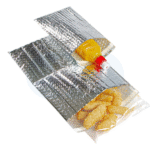
Para remessas de manteiga gelada, pré-resfrie o produto e use um transportador que mantenha as caixas planas sem permitir peso pacotes de gel para pressionar no produto. Adicione uma barreira de umidade entre o refrigerante e a manteiga, em seguida, use uma inserção rígida ou uma pilha de papelão apertada para evitar que os blocos se movam. Quando a manteiga acompanha frutos do mar, carne, queijo, ou comida aromática, mantenha-o em um saco interno selado ou em uma cavidade separada para reduzir a captação de odores.
Ferramentas úteis de decisão
Verifique os detalhes antes de escolher a embalagem
Essas ferramentas rápidas podem ajudá-lo a comparar o risco da rota, necessidades de dimensionamento, escolhas de refrigerante, e detalhes da embalagem antes de solicitar um orçamento.
Calculadora de gelo seco
Estime as necessidades de gelo seco para remessas congeladas ou ultrafrias antes de embalar.
Estimar gelo secoReferência de material de isolamento
Compare as opções de materiais de isolamento para diferentes necessidades de embalagens da cadeia de frio.
Compare materiaisForro de caixa & Dimensionamento da cobertura de paletes
Verifique a lógica de dimensionamento do forro da caixa e da tampa do palete para projetos de embalagens isoladas.
Dimensionamento estimadoAbordagem recomendada de pacote temporário
Tempk normalmente usaria um compacto caixa isolada ou remetente EPS, pacotes de gel condicionado, uma barreira protetora plana, e uma inserção de suporte de caixa. Para pacotes de varejo premium, a validação deve incluir o formato da borda, secura da embalagem, verificação de odor, e temperatura de chegada. Para manteiga de padaria ou foodservice, o pacote pode ser mais denso em carga útil, mas ainda precisa de registro de temperatura e um padrão de carregamento que evite danos de carga superior.
FoodSafety.gov dá armazenamento refrigerado orientação em 40 F (4 C) ou abaixo para alimentos refrigerados, e o Código Alimentar da FDA é usado como modelo de proteção alimentar no varejo. Para remessa comercial, essas referências são pontos de partida. A embalagem final deverá ser validada com o formato exato da manteiga, rota de paletes ou pacotes, perfil ambiente, condicionamento de refrigerante, e recebendo padrão.