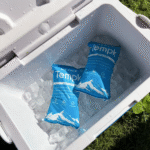
O creme resfriado é um produto lácteo com alto teor de umidade e com uma janela de qualidade curta. Uma boa embalagem deve manter o produto frio, proteja a tampa ou o selo da caixa, e mantenha a superfície do varejo seca o suficiente para fazer compras, kit de refeição, padaria, e equipes de recebimento de foodservice. O objetivo não é simplesmente adicionar mais refrigerante. A embalagem deve reduzir o ganho de calor sem congelar a parede do produto, esmagando o recipiente, ou criando condensação que enfraquece rótulos e caixas.
Cream cadeia de frio planning data
| Faixa alvo típica | 0-4 C para rotas de creme gelado; use a faixa de lançamento do próprio produtor quando for mais rigorosa. |
|---|---|
| Umidade e condensação | Mantenha garrafas e caixas secas; as caixas de creme podem amolecer quando a condensação fica sob uma embalagem de gel ou no painel superior. |
| Pré-resfriamento | Creme pré-resfriado e o remetente isolado antes de embalar. Não confie no remetente para puxar o produto quente para baixo após o carregamento. |
| Pressão de embalagem | Use divisórias ou mangas para engarrafar os ombros, bonés, caixas, e as vedações contra violação não são comprimidas pela massa de refrigerante. |
| Posição do refrigerante | Use colocação lateral e superior com uma barreira seca. Evite o contato direto da embalagem congelada com garrafas plásticas finas ou caixas com tampa triangular. |
| Duração do trânsito | Melhor para validado 24-48 h rotas de encomendas e mercearias; rotas mais longas precisam de um remetente maior, refrigerante adicionado, ou linha refrigerada. |
| Perdas comuns | Odor azedo, separação, suor de caixa, vazamento na tampa, deformação da garrafa, e chegada calorosa após a porta da casa. |
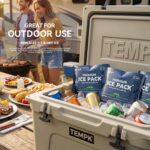
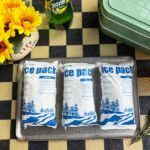
| Ajuste de embalagem Tempk | Caixa isolada ou remetente EPS, pacotes de gel condicionado, forro absorvente, divisórias verticais, e um registrador de rotas para validação sazonal. |
Por que o creme precisa de sua própria embalagem
O creme aquece mais rápido do que alimentos congelados densos e tem uma penalidade visível na qualidade quando o controle de temperatura é fraco. O abuso de temperatura pode reduzir a vida útil, enquanto o manuseio brusco pode afrouxar as tampas, costuras de frontão abertas, ou criar pequenos vazamentos que danifiquem o restante da remessa. Ao contrário do queijo, o creme geralmente viaja como líquido em garrafas ou caixas, carregamento tão vertical, preenchimento vazio, e a proteção da tampa são tão importantes quanto a temperatura.
Para rotas de encomendas refrigeradas, comece com o produto que já foi pré-resfriado em armazenamento refrigerado. Coloque o creme em uma forma gelada expedidor isolado com pacotes de gel condicionado para o intervalo alvo selecionado. Coloque refrigerante ao redor da carga útil, não diretamente contra paredes finas do recipiente. Adicione uma barreira seca entre o refrigerante e as embalagens de varejo, em seguida, use divisórias ou uma bandeja confortável para evitar impacto da tampa na parede durante a classificação e entrega.
Ferramentas úteis de decisão
Verifique os detalhes antes de escolher a embalagem
Essas ferramentas rápidas podem ajudá-lo a comparar o risco da rota, necessidades de dimensionamento, escolhas de refrigerante, e detalhes da embalagem antes de solicitar um orçamento.
Refrigerante & Referência PCM
Compare as opções de refrigerante e PCM quando uma rota precisar de suporte adicional de temperatura.
Comparar opçõesVerificador de risco de rota
Revise as condições da pista antes de selecionar a embalagem para requisitos operacionais reais.
Verifique o risco da rotaReferência de material de isolamento
Compare as opções de materiais de isolamento para diferentes necessidades de embalagens da cadeia de frio.
Compare materiaisAbordagem recomendada de pacote temporário
Tempk normalmente começaria com um caixa isolada ou remetente EPS dimensionado de acordo com a contagem do produto, um layout de pacote de gel correspondente à duração do percurso, e um forro absorvente ou camada de controle de umidade. Para pequenas remessas DTC, uma cavidade de carga útil compacta ajuda a manter o creme na posição vertical e limita o movimento. Para remessas de assinatura de supermercado, a embalagem deve separar o creme dos produtos agrícolas ou secos e proteger a tampa da pressão da carga superior.
A validação deve incluir um simulador de produto ou carregamento de produto ao vivo, um registrador de temperatura calibrado dentro da zona de carga útil, e recebendo verificações de temperatura, secura da caixa, vazamento, odor, e separação visível. Teste as rotas de verão e a permanência na porta antes de escalar. FoodSafety.gov lista o armazenamento da geladeira em 40 F (4 C) ou abaixo, e as referências do Código Alimentar da FDA apoiam o uso do controle de temperatura para alimentos seguros como um princípio básico de manuseio. As decisões de lançamento comercial ainda devem seguir as especificações do proprietário do produto, regras locais, e o resultado real do teste de rota.