Transportar e servir alimentos perecíveis é um desafio quando você não pode contar com uma geladeira. UM pacote de gelo seco para catering resolve esse problema fornecendo temperaturas ultrafrias sem água derretida confusa. Nas primeiras frases você aprende que o gelo seco sublima diretamente do sólido para o gasoso, atingindo -78,5 °C, que mantém os produtos congelados intactos por até 48 horas. Este guia explica como esses flexíveis Camas de gelo seco trabalhar, porque são ideais para serviços de catering, e como dimensionar, embale e manuseie-os com segurança.
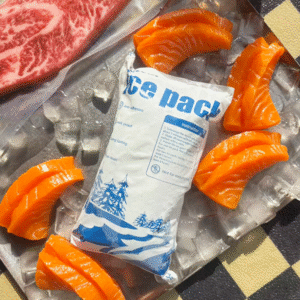
O que faz a restauração Pacotes de gelo seco diferente das bolsas normais de gelo ou gel? Você aprenderá sobre sublimação, temperaturas ultrabaixas e por que evitam embalagens encharcadas.
Como você escolhe o tamanho e a quantidade certos? Fornecemos fórmulas simples baseadas na duração do evento e no tipo de alimento.
Quais são as melhores práticas para embalagem e manuseio? Siga as diretrizes passo a passo para manter seus alimentos seguros e sua equipe protegida.
Quais alimentos se beneficiam mais com mantas de gelo seco? Explore recomendações baseadas em casos para carnes congeladas, frutos do mar e laticínios.
Que inovações estão surgindo em 2025? Descubra a logística inteligente, embalagem sustentável e tendências de automação.
Por que as bolsas de gelo seco para catering são ideais para serviços de catering?
Temperaturas ultrabaixas e resfriamento a seco: Mantas de gelo seco para catering são mantas multicelulares flexíveis preenchidas com dióxido de carbono de alta pureza. Quando o dióxido de carbono sublima (muda diretamente de sólido para gás), absorve calor sem criar água líquida. Este processo mantém temperaturas tão baixas quanto -78,5 °C (−109,3 °F), garantindo que os alimentos congelados, como sorvete ou frutos do mar, fique bem abaixo de zero durante o transporte. Ao contrário dos pacotes tradicionais de gelo ou gel, Gelo seco não derrete na água, portanto, não há risco de embalagens encharcadas ou danos causados pela água.
Duração de resfriamento prolongada: Uma única camada de gelo seco pode fornecer resfriamento para 24–48 horas, enquanto os pacotes de gel normalmente duram apenas 6–12 horas. Para eventos de vários dias ou entregas de longa distância, esta duração prolongada de resfriamento evita picos de temperatura de última hora e reduz a necessidade de reabastecer agentes de resfriamento no meio do evento. Os fornecedores costumam usar os lençóis dentro recipientes isolados então o ambiente ultrafrio persiste até o momento do serviço.
Custo-eficiência e sustentabilidade: À primeira vista, o gelo seco pode parecer mais caro, mas preservar a qualidade dos alimentos reduz a deterioração e o desperdício, compensando o custo. O gelo seco é produzido a partir das emissões de dióxido de carbono capturadas, tornando-o uma opção mais sustentável do que usar refrigerantes sintéticos. Adicionalmente, placas de gelo seco flexíveis em conformidade com bandejas e refrigeradores, o que significa que você pode usar menos embalagens do que tijolos rígidos ou embalagens de gel, mantendo a temperatura desejada.
Confiabilidade aprimorada: Porque o gelo seco sublima em vez de derreter, mantém uma temperatura baixa consistente durante toda a sua vida útil, dando tranquilidade aos fornecedores. O design da manta multicélula cobre toda a superfície das bandejas ou caixas de alimentos, distribuindo o frio uniformemente e evitando bolsas quentes que possam comprometer a segurança alimentar.
A ciência por trás do gelo seco: sublimação e desempenho ultrafrio
Como funciona a sublimação: Quando o gelo seco esquenta, ele transita diretamente de um sólido para gás dióxido de carbono, absorvendo calor latente no processo. Isso é diferente de derreter gelo, que primeiro se torna líquido. O processo de sublimação não cria nenhum resíduo líquido, para que sua embalagem permaneça seca e a comida não fique aguada.
Comparando temperaturas: O gelo normal derrete em 0 °C (32 °F), enquanto o gelo seco mantém temperaturas em torno de -78,5 °C (−109,3 °F). A temperatura extremamente baixa significa que o gelo seco pode manter os produtos congelados em vez de apenas refrigerados. Os pacotes de gel geralmente mantêm os alimentos quase congelados (−21°C). A escolha entre essas opções depende se você precisa de alimentos resfriados ou completamente congelados.
Gelo seco versus gelo normal: principais diferenças
| Propriedade | Pacote de gelo seco para catering | Bolsa de gelo normal | O que isso significa para você |
| Temperatura | −78,5°C (−109,3 °F) | 0 °C (32 °F) | Gelo seco está muito mais frio, que mantém os itens congelados sólidos. |
| Mudança de fase | Sublima em gás CO₂ | Derrete em água líquida | A sublimação evita poças ou embalagens encharcadas. |
| Duração do resfriamento | Até 48 horas | 1–2 horas | O gelo seco proporciona um resfriamento mais longo, importante para eventos de vários dias. |
| Bagunça | Sem água derretida | Deixa poças de água | A limpeza é mais fácil com gelo seco. |
Essas diferenças mostram por que as bolsas de gelo seco para catering são inestimáveis para eventos: eles oferecem resfriamento significativamente mais longo, manter temperaturas mais baixas, e evitar escoamento confuso.
Benefícios adicionais e casos de uso
Além das vantagens de desempenho listadas acima, gelo seco adiciona um efeito visual dramático quando exposto à água morna, produzindo uma névoa baixa que pode melhorar a atmosfera de uma festa. Isso torna as bolsas de gelo seco uma escolha única para eventos especiais, como casamentos., Festas de Halloween ou lançamentos de produtos onde a apresentação é tão importante quanto a função.
Escolhendo o tamanho e a quantidade certos de placas de gelo seco
Dimensionar corretamente o gelo seco é crucial para garantir a segurança alimentar e evitar desperdícios desnecessários. A quantidade de gelo seco necessária depende do volume de comida, a qualidade do isolamento do seu contêiner, e a duração do seu evento. Aqui está uma regra prática extraída das diretrizes de logística da cadeia de frio:
Pequenas remessas ou eventos curtos (por exemplo, pratos de frutos do mar): planejar 1–2 libras (0.5–1kg) de gelo seco por 24 horas. Isso mantém pequenas quantidades congeladas por um dia inteiro sem sublimação excessiva. Para uma recepção de três horas, você pode usar menos, mas sempre arredonde para evitar picos de temperatura.
Remessas maiores ou eventos de vários dias (por exemplo, casamentos ou catering para festivais): alocar 5–10 libras (2–5kg) de gelo seco por 24 horas. A faixa superior é essencial para itens volumosos, como carne assada ou salmão inteiro, que requerem resfriamento profundo..
Remessas especiais: produtos farmacêuticos ou biotecnológicos geralmente precisam de 5 a 10 libras por 24 horas devido a requisitos rigorosos de temperatura. No entanto, para fins de restauração, considerar se o produto precisa permanecer congelado ou simplesmente resfriado.
Ao calcular a quantidade, sempre leve em consideração a temperatura ambiente e o isolamento do recipiente. Climas quentes e isolamento deficiente aceleram a sublimação e exigem mais gelo seco. Por outro lado, alta qualidade caixas isoladas ou refrigeradores reduzem a quantidade necessária.
Mesa: diretrizes de peso de gelo seco para eventos de catering
| Tipo de evento | Exemplos de alimentos | Duração | Gelo seco recomendado por 24 h | Notas |
| Coquetel de recepção | Coquetéis de camarão, tábuas de queijo | 3–6 horas | 0.5–1 libra | Use pequenas folhas colocadas ao redor das bandejas; comida pré-resfriada. |
| Jantar de casamento | Bifes, pratos de frutos do mar, sobremesas | 6–12 horas | 2–5 libras | Combine placas de gelo seco com pacotes de gel para saladas e sobremesas. |
| Festival ao ar livre | Carnes de churrasco, barras de sorvete | 12–24 horas | 5–10 libras | Use refrigeradores isolados; camada de gelo seco na parte inferior e entre as bandejas. |
| Evento de vários dias | Preparação de refeições para passeios ou conferências de vários dias | 24–48 horas | 10–15 libras | Use múltiplas camadas de gelo seco e monitore com um sensor de temperatura. |
Estas diretrizes fornecem um ponto de partida. Para maior tranquilidade, considere a calculadora de peso de gelo seco: uma ferramenta interativa que pergunta sobre o tamanho do contêiner, temperatura desejada e duração do evento, então sugere o número de folhas necessárias. Implementar isso em seu site incentiva o envolvimento do usuário e reduz suposições.
Melhores práticas para embalagem e manuseio de bolsas de gelo seco para catering
A embalagem correta do gelo seco garante a máxima eficiência de resfriamento e protege os manipuladores contra danos. Abaixo está uma abordagem passo a passo extraída das melhores práticas da cadeia de frio:
Prepare seu recipiente: Use um refrigerador isolado ou caixa de remessa com tampa hermética. Pré-resfrie o recipiente colocando-o no freezer ou adicionando pacotes de gel reutilizáveis por uma hora antes. Quanto melhor for o seu isolamento, menos gelo seco você precisará.
Camada na parte inferior: Coloque uma camada de papelão ou plástico corrugado no fundo do recipiente para evitar que o frio extremo toque diretamente nas embalagens dos alimentos.. Em seguida, organize suas placas de gelo seco uniformemente na parte inferior.
Adicione alimentos e camadas de separação: Empilhe seus recipientes de comida em cima do gelo seco. Use camadas adicionais de papelão ou espuma entre os alimentos e o gelo para permitir um resfriamento controlado e fácil desembalagem. Mantenha itens perecíveis, como carnes e frutos do mar, mais próximos do gelo, e itens mais resistentes (por exemplo, vegetais) um pouco mais alto.
Preencher vazios: Evite espaços vazios adicionando materiais de embalagem, como papel amassado ou blocos de espuma reutilizáveis. Uma embalagem apertada retarda a sublimação e mantém uma temperatura uniforme.
A ventilação é crítica: O gelo seco libera gás de dióxido de carbono à medida que sublima, que pode aumentar a pressão em um recipiente hermético. Sempre certifique-se de que seu refrigerador tenha ventilação ou abra ligeiramente a tampa. Nunca feche gelo seco em um recipiente completamente hermético.
Rotule adequadamente: Marque seu recipiente com “Gelo Seco (E 1845)”E o peso líquido do gelo seco dentro. Isso não é apenas necessário para o transporte, mas também alerta a equipe para manusear o pacote com cuidado.
Manuseie com cuidado: Sempre use luvas isoladas ao tocar no gelo seco. Use uma pinça ou uma concha para mover as folhas. O contato direto com a pele pode causar queimaduras.
Monitorar temperatura: Use dispositivos de monitoramento de temperatura, como sensores habilitados para Bluetooth ou NFC, para que você possa rastrear as condições internas do seu refrigerador em tempo real. Isso garante a conformidade com os padrões de segurança alimentar e oferece tranquilidade aos clientes.
Seguindo estas etapas, você minimiza os riscos de acúmulo de CO₂, congelamento e deterioração de alimentos. Incorporar um breve vídeo de treinamento ou um questionário interativo em seu site pode envolver ainda mais os leitores e reduzir acidentes.
Alimentos que mais se beneficiam com mantas de gelo seco
Nem todos os itens do menu requerem o mesmo grau de resfriamento. As seguintes categorias se beneficiam particularmente do gelo seco:
Alimentos congelados: Produtos como sorvete, carnes e aves congeladas devem permanecer em temperaturas abaixo de zero para evitar o descongelamento. O gelo seco garante que permaneçam sólidos até o consumo.
Frutos do mar: Mariscos e peixes são altamente sensíveis às mudanças de temperatura. Mesmo um leve descongelamento pode afetar a qualidade e a segurança. O gelo seco evita o descongelamento e o crescimento bacteriano.
Ferramentas úteis de decisão
Verifique os detalhes antes de escolher a embalagem
Essas ferramentas rápidas podem ajudá-lo a comparar o risco da rota, necessidades de dimensionamento, escolhas de refrigerante, e detalhes da embalagem antes de solicitar um orçamento.
Gerador de lista de verificação de conformidade
Crie uma lista de verificação prática para revisão de embalagens, envio, e documentação.
Lista de verificação de construçãoCalculadora de gelo seco
Estime as necessidades de gelo seco para remessas congeladas ou ultrafrias antes de embalar.
Estimar gelo secoCalculadora de bolsa de gelo
Estime a quantidade de bolsas de gelo em gel para remessas refrigeradas e planejamento prático de rotas.
Estimar bolsas de geloProdutos lácteos: Queijo, leite e creme requerem refrigeração consistente. O gelo seco ajuda a manter a qualidade durante transporte prolongado.
Uso híbrido para itens menos sensíveis: Para frutas, saladas ou assados que só precisam ser resfriados, pacotes de gel podem ser suficientes. Uma abordagem híbrida – usando gelo seco para carnes congeladas e embalagens de gel para sobremesas delicadas – otimiza custos e garante que cada item seja mantido na temperatura ideal.
A principal lição é combinar o método de resfriamento com a sensibilidade de cada alimento. Isso não apenas reduz o desperdício, mas também demonstra profissionalismo aos seus clientes.
Combinando gelo seco com outros métodos de resfriamento
Embora o gelo seco seja poderoso, combiná-lo com outros agentes de resfriamento pode fornecer uma solução personalizada para diversos menus. Por exemplo:
Gelo seco + pacotes de gel: Use gelo seco para carnes congeladas e pacotes de gel para saladas ou travessas de frutas. Essa técnica híbrida evita o resfriamento excessivo de itens que só precisam ser resfriados e pode reduzir o consumo geral de gelo seco.
Gelo seco + água gelada: Em casos raros onde a umidade é desejável (por exemplo, mantendo os vegetais crocantes), você pode incorporar quantidades mínimas de gelo normal acima do gelo seco. No entanto, tenha cuidado para não reter umidade ao redor dos produtos.
Abordagem em camadas: Coloque gelo seco no fundo, então um divisor, depois gel ou água gelada. Esta abordagem permite que cada camada atenda ao seu propósito único sem interferir nas outras..
O resfriamento híbrido não apenas otimiza custos, mas também demonstra uma abordagem personalizada para atender às necessidades do cliente. Para ajudar os leitores a determinar qual combinação combina com seu evento, considere oferecer um questionário simples que pergunte sobre os itens do menu e, em seguida, recomende uma mistura refrescante.
2025 tendências que moldam a logística de catering e da cadeia de frio
Estar à frente das tendências do setor ajuda os fornecedores a melhorar a qualidade e a sustentabilidade do serviço. Principais desenvolvimentos para 2025 incluir:
Logística inteligente e monitoramento de temperatura: Sensores em tempo real e dispositivos IoT permitem que os fornecedores monitorem a temperatura durante o transporte. Esses sistemas enviam alertas se as temperaturas saírem da faixa, garantindo ação corretiva imediata.
Embalagem sustentável: Há uma adoção crescente de materiais biodegradáveis e recicláveis para complementar o resfriamento com gelo seco. Usar isolamento reciclável e recipientes reutilizáveis reduz o impacto ambiental.
Automação na logística da cadeia de frio: Linhas de embalagem automatizadas e manuseio robótico reduzem custos de mão de obra e erros. Para fornecedores, isso significa preparação mais rápida e embalagem mais consistente.
Produção de gelo seco ecologicamente correta: O gelo seco é criado a partir do CO₂ capturado que, de outra forma, seria liberado na atmosfera. Inovações na captura e armazenamento de carbono tornam o gelo seco ainda mais sustentável, alinhamento com as metas de responsabilidade social corporativa.
Ao adotar essas tendências, os fornecedores podem se destacar em um mercado competitivo. Destaque o uso de gelo seco sustentável e tecnologia de monitoramento em seus materiais de marketing para atrair clientes ecoconscientes.
Considerações de segurança: manusear gelo seco com responsabilidade
O gelo seco é seguro quando manuseado corretamente, mas representa perigos se for mal utilizado. Siga estas diretrizes de segurança:
Ventilação: Sempre permita que o gás CO₂ escape. Nunca guarde gelo seco em recipientes selados. Deixe um pequeno espaço na tampa do refrigerador ou use recipientes com aberturas de ventilação integradas.
Equipamento de proteção pessoal: Use luvas ou pinças isoladas ao manusear gelo seco para evitar queimaduras pelo frio.
Rotulagem e sinalização: Marque os pacotes com “Gelo Seco (E 1845)”e o peso líquido para cumprir os regulamentos e manipuladores de alertas.
Mantenha longe de crianças e animais de estimação: O gelo seco é extremamente frio e pode causar ferimentos se tocado. Guarde-o fora do alcance e evite deixá-lo sem vigilância.
Disposição: Deixe o gelo seco restante sublimar em uma área externa bem ventilada. Não despeje em ralos ou em espaços fechados, pois o gás pode deslocar o oxigênio e criar risco de asfixia.
Regras de transporte: As companhias aéreas muitas vezes limitam os passageiros a 2.5 kg (5.5 Libra) de gelo seco na bagagem despachada, enquanto remessas de carga podem permitir quantidades maiores quando rotuladas adequadamente. Sempre verifique os regulamentos locais antes de enviar.
Incorporar uma lista de verificação de segurança para impressão ou um breve módulo de treinamento em seu local incentiva práticas seguras e demonstra comprometimento com o bem-estar dos funcionários.
Perguntas frequentes sobre fornecimento de bolsas de gelo seco
- Quanto tempo duram as camadas de gelo seco para restauração?
Folhas devidamente embaladas normalmente duram entre 24 e 48 horas. A duração depende da qualidade do isolamento, temperatura ambiente e a quantidade de gelo seco usado. - As bolsas de gelo seco são adequadas para todos os tipos de alimentos??
O gelo seco é ideal para alimentos congelados, frutos do mar e laticínios. Para itens que só precisam de refrigeração (por exemplo, frutas e saladas), combine gelo seco com pacotes de gel ou use apenas pacotes de gel para evitar congelamento excessivo. - Posso reutilizar placas de gelo seco para catering?
Ao contrário dos pacotes à base de gel, o próprio gelo seco sublima e não pode ser reutilizado. No entanto, alguns produtos de gelo seco usam um núcleo de polímero superabsorvente que pode ser reidratado e recongelado várias vezes. Verifique as instruções do fabricante. - Como descarto restos de gelo seco com segurança?
Deixe o gelo seco sublimar em uma área ventilada. Não jogue no lixo nem jogue no ralo. Evite espaços fechados onde o CO₂ possa acumular-se. - Posso transportar gelo seco em um avião?
Sim, mas a bagagem dos passageiros é geralmente limitada a 2.5 kg (5.5 Libra)de gelo seco, e a embalagem deve ser ventilada e rotulada. Para voos de carga, até 200 kg pode ser permitido sob rotulagem e treinamento adequados. Verifique as diretrizes da companhia aérea antes de viajar.
Resumo e recomendações
Resumindo, pacotes de gelo seco para catering fornecer o ultrafrio, ambiente livre de umidade necessário para manter os alimentos frescos e seguros por horas ou dias. Eles mantêm temperaturas tão baixas quanto -78,5 °C, últimas 24 a 48 horas, e evitar danos causados pela água, tornando-os superiores aos pacotes regulares de gelo e gel para muitas aplicações de catering. Para usá-los de forma eficaz:
Combine a quantidade de gelo seco com a duração e o menu do seu evento, usando 1–2 libras por dia para bandejas pequenas e até 10 libras para eventos grandes ou de vários dias.
Siga as melhores práticas de embalagem: coloque camadas de gelo seco com barreiras protetoras, preencher vazios, e ventile seus recipientes.
Combine gelo seco com pacotes de gel quando apropriado para adaptar o resfriamento a cada item do menu.
Adote monitoramento inteligente e tendências de embalagens sustentáveis para se manter competitivo.
Ao implementar essas diretrizes, os fornecedores podem entregar comida deliciosa e segura, enquanto reduz desperdícios e custos.
Plano de ação
Estime suas necessidades: Use as diretrizes de peso de gelo seco para calcular quanto gelo seco você precisa. Considere criar uma calculadora online simples para seus clientes usarem ao fazer pedidos.
Treine sua equipe: Fornecer treinamento prático sobre procedimentos seguros de manuseio e embalagem. Incentive-os a usar luvas e a nunca selar gelo seco em recipientes herméticos.
Atualize sua embalagem: Invista em contêineres isolados de alta qualidade e considere adicionar sensores IoT para monitoramento de temperatura.
Promova a sustentabilidade: Destaque o uso de embalagens recicláveis e gelo seco com captura de carbono em materiais de marketing para atrair clientes ecoconscientes.
Mantenha-se informado: Monitore tecnologias emergentes de cadeia de frio, como linhas de embalagem automatizadas e isolamento biodegradável, e adotá-los quando viável.
Sobre Tempk
Nós somos a Temp, líder do setor em soluções logísticas para cadeia de frio. Nossos produtos de gelo seco, embalagem isolada e sistemas de monitoramento inteligentes ajudam as empresas a transportar mercadorias sensíveis à temperatura com segurança e eficiência. Com foco em inovação e sustentabilidade, desenvolvemos continuamente produtos ecologicamente corretos materiais de embalagem e produção de gelo seco baseada em captura de carbono. Quer você seja um fornecedor, empresa farmacêutica ou empresa de biotecnologia, fornecemos soluções personalizadas que garantem que seus produtos cheguem em perfeitas condições.
Chamado à ação: Contate-nos hoje para uma consulta personalizada sobre a integração de bolsas de gelo seco para catering em suas operações. Nossa equipe irá ajudá-lo a escolher os produtos certos, calcule quantidades e implemente as melhores práticas para que você possa oferecer um serviço excepcional.