O transporte de amostras clínicas tem um perfil de risco diferente das embalagens refrigeradas comuns. A embalagem deve proteger o tubo de amostra, camada absorvente, recipiente secundário, expedidor externo, faixa de temperatura, documentação, e receber provas ao mesmo tempo. O pacote certo depende do tipo de amostra, método de teste, meio de coleta, tempo de rota, e os critérios de aceitação do laboratório receptor.
Amostras de sangue, biópsia ou amostras de tecido, e amostras de swab PCR podem ser transportadas em uma caixa de aparência semelhante, mas a embalagem não deve ser tratada como idêntica. Os tubos de sangue muitas vezes precisam de suporte vertical e controle de choque. Amostras de tecido precisam de controle de vazamento, amortecimento, e uma faixa de temperatura que segue o método de laboratório. Os swabs PCR precisam de separação do tubo, transferência limpa, e um plano para roteamento refrigerado ou congelado quando atrasos são esperados.
Comparação de embalagens de amostras clínicas
| Tipo de amostra | Planejamento de temperatura | Controle de umidade e vazamento | Pré-condicionamento | Pressão de embalagem | Posição do refrigerante | Janela de trânsito | Perdas comuns | Solução Tempk adequada |
|---|---|---|---|---|---|---|---|---|
| Amostras de sangue | Geralmente planejado em torno 2-8 C quando o método de teste requer transporte refrigerado; alguns ensaios podem aceitar manuseio ambiente. | Use material absorvente e um recipiente secundário resistente a vazamentos; mantenha os rótulos legíveis e secos. | Pré-condicione pacotes de PCM ou gel na pista alvo e pré-resfrie o remetente quando a rota estiver quente. | Use suportes ou mangas para tubos para que os tubos não chacoalhem, rachadura, ou apoie-se diretamente contra o líquido refrigerante. | Coloque refrigerante ao redor da carga com uma camada tampão; evite contato direto congelado com tubos. | No mesmo dia para 48 horas é comum para rotas regionais validadas; rotas mais longas precisam de um expedidor e registrador qualificado. | Risco de hemólise, tubos rachados, etiquetas molhadas, habitação quente, exposição a paredes frias, e faltando registros de recebimento. | Remetente isolado médico Tempk com PCM condicionado, embalagem secundária absorvente, inserção de tubo, registrador de dados, e validação de rota. |
| Biópsia ou amostras de tecido | Muitas vezes 2-8 C para tecido fresco, congelado com gelo seco para métodos moleculares selecionados, ou ambiente/fixador quando o método de laboratório exigir. | Controle o vazamento dos recipientes e evite a condensação em torno da papelada, rótulos, e sacos de cassetes. | Condicione o refrigerante de acordo com o método exato do laboratório; não alterne entre linhas refrigeradas e congeladas sem aprovação. | Proteger frascos, potes, cassetes, e sacos de tecido por esmagamento, inversão, e pressão da tampa. | Separe o líquido refrigerante dos recipientes de amostra com uma divisória rígida ou espaçador; use gelo seco apenas para pistas congeladas. | Planeje o horário limite da coleta até o laboratório; rotas de patologia urgente muitas vezes precisam de correio direto ou manuseio noturno validado. | Vazamento de contêineres, secagem de tecidos, dano na etiqueta, evidência descongelar-recongelar, potes esmagados, e adesão atrasada. | Caixa isolada Tempk com bandeja de carga útil, camada absorvente, Configuração PCM ou gelo seco, selo de violação, e registro de temperatura. |
| Amostras de esfregaço PCR | Geralmente 2-8 C para rotas de diagnóstico curtas; o transporte de gelo congelado ou seco pode ser necessário quando o tempo de armazenamento é prolongado ou o método de laboratório exige isso. | Mantenha os tubos selados e na posição vertical sempre que for prático; proteger o meio de transporte contra vazamentos e afrouxamento da tampa. | Pré-condicione o líquido refrigerante e confirme se os swabs estão em meio de transporte viral, salina, tubo seco, ou outro meio aprovado. | Use separação de tubos para que as tampas não sejam carregadas por bolsas de gelo ou paredes da caixa durante a vibração. | Coloque o líquido refrigerante acima e ao redor da carga útil com um buffer; rotas congeladas precisam de massa de gelo seco suficiente para margem de atraso. | Faixas para o mesmo dia e durante a noite são comuns; rotas estendidas precisam de pacote validado, planejamento de reposição de gelo seco, e revisão do registrador. | Vazamento de mídia, tubo errado, cotonete seco, habitação quente, esgotamento do gelo seco, tampas quebradas, e lacunas na cadeia de custódia. | Mailer médico Tempk ou remetente isolado com manga de tubo, bolsa absorvente, refrigerante condicionado, opção de gelo seco, e posicionamento do registrador. |
Como escolher o expedidor de amostras clínicas
Comece com o diretório de testes do laboratório receptor e as instruções para envio de amostras. Confirme o recipiente da amostra, meio de transporte, faixa de temperatura aceita, último horário de recebimento, documentação, e quaisquer requisitos de classificação de transporte antes de selecionar o refrigerante. O pacote deve então ser testado com a contagem real de carga útil, orientação do tubo, material absorvente, duração da rota, e perfil ambiental sazonal.
Ferramentas úteis de decisão
Verifique os detalhes antes de escolher a embalagem
Essas ferramentas rápidas podem ajudá-lo a comparar o risco da rota, necessidades de dimensionamento, escolhas de refrigerante, e detalhes da embalagem antes de solicitar um orçamento.
Forro de caixa & Dimensionamento da cobertura de paletes
Verifique a lógica de dimensionamento do forro da caixa e da tampa do palete para projetos de embalagens isoladas.
Dimensionamento estimadoReferência de material de isolamento
Compare as opções de materiais de isolamento para diferentes necessidades de embalagens da cadeia de frio.
Compare materiaisSeletor de embalagens
Compare opções de embalagens isoladas por produto, rota, e necessidade de temperatura.
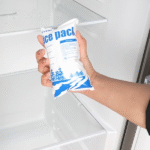
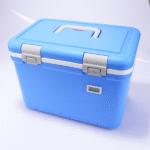
Encontre embalagensPara amostras refrigeradas, Tempk geralmente começa com um médico expedidor isolado, PCM condicionado ou pacotes de gel, uma camada tampão, uma bolsa secundária resistente a vazamentos, suporte de tubo, e um registrador. Para amostras congeladas, gelo seco o planejamento deve incluir massa de gelo seco, margem de sublimação, ventilação, espaço de rótulo, e um processo de recebimento que verifica o gelo seco restante e as evidências de temperatura. Para rotas locais curtas, uma mala direta médica menor pode ser suficiente quando a carga de amostras for baixa e a via tiver sido verificada.
Recebendo verificações que protegem a integridade da amostra
A equipe de recebimento deve ser capaz de confirmar se o remetente externo está intacto, o recipiente secundário está seco, rótulos são legíveis, tubos ou potes não estão rachados, refrigerante ainda está presente, dados de temperatura estão disponíveis quando necessário, e o tempo da rota corresponde ao plano de envio. Se uma rota de amostra clínica falhar frequentemente na última milha de permanência, tempo de espera da doca de carregamento, ou fim de semana recebendo, o design da embalagem deve ser ajustado antes do próximo envio.