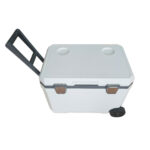
As terapias de reposição enzimática são medicamentos biológicos de alto valor que muitas vezes passam por farmácias especializadas, hospital, infusão caseira, e pistas de distribuição clínica. A embalagem deve proteger o fogão refrigerado, evite contato congelado, proteger frascos e caixas frágeis, e criar um registro claro de temperatura para receber. Porque o valor da dose e o tempo do paciente podem ser altos, o plano de rota deve ser mais controlado do que um pacote refrigerado comum.
Dados de planejamento da terapia de reposição enzimática
| Faixa alvo típica | Muitas terapias de reposição enzimática requerem 2-8 C manuseio refrigerado; siga sempre o rótulo aprovado e o SOP local. |
|---|---|
| Controle de umidade | Proteja as caixas dos frascos, inserções, e rótulos de condensação porque as equipes de recebimento podem precisar de lote limpo e dados de validade. |
| Pré-resfriamento | Use transportadores pré-condicionados, refrigerante, e separadores; evite carregar o produto durante a preparação prolongada em temperatura ambiente. |
| Pressão de embalagem | Use bandejas de frascos ou suporte de papelão para proteger o vidro, rolhas, rótulos, e embalagens especiais para infusão. |
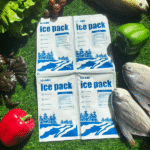
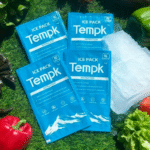
| Posição do refrigerante | Uso condicionado 2-8 Líquido refrigerante C com buffer anticongelante. Não coloque os frascos contra embalagens de gel congelado. |
| Duração do transporte | Validar 24-96 h corredores de correio ou farmácias especializadas com perfis de verão e inverno, quando relevante. |
| Perdas comuns | Congelar contato, habitação quente, umedecimento de rótulo, quebra do frasco, esmagamento de caixa, dados de temperatura ausentes, e rejeitou o recebimento. |
| Ajuste de embalagem Tempk | Remetente com isolamento médico, 2-8 PCM, inserto de suporte para frasco, barreira seca, forro absorvente, selo de violação, e registrador. |
Por que as terapias enzimáticas precisam de um pacote de cadeia de frio mais forte
Os produtos enzimáticos podem ser sensíveis a variações de temperatura e manuseio inadequado. O produto pode ser enviado em pequenas contagens de frascos, que são vulneráveis a pontos frios quando a massa do líquido refrigerante está muito próxima. Ao mesmo tempo, a exposição ao calor durante a última milha pode criar um problema de liberação. A embalagem deve controlar ambas as extremidades da faixa enquanto protege os rótulos, frascos, rolhas, caixas, e documentação de infusão.
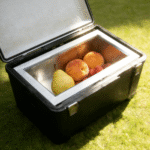
Tempk normalmente usaria um qualificado expedidor isolado, condicionado 2-8 PCM, um inserto de suporte para frasco, forro absorvente, barreira seca, e um fechamento inviolável. O registrador deve ficar na zona de carga útil e, para pistas de alto risco, um registrador de borda pode ajudar a identificar riscos de paredes frias ou cantos quentes. A validação da rota deve testar a contagem real de frascos, formato de caixa, perfil ambiental sazonal, tempo de correio, e recebendo fluxo de trabalho.
Ferramentas úteis de decisão
Verifique os detalhes antes de escolher a embalagem
Essas ferramentas rápidas podem ajudá-lo a comparar o risco da rota, necessidades de dimensionamento, escolhas de refrigerante, e detalhes da embalagem antes de solicitar um orçamento.
Seletor de embalagens
Compare opções de embalagens isoladas por produto, rota, e necessidade de temperatura.
Encontre embalagensReferência de material de isolamento
Compare as opções de materiais de isolamento para diferentes necessidades de embalagens da cadeia de frio.
Compare materiaisVerificador de risco de rota
Revise as condições da pista antes de selecionar a embalagem para requisitos operacionais reais.
Verifique o risco da rotaAbordagem temporária recomendada
Confirme o rótulo aprovado, especificação do produto, duração da rota, prazo de entrega do paciente, e critérios de recebimento antes de escolher o remetente. Ao receber, revisar registro de temperatura, legibilidade do rótulo, secura da caixa, condição do vidro, selo de violação, e tempo de rota. As regras de armazenamento e distribuição de medicamentos do eCFR enfatizam procedimentos escritos, condições de armazenamento adequadas, e rastreabilidade de lote; o pacote deve facilitar a documentação desses controles.