Configuração de embalagem de cadeia fria: Projete em torno da rota e da carga útil
UM embalagem da cadeia de frio configuration is the approved combination of shipper, isolamento, refrigerante, arranjo interno, limites de carga útil, monitoramento, encerramento, and handling instructions used to protect a specific shipment. The configuration should be selected around the product’s temperature requirements and the conditions it may encounter—not around a box size or a supplier’s generic hold-time claim.
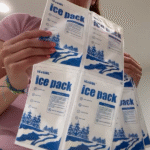
The distinction matters because the performance of a temperature-controlled package comes from the assembled system. UM Pacote de gel is a coolant component. O isolamento retarda a transferência de calor. A temperature data logger records conditions at its sensor location. None of these elements alone demonstrates that the shipment will remain within its required temperature range. That conclusion depends on the complete configuration, condições de teste, e rota pretendida.
Define the shipping task before choosing components
Start with a design brief that captures the intended use and the decisions the package must support. Incluir:
- Limites do produto: faixa de temperatura aceitável, sensitivity to freezing or overheating, and product-owner handling requirements.
- Carga útil: dimensões, massa, número de unidades, embalagem secundária, densidade de carga, and expected variation between shipments.
- Rota: origem, destino, modos de transporte, tempo de trânsito planejado, likely dwell periods, pontos de transferência, and possible delays.
- Ambiente: expected seasonal exposure and the conditions at pickup, centros, alfândega, e entrega.
- Operação: who packs the shipper, onde ocorre o empacotamento, whether the package is reusable, and what the receiver must do.
- Evidência: monitoramento necessário, Critérios de aceitação, documentação de teste, rastreabilidade, e tratamento de desvio.
The product owner or quality function should determine the acceptable shipping conditions. A labeled storage range is an important input, but it should not automatically become the packout design target without considering product stability and the risks of distribution.
Build the configuration as a coupled system
A passive temperature-controlled package usually combines an outer container, isolamento, refrigerante, separators or barriers, preenchimento vazio, payload packaging, um registrador, and closure and labeling elements. Each component contributes a different function, and changes to one component can affect the others.
Insulation slows heat transfer but does not compensate for every weak point in the enclosure. A lid that does not seat consistently, a damaged panel, or a poorly controlled opening may undermine the design. Coolant provides thermal capacity, but its effect depends on its mass, preparação, localização, e contato com a carga útil. Internal barriers can reduce direct contact, while also changing the thermal path. Payload arrangement influences both heat transfer and physical stability.
This is why a coolant datasheet, insulation specification, or empty-box test cannot independently establish shipment performance. The relevant evidence must represent the assembled package and its intended load.
Make the trade-offs explicit
There is rarely one configuration that maximizes every desirable attribute. More insulation may reduce heat transfer but increase outer dimensions and reduce usable payload space. More coolant may extend thermal capacity under some conditions but increase shipping weight and create a local freezing risk. A larger shipper may simplify loading but allow a partial payload to move or leave uncontrolled air spaces. A reusable container may reduce recurring packaging consumption but introduce return logistics, inspeção, limpeza, and refurbishment requirements.
| Escolha de design | Potential benefit | Trade-off to evaluate |
|---|---|---|
| Increased insulation | Slower heat transfer through package walls | Larger dimensions, less usable volume, custo |
| Additional coolant | Greater thermal reserve in some configurations | Peso, lidar com carga, risco de contato direto |
| More internal barriers | Better control of contact and position | Added steps, possible change to heat transfer |
| Larger shipper | Easier loading or more payload capacity | More empty space and possible product movement |
| Reusable system | Repeated use when properly managed | Fluxo de retorno, inspeção, limpeza, component-life control |
The best choice is the configuration that meets the defined requirements and can be assembled consistently. Avoid optimizing a single specification while ignoring the complete shipping task.
Specify the internal arrangement so it can be repeated
A controlled configuration should define the exact components and how they fit together. Include component identifiers, dimensões do expedidor, coolant type and approved conditioning procedure, quantidade e posição do líquido refrigerante, materiais de barreira, orientação de carga útil, allowed fill range, localização do registrador, método de fechamento, e posicionamento da etiqueta.
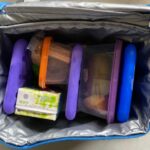
Show the sequence in a diagram or annotated photograph when spatial relationships matter. A written instruction such as “place coolant around the product” may be too vague to reproduce. Specify which faces receive coolant, where a barrier is required, whether products may touch one another, and how empty space is managed.
The specification should also identify prohibited substitutions. A different gel pack, forro de isolamento, separador, or box may look similar while having different thermal behavior. Any substitution should follow a documented assessment and approval process rather than an informal decision at the packing station.
Use route conditions to define the test
The planned carrier transit time is not the entire exposure. A shipment may wait at a collection point, remain on a loading dock, transfer between vehicles, be delayed at a border, or arrive after a receiving site has closed. Seasonal exposure and route variability should be considered when selecting the test conditions.
Ferramentas úteis de decisão
Verifique os detalhes antes de escolher a embalagem
Essas ferramentas rápidas podem ajudá-lo a comparar o risco da rota, necessidades de dimensionamento, escolhas de refrigerante, e detalhes da embalagem antes de solicitar um orçamento.
Avaliador de risco da rota
Revise as condições da pista antes de selecionar a embalagem para requisitos operacionais reais.
Verificar risco da rotaRefrigerante & Referência PCM
Compare as opções de refrigerante e PCM quando uma rota precisar de suporte adicional de temperatura.
Comparar opçõesResistência à queda de material de isolamento
Revise a resistência à queda e os fatores de manuseio antes de escolher materiais de isolamento.
Verifique a resistênciaWHO technical supplements treat transport-route profiling and shipping-container qualification as related but distinct activities. Route information helps characterize the external environment; package qualification evaluates whether a defined system can perform under specified conditions. Neither should be casually substituted for the other.
Para medicamentos, European Good Distribution Practice guidance says packaging selection should consider the product’s transport requirements, space needed for the shipment, extremos de temperatura externa previstos, maximum transport time including transit storage, e o status de validação da embalagem. Other product categories may be governed by different requirements, so the applicable quality and regulatory framework should be confirmed.
If a new route is longer, more variable, or exposed to different temperatures than the route represented in the existing evidence, documentar a lacuna. Decide whether the current evidence remains applicable, whether additional testing is needed, or whether operational controls must change.
Define monitoring around the risk question
A temperature logger is an evidence tool, not a cooling device. Its reading represents the temperature at the probe location, which may differ from the temperature experienced by products elsewhere in the package. The sensor location should therefore be selected to answer a defined question: represent the payload environment, investigate a potential cold spot, or characterize a known warm area.
The monitoring plan should identify the device, calibration or verification status where required, colocação, start and stop steps, sampling settings, revisão de dados, and response to missing or abnormal records. Para remessas regulamentadas, the user requirement and applicable procedures determine what monitoring is needed. Avoid placing the sensor wherever it is easiest to reach if that location does not represent the risk being assessed.
Build evidence that another team can reproduce
A defensible configuration file should contain:
- The approved bill of materials, desenhos, e revisão de configuração.
- A packout diagram and controlled assembly instructions.
- Dimensões da carga útil, massa, permitted load range, and loading arrangement.
- Coolant conditioning and handling requirements.
- The test protocol, perfil ambiente, localizações dos sensores, Critérios de aceitação, e relatório.
- Any route assumptions or limitations on where the configuration may be used.
- Recebendo cheques, escalonamento de excursão, e requisitos de controle de mudanças.
A statement that a package “passed testing” is incomplete without the tested configuration, condições de teste, e critérios de aceitação. ISTAs embalagem térmica resources distinguish development tests used to compare designs from qualification processes intended to support defined claims. The selected method should fit the decision being made.
Keep the approved configuration under control
Performance can change when the payload, rota, refrigerante, isolamento, dimensões da caixa, fornecedor, processo de fabricação, or packing method changes. The change may appear minor, but the team should assess whether it affects heat transfer, massa térmica, ajustar, or handling before use. A documented change-control process should identify who assesses the impact, quais evidências são necessárias, and who authorizes release.
Para sistemas reutilizáveis, add inspection criteria for damaged insulation, fechos desgastados, peças faltantes, contaminação, and coolant condition. European Good Distribution Practice guidance also highlights the need to control coolant reuse so that incompletely cooled packs are not mistakenly used and different pack states can be distinguished. The exact controls should match the system design and applicable procedures.
Approval checklist for buyers and engineers
Before approving a cold chain packaging configuration, confirm that the team can answer these questions clearly:
- What product and payload range is covered?
- Which routes and environmental conditions are represented by the evidence?
- What exact components, estado do refrigerante, barreiras, and loading sequence are approved?
- Onde o registrador é colocado, and what does its reading represent?
- What are the acceptance criteria and the response to an excursion?
- Which changes require reassessment or requalification?
- Can trained operators pack the shipment correctly using the controlled instructions alone?
A cold chain packaging configuration is ready for operational use when the design, evidência, and work instructions agree. If the configuration depends on an undocumented packing trick or a component substitution that has never been assessed, it is not yet a controlled system. Define the route and payload requirements first, review the complete configuration with the relevant quality and logistics teams, and request a proposal that makes its assumptions and evidence explicit.
Verify consistency from sample to routine production
The sample used during review should represent the components and assembly method that will be supplied and packed in routine operation. Confirm that the same insulation, modelo de refrigerante, barreiras, dimensões do expedidor, closure materials, and instructions are used. If the supplier changes a material source or manufacturing process, the change should be assessed for its potential effect rather than accepted because the external appearance is unchanged.
A practical operator trial is valuable before release. Ask trained packers to assemble the configuration using only the controlled instruction, then compare the finished packout with the approved drawing. Record any ambiguity, component-fit issue, or step that requires an undocumented workaround. Correct those issues before scaling up. After release, use incoming inspection and periodic record review to check that routine shipments continue to match the approved configuration.
The configuration is strongest when its technical evidence, physical components, and operating instructions all describe the same system.