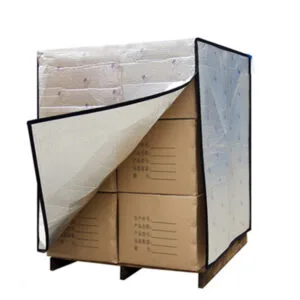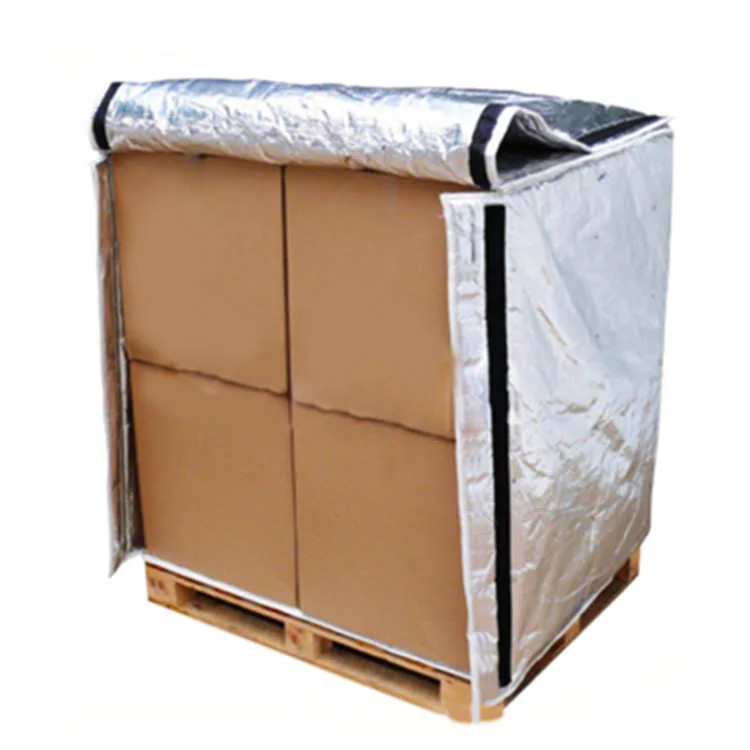
Coberturas de paletes de cadeia fria para armazenamento com temperatura controlada: Um plano de controle desde a liberação até o recebimento
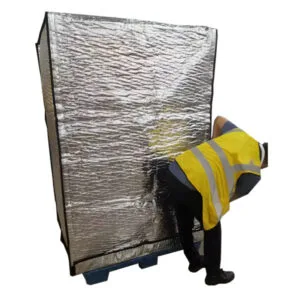
O momento mais seguro para decidir o que significa uma cobertura de palete é antes que um palete coberto chegue à doca. Coberturas de paletes para cadeia fria para armazenamento com temperatura controlada deve estar dentro de um plano de controle de liberação para recebimento com portas de prontidão definidas, proprietários, limites, e evidências. A capa em si é passiva: retarda alguma transferência de calor, mas não detecta nem regula a temperatura. A sua presença não pode autorizar um atraso indefinido ou substituir um espaço controlado.
Esta abordagem de plano de controle muda a conversa de compra. Em vez de pedir um tempo de proteção universal, a equipe define a transferência, escolhe a capa daquele evento, verifica uma configuração representativa, e indica exatamente quando o fluxo normal deve parar.
Comece com a promessa do produto, Não é a reivindicação de cobertura
O requisito do produto é a âncora. As condições de armazenamento e transferência podem vir da rotulagem, informações de estabilidade, um acordo de qualidade do cliente, controles de segurança alimentar, ou outra especificação aprovada. Eles podem variar de acordo com o produto e o mercado. Um armazém não deve adotar uma política geral "gama de cadeia de frio" e espere uma cobertura para satisfazer cada carga.
Traduzir o requisito em obrigações de processo. Qual sala é aprovada para armazenamento? Quais condições ambientais são monitoradas? O que prepara um veículo ou a próxima zona? Como é verificado o status do produto e do palete? Quais dados são revisados antes da divulgação? Quem é dono de uma espera inesperada? Estas questões definem o controle independentemente de qualquer acessório.
Em seguida, indique a reivindicação de cobertura de forma restrita. Pode ter como objetivo reduzir a exposição radiante e convectiva de curto prazo durante o movimento de uma área de expedição monitorada para um veículo pronto. Pode fornecer um buffer passivo enquanto o pessoal recebe uma verificação de identidade planejada em uma baía protegida. Cada afirmação nomeia uma operação e uma finalidade térmica sem prometer que a tampa mantém uma temperatura universal por um tempo universal.
Evite mesclar funções distintas. HVAC ou refrigeração controla o armazém. O mapeamento de temperatura caracteriza o comportamento espacial e ajuda a posicionar dispositivos de monitoramento. Condições de registros de monitoramento. Um registrador mede em seu sensor. Uma tampa resiste ao fluxo de calor. O conhecimento da estabilidade do produto apoia a avaliação de impacto. A qualificação mostra que um processo ou sistema definido é adequado para o uso pretendido. Nenhum elemento executa todos esses trabalhos.
Esta separação também é prática durante um evento. Um alarme de sala não pode ser descartado porque uma carga está coberta. Uma leitura favorável do registrador não pode provar que todos os casos foram protegidos. Uma capa danificada não significa automaticamente falha do produto. Cada sinal entra no processo de desvio, onde evidências relevantes e requisitos do produto apoiam a decisão.
Use cinco portas de prontidão na transferência
A primeira porta é a elegibilidade. Confirme se o produto, formato de palete, configuração de cobertura, rota, e o evento pretendido se enquadram no uso aprovado. Cargas mistas requerem atenção especial porque o requisito aplicável mais restritivo pode moldar o manuseio, enquanto diferentes massas térmicas podem responder de maneira diferente.
O segundo portão é a prontidão do destino. Não libere um palete apenas porque a tampa está disponível. A sala de recepção, veículo, posição de preparação, funcionários, e a documentação deve estar pronta de acordo com o procedimento. Este portão remove a permanência evitável em vez de pedir ao isolamento para absorvê-la.
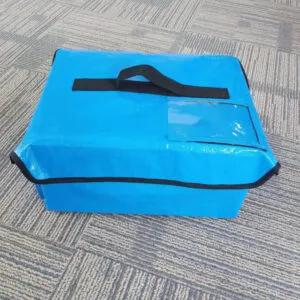
A terceira porta é a prontidão da cobertura. Selecione o tamanho e status corretos. Inspecionar painéis, costuras, saia, fechamentos, recursos de acesso, identificação, limpeza, e secura conforme relevante. Confirme se os rótulos e qualquer monitor necessário permanecem acessíveis. Instale a tampa sem desestabilizar a carga ou criar material em um corredor ou caminho do equipamento.
O quarto portão é o movimento controlado. Propriedade do horário de início, siga a rota aprovada, limitar paradas desnecessárias, manter os fechamentos no estado exigido, e proteger contra condições não abordadas pela cobertura, como precipitação ou vento inseguro. Se a transferência exceder seu limite, seguir a escalada em vez de estendê-la silenciosamente.
O quinto portão é o recebimento e o fechamento. O proprietário receptor confirma a chegada, registra as informações necessárias, remove ou retém a tampa de acordo com o procedimento, inspeciona a carga, e encaminha a tampa para descarte, retornar, limpeza, ou quarentena. A responsabilidade não termina quando a empilhadeira ultrapassa o limite.
Essas portas podem ser simples em uma operação de baixo risco e mais formais em uma operação regulamentada. Seu valor é que eles tornam as suposições visíveis. Uma cobertura passiva é mais forte quando a disponibilidade do destino e a propriedade do tempo já são fortes.
Verifique a configuração exata que a equipe irá operar
A qualificação ou verificação deve responder a uma decisão, não produzir um gráfico atraente. Escreva a declaração de uso pretendido, avaliação de risco, protocolo, Critérios de aceitação, e alterar o limite antes de fazer pedidos em grande escala. O nível de formalidade deve refletir o produto, operação, e requisitos de qualidade aplicáveis.
| Pergunta de verificação | Evidências para coletar | Decisão que apoia |
|---|---|---|
| A tampa se adapta às cargas aprovadas? | Alturas representativas, saliência, tampas superiores, envoltório elástico, fechamentos, e observação de acesso | Define o envelope de palete utilizável e o método de montagem seguro |
| Ele aborda o caminho de calor relevante? | Testes de cobertura completa com ambiente medido, radiante, fluxo de ar, e contexto de contato, conforme aplicável | Suporta uma reivindicação de finalidade térmica limitada |
| O resultado é relevante para o produto? | Carga útil ou simulador justificado, estado inicial, mapa de sensores, instrumentos calibrados, e regra de aceitação | Conecta a resposta térmica à decisão pretendida do produto ou processo |
| A equipe pretendida pode aplicá-lo de forma consistente? | Teste de manuseio representativo de turno, digitalizações de etiquetas, tempo, segurança, e verificações de fechamento | Apoia a instrução de trabalho e o modelo de pessoal |
| A tampa pode permanecer controlada? | Cheques recebidos, identificação, limpeza ou descarte, critérios de dano, e notificação de alteração | Suporta fornecimento de rotina, reutilizar, e governança do ciclo de vida |
| O que acontece fora do plano? | Atraso, dano, alarme, rota errada, e discussões ou exercícios sobre desafios de cobertura perdida | Define regras de parada e resposta de desvio |
A tabela combina deliberadamente evidências térmicas e operacionais. Uma tampa que funciona em uma câmara, mas não pode ser fechada após a digitalização, não é verificada para esse fluxo de trabalho. Uma cobertura fácil de instalar, mas sem evidência térmica relevante, não pode sustentar a alegação térmica pretendida.
Os artigos de teste devem representar materiais de produção, costuras, fechamentos, Windows, e dimensões. A palete, carga útil, arranjo de caso, tampa superior, e o envoltório deve representar uma variação de rotina aprovada. Meça o desafio local em vez de confiar apenas no ponto de ajuste do armazém. As posições dos sensores devem incluir locais justificados pelo risco, e cada canal deve ser identificado como ar, superfície, simulador, ou medição relevante para o produto.
Revise os traços individuais antes das médias. Procure curvas que mudam cedo, assimetria, eventos de flap, movimento do sensor, e variabilidade entre corridas. Exclusões de documentos e desvios de protocolo. Se as condições de partida forem diferentes, não afirme que a cobertura causou toda a diferença na resposta.
Métodos externos podem informar o plano quando aplicável. Os padrões térmicos ISTA abordam contextos definidos de embalagens de transporte, enquanto os suplementos técnicos da Organização Mundial da Saúde abordam a qualificação, mapeamento, monitoramento, e tempo- e produto sensível à temperatura sistemas. As boas práticas de distribuição da UE abordam o mapeamento representativo do armazenamento, equipamento adequado de monitoramento e controle, e proteção no recebimento e expedição. Nada elimina a necessidade de mostrar que um método se ajusta a esta paleta, transferência de armazém, e decisão.
Ferramentas úteis de decisão
Verifique os detalhes antes de escolher a embalagem
Essas ferramentas rápidas podem ajudá-lo a comparar o risco da rota, necessidades de dimensionamento, escolhas de refrigerante, e detalhes da embalagem antes de solicitar um orçamento.
Verificador de risco de rota
Revise as condições da pista antes de selecionar a embalagem para requisitos operacionais reais.
Verifique o risco da rotaReferência de material de isolamento
Compare as opções de materiais de isolamento para diferentes necessidades de embalagens da cadeia de frio.
Compare materiaisSeletor de embalagens
Compare opções de embalagens isoladas por produto, rota, e necessidade de temperatura.
Encontre embalagensTorne os desvios acionáveis antes que aconteçam
Escreva regras de parada em linguagem operacional simples. Os exemplos incluem o tamanho errado da capa, fechamento aberto ou com falha, rasgar, cobertura molhada ou contaminada, rótulo de status oculto, carga instável, veículo despreparado, rota bloqueada, alarme de instalação, limite de tempo perdido, exposição inesperada ao ar livre, problema de sensor, ou chegada na zona errada. Vincule cada evento a uma ação imediata segura e a um proprietário de escalonamento.
A ação imediata protege o produto e as pessoas sem decidir mais do que o operador sabe. Isso pode significar manter a carga em armazenamento aprovado, devolvendo-o para uma área controlada, pausando o movimento, substituindo uma tampa, garantindo a rota, ou notificando a qualidade. O operador não deve decidir a aceitabilidade do produto com base na sensação ambiente, aparência da capa, ou uma única leitura ao vivo, a menos que um procedimento aprovado atribua especificamente essa decisão.
Considere um hipotético despacho farmacêutico. Uma transferência coberta qualificada começa somente depois que o veículo for reportado como pronto. A meio caminho da baía, o veículo falha na verificação de pré-carregamento e a rota volta. O operador segue a regra de parada e devolve o palete à sala de expedição monitorada em vez de estacioná-lo sob a cobertura. O tempo e as leituras relevantes são registradas, a tampa é inspecionada, e a qualidade determina se uma avaliação adicional é necessária. O controle funcionou porque o plano evitou que a cobertura virasse depósito.
A revisão da causa raiz deve ir além "erro do operador." O status de prontidão do veículo era confiável?? A tampa foi difícil de fechar? O tamanho aprovado estava disponível? Uma etiqueta exigiu reabertura? A variação da produção excedeu o envelope de carga especificado? A contratação de pessoal ou o pico de fluxo tornaram o procedimento irrealista?? Corrija o sistema que produziu o erro.
A avaliação do produto deve usar evidências e processos definidos pelo sistema responsável de qualidade ou segurança alimentar. Condições ambientais, dados de produto ou superfície, quando disponíveis, duração, conhecimento de estabilidade do produto, embalagem, e o histórico de eventos podem ser importantes. A cobertura da palete pode influenciar a exposição, mas não toma a decisão de disposição.
Controle o fornecimento e o ciclo de vida após a aprovação
Uma amostra aprovada não garante equivalência contínua. A especificação de compra deve identificar materiais e construção controlados, dimensões, costuras, fechamentos, recursos de acesso, marcações, mão de obra, embalagem recebida, e alterar notificação apropriada ao risco. Definir o que o recebimento pode inspecionar e quais registros do fornecedor ou evidências de teste podem ser revisados.
Dimensione com cuidado quando a personalização estiver envolvida. Impressão, Windows, bolsos de etiqueta, alças reforçadas, mudanças de fechamento, e ajustes de tamanho podem afetar o vazamento de ar, pontes térmicas, ajustar, limpeza, e manuseio. Uma mudança visual da marca ainda pode precisar de avaliação técnica. O sistema de qualidade deve decidir se a revisão da documentação, confirmação de ajuste, ou retrabalho térmico é garantido.
As capas reutilizáveis precisam de um loop de identidade e condição. Estabeleça limpeza, publicado, usado, limpeza, secagem, quarentena, reparar, e estados aposentados. Defina quem é o proprietário de cada transição. Um reparo não deve ser improvisado com fita ou costura desconhecida se isso puder afetar a limpeza, isolamento, comportamento do vapor, ou ajuste. Os critérios de aposentadoria devem ser práticos o suficiente para que a equipe possa reconhecer uma unidade inadequada.
Para coberturas unidirecionais, conheça o destino. Composição material, revestimentos, camadas mistas, contaminação, e a infraestrutura local de resíduos afetam o descarte ou a reciclagem. As alegações de sustentabilidade devem corresponder aos limites verificados. Reutilizável não reduz automaticamente o impacto quando o retorno é fraco, e reciclável não significa que o item será reciclado.
Revise os indicadores do processo com um propósito: uso correto, estoque faltando, tipo de dano, erro de fechamento, retornar, rejeição de limpeza, permanência não planejada, e desvios. As tendências podem aparecer quando o design de uma capa, fornecedor, rota, ou o treinamento não suporta mais o estado aprovado. Eles também podem mostrar que uma melhoria no processo eliminou a necessidade original.
O controle de mudanças deve abranger tanto o produto quanto a operação. Um novo material de capa, processo do fornecedor, altura da palete, configuração do caso, padrão de envoltório elástico, rota, layout da doca, plano de monitoramento, agente de limpeza, ou a transferência do veículo pode alterar o desempenho. Avalie o impacto antes de tratar as evidências antigas como atuais.
Perguntas frequentes sobre plano de controle
Cada palete coberta deve ter um registrador de dados?
Não automaticamente. A estratégia de monitoramento depende do risco do produto, requisitos de qualidade, evidência de processo, e o propósito da medição. Monitoramento de armazém, registradores de paletes ou remessas, e sensores de estudo respondem a diferentes perguntas. Se um registrador for usado, definir sua localização, status de calibração, configurar, análise, e regras de ação. Os registros do registrador; não oferece proteção.
Um teste de verão bem-sucedido pode cobrir o uso no inverno?
Somente se as evidências aprovadas e a avaliação de risco justificarem ambas as direções de exposição. O inverno pode apresentar risco de resfriamento ou congelamento, movimento de ar diferente, comportamento de condensação após reentrada, e diferentes manuseios de materiais. Condições sazonais representativas podem exigir trabalho de desafio separado ou evidências adicionais.
E se o fornecedor da capa alterar uma costura ou fecho?
Avalie a mudança em relação à configuração aprovada. Costuras e fechamentos podem afetar o vazamento, pontes térmicas, ajustar, comportamento do operador, limpeza, e durabilidade. A resposta pode variar desde a revisão da documentação até testes de ajuste e térmicos, dependendo do risco. Não presuma que a alteração é inofensiva porque o material do painel principal permanece inalterado.
A cobertura faz parte da qualificação do armazém?
Pode fazer parte da qualificação para um processo específico de transferência ou controle operacional, dependendo do sistema de qualidade. Não qualifica o próprio armazém. Qualificação de instalações, mapeamento, monitoramento, HVAC ou refrigeração, manutenção, e procedimentos operacionais mantêm seus próprios propósitos e evidências.
Conclusão: Libere apenas em uma transferência pronta
Um plano confiável de cobertura de paletes começa com os requisitos do produto e a disponibilidade do destino. Usar elegibilidade, cobertura, movimento, e portões de recebimento; verifique a configuração exata; escrever regras de parada; e controlar mudanças no fornecimento e no ciclo de vida. Esta estrutura transforma uma cobertura portátil em um elemento de processo limitado, em vez de uma permissão informal para esperar..
As coberturas de paletes da cadeia de frio para armazenamento com temperatura controlada são passivas, controles suplementares. Eles não podem substituir instalações controladas, mapeamento representativo, monitoramento de rotina, HVAC ou refrigeração, requisitos específicos do produto, transporte adequado, avaliação de qualidade, ou qualificação. O seu papel é reduzir uma exposição definida entre controlos mais fortes.
Sobre Tempk
A Tempk atua na área de embalagem com temperatura controlada e soluções para cadeia de frio. Podemos ajudar a estruturar uma discussão sobre a cobertura de paletes em torno dos portões de prontidão, ajuste de carga, fechamento e acesso, evidência de verificação, e controle rotineiro do ciclo de vida. Evitamos tratar uma cobertura como armazenamento universal ou presumir que uma declaração geral de material se aplica a todos os produtos e rotas. A facilidade do comprador, monitoramento, procedimentos, revisão de qualidade, e os limites operacionais permanecem decisivos.
Dê ao Tempk a transferência planejada e as condições que devem impedi-la. Esses detalhes apoiam uma recomendação de cobertura mais útil e um caminho mais claro para verificação antes do lançamento de rotina.