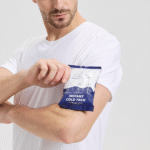
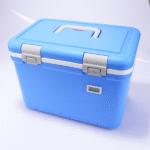
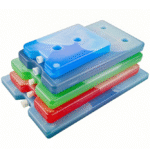
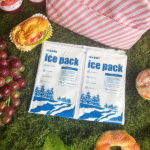
Não existe um número universal de bolsas de gelo em gel para envio de cadeia a frio. A quantidade correta depende da faixa de temperatura do produto, massa de carga útil, tamanho da caixa, tipo de isolamento, duração da rota, exposição ambiental, tamanho do pacote de gel, temperatura inicial, e margem de segurança necessária. Uma pequena remessa de refeições refrigeradas pode precisar de uma proporção de líquido refrigerante/carga útil diferente de um pacote de frutos do mar, uma caixa de supermercado, ou um kit de amostras médicas.
Este artigo explica como os compradores empresariais podem estimar a quantidade do pacote de gel antes de solicitar amostras. Não substitui a validação térmica. Em vez de, fornece uma estrutura prática para preparar dados de remessa, evitando erros comuns de subdimensionamento, e usar uma calculadora ou teste de amostra de forma mais eficaz.
Comece com a condição de chegada necessária
A primeira pergunta não é “quantos pacotes de gel?” A primeira pergunta é “qual temperatura o produto deve manter?”Um pacote de comida gelada, uma remessa médica de 2-8°C, e uma remessa de frutos do mar congelados exigem uma lógica de refrigeração diferente.
A orientação alimentar da FDA afirma que os alimentos frios devem ser mantidos a 40°F / 4°C ou abaixo. A FedEx descreve refrigerantes em gel para produtos que devem permanecer entre 34°F / 1°C e 50°F / 10°C. Para alimentos congelados, As orientações de manuseio seguro da FDA fazem referência ao armazenamento em freezer a 0°F / -18°C ou abaixo. Esses valores baseados em fontes mostram por que uma quantidade de gel-pack não cabe em todos os programas.
Principais variáveis que alteram a quantidade da embalagem de gel
| Variável | Por que altera a quantidade do pacote de gel | O que fornecer ao seu fornecedor |
|---|---|---|
| Meta de temperatura do produto | Temperaturas alvo mais baixas geralmente requerem mais líquido refrigerante ou isolamento mais forte. | Faixa de temperatura necessária e condição de chegada aceitável. |
| Massa de carga útil | Uma carga útil maior pode manter o frio por mais tempo, mas também requer mais proteção total contra o calor. | Peso total do produto e dimensões do produto. |
| Temperatura inicial | O produto pré-resfriado precisa de menos energia de pull-down do que o produto quente. | Temperatura de carregamento do produto e método de pré-resfriamento. |
| Tamanho da caixa e headspace | Mais espaço de ar aumenta a instabilidade térmica e pode alterar o posicionamento do líquido refrigerante. | Dimensões internas da caixa e layout do produto. |
| Tipo de isolamento | Caixa de espuma, Caixa EPP, Caixa VIP, ou o revestimento altera a taxa de ganho de calor. | Material de isolamento, grossura, e se a caixa é fixa. |
| Duração da rota | 24-rotas de uma hora e de 48 horas precisam de margens de segurança diferentes. | Tempo porta a porta mais possível atraso. |
| Exposição ambiental | Calor do verão, risco de congelamento no inverno, morada de caminhão, residência no aeroporto, e a porta mora é importante. | Informações sazonais e de pista. |
| Tamanho da embalagem de gel | Alguns pacotes grandes e muitos pacotes pequenos podem se comportar de maneira diferente. | Dimensões do pacote, preencher peso, e exigência de colocação. |
| Sensibilidade do produto | Medicamento, chocolate, produzir, e a salada podem ser danificadas pelo contato direto com o congelamento. | Sensibilidade ao congelamento e requisitos de separação de produtos. |
Um fluxo de trabalho de estimativa prático
Uma estimativa do gel-pack deve ser construída em etapas.
Primeiro, definir o destino do produto. A meta está abaixo de 4°C, dentro de 2-8°C, abaixo de 10°C, ou simplesmente “chega legal”? Segundo, confirme a condição inicial. Não se deve esperar que os pacotes de gel puxem o produto quente até uma temperatura segura durante o transporte. Terceiro, escolha o formato do isolamento. UM forro de papelão, Remetente EPS, Resfriador EPP, Caixa VIP, ou saco isolado mudará a taxa de ganho de calor. Quarto, estimar o tempo da rota e a margem de atraso. Quinto, selecione o tamanho e a colocação do pacote de gel. Sexto, teste o pacote completo com registradores de dados.
A lógica térmica básica é:
Capacidade de refrigerante necessária = calor entrando pelo pacote + calor do produto e do espaço aéreo + margem de manuseio e atraso.
Esta é uma equação de planejamento, não é um método de validação concluído. A quantidade final deve ser confirmada com uma embalagem de amostra em condições ambientais realistas.
Referências de design baseadas na fonte
| Ponto de referência | Detalhe baseado na fonte | Como isso afeta o planejamento do pacote de gel |
|---|---|---|
| Segurança alimentar refrigerada | FDA diz que alimentos frios devem ser mantidos a 40°F / 4°C ou abaixo. | Define a meta de embalagem de alimentos resfriados e recebe verificações de aceitação. |
| Faixa de uso de refrigerante em gel | FedEx descreve refrigerantes em gel para 34°F / 1°C a 50°F / 10Remessas °C. | Ajuda a determinar se os pacotes de gel são adequados para a faixa solicitada. |
| Referência de isolamento de espuma | A FedEx recomenda um recipiente de espuma isolado com mínimo 1.5 em / 4 cm paredes para produtos perecíveis. | Mostra que a espessura do isolamento pode reduzir a carga do líquido refrigerante. |
| Uso de absorvente e forro | A FedEx recomenda revestimentos plásticos e material absorvente para produtos perecíveis. | Ajuda a proteger as caixas contra condensação e vazamentos. |
| Distinção de gelo seco | FedEx identifica gelo seco para remessas congeladas, não remessas gerais de gel-pack refrigerado. | Evita o uso de embalagens de gel onde é necessária uma embalagem congelada ou gelo seco. |
A colocação da embalagem de gel é tão importante quanto a quantidade
Mais pacotes de gel não significam automaticamente melhor desempenho. O posicionamento determina como a fonte fria interage com a carga útil e as superfícies mais quentes da embalagem. A orientação da FedEx para itens frios ou congelados recomenda colocar refrigerantes em todos os lados e em cima do produto. Na prática, o melhor layout depende da orientação da caixa, forma de carga útil, e sensibilidade do produto.
Para alimentos refrigerados, pacotes de gel podem ser colocados acima e ao redor dos alimentos para reduzir o ganho de calor na parte superior e nas laterais. Para medicina, uma câmara de produto ou divisória pode ser necessária para evitar que o líquido refrigerante congelado toque na carga útil. Para frutos do mar, o plano de refrigeração pode priorizar o contato direto com o frio se o produto estiver embalado para tolerá-lo. Para chocolate ou produtos, buffer e separação são mais importantes.
Ferramentas úteis de decisão
Verifique os detalhes antes de escolher a embalagem
Essas ferramentas rápidas podem ajudá-lo a comparar o risco da rota, necessidades de dimensionamento, escolhas de refrigerante, e detalhes da embalagem antes de solicitar um orçamento.
Verificador de risco de rota
Revise as condições da pista antes de selecionar a embalagem para requisitos operacionais reais.
Verifique o risco da rotaCalculadora de gelo seco
Estime as necessidades de gelo seco para remessas congeladas ou ultrafrias antes de embalar.
Estimar gelo secoCalculadora de bolsa de gelo
Estime a quantidade de bolsas de gelo em gel para remessas refrigeradas e planejamento prático de rotas.
Estimar bolsas de geloExemplo de tabela de planejamento para uma RFQ de fornecedor
Use a tabela a seguir para preparar dados antes de usar uma calculadora ou solicitar amostras. Não use-o como uma especificação de pacote validada.
| Categoria de entrada | O comprador deve definir | Por que o fornecedor precisa disso |
|---|---|---|
| Perfil do produto | Tipo de produto, peso, temperatura de carregamento, sensibilidade ao congelamento ou umidade. | Determina o tipo de refrigerante e se a separação é necessária. |
| Meta de temperatura | Temperatura máxima permitida na chegada e se o congelamento é proibido. | Determina a temperatura do pacote de gel, quantidade, e posicionamento. |
| Duração da remessa | Tempo de serviço planejado e margem de atraso realista. | Impulsiona a capacidade térmica total necessária. |
| Caixa e isolamento | Tamanho da caixa, forro ou tipo de espuma, espessura da parede, estilo de fechamento. | Determina o ganho de calor e o espaço disponível para pacotes de gel. |
| Processo operacional | Capacidade de congelamento do armazém, trabalho de embalagem, sequência de pacotes, armazenamento antes da coleta. | Determina se o design é prático em escala. |
| Método de aceitação | Registrador de dados, recebendo verificação de temperatura, inspeção visual do cliente. | Determina como o desempenho será verificado. |
Erros comuns de subdimensionamento do pacote de gel
O erro mais comum é projetar o tempo da etiqueta da transportadora em vez da rota real. Uma remessa de “um dia” ainda pode sofrer atraso na coleta, classificação do hub, exposição a veículos quentes, e morada na porta. Um segundo erro é ignorar a temperatura inicial da carga útil. Se o produto quente for colocado em uma caixa fria, os pacotes de gel serão consumidos resfriando o produto em vez de protegê-lo durante o transporte. Um terceiro erro é usar um liner mais fino ou uma caixa maior depois que a embalagem original já tiver sido testada.
Outro problema comum é o dano por congelamento. Um comprador pode adicionar pacotes extras de gel congelado para resolver o aquecimento do verão, mas as embalagens adicionais podem congelar o produto nas primeiras horas de trânsito. Isto é especialmente relevante para a medicina, saladas, chocolate, e produzir. Nesses casos, o pacote pode precisar de PCM, um divisor, um método de condicionamento de gel mais quente, ou um layout de isolamento de dois estágios.
Quando usar uma calculadora e quando testar
Uma calculadora de bolsa de gelo é útil para projetos iniciais. Ajuda o comprador a comparar a massa da carga útil, tempo de rota, insulation format, e suposições de refrigerante antes de solicitar amostras. No entanto, uma calculadora não deve ser o método de aceitação final para um programa de cadeia de frio. Não é possível reproduzir totalmente todas as faixas de transporte, orientação da caixa, processo de armazém, ou condição de recebimento do cliente.
Use uma calculadora para triagem. Use testes de amostra para aprovação. Use testes de rota quando o produto for de alto valor, regulamentado, perecível, ou sensível à marca.
Perguntas frequentes
Posso copiar a quantidade do pacote de gel usado por outra marca?
Não. A outra marca pode usar um tamanho de caixa diferente, peso do produto, material de isolamento, temperatura de carregamento, perfil da pista, ou exigência de chegada. Copiar contagens de pacotes pode criar subresfriamento, congelamento excessivo, ou custo desnecessário.
Os pacotes de gel devem ficar em cima ou ao redor do produto?
Em muitos pacotes de encomendas, a exposição superior é importante porque o calor pode entrar pela parte superior e porque as embalagens podem ser manuseadas em diferentes orientações. A FedEx recomenda colocar refrigerantes em todos os lados e em cima para itens frios ou congelados, mas o layout final deve ser testado.
Fazer mais embalagens de gel sempre melhora a segurança alimentar?
Nem sempre. Mais pacotes de gel aumentam a capacidade de frio, mas eles também podem adicionar peso, reduzir o espaço do produto, aumentar a condensação, e congelar produtos sensíveis. Use a quantidade mínima validada com uma margem de atraso realista.
Os pacotes de gel podem manter os alimentos congelados?
Pacotes de gel padrão geralmente são melhores para alimentos refrigerados. Para um verdadeiro envio congelado, gelo seco ou um sistema PCM congelado pode ser necessário dependendo do produto, rota, e isolamento.
Conclusão final
O número de embalagens de gel deve ser calculado a partir do perfil completo da remessa: meta de temperatura, massa de carga útil, temperatura inicial, isolamento, Tamanho da caixa, tempo de rota, exposição ambiental, e margem de segurança. Use calculadoras para restringir o design, em seguida, aprove o pacote final por meio de testes de amostra ou testes de rota. Para programas de cadeia de frio B2B, o objetivo é a chegada repetível dentro do alcance, não simplesmente adicionar o maior número possível de bolsas de gelo.