Cool Brick Custom Design para restrições reais de embalagem
Um projeto personalizado de tijolo legal deve começar com uma restrição que pode ser observada e medida. Talvez um bloco padrão roube espaço de carga, pressiona contra um produto sensível, cabe mal após o congelamento, ou é instalado repetidamente na posição errada. Geometria personalizada, refrigerante, identificação, ou embalagem pode resolver esse problema, mas cada mudança também cria trabalho nas ferramentas, controle de fabricação, testando, inventário, e substituição.
O limite é importante: um tijolo personalizado continua sendo um componente de refrigeração. Ele não pode estabelecer um pacote com temperatura controlada por conta própria. O desempenho pertence ao sistema completo de isolamento, carga útil, quantidade e estado do tijolo, arranjo, exposição da rota, e manuseio.
Use uma escada de personalização antes de desenhar um novo shell
A mudança de menor impacto que corrige a falha é geralmente a mais fácil de controlar. Comece com o pacote atual e suba na escala de personalização somente quando a opção anterior não atender ao requisito.
Primeiro, corrigir o processo. Se os empacotadores usarem a quantidade ou orientação errada, uma instrução de trabalho mais clara, bandeja de preparação, verificação de digitalização, ou separação de estoque pode resolver o problema. Isto não é desculpa para culpar os operadores; ele testa se o próprio produto precisa mudar.
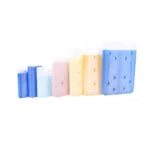
Próximo, tente outro formato estabelecido. Uma espessura ou pegada padrão diferente pode caber no mesmo isolamento com menos desenvolvimento. Um separador, manga, bolso, ou inserir pode gerenciar contato e localização enquanto mantém o tijolo refrigerante inalterado. Esses componentes secundários ainda pertencem à embalagem controlada e precisam de avaliação apropriada.
Em seguida, considere a identificação e a apresentação. Um código de modelo durável, marca de orientação, rótulo, cor, ou a configuração da caixa pode reduzir confusões. A cor deve ajudar em vez de substituir a identidade, porque geada, iluminação, desvanecimento, e a percepção humana pode tornar a cor por si só não confiável. A marca pode ter valor comercial, mas não deve conter uma reivindicação de desempenho mais ampla do que a evidência.
Altere a geometria apenas para um problema de interface definido. Grossura, costelas, alças, chaves, recessos, ou contornos afetam o ajuste, contato de superfície, volume de carga útil, comportamento de congelamento, moldagem, limpeza, e frete. O resumo do projeto deve nomear a falha e o teste que demonstrará a melhoria.
Troque o refrigerante ou abasteça quando a estratégia térmica exigir. Esta é uma mudança central de design, não é uma opção cosmética. Afeta a preparação, comportamento de fase, fabricação, informações de segurança, avaliação de transporte, e testes de pacote completo. Um ponto de mudança de fase solicitado deve emergir da análise do produto e da rota, não de um número de catálogo.
A cada passo, perguntar se o benefício esperado excede o fardo de uma nova configuração. Um programa estável de alto volume pode justificar ferramentas para empacotamento mais rápido. Uma remessa médica de menor volume pode justificá-la porque a carga útil e o risco são consequentes. Não existe um pedido mínimo universal responsável ou limite de retorno. Construa o caso a partir da previsão, valor da carga útil, consequências da falha, qualificação, frete, trabalho, capacidade do congelador, retorna, e dependência de substituição.
Trate a geometria como uma interface térmica e humana
Um tijolo ocupa espaço, conduz calor, restringe o fluxo de ar, e diz ao empacotador onde colocá-lo. Uma boa geometria aborda todas as quatro funções. Projete a partir do sistema de coordenadas internas do contêiner comercial, incluindo forros, divisores, caixas de produtos, Dispositivos de monitoramento, fechamentos, e a pilha de tolerância completa.
As dimensões nominais não são suficientes. Verifique a peça em seu estado de fabricação e após o preparo pretendido. Uma placa cheia pode expandir ou mudar de perfil quando congelada ou condicionada. O contêiner e a carga útil também variam. Um modelo digital que utiliza apenas valores nominais pode criar uma montagem que atenda aos limites normais de produção.
| Recurso proposto | Finalidade útil | Novo risco introduzido | Prova necessária antes da aprovação |
|---|---|---|---|
| Largo, painel fino | Cobre uma parede enquanto preserva o espaço central de carga útil | Curvando-se, forte contato local, preparação irregular em pilhas densas | Ajuste no estado preparado, estudo de carga de freezer, mapeamento térmico |
| Bloco grosso compacto | Concentra a massa do líquido refrigerante em uma unidade simples | Espaço de carga perdido e exposição localizada ao frio | Comparação de carga e quente- além de avaliação de risco de resfriado |
| Chave, aba, ou assimetria | Torna a orientação correta óbvia | Dependência de um contêiner dedicado e substituição mais difícil | Teste com embaladores representativos e revisão de contingência |
| Costelas de afastamento moldadas | Mantém um produto longe do rosto frio | Lacunas quentes, armadilhas de resíduos, variação de ferramenta | Mapeamento de temperatura, facilidade de limpeza, controle dimensional |
| Fechamento embutido | Protege o ponto de enchimento do impacto do manuseio | Visibilidade reduzida e limpeza difícil | Desafio de integridade, acesso de inspeção, revisão de higiene |
| Marca de modelo permanente | Preserva a identidade por meio de condensação e reutilização | Flexibilidade de arte limitada ou reentrâncias difíceis de limpar | Legibilidade após avaliação de manuseio e limpeza |
A tabela deve se tornar parte do registro do projeto. Cada recurso precisa de um benefício pretendido, um efeito colateral confiável, e evidências para ambos. Se a equipe não conseguir definir o problema, um recurso resolve, removê-lo geralmente melhora o design.
A análise do fluxo de calor deve identificar prováveis caminhos de calor através das paredes, tampa, costuras, aberturas, e lacunas internas, bem como zonas frias ao lado do refrigerante preparado. Uma placa superior pode abordar a exposição da área da tampa, mas pode criar contato direto com uma carga útil superior. Uma placa de parede pode distribuir o resfriamento por uma grande superfície, mas pode ser difícil de remover. Um bloco inferior pode simplificar o carregamento enquanto produz um gradiente vertical. Não existe um arranjo universalmente superior.
O contato direto é térmico e mecânico. Uma superfície congelada pode danificar localmente um produto sensível ao congelamento; um canto rígido pode desgastar uma bolsa ou carregar uma bandeja de frascos. Uma barreira pode reduzir esses riscos, mas acrescenta resistência térmica e torna-se outro componente controlado. Seu material, grossura, posição, e a condição de reutilização deve corresponder à configuração testada.
A condensação também merece atenção de design. A umidade pode enfraquecer os elementos corrugados, afrouxar rótulos, ocultar códigos, ou complicar a higiene. A textura da aderência pode ajudar um operador com luvas e capturar resíduos mais tarde. Avalie a umidade real e a sequência de manuseio em vez de afirmar que um design nunca se preocupa.
A seleção e o condicionamento do líquido refrigerante devem ser operacionalmente possíveis
O material de mudança de fase absorve e libera calor latente em torno de uma região de transição, mas o valor nominal da fase não é a temperatura da carga útil. Resistência da casca, massa de refrigerante, calor sensível, preencher, área de superfície, isolamento, carga útil, condições iniciais, exposição ambiental, e o tempo criam gradientes de temperatura. Peça ao fornecedor as características medidas, métodos, tolerâncias, e controles de lote relevantes para a formulação escolhida.
A preparação faz parte do design do produto. Documente o freezer ou equipamento de condicionamento disponível, condições de operação, arranjo de carga total, fluxo de ar, empilhamento, aberturas de portas, encenação, e o método usado para confirmar a prontidão. Um projeto de câmara que requer um estado inicial que seu armazém não pode criar de forma confiável não é um projeto prático.
As orientações da OMS para equipamentos de imunização ilustram a importância do estado do líquido refrigerante. Distingue congelado, condicionado, legal, e bolsas de água quente para vacinas definidas e situações climáticas, e sua categoria de produto E005 possui rotas específicas de pré-qualificação. Essas regras não devem ser copiadas por atacado em um projeto comercial de alimentos ou produtos farmacêuticos. O princípio transferível é mais restrito: o risco do produto e o design do contêiner passivo determinam como o refrigerante é preparado e usado.
Se a formulação for proprietária, estabelecer informações controladas suficientes para segurança, transporte, revisão do mercado pretendido, consistência de fabricação, resposta a derramamentos, disposição, e avaliação de mudanças. A divulgação confidencial a pessoal qualificado ou a um terceiro acordado pode ser apropriada. “Não tóxico,” “qualidade alimentar,” ou “adequado para medicina” não deve ser aceito como um substituto fora do escopo da evidência.
Para tijolos pré-preenchidos, o projeto também deve abordar a tolerância de preenchimento, headspace ou lógica de expansão, encerramento, e rastreabilidade. Para um formato preenchido localmente, controlar o meio de preenchimento, quantia, método de fechamento, instruções do usuário, e inspeção. Não alterne entre versões pré-preenchidas e preenchidas localmente sem avaliar as consequências físicas e térmicas.
Finalmente, preparação para testes em escala operacional. Pilhas densas podem bloquear o fluxo de ar, e o centro de uma carga de freezer pode atingir o estado necessário mais tarde do que as unidades expostas. Verifique os locais representativos em vez de confiar apenas no display de ar do freezer. Incluir tempo de preparação, prateleiras, energia, trabalho, e encenando perdas no caso de negócios.
Deixe a evidência amadurecer com o protótipo
O desenvolvimento personalizado falha quando um modelo promissor é tratado como prova de produção. Use cada estágio de amostra para responder a um conjunto limitado de perguntas, e rotular seu status para que os primeiros resultados não possam ser mal aplicados.
Ferramentas úteis de decisão
Verifique os detalhes antes de escolher a embalagem
Essas ferramentas rápidas podem ajudá-lo a comparar o risco da rota, necessidades de dimensionamento, escolhas de refrigerante, e detalhes da embalagem antes de solicitar um orçamento.
Seletor de embalagens
Compare opções de embalagens isoladas por produto, rota, e necessidade de temperatura.
Encontre embalagensCalculadora de bolsa de gelo
Estime a quantidade de bolsas de gelo em gel para remessas refrigeradas e planejamento prático de rotas.
Estimar bolsas de geloResistência à queda de material de isolamento
Revise a resistência à queda e os fatores de manuseio antes de escolher materiais de isolamento.
Verifique a resistênciaMaquete espacial: confirma liberação de carga útil, acesso manual, orientação, e fechamento da tampa. Diz pouco sobre comportamento térmico ou durabilidade.
Protótipo de engenharia: explora geometria, massa aproximada, e conceitos iniciais de fluxo de calor. Diferenças do polímero pretendido, preencher, e o encerramento devem ser registrados.
Amostra de ferramenta: testa capacidade de fabricação, variação de cavidade, dimensões críticas, construção de fechamento, marcações, e ajuste após a preparação.
Lote piloto: mostra o comportamento normal do processo, embalagem, rastreabilidade, lançamento de lote, e condição de envio.
Pacote representativo da produção: suporta a decisão térmica e operacional final para a configuração nomeada.
O trabalho térmico precisa de critérios de aceitação retirados do requisito de carga útil antes que os resultados sejam revisados. Utilize o comercial Recipiente isolado, cargas mínimas e máximas justificadas, a revisão e contagem de tijolos aprovada, estado inicial definido, arranjo, separadores, encerramento, desafio ambiental, e localizações de sensores baseadas em risco. Sensores próximos ao líquido refrigerante ajudam a identificar a exposição ao frio; posições quentes suspeitas respondem ao risco de calor. A temperatura do ar e a temperatura do produto ou do simulador do produto podem responder de forma diferente, então o protocolo deve dizer o que cada medição representa.
Padrão ISTA 20 fornece um processo de design e qualificação para contêineres isolados, e o Padrão 7E fornece perfis térmicos de pacotes definidos. Estes podem apoiar um projeto quando apropriado, mas não são dados de pista personalizados e não certificam um componente solto apenas porque apareceu em um teste. Registre o método exato, configuração, revisão do artigo de teste, e resultado.
Exemplo prático: um kit de laboratório perde espaço utilizável
Imagine um laboratório cujo suporte de amostras cabe confortavelmente até que um tijolo padrão seja colocado sob a tampa. A primeira solicitação personalizada é uma placa superior mais fina. Uma maquete restaura a folga desejada, mas uma comparação de engenharia mostra que a redução da espessura também altera a massa do líquido refrigerante e a área de contato.
A equipe mapeia a entrada de calor ao redor da tampa, revisa cargas de amostra mínimas e completas, e examina suas prateleiras de freezer. Ele adiciona um recesso raso ao redor da tampa protetora do rack, em vez de afinar toda a placa. Uma borda chaveada evita que o recesso fique voltado na direção errada, e uma área de aderência simples permite que a equipe remova a placa preparada sem forçar o revestimento.
As amostras de ferramentas são verificadas quanto ao perfil após a preparação porque a planicidade à temperatura ambiente não responde ao ajuste. Pacotes representativos da produção são avaliados sob a rota justificada e desafio de atraso, com monitoramento próximo às amostras superiores, bem como posições quentes esperadas. Funcionários não familiarizados com o projeto montam kits piloto a partir do projeto de instrução. Seus erros levam a uma marca permanente mais clara na peça antes do lançamento.
O projeto é aprovado porque restaura o espaço e permanece executável enquanto atende aos critérios do pacote. Nenhuma alegação é feita de que a placa por si só mantém um intervalo ou duração declarada.
Coloque o programa comercial em torno do design final
Um componente personalizado lançado precisa de uma rosca técnica e comercial conectando o desenho, materiais, refrigerante, preencher, encerramento, cor, marcações, embalagem unitária, caixa mestra, local de fabricação, ferramenta, inspeção, instrução de preparação, lista de materiais do pacote, e registro de qualificação. Use um código de configuração que dificulte a mistura de versões incompatíveis.
O acordo de ferramentas deve abordar a propriedade, propriedade intelectual, uso permitido, manutenção, reparar, armazenar, acesso, transferir, e disposição de final de programa. Pagar uma taxa de ferramental não resolve automaticamente todos os direitos. Defina quem aprova as modificações e o que acontece se o relacionamento com o fornecedor terminar; obter aconselhamento jurídico para compromissos materiais.
As propostas dos fornecedores devem separar o uso de uma plataforma existente, ferramentas modificadas, novas ferramentas, e novo trabalho de formulação. Solicite amostras de estágios específicos do projeto, quantidades comerciais, suposições de cronograma, entregas de documentos, e responsabilidades de aceitação, em vez de depender de um prazo de entrega genérico ou pedido mínimo. Uma cor ou etiqueta personalizada pode ter baixo impacto; uma nova geometria ou refrigerante pode exigir um caminho de evidência diferente.
A notificação de alteração deve abranger a geometria, preencher, formulação ou fonte, resina de casca e aditivos, encerramento, reparos ou transferência de ferramentas, local de fabricação, processo crítico, método de teste, rótulo, e embalagem quando relevante. Nem toda mudança requer requalificação térmica completa, mas toda mudança relevante precisa de uma decisão de impacto documentada pelos proprietários apropriados do produto e da qualidade.
A continuidade é mais difícil com uma peça única. Um tijolo padrão nominalmente semelhante não é automaticamente um substituto porque a forma, área de superfície, preencher, condicionamento, e contato diferem. Planeje a manutenção da ferramenta, peças sobressalentes críticas, estoque controlado, e alternativas potenciais de acordo com o risco real do negócio. Se uma fonte de backup for importante, avaliá-lo antes de uma interrupção.
A reutilização e as reivindicações ambientais pertencem a este projeto comercial, não como uma reflexão tardia. Compare material e refrigerante, impactos de ferramentas e produção, frete de entrada, energia de preparação, durabilidade, distância de retorno, limpeza e secagem, contaminação, perda, aposentadoria, rotas locais de fim de vida, e proteção da carga útil. Um formato personalizado pode melhorar a recuperação em um pool fechado e ainda ter um desempenho ruim em um canal unidirecional. Rastreie as rotações alcançadas e os motivos das falhas em vez de prometer um ciclo de vida universal.
Os programas da União Europeia devem classificar o produto e todas as camadas da embalagem de acordo com as regras atuais. Regulamento (UE) 2025/40 entrou em vigor em 2025 e declara aplicação geral a partir de agosto 12, 2026, enquanto requisitos posteriores, definições, isenções, e as medidas de implementação variam. Um rótulo reutilizável ou reciclável não é um atalho para a conformidade ou prova de menor impacto ambiental.
A decisão estará pronta quando o recurso personalizado corrigir um problema definido, o processo de produção pode manter seus atributos críticos, o armazém pode prepará-lo e identificá-lo, o pacote completo atende aos seus critérios, e o acordo controla mudanças futuras. Personalizado deve significar melhoria controlada, complexidade não permanente.
Perguntas frequentes
Preciso de um novo molde para um tijolo legal personalizado?
Nem sempre. Rótulos, impressão, cor, configuração da caixa, ou uma plataforma shell existente pode atender ao requisito. A marca moldada pode usar uma inserção, enquanto novas dimensões ou recursos funcionais podem exigir ferramentas dedicadas. Comparar custo, controlar, termos de propriedade intelectual, necessidades de amostra, obsolescência, e impacto na qualificação antes de escolher a rota.
Posso selecionar um PCM apenas pela temperatura de mudança de fase??
Não. A região de fase é apenas uma propriedade térmica. Você também precisa considerar a massa, concha, tolerância de preenchimento, preparação, caminho de transferência de calor, isolamento, carga útil, exposição ambiental, controle de abastecimento, segurança, e descarte. Mais importante ainda, testar a embalagem comercial completa em relação aos requisitos do produto; o valor nominal do PCM não é igual à temperatura da carga útil.
Cada revisão personalizada deve repetir todos os testes de pacote?
Não existe uma resposta universal. Avalie se a revisão altera a capacidade térmica, geometria, contato, fluxo de ar, estado inicial, integridade, identidade, ou comportamento operacional. Uma atualização de arte pode precisar apenas de revisão de documento e liberação de linha, enquanto um refrigerante, preencher, ou alteração dimensional pode exigir trabalho nos componentes e testes adicionais de embalagem. Registre a justificativa e a aprovação.
Sobre Tempk
E tempk, oferecemos formatos rígidos de tijolos de gelo e podemos discutir opções de projeto, como dimensões, grossura, cor da concha, rótulo, opção de refrigerante, e embalagem de papelão. Iniciamos uma revisão personalizada com a limitação do pack atual: interface de contêiner, carga útil, equipamento de preparação, rota, manuseio, plano de reutilização, e mercado de destino. Isso ajuda a separar o ajuste da plataforma padrão do trabalho com ferramentas ou formulação. Compartilhe seu desenho, estado da amostra, e critérios de aceitação conosco para planejar uma análise de viabilidade focada; qualificar o pacote final representativo da produção antes de liberar declarações de desempenho ou pedidos de volume.