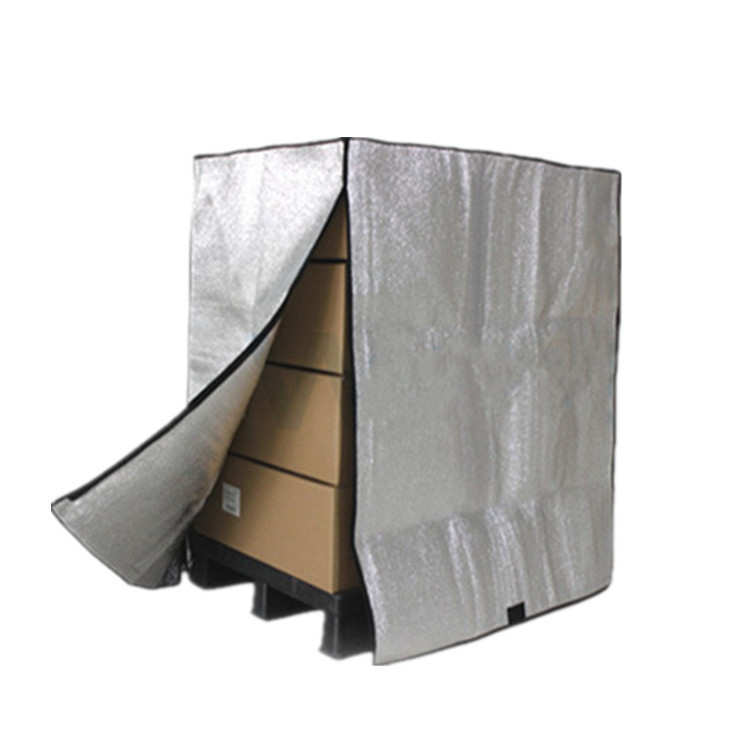
Um plano prático para caixa isolada a granel Envio com temperatura controlada
A compra de remessa de caixa isolada a granel mais segura e com temperatura controlada começa com um resumo de controle, não é uma amostra de caixa. Esse resumo indica o que o produto precisa, o que a rota pode fazer com ele, qual pacote será usado, que evidência é aceitável, e como as equipes de produção e armazém manterão a configuração estável. Esta abordagem evita dois atalhos caros: tratar o isolamento como controle automático de temperatura e tratar um protótipo de sucesso como prova de consistência na produção em massa. O resultado é um programa de embalagens que o setor de compras pode adquirir, qualidade pode defender, e os operadores podem repetir.
Escreva o resumo de remessa com temperatura controlada da caixa isolada a granel
Uma investigação vaga produz propostas vagas. "Precisa de uma caixa fria por três dias" não identifica uma condição de temperatura aprovada, estado inicial, carga útil, desafio ambiental, ou passar no critério. Também convida os licitantes a fazerem suposições diferentes, o que torna impossível comparar preços e durações informadas.
O resumo de controle deve começar com o rótulo do produto, informações de estabilidade, ou outro requisito de produto aprovado. Registre condições aceitáveis e sensibilidades conhecidas, como intolerância ao congelamento ou necessidade de permanecer congelado. Onde as decisões de excursão dependem do tempo e também da temperatura, o proprietário do produto deve definir como essas decisões serão tomadas. Um fornecedor de embalagens não deve inventar limites de aceitação de produtos.
Descreva a carga útil como ela realmente será enviada. Incluir dimensões do pacote primário e secundário, massa, condição inicial, orientação, cargas mínimas e máximas, e qualquer separação necessária. Em seguida, mapeie o percurso desde o início da embalagem até que o destinatário possa colocar o produto em armazenamento adequado. O trânsito planejado é apenas parte desse relógio. Janelas de coleta da transportadora, permanência no hub, alfândega, fins de semana, tentativas de entrega, e o atraso na desembalagem pode determinar o verdadeiro desafio.
As informações ambientais devem estar vinculadas à pista e à estação. Se os dados históricos da rota estiverem disponíveis, use-os para identificar exposições confiáveis ao calor e ao frio. Se forem usados perfis térmicos padronizados, documentar por que eles são apropriados e se são necessários testes adicionais específicos da rota. Evite selecionar um teste extremo simplesmente para tornar o número impressionante; o perfil deve apoiar uma decisão.
Finalmente, restrições operacionais estaduais. O site de envio pode congelar, frio, ou condicionar refrigerantes de forma consistente? Quanto espaço de preparação está disponível? Quem embala a caixa, e quanta complexidade a linha pode sustentar? Os processos de manuseio de gelo seco e de mercadorias perigosas estão disponíveis? O destinatário devolve ativos? Um pacote tecnicamente capaz que a rede não consegue executar não é uma solução viável.
Projete o pacote em torno dos modos de falha
A transferência de calor encontra o caminho fraco. Painéis de parede largos podem funcionar bem enquanto as juntas da tampa, cantos, penetrações, ou lacunas de montagem dominam a caixa acabada. Por esse motivo, selecione o isolamento depois de considerar a geometria completa. Espumas expandidas moldadas podem fornecer formas leves e recursos de localização de componentes. Painéis de espuma rígida podem suportar outros métodos de construção. Painéis de isolamento a vácuo podem fornecer forte resistência através de espessura limitada, mas suas bordas e envelopes protetores exigem um design cuidadoso. Elementos de fibra e refletivos podem ser úteis em alguns sistemas, sujeito à umidade, espaçamento, e evidência de pacote finalizado.
O refrigerante é igualmente condicional. Pacotes à base de água, tijolos rígidos, materiais especializados de mudança de fase, e gelo seco atendem a diferentes necessidades. O comportamento da fase, condição inicial, quantidade, localização, e a separação do produto influenciam as zonas quentes e frias. Adicionar componentes mais frios pode aumentar o risco de congelamento próximo às superfícies de contato. Adicionar mais componentes pode reduzir a capacidade de carga útil e complicar o condicionamento. Cada mudança precisa de julgamento de engenharia, em vez de uma avaliação geral "mais é mais seguro" regra.
Projete contra erros previsíveis:
- Um componente é colocado na orientação errada.
- Uma carga útil parcial se afasta do local pretendido.
- A tampa parece fechada, mas não está totalmente encaixada.
- Os refrigerantes são removidos do condicionamento muito cedo.
- As peças de verão e inverno são misturadas em uma estação de embalagem.
- Um painel reutilizável danificado retorna ao serviço.
- Uma instrução obsoleta permanece ao lado da atual.
Codificação mecânica, ordem de camada simples, rótulos inequívocos, verificações de contagem de componentes, e uma confirmação de fechamento visível pode tornar a embalagem mais tolerante. Esses recursos podem oferecer maior confiabilidade prática do que um projeto complexo cujo sucesso depende de uma memória perfeita.
Um comprador a granel típico pode ter uma carga útil pequena de alto volume e uma carga útil grande menos frequente. Usar a caixa grande para ambos parece mais simples, mas a pequena carga pode se mover, criar espaços de ar variáveis, e consumir refrigerante desnecessário e cubo de carga. Uma melhor avaliação compara um formato pequeno dedicado com uma inserção controlada para a plataforma maior. A escolha deve ser baseada em evidências térmicas, risco de erro de embalagem, carga de estoque, e custo total entregue, não apenas a contagem de caixas.
Use uma escada de evidências antes de liberar o volume
As evidências devem se tornar mais específicas à medida que a decisão se aproxima do lançamento. Propriedades de materiais ajudam a exibir conceitos. Os desenhos e tolerâncias dos componentes mostram se o projeto pode ser produzido. Testes de desenvolvimento revelam prováveis locais quentes e frios. Os testes de qualificação desafiam a configuração completa. Pilotos de estações de embalagem e distribuição revelam erros operacionais. A inspeção da produção e a revisão periódica mostram se o estado aprovado continua.
| Portão de liberação | Pergunta para responder | Evidência mínima útil | Condição de parada |
|---|---|---|---|
| Conceito | O projeto pode se ajustar de forma plausível à carga útil e à rota?? | Geometria preliminar, justificativa material, conceito de refrigerante | A carga útil utilizável ou o condicionamento do site são incompatíveis |
| Amostra de produção | A unidade proposta é representativa e repetível?? | Desenho controlado, materiais, tolerâncias, verificações do primeiro artigo | A origem ou construção da amostra não pode ser confirmada |
| Revisão térmica | O pacote definido atende ao desafio declarado? | Protocolo aprovado e relatório com configuração, sensores, perfil, e critérios | A reivindicação não possui condições de teste ou os locais exigidos falham |
| Piloto operacional | A equipe normal pode executá-lo e recebê-lo? | Observações, registro de erro, revisão de instruções, exercício de exceção | Etapas críticas permanecem ambíguas ou inseguras |
| Liberação em massa | O primeiro lote corresponde ao estado aprovado? | Identidade do lote, inspeções acordadas, alterar status, registros retidos | Mudança não aprovada ou não conformidade não resolvida |
Esta escada evita que uma folha de dados de material seja usada como prova de embalagem e evita que um teste de câmara seja tratado como uma auditoria de produção. Cada porta aborda uma incerteza diferente. Um comprador pode escalar a formalidade para o risco do produto, mas pular a pergunta não elimina o risco.
Padrão ISTA 20 pode fornecer uma estrutura de processo para contêiner de transporte isolado qualificação, e o ISTA 7E oferece perfis térmicos padronizados para desafios de entrega de encomendas. Orientação da OMS para o tempo- e produtos farmacêuticos sensíveis à temperatura abordam a qualificação de contêineres de transporte, perfil de rota, e monitoramento de transporte. As Boas Práticas de Distribuição da UE e materiais de risco de distribuição da USP também podem informar os sistemas de qualidade farmacêutica. A abordagem aplicável depende do produto, região, rota, e procedimento da empresa; nomear um padrão não torna uma caixa universalmente compatível.
Um relatório térmico útil identifica a revisão exata do pacote, estado da amostra, carga útil ou simulador justificado, condições iniciais, perfil ambiente, duração, condicionamento de refrigerante, localizações do registrador e status de calibração, Critérios de aceitação, Resultados, e desvios. Se um fornecedor não puder mostrar as condições por trás de uma declaração de tempo de espera, converter essa declaração em um item de verificação aberto em vez de um fato de compra.
Produção de bloqueio, Documentos, e embalar estações juntas
O fornecimento em massa cria três fontes de deriva. A fábrica pode alterar materiais ou configurações de processo, documentos controlados podem mudar, e estações de embalagem podem adaptar o método informalmente. Um programa estável conecta todos os três.
Ferramentas úteis de decisão
Verifique os detalhes antes de escolher a embalagem
Essas ferramentas rápidas podem ajudá-lo a comparar o risco da rota, necessidades de dimensionamento, escolhas de refrigerante, e detalhes da embalagem antes de solicitar um orçamento.
Calculadora de gelo seco
Estime as necessidades de gelo seco para remessas congeladas ou ultrafrias antes de embalar.
Estimar gelo secoCalculadora de bolsa de gelo
Estime a quantidade de bolsas de gelo em gel para remessas refrigeradas e planejamento prático de rotas.
Estimar bolsas de geloRefrigerante & Referência PCM
Compare as opções de refrigerante e PCM quando uma rota precisar de suporte adicional de temperatura.
Comparar opçõesA especificação de compra deve fazer referência ao desenho e revisão aprovados, dimensões críticas, descrições de materiais, recursos de fechamento, contagem de componentes, limites de aparência ou danos, rotulagem, identificação do lote, e registros acordados. Deve também definir notificação de mudança. Mudanças no isolamento, resina, fonte do painel, filme, adesivo, refrigerante, ferramentas, local de fabricação, ou dimensões podem afetar o desempenho e devem ser revisadas antes da implementação de acordo com o risco.
A consistência da amostra até a produção precisa de uma porta deliberada. Aprovar amostras feitas com as ferramentas e materiais pretendidos sempre que possível. Revise o primeiro lote de produção antes do uso irrestrito. Mantenha uma referência controlada ou critérios de inspeção claros para que as equipes que chegam saibam o que "corresponde à aprovação" significa. Uma amostra dourada sozinha pode envelhecer ou ser interpretada de forma diferente, então combine-o com desenhos e características mensuráveis.
No armazém, emitir uma instrução por configuração aprovada. As fotografias podem mostrar a ordem das camadas, mas os valores críticos e as etapas de aceitação devem permanecer em texto controlado. Definir condicionamento do líquido refrigerante, tempo máximo de transferência, quando relevante, faixa de carga útil, sequência de componentes, verificação de fechamento, posicionamento da etiqueta, monitorar início e posição quando usado, e aprovação final. Treine para exceções e também para casos normais: componente ausente, caixa danificada, carga errada, refrigerante indisponível, transportadora atrasada, ou monitor que não inicia.
Receber instruções fecha o ciclo. O destinatário pode precisar inspecionar recursos de danos e adulteração, localize o monitor, mover o produto para armazenamento controlado, relatar um alarme, reter provas, e devolver componentes reutilizáveis. Se ninguém for dono dessas etapas, os dados de qualificação podem não proteger a transferência final.
Para um sistema reutilizável, definir compatibilidade de limpeza, secagem, inspeção, autoridade de reparo, e aposentadoria. Uma caixa não é reutilizável apenas porque sobrevive a outra viagem. Deve estar apto para o próximo uso definido. Acompanhe as devoluções por ativo ou lote, conforme apropriado, e investigar perdas ou danos repetidos antes de aumentar a vida útil esperada em um modelo de custo ou sustentabilidade.
Gerencie o programa com um scorecard útil
O preço unitário é uma métrica fraca do programa. Meça os fatores que revelam controle e custo total: remessas por configuração, desvios de embalagem, dano, alarmes de temperatura, dados faltantes, entregas tardias, entrega na primeira tentativa, tempo de disposição do produto, inventário de caixas, disponibilidade de refrigerante, taxa de retorno reutilizável, rejeição de limpeza, desperdício por material, e não conformidade do fornecedor. Nem toda operação precisa de todas as métricas. Selecione aqueles vinculados a modos de falha e decisões importantes.
Resultados de tendências por faixa e configuração em vez de combiná-los em uma média global. Uma taxa de alarme geral estável pode ocultar uma rota difícil no aeroporto ou uma estação de carga única usando instruções obsoletas. Analisar quase acidentes, como um defeito de fechamento detectado antes do envio, porque expõem fraquezas do sistema sem perda de produto.
A modelagem de custo total deve incluir a quantidade de carga útil vendável por cubo externo, frete, armazenamento de entrada, energia e equipamentos de condicionamento de refrigerante, trabalho, treinamento, monitoramento, disposição, logística reversa, limpeza, reparar, perdas, investigações, e risco do produto. Use intervalos onde o retorno ou atraso futuro seja incerto. Não afirme que um sistema reutilizável é mais barato ou mais ecológico até que o ciclo real seja modelado.
A sustentabilidade pertence ao mesmo scorecard. A abordagem de materiais de ciclo de vida da EPA apoia a análise do uso de materiais desde a produção até a reutilização e o fim da vida útil. Para embalagem, a eficácia protetora faz parte dessa visão. Dimensionamento correto, componentes separáveis, rotas de recuperação locais confiáveis, retornos eficientes, e danos menores podem ser mais significativos do que um amplo rótulo ambiental. Documente os limites geográficos e operacionais de qualquer reclamação.
A governação não precisa de se tornar lenta. Estabeleça um pequeno grupo de proprietários multifuncional, uma lista de configuração aprovada, gatilhos de mudança definidos, e uma revisão regular de exceções. A reavaliação pode ser necessária quando o produto, carga útil, rota, operadora, site de pacotes, fornecedor, componente, monitor, ou alterações regulamentares. A profundidade da revisão deve seguir o risco.
Perguntas frequentes
Qual é o primeiro documento a ser criado para um projeto de caixa isolada em massa?
Crie um resumo de controle que identifique as condições do produto, configurações de carga útil, desafio de rota e atraso, restrições operacionais, evidência necessária, e padrão de pedido esperado. Isto dá aos fornecedores uma base comum para propostas e dá às equipes internas um registro de suposições. Mais tarde, pode se tornar a base para a especificação de compra e o protocolo de qualificação.
Uma qualificação pode abranger vários tamanhos de caixas ou pacotes??
Somente quando um documento, abordagem tecnicamente justificada apoia o agrupamento. Mudanças na geometria, área da parede, refrigerante, carga útil, e o espaço aéreo podem alterar o comportamento térmico. Uma estratégia de agrupamento ou matriz pode reduzir os testes, mas os extremos selecionados e a lógica de aceitação devem ser aprovados. Não presuma que passar pela caixa maior cobre automaticamente a menor.
Quem deve aprovar uma reivindicação de tempo de espera?
O fornecedor pode fornecer evidências de teste, mas a qualidade apropriada e os proprietários técnicos do comprador devem decidir se a configuração, perfil, duração, carga útil, e os critérios representam o uso pretendido. O texto de marketing não é uma base de aprovação. A reivindicação final deve manter suas condições e limitações para que não seja reutilizada em uma via ou produto diferente.
O que deve desencadear a requalificação?
Os gatilhos podem incluir alterações nos requisitos do produto, carga útil, dimensões da caixa, isolamento, refrigerante, fonte, ferramentas, conjunto, site de pacotes, condicionamento, rota, operadora, perfil, monitor, ou desvios repetidos. Nem toda mudança requer um programa de testes completo. Uma avaliação de risco documentada deve determinar se a revisão, verificação direcionada, ou uma requalificação mais ampla é apropriada.
Conclusão
Um programa confiável de remessa de caixas isoladas a granel com temperatura controlada é construído por meio de cinco controles conectados: um resumo preciso da remessa, um pacote projetado em torno dos modos de falha, uma escada de evidências, documentos de produção e operação bloqueados, e um scorecard que expõe o desvio. Este método preserva as vantagens práticas da compra a granel sem tratar uma caixa, material, registrador, ou nome de teste como garantia.
Antes de solicitar orçamentos finais, peça a cada licitante que responda ao mesmo resumo de controle e identifique todas as suposições. Essa única etapa faz o ajuste técnico, qualidade da evidência, carga útil utilizável, carga operacional, e termos comerciais muito mais fáceis de comparar.
Sobre Tempk
Suprimentos temporários embalagem da cadeia de frio formatos e componentes que incluem Caixas isoladas em EPP, caixas de transporte frio, forros isolados, bolsas térmicas, Tampas de paletes, pacotes de gel, e Pacotes de gelo seco. Podemos usar uma rota de comprador, carga útil, processo de manuseio, e condições necessárias para discutir quais categorias são candidatas sensatas para avaliação. Não tratamos a lista de componentes como prova de um pacote finalizado. O sistema selecionado deve ser apoiado por testes representativos da produção, instruções controladas, e a revisão de qualidade apropriada ao embarque.
CTA: Compartilhe seu resumo de controle com a Tempk para comparar candidatos a embalagens a granel e definir as questões que devem ser respondidas antes do lançamento da produção.