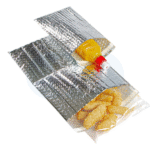
Atualizado: Agosto 13, 2025. Se você usar bolsas de gelo seco para envio de chocolate, este guia mostra como manter o produto firme, lustroso, e compatível - sem congelá-lo. Você aprenderá uma embalagem híbrida que armazena o produto entre 15 e 18°C, a quantidade certa de gelo seco para pistas de 24 a 72 horas, e o 2025 regras de aceitação que impedem rejeições na licitação. (Este guia consolida e eleva seus três rascunhos.)
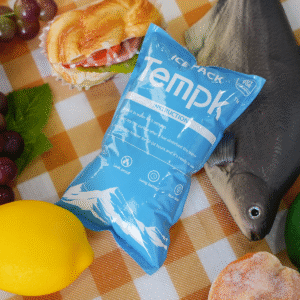
Quando usar bolsas de gelo seco para transportar chocolate em pistas quentes sem causar florescimento
Como embalar e etiquetar um remetente híbrido compatível (passo a passo)
Quanta gelo seco você realmente precisa de rotas de 24 a 72 horas (estimador rápido)
Qual refrigerante escolher—gelo seco vs gel vs 15–25°C PCM—para sua pista
O que mudou em 2025 (Lista de verificação IATA, Clareza do USPS, nova pesquisa sobre chocolate)
Quando você deve usar bolsas de gelo seco para enviar chocolate?
Use uma abordagem híbrida – gel ou PCM a 15–20°C ao redor do chocolate, além de uma pequena camada de gelo seco na parte superior – para adicionar espaço contra o calor sem congelar. As próprias operadoras aconselham pacotes de gel para “frio” e gelo seco para “congelado,”portanto, um híbrido protege a qualidade do chocolate, evitando textura quebradiça.
Por que funciona: O gelo seco absorve muito calor à medida que sublima (~571kJ/kg, por NIST), portanto, uma pequena quantidade mantém seus géis eficazes durante a parte mais quente do dia 1, enquanto o PCM/gel mantém um microclima suave e “fresco” ao redor das barras.
Pacote híbrido com PCM de 15–20°C – quando isso ajuda?
PCMs direcionados a 15–25 ° C. são comuns agora e qualificados para perfis térmicos ISTA. Eles amortecem as oscilações de temperatura que causam a proliferação de açúcar/gordura e reduzem o risco de resfriamento excessivo próximo ao gelo seco. Escolha soluções qualificadas em relação aos perfis ISTA 7E/7D para ciclos realistas de quente/frio.
| Escolha do refrigerante | Melhor para | Regra geral | O que isso significa para você |
|---|---|---|---|
| Pacotes de gel (0 ° C PCM) | Manter legal, não congelado | Dimensionar géis para carga útil; pistas noturnas | Menor risco de floração; conformidade simples. |
| Gelo seco (E 1845) | Calor extremo / congelado | Adicionar pequeno camada superior; ventilação & rótulo | Grande altura livre de calor; requer rótulo Class9 + E 1845. |
| 15–25°CPCM | Faixa de temperatura ambiente estável | Cinto ao redor do produto | Amortece picos, protege o brilho & foto. |
Dicas práticas que você pode usar hoje
Navio de seg Para evitar que o fim de semana esteja; muitos chocolateiros fazem exatamente isso.
Dimensione corretamente o remetente para reduzir o espaço vazio; forros refletivos ajudam em pistas de 24 a 48 horas.
Mantenha a umidade relativa baixa e evite choque frio para evitar o florescimento; meta 12–18°C e <50–60% UR.
Caso real: Mudando para um híbrido (15 Correia PCM °C + pequena camada superior de gelo seco) e despacho de segunda a quarta reduziu drasticamente as reivindicações de degelo no verão em uma pista de 34°C, mantendo temperaturas em trânsito de 14 a 18°C.
Quantos pacotes de gelo seco para enviar chocolate você precisa?
Resposta curta: Comece pequeno -5–15% do peso da carga útil em gelo seco só em cima, separados por uma barreira rígida. Deixe os géis/PCM fazerem o trabalho principal enquanto o gelo seco cobre os picos ambientais. Aumentar +5% para >35 Pistas °C; reduzir -5% para rotas suaves.
Por que isso funciona: O gelo seco tem um calor latente muito alto (~571kJ/kg) e cada libra libera ~250 L de gás CO₂-resfriamento poderoso, mas você deve deixar o gás escapar.
Estimador rápido de 24 a 72 horas (copiar/colar)
Use um registrador de dados para validar e ajustar em ±15–25% sua pior rota antes de escalar.
Como embalar bolsas de gelo seco para transportar chocolate com segurança (e em conformidade)
Passo a passo:
Componentes de condição. Congelar géis; PCMs de estágio por especificação; pré-resfriar o expedidor.
Embrulhar produto, controlar a umidade. Saco de chocolate; adicionar preenchimento de vazio leve; mantenha a UR baixa para evitar o florescimento do açúcar.
Construa o “casulo de gel/PCM”. Envolva o chocolate com géis/PCMs de 15–20°C.
Insira uma barreira rígida. Placa/cartão de espuma para bloquear a pluma de -78,5°C.
Adicione gelo seco apenas por cima. Nunca toque no produto; garantir a ventilação (49 CFR173.217).
Marca & rótulo. E 1845, rede seca kg, Classe9 diamante; siga o 2025 Lista de verificação de aceitação da IATA (PI954) em concurso.
Ferramentas úteis de decisão
Verifique os detalhes antes de escolher a embalagem
Essas ferramentas rápidas podem ajudá-lo a comparar o risco da rota, necessidades de dimensionamento, escolhas de refrigerante, e detalhes da embalagem antes de solicitar um orçamento.
01Risco de rotaVerificador de risco de rota
Revise as condições da pista antes de selecionar a embalagem para requisitos operacionais reais.
Verifique o risco da rota02Escolha da embalagemSeletor de embalagens
Compare opções de embalagens isoladas por produto, rota, e necessidade de temperatura.
Encontre embalagens03Lidando com riscoResistência à queda de material de isolamento
Revise a resistência à queda e os fatores de manuseio antes de escolher materiais de isolamento.
Verifique a resistênciaEscolher serviço & expedição. Pernoite sempre que possível; evite esperas no fim de semana.
Pacotes de gelo seco para envio de chocolate versus pacotes de gel versus PCM – o que é certo?
Pacotes de gelo seco para envio de chocolate: adiciona margem de calor poderosa; deve ventilação e etiqueta; visa evitar o congelamento, não cause isso.
Pacotes de gel (0 ° c): mais simples para entregas “legais”; as transportadoras os recomendam para produtos perecíveis não congelados.
15–25°CPCM: estabiliza a qualidade (lustro, foto) e amortece picos; agora amplamente disponível e qualificado para perfis térmicos ISTA.
Guarda-corpos Bloom: Armazene e envie perto 12–18 ° C. no <50–60% UR para reduzir o florescimento de açúcar/gordura; evite ciclos de temperatura.
Operadora & regras regulatórias para embalagens de gelo seco para transporte de chocolate (2025)
Aqui está o PI954 (ar): E 1845 (Dióxido de carbono, sólido), embalagem ventilada, marca Peso líquido (kg). ≤200kg/pacote; use o 2025 Lista de verificação de aceitação. (As variações do operador podem ser mais rigorosas.)
USPS (ar doméstico): gelo seco permitido com Instruções de embalagem 9a; limite comum ≤5lb por correio; proibido internacionalmente.
PONTO 49CFR173.217 (NÓS. chão): pacote deve permitir a liberação de gás; Sem recipientes herméticos.
Prática FedEx/UPS: correto Classe9 rótulo + E 1845 com kg net; algumas rotas da UPS impõem limites mais baixos do que o IATA – confirme.
Segurança de exposição: CO₂ TWA 5,000 ppm; DEFINIR 30,000 ppm—navio em espaços ventilados; nunca sele gelo seco em volumes confinados.
2025 tendências em embalagens de gelo seco para transporte de chocolate
Chocolate resistente ao calor: Novos programas de trabalho revisados por pares protocolos de cura e aditivos podem manter a estrutura em 33–55ºC, mas o sabor/aparência ainda se beneficia do envio controlado.
Aceitação padronizada: Aqui está 2025 Lista de verificação de aceitação agiliza as verificações de contador para remessas de gelo seco com cargas úteis não GD, como confeitos.
Adoção de PCM: Mais amplo 15–25°CPCM portfólios e ISTA‑expedidores qualificados tornar o buffer ambiente mainstream para confeitos.
Disciplina operacional: Mais marcas são enviadas Seg a Quarta e adicione sobretaxas para clima quente para financiar géis/liners nos meses quentes.
Perguntas frequentes
O gelo seco vai estragar o chocolate?
Não se você separar isto. Mantenha um casulo de gel/PCM ao redor do produto e coloque um pequena camada de gelo seco no topo com um espaçador rígido; evite contato direto e choque frio.
Quão frio deve estar o chocolate em trânsito?
Objetivo para 15–18 ° C. (59–65°F) com RH <50–60% para proteger o brilho e quebrar e reduzir o brilho.
Quanto gelo seco por 24–48h?
Comece em 5–15% do peso da carga útil, em seguida, valide com um registrador de temperatura e ajuste por faixa (+/−15–25%).
Quais rótulos são necessários?
Marca E 1845 e Peso da rede de gelo seco (kg) e aplique o Classe9 diamante; siga o IATA 2025 Lista de verificação de aceitação.
Posso enviar gelo seco pelo USPS?
Sim, para ar doméstico até 5 Libra sob PI9AA; sem correio internacional. A embalagem deve liberar CO₂.
O gelo seco é perigoso em caixas seladas?
Sim. Cada libra pode liberar ~250 L de CO₂; a ventilação é obrigatória.
Resumo & Recomendações
Resumindo: Pacotes de gelo seco para envio de chocolate trabalhar melhor em um híbrido pacote. Deixe os géis/PCMs manterem a zona do produto; use a pequeno, ventilado camada de gelo seco na parte superior para picos de calor; rótulo e marca por IATA/USPS/DOT. Enviar rápido, validar com um registrador, e evite fins de semana.
PRÓXIMOS PASSOS (seu plano rápido):
Pilote uma pista quente esta semana com o estimador acima e um registrador.
Mudar para envio de segunda a quarta para o verão.
Adicione uma esteira PCM de 15–20°C à sua embalagem de gelo seco atual.
Marca E 1845 + kg líquido e mantenha os caminhos de ventilação abertos (49 CFR173.217).
Sobre Tempk
Nós projetamos simples, pacotes testados para pistas complexas. Nossos engenheiros misturam gelo seco, 15–20°C PCM, e isolamento premium para atingir sua meta de qualidade com menos reclamações, e nós trazemos Aqui está o PI954 / USPS PI9A prontidão para cada projeto. Reserve um simulação de pista livre e adaptaremos um pacote compatível com suas rotas e orçamento.