Recipiente de armazenamento EPP durável: Uma estrutura de decisão para reutilização real
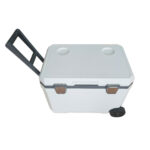
Um durável Recipiente de armazenamento EPP deverá retornar da rota pronto para outro uso controlado. Esse resultado requer mais do que espuma resistente a impactos. A caixa deve caber na carga útil, transportar cargas através de caminhos estruturais seguros, feche e empilhe consistentemente, sobreviver ao processo de limpeza aprovado, permanecer identificável, e ser apoiado por um loop de retorno que evita perdas. O polipropileno expandido fornece um material inicial forte porque é leve, resiliente, absorção de energia, e isolante. A tarefa do comprador é converter essas propriedades gerais em evidências para uma aplicação definida.
Primeira decisão: qual trabalho o contêiner possui?
Evite começar com um volume de catálogo ou uma dimensão externa. Defina a responsabilidade do contêiner em uma frase. Pode organizar ferramentas de serviço, proteger peças frágeis entre fábricas, transportar mantimentos em uma rota local, guarde suprimentos de laboratório, ou servir como invólucro isolado em um pacote de controle de temperatura passivo. Esses trabalhos exigem superfícies diferentes, fechamentos, inserções, controles de higiene, e testes.
Separe o contêiner das funções entregues por outros componentes. EPP pode fornecer amortecimento e resistência térmica, mas não resfria ativamente um produto. Um registrador de dados registra condições; não protege a temperatura. Uma embalagem de papelão ondulado adiciona etiqueta e proteção contra abrasão; não melhora automaticamente a restrição interna. Uma inserção moldada organiza e amortece; pode não suportar carregamento de pilha. Limites claros evitam que a citação se torne uma coleção de promessas implícitas.
Escreva o envelope de uso antes de falar com fornecedores. Incluir dimensões e massa da carga útil, orientação, pontos frágeis, acesso necessário, condições normais e de pico da pilha, método de elevação, modo de transporte, exposição de limpeza, temperatura de armazenamento, encenação ao ar livre, rota de retorno, e qualquer expectativa regulatória ou de documentação. Use uma faixa onde a carga varia. Marque as condições que são obrigatórias e as condições que são meramente preferidas.
Segunda decisão: caixa padrão, plataforma modificada, ou ferramenta personalizada?
Uma caixa EPP padrão costuma ser a escolha de menor risco quando sua área ocupada, cavidade, e tampa já cabem na operação. Não há atraso de ferramental, amostras são mais fáceis de obter, e peças de reposição podem estar mais disponíveis. O compromisso é o espaço não utilizado ou uma interface de carga útil menos precisa.
Uma plataforma modificada usa um shell padrão com inserções personalizadas, divisores, alças, rótulos, ou uma mochila. Esta abordagem pode preservar uma geometria externa comprovada enquanto adapta o interior. Funciona bem quando os produtos mudam ou vários kits compartilham uma área logística. O comprador deve confirmar que as peças removíveis não podem migrar, fechamento de bloco, ou criar pontos de forte impacto.
Um molde personalizado torna-se razoável quando o volume, estabilidade de rota, economia de espaço, manuseio repetido, ou recursos integrados justificam o compromisso. A personalização pode moldar a cavidade, criar suportes dedicados, alinhar recursos de pilha, etiquetas de recesso, e otimizar dimensões externas. Também cria propriedade de ferramentas, revisão, execução mínima, amostragem, e questões de controle de mudanças. Um formato personalizado deve resolver um problema operacional que não pode ser resolvido economicamente com uma plataforma padrão.
A decisão deve considerar a vida útil do produto. Uma cavidade altamente específica é eficiente para um produto estável, mas pode se tornar obsoleta após uma pequena revisão do projeto. Insertos intercambiáveis ou uma cavidade modular podem custar um pouco mais no início e proteger o investimento.
Terceira decisão: como as cargas viajarão pela caixa?
Olhe o desenho como se o material fosse transparente. Rastreie a carga de elevação da alça até a base. Rastrear a carga da pilha do contêiner superior até o chão. Trace um impacto de canto no curso de amortecimento e no suporte de carga útil. Qualquer força que pare em um lábio fino, entalhe afiado, projeção estreita, ou painel da tampa sem suporte merece atenção.
Um design durável geralmente usa paredes contínuas, raios generosos, amplas transições, e seções locais reforçadas. A tampa deve ser posicionada de forma confiável, sem bordas delicadas. As alças devem caber na mão e na luva esperadas e não devem incentivar os operadores a levantá-las pela tampa. Os recursos da pilha devem ser registrados sem vinculação e permanecer acessíveis em paletes ou racks. A base deve ficar plana e tolerar o piso real, transportador, carrinho, ou superfície do veículo.
A geometria interna é igualmente importante. Apoie o produto em superfícies fortes e proteja características fracas com folga. Evite movimentos antes de adicionar mais espuma. Organize acessórios soltos. Permita que os operadores embalem e removam a carga sem se intrometer, conectores de flexão, ou tocar em superfícies sensíveis. Um recipiente que protege bem em laboratório, mas é difícil de usar, será embalado de forma inconsistente na produção.
Não selecione densidade ou espessura de parede isoladamente. O fornecedor deve propor uma faixa de classe e densidade com base na rigidez, amortecimento, moldagem, temperatura, e geometria. O comprador deverá avaliar o projeto acabado sob condições representativas.
Quarta decisão: que evidência contará como "durável"?
A durabilidade deve ser observável. Crie aceitação em torno dos modos de falha que importam: danos ao produto, desengate da tampa, lidar com rasgamento, instabilidade básica, colapso da pilha, inserir movimento, deformação permanente, contaminação, ou perda de identificação.
| Camada de evidências | O que isso pode responder | O que não pode responder sozinho |
|---|---|---|
| Informações técnicas de materiais | Propriedades gerais e seleção de notas | Caixa acabada ou desempenho de carga útil |
| Revisão de desenho e projeto | Ajustar, carregar caminhos, seções mínimas, interfaces | Consistência de moldagem e comportamento de campo |
| Inspeção de amostra moldada | Dimensões, encerramento, ergonomia, mão de obra | Desempenho de distribuição ao longo do tempo |
| Testes mecânicos embalados | Resposta ao choque selecionado, vibração, ou riscos de compressão | Cada rota e cada comportamento do operador |
| Teste de limpeza e reutilização | Compatibilidade, secagem, inspeção, repetir manuseio | Perda de frota a longo prazo e economia de retorno |
| Piloto de campo controlado | Tempo de ciclo real, dano, usabilidade, e recuperação | Desempenho futuro ilimitado após alterações |
Use as camadas juntas. Uma folha de material sem um teste compactado deixa a questão da carga útil sem resposta. Uma visita de campo bem-sucedida sem inspeção definida pode deixar passar danos funcionais ocultos. Um passe de laboratório não justifica mudanças descontroladas na produção.
Procedimentos de distribuição de organizações como ISTA e práticas como ASTM D4169 podem apoiar testes estruturados. A seleção deve corresponder ao produto embalado, rota, e objetivo de decisão. O teste ISTA destina-se a um produto embalado específico, em vez da certificação de um material isolado. O novo teste é apropriado quando o produto, embalagem, ou mudanças no processo podem afetar o desempenho.
Quinta decisão: a limpeza preservará o ativo?
Um contêiner reutilizável passa por estados sujos e limpos. Defina a transição. Quem esvazia? Onde os rótulos e revestimentos são removidos? Qual detergente ou desinfetante é usado? Qual temperatura da água, tempo de contato, ação mecânica, limpar, e método de secagem se aplicam? Como as caixas limpas são protegidas contra recontaminação?
A estrutura de células fechadas e a resistência química do EPP podem ser úteis, mas eles não tornam todas as superfícies ou componentes anexados compatíveis com todos os processos de lavagem. As etiquetas podem levantar. As áreas impressas podem desgastar. As tiras podem reter a umidade. Reentrâncias profundas podem prender o solo. Superfícies celulares danificadas podem se tornar mais difíceis de inspecionar. Teste o artigo completo através de limpezas repetidas antes da aprovação.
A inspeção deve ser rápida o suficiente para acontecer. Use um padrão visual de uma página ou um conjunto de amostras marcadas. Verifique os pontos de alto risco em uma ordem consistente: identidade, odor e sujeira visível, tampa e aro, alças, cantos, base, recursos de pilha, inserções, e quaisquer interfaces de pacotes térmicos. Definir categorias de disposição. Os operadores devem saber quando uma caixa está pronta, precisa de nova limpeza, pode ser reparado, deve ser restrito, ou deve ser aposentado.
Para contato com alimentos ou outro uso controlado, obter documentação para o material exato e as condições pretendidas. As regras europeias exigem que os materiais em contacto com alimentos cumpram os princípios de segurança e inércia e sejam fabricados de acordo com boas práticas; materiais plásticos têm requisitos específicos adicionais. Os Estados Unidos também regulamentam substâncias utilizadas em artigos em contato com alimentos com base no uso pretendido. Estas estruturas não suportam uma conclusão geral apenas da palavra polipropileno.
Sexta decisão: a produção pode repetir a amostra aprovada?
A amostra aprovada deve ser uma referência de engenharia controlada, não é a melhor parte de um julgamento não registrado. Vincule-o ao desenho, Grau EPP, cor, densidade ou designação de processo, revisão de ferramenta, inserções, rótulos, e critérios de aceitação. Registre a condição de medição e a data da amostra.
O controle de entrada deve se concentrar nas características funcionais. As dimensões gerais não são suficientes. Verifique o tamanho da abertura, cavidade utilizável, engate da tampa, planicidade da base, registro de pilha, folga da alça, inserir ajuste, e pontos de contato críticos. O peso ou a aparência da peça podem ser sinais úteis do processo, mas eles não devem substituir a função.
Pergunte ao fornecedor como ele controla a fusão do cordão e o condicionamento dimensional. Pergunte quais defeitos são aceitáveis, que exigem retrabalho, e que rejeitam a parte. Confirme a identificação e rastreabilidade do lote. O objetivo não é impor burocracia desnecessária; é para evitar que um lote posterior se ajuste de maneira diferente ou falhe em uma seção fraca oculta.
Ferramentas úteis de decisão
Verifique os detalhes antes de escolher a embalagem
Essas ferramentas rápidas podem ajudá-lo a comparar o risco da rota, necessidades de dimensionamento, escolhas de refrigerante, e detalhes da embalagem antes de solicitar um orçamento.
Gerador de lista de conformidade
Crie uma lista de verificação prática para revisão de embalagens, envio, e documentação.
Lista de verificação de construçãoAvaliador de risco da rota
Revise as condições da pista antes de selecionar a embalagem para requisitos operacionais reais.
Verificar risco da rotaResistência à queda de material de isolamento
Revise a resistência à queda e os fatores de manuseio antes de escolher materiais de isolamento.
Verifique a resistênciaO controle de mudanças merece uma regra escrita. Grau do material, concentrado de cor, conteúdo reciclado, localização do molde, reparação de ferramentas, parâmetros de moldagem, aparar, hardware, etiqueta adesiva, e método de embalagem podem influenciar o resultado. Nem todo ajuste exige requalificação total, mas as alterações relevantes devem ser revisadas antes do envio. Compatibilidade com tampas anteriores, inserções, e a geometria da pilha é especialmente importante em uma frota crescente.
Sétima decisão: o ciclo de reutilização justifica o design?
UM caixa reutilizável pode reduzir compras repetidas de embalagens, mas apenas os ciclos recuperados bem-sucedidos contam. Modele o fluxo real. Incluir tempo no remetente, no transporte, no receptor, aguardando coleta, na limpeza, em inspeção, e no armazenamento. O tamanho da frota deve cobrir unidades indisponíveis e variação de demanda.
Rastrear perda por ponto de transferência. Uma caixa perdida pode resultar de propriedade pouco clara, sem espaço de retorno, falha no rótulo, coleta inconveniente, ou um recipiente que o receptor deseja manter. Design e incentivos interagem. Uma caixa distinta é fácil de reconhecer, mas pode atrair a reutilização informal. Um depósito pode melhorar o retorno, mas adicionar administração. Um padrão agrupado pode melhorar a utilização, mas reduzir a liberdade de personalização.
O transporte vazio deve ser medido em volume, não peso. Fixo Caixas EPP são leves e volumosos. O aninhamento pode ajudar, mas deve ser avaliado para empilhamento carregado, limpeza, força de separação, e desgaste. O backhaul existente geralmente é mais eficiente do que uma coleção vazia dedicada. Localizar a limpeza perto de um centro de retorno natural pode encurtar o ciclo.
Calcule o custo por uso bem-sucedido com dados de campo conservadores. Incluir compra, alocação de ferramentas, identificação, limpeza, inspeção, logística de retorno, perda, reparar, e tratamento em fim de vida. Não confie em uma contagem teórica de reutilização não verificada. Atualize o modelo após o piloto.
Um resumo de aquisição que produz cotações comparáveis
Uma solicitação clara de cotação deve permitir que os fornecedores resolvam o mesmo problema. Incluir o envelope de uso, desenhos ou modelos de carga útil, massa embalada, condições de empilhamento e elevação, método de limpeza, arquitetura desejada, quantidade de amostra, processo de aprovação, e evidências esperadas. Peça aos fornecedores que identifiquem suposições em vez de escondê-las na linguagem de marketing.
A comparação deve abranger:
- corpo, tampa, inserções, divisores, rótulos, e escopo de overpack;
- ferramentas padrão versus personalizadas e propriedade de ferramentas;
- externo, interno, abertura, e dimensões utilizáveis;
- qualidade do material e qualquer opção de aditivo ou conteúdo reciclado;
- controles de produção e pontos críticos de inspeção;
- processo de amostra até produção e controle de mudanças;
- mecânico, térmico, limpeza, ou evidências de contato com alimentos relevantes para o projeto;
- embalagem de recipientes vazios, cubo de frete, e requisitos de armazenamento;
- tampas sobressalentes, inserções, e substituição de identificação;
- opções de separação e coleta de materiais em fim de vida.
O preço deve ser comparado somente depois que o escopo estiver alinhado. Um preço unitário baixo pode excluir inserções, inspeção, paletização protetora, ou manutenção de ferramentas. Uma cotação mais alta pode incluir controles que reduzem a interrupção em campo. A área de aquisição deve perguntar quais riscos permanecem com o comprador em cada opção.
Erros comuns e sua correção prática
Erro: comprando por litros nominais. O volume bruto pode ocultar a conicidade, raios, intrusão na tampa, e inserir perda. Corrija-o aprovando dimensões utilizáveis com a carga útil real.
Erro: chamando a resiliência do material de garantia de reutilização. Corrija-o com manuseio repetido, limpeza, e critérios de aceitação de campo.
Erro: tornando a caixa universal. Uma cavidade grande pode aumentar o movimento, demanda de refrigerante, cubo de frete, e variação do operador. Use uma família de tamanhos ou inserções modulares.
Erro: testando uma caixa vazia. Massa embalada e distribuição de teste, em seguida, inspecione a função do produto.
Erro: ignorando a rota de retorno. Design para transporte vazio, propriedade, digitalização, limpeza, e quarentena antes de comprar uma frota grande.
Erro: aceitando "qualidade alimentar" ou "certificado" sem escopo. Revise o material exato, artigo, condição de uso, mercado, emissor de documento, e teste ou limite do sistema de gerenciamento.
Erro: permitindo substituições silenciosas. Estabeleça uma notificação de mudança e determine quais mudanças precisam ser revisadas ou testadas novamente.
Perguntas frequentes
Quanto tempo deve durar um contêiner EPP durável?
Não existe um número universal de vida útil. A vida depende da geometria, grau de material, carregar, impactos, permanência na pilha, temperatura, limpeza, rota, perda, e critérios de aposentadoria. Peça evidências relevantes, em seguida, execute um piloto e rastreie os danos reais e a recuperação. Expresse a durabilidade por meio de condição e função, em vez de uma contagem do ciclo de marketing.
Um contêiner deve ser projetado para a carga máxima possível?
Deve cobrir a faixa operacional aprovada e eventos previsíveis sem se tornar desnecessariamente grande ou rígido. Uma carga hipotética extrema pode aumentar o custo e reduzir a usabilidade. Definir uma carga normal máxima, qualquer carga excepcional, distribuição em massa, e limites de manuseio relacionados à segurança. Se uma carga for muito pesada para manuseio manual, mude o fluxo de trabalho em vez de depender apenas de alças mais fortes.
Um contêiner EPP personalizado é sempre mais eficiente?
Não. A geometria personalizada pode melhorar o ajuste, proteção, padrão de pilha, e velocidade de embalagem, mas introduz risco de ferramentas e revisão. Um invólucro padrão com uma inserção personalizada pode fornecer a maior parte dos benefícios com mais flexibilidade. Compare o ajuste operacional total, vida útil do produto, volume, e estratégia de substituição antes de se comprometer com um molde.
O que deve ser verificado quando chega um novo lote de produção?
Verifique a identidade e a revisão, em seguida, inspecione as dimensões críticas, ajuste da tampa, estabilidade básica, engajamento da pilha, alças, inserções, mão de obra, e danos na embalagem. O plano de inspeção deve ser baseado na amostra aprovada e no risco. As características funcionais merecem mais atenção do que variações inofensivas de contas cosméticas.
O desempenho térmico pode ser inferido a partir da espessura da parede?
Não. A espessura da parede influencia a transferência de calor, mas o resultado também depende do grau e da densidade do material, juntas de tampa, aberturas, carga útil, temperaturas iniciais, refrigerante, pacote, exposição ambiental, e eventos de abertura. Uma duração reivindicada deve ser apoiada por testes da configuração completa sob um perfil relevante.
Princípio de seleção final
O melhor recipiente de armazenamento EPP durável não é a caixa mais pesada ou aquela com maior densidade. É o projeto controlado mais simples que se adapta à carga útil, sobrevive à rota, pode ser limpo e inspecionado, permanece consistente na produção, e retorna com frequência suficiente para justificar a reutilização. Defina o trabalho primeiro, exigir evidências no nível correto do sistema, e manter a frota sob controle de alterações.
Sobre Tempk
Suprimentos temporários embalagem da cadeia de frio produtos que incluem caixas EPP reutilizáveis e suportam discussões em massa e de tamanho personalizado. Para avaliar um requisito de contêiner de armazenamento, Tempk pode funcionar a partir das dimensões da carga útil, massa embalada, condições de manuseio e empilhamento, método de limpeza, plano de loop de retorno, e qualquer arranjo de isolamento ou refrigeração. Esta entrada permite uma comparação mais útil entre um formato EPP padrão, uma plataforma modificada, e uma solução moldada personalizada, mantendo as declarações de desempenho vinculadas à embalagem selecionada e ao processo de verificação.
Envie o resumo operacional e critérios de aprovação, não apenas um tamanho externo solicitado, para uma proposta mais prática.