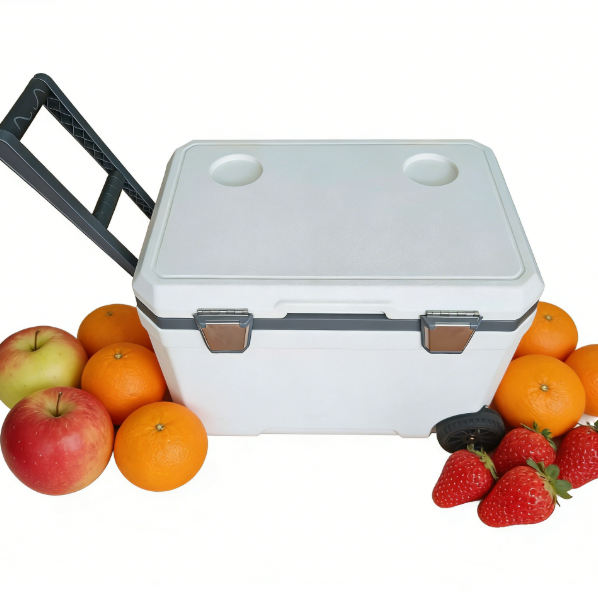
Como especificar uma caixa refrigeradora EPP com isolamento térmico durável
Um isolamento térmico durável Caixa térmica EPP deve ser especificado pelas funções que deve reter após o uso real: manuseio seguro, assento com tampa completa, empilhamento estável, colocação consistente de refrigerante, superfícies limpáveis, e desempenho térmico para um pacote definido. EPP contribui com amortecimento e isolamento leves, mas nenhuma reivindicação material prova uma vida útil fixa ou tempo de espera. Os compradores precisam de um envelope operacional completo, testes mecânicos e térmicos representativos da produção, limites de inspeção funcional, e um sistema de reutilização que controla a limpeza, componentes, retorna, e mudar.
Escreva o trabalho do cooler como uma rota controlada
Comece com um mapa de rotas. Registre onde o refrigerador vazio está armazenado, como o refrigerante é condicionado, onde ocorre o empacotamento, quanto tempo a caixa espera antes da partida, qual veículo e entregas seguem, com que frequência é aberto, como receber descarrega, e como a unidade vazia retorna para limpeza.
Para cada etapa, identificar temperatura, tempo, movimento do ar, luz solar, contato com o chão, umidade, condição de pilha, e operador responsável. Uma rota curta pode ser difícil se a caixa ficar em uma doca quente ou abrir repetidamente. Uma rota longa pode ser controlada quando o perfil do ambiente e as transferências são estáveis. A duração por si só não é suficiente.
Defina a função exata:
- uma sacola isolada dentro de uma operação refrigerada;
- um resfriador passivo com pacotes de gel ou mídia de mudança de fase;
- um remetente de encomendas com uma camada externa de proteção;
- um pacote de saúde reutilizável;
- uma transportadora de entrega de comida quente ou fria;
- uma caixa de manuseio geral cujo isolamento é secundário.
A função determina a evidência. Uma bolsa geral pode precisar de ajuste, manuseio, e testes de limpeza. UM expedidor com temperatura controlada pode precisar de uma qualificação térmica completa, plano de monitoramento, instrução de embalagem, e aprovação de qualidade.
Defina o intervalo de carga útil e o espaço utilizável
Meça o produto em sua apresentação final de envio. Incluir caixas, garrafas, bandejas de refeição, bolsas, almofadas absorventes, divisores, rótulos, sensores, e refrigerante. Registre a carga normal mínima e máxima. A caixa deve funcionar em ambos os limites ou ter configurações separadas.
Padrão de palete de controle de dimensões externas, ajuste de rack, carrinho, cubo de veículo, folga da porta, e armazenamento de retorno. As dimensões internas descrevem a cavidade moldada. As dimensões utilizáveis descrevem o que resta após os raios dos cantos, cone de parede, engate da tampa, costelas, alças, refrigerante, inserções, e folga de carga. A aquisição deve aprovar todos os três.
Uma pilha de tolerância é necessária. A maior carga útil pode atender à menor cavidade. Congelado pacotes de gel pode ficar rígido ou mudar de forma. As etiquetas podem enrugar. Sacos flexíveis podem se expandir. Se a tampa for forçada sobre a carga, pode parecer fechado enquanto um canto vaza.
Planeje zonas controladas para o produto, refrigerante, separadores, colocação do sensor, e liberação de fechamento. Apoie itens frágeis em superfícies fortes. Retenha o líquido refrigerante denso para que ele não atinja a carga útil durante o manuseio. Um módulo de preenchimento pode ser necessário para cargas parciais, mas deve ser identificado e incluído na lista de materiais.
Trate a tampa como um componente térmico crítico
As paredes chamam a atenção porque sua espessura é visível. A interface da tampa geralmente determina a repetibilidade real. É aberto com frequência, misturado com corpos diferentes, carregado por pilhas, exposto a impactos, e às vezes usado incorretamente como alça ou superfície.
Uma boa tampa localiza-se positivamente, assentos totalmente ao redor do perímetro, tolera variação dimensional normal, e permanece prático com luvas molhadas. O aro deve suportar forças de fechamento sem bordas finas ou transições bruscas. A carga da pilha deve passar pelas zonas de contato projetadas e não deve curvar a tampa para dentro da carga útil.
| Variável de fechamento | Por que isso importa | Como verificar |
|---|---|---|
| Sobreposição e envolvimento de canto | Controla a troca de ar e o alinhamento | Ajuste cruzado de várias tampas e corpos |
| Planicidade da tampa | Afeta assentos em todo o perímetro | Medir após condicionamento e permanência carregada |
| Força de abertura e fechamento | Influencia o uso correto do operador | Frio, esquentar, molhado, e testes com luvas |
| Espaço livre de carga útil | Evita o fechamento incompleto | Verificações de carga máxima e transbordamento |
| Contato de pilha | Transfere força vertical | Carga total parada no palete real |
| Alça, trava, ou selo | Adiciona retenção e controle de configuração | Uso repetido e compatibilidade de limpeza |
| Caminho da sonda ou rótulo | Evita levantar o aro | Inspeção de embalagem e teste de sensibilidade térmica |
A tampa deve fazer parte da inspeção rotineira de entrada e devolução. Uma pequena borda esmagada pode ser mais importante do que um grande desgaste cosmético.
Alças de engenheiro, cantos, e base para a massa total
A massa embalada inclui produto, refrigerante, inserções, e água retida se a secagem for ruim. Especifique um- ou distância de elevação e transporte para duas pessoas. As alças precisam de abertura suficiente para as luvas pretendidas, bordas arredondadas, e um caminho de carga em paredes largas e seções de base.
As alças de passagem criam uma abertura direta e reduzem a seção da parede. As alças embutidas preservam a parede, mas podem reduzir o espaço interno ou reter água. Alças rígidas separadas adicionam resistência ao desgaste ao introduzir acessórios, materiais mistos, e detalhes de limpeza. Avalie a compensação completa.
Cantos e bordas absorvem muitos impactos da rota. Raios generosos reduzem a concentração de estresse. Painéis planos longos podem curvar-se e podem precisar de costelas, ainda assim, as nervuras internas não devem pressionar o produto ou complicar a limpeza. Os recursos básicos devem permanecer estáveis nos paletes, carrinhos, transportadores, e pisos de veículos molhados.
Observe o arrasto e o uso indevido durante um piloto de rota. Se a base se desgastar rapidamente, mais espuma pode não ser a melhor solução. Um carrinho, derrapagem rígida, casca externa, ou lidar com a mudança pode resolver o mecanismo. A engenharia de durabilidade começa com a análise de falhas, em vez de adicionar espessura em todos os lugares.
Mantenha a declaração térmica anexada à embalagem
Um resfriador EPP retarda a transferência de calor, mas não esfria ou aquece ativamente. Em um sistema passivo, o refrigerante fornece capacidade térmica armazenada enquanto a caixa reduz a troca. A temperatura do produto é influenciada pela identidade do refrigerante, quantidade, condicionamento, colocação, separação, massa térmica da carga útil, temperaturas iniciais, Headspace, perfil ambiente, aberturas, e localização do sensor.
Uma reivindicação de duração só é significativa quando essas variáveis são divulgadas. Solicite aos fornecedores a configuração completa do teste e o relatório. Compare as reivindicações somente após normalizar a configuração. Um completo, carga útil rica em água pode se comportar de maneira diferente de uma carga parcial leve. Um teste de câmara continuamente fechada pode se comportar de maneira diferente de uma via de entrega.
Selecione refrigerante dentro da linha de produtos aprovada. O contato direto com mídia congelada pode criar exposição local ao frio. Espaçadores ou materiais de mudança de fase condicionados podem reduzir esse risco. O gelo seco requer um design dedicado e controles de transporte; não é um simples substituto.
Registradores de temperatura apoiam evidências e revisão de rotas. Eles não criam proteção térmica. As posições dos sensores devem representar locais prováveis quentes e frios, e o recebimento precisa de uma regra de decisão documentada.
Use uma escada de teste em vez de um certificado
Testes diferentes respondem a perguntas diferentes:
- Os dados de materiais ajudam a selecionar um tipo de EPP e apoiam os primeiros modelos.
- As verificações de peças avaliam a fusão, dimensões, ajuste da tampa, alças, e recursos de pilha.
- Testes mecânicos embalados avaliam choque, vibração, compressão, restrição, e condição de carga útil.
- Os testes de empacotamento térmico avaliam um refrigerante definido, carga útil, e perfil ambiental.
- Pilotos de rota avaliam operadores normais, aberturas, transferências, retornar, e limpeza.
- O monitoramento contínuo confirma que o processo permanece dentro do seu envelope operacional.
O ISTA 7E pode fornecer perfis térmicos padronizados para contêiner de transporte isolado testando. Procedimentos ISTA adequados e ASTM D4169 podem estruturar testes de distribuição. Eles se aplicam a produtos embalados especificados sob condições estabelecidas; eles não são certificações universais de produtos.
Para reutilização, considere condicionar a caixa mecanicamente e por meio de limpeza antes de repetir um teste térmico crítico. Isso pergunta se o desgaste altera o desempenho. Ciclos acelerados podem comparar projetos, mas não devem ser convertidos em uma contagem de viagens garantida sem uma relação validada com o uso em campo.
Escreva os critérios de aceitação antes do teste. Para temperatura, definir a gama de produtos e o método de análise. Para mecânicos, definir danos à carga útil e funções de caixa retidas. Para limpeza, definir solo visível, odor, drenagem, secura, rótulos, e compatibilidade de componentes.
Ferramentas úteis de decisão
Verifique os detalhes antes de escolher a embalagem
Essas ferramentas rápidas podem ajudá-lo a comparar o risco da rota, necessidades de dimensionamento, escolhas de refrigerante, e detalhes da embalagem antes de solicitar um orçamento.
Gerador de lista de conformidade
Crie uma lista de verificação prática para revisão de embalagens, envio, e documentação.
Lista de verificação de construçãoForro de caixa & Dimensionamento da cobertura de paletes
Verifique a lógica de dimensionamento do forro da caixa e da tampa do palete para projetos de embalagens isoladas.
Dimensionamento estimadoCalculadora de gelo seco
Estime as necessidades de gelo seco para remessas congeladas ou ultrafrias antes de embalar.
Estimar gelo secoInspecione a função retida em cada retorno
Um refrigerador reutilizável deve ter uma verificação de retorno rápida e uma inspeção periódica mais detalhada. A verificação rápida pode identificar contaminação grave, ajuste incompleto da tampa, danos no aro, alças inseguras, base instável, faltando componentes de refrigerante, e identificação ilegível. Verificações detalhadas podem usar medidores ou amostras mestre para interfaces críticas.
Crie categorias de disposição claras:
- limpo e pronto;
- precisa ser lavado ou seco;
- precisa de substituição aprovada de um componente secundário;
- temporariamente restrito a um uso definido de menor risco;
- requer revisão de engenharia;
- aposentado permanentemente.
Os reparos devem ser controlados. Adesivos ou inserções improvisadas podem alterar a higiene, vazamento térmico, ajuste de carga útil, ou reciclabilidade. Repare apenas sob um método documentado e reavalie a função afetada.
Rastreie o local da falha. Rasgos repetidos na alça podem indicar sobrecarga ou geometria inadequada. O esmagamento da borda pode revelar enchimento excessivo ou uso indevido da pilha. A abrasão da base pode indicar arrasto. Plugues ou divisores ausentes apontam para controle de componente. Dados transformam custo de aposentadoria em melhoria de design.
Faça da limpeza parte da entrada do design
Defina o método de limpeza antes de aprovar a peça. Detergente ou desinfetante estadual, concentração, temperatura, tempo de contato, ação mecânica, limpar, e secagem. Confirme a compatibilidade com a formulação exata do EPP e todos os componentes secundários. Uma tabela geral de resistência ao polipropileno não é à prova de repetidas lavagens a quente de um material impresso., amarrado, ou conjunto selado.
EPP de célula fechada resiste à absorção de água em massa, mas recessos, arranhões, juntas de tampa, rótulos, drenos, e áreas danificadas podem reter água ou solo. As superfícies devem ser acessíveis e drenar na orientação de secagem real. Unidades limpas precisam de proteção contra devoluções sujas.
O uso em contato direto com alimentos requer documentação para a construção exata, alimento pretendido, condições de contato, e mercado. Os controlos europeus incluem segurança geral em contacto com alimentos, boas práticas de fabricação, e medidas plásticas específicas. O uso nos Estados Unidos também depende de uma base regulatória apropriada. “Segurança alimentar” deve ter um escopo definido.
As rotas de saúde podem exigir procedimentos de limpeza ou desinfecção de acordo com o sistema de qualidade da organização. O material EPP por si só não estabelece conformidade farmacêutica. O processo completo de distribuição, pacote, monitoramento, treinamento, e qualificação permanecem relevantes.
Projete a economia da reutilização honestamente
Um refrigerador reutilizável é um ativo e um circuito de serviço. O custo total inclui compra, refrigerante, ferramentas se personalizadas, trabalho de embalagem, transporte de retorno, monitorando, lavar, secagem, inspeção, armazenar, perda, reparos, aposentadoria, qualificação, e perda de produto. Calcule o custo por remessa ou ciclo bem-sucedido.
Não assuma uma vida útil universal. Pilote um número controlado de caixas e rastreie os retornos reais, dano, lavar novamente, perda, e reviravolta. O número de caixas necessárias depende do pico de demanda de saída e dos dias antes da devolução limpa, não apenas remessas diárias.
Cubo vazio pode dominar a logística reversa. Resfriadores EPP fixos podem retornar principalmente ar. O aninhamento reduz o volume, mas introduz conicidade e geometria de pilha diferente. Alternativas dobráveis reduzem o cubo, mas adicionam juntas e limpeza. A disponibilidade do backhaul e a densidade da rota decidem qual é a melhor.
A sustentabilidade segue os mesmos limites do sistema. O EPP pode ser reciclável onde houver coleta e processamento adequados. A reutilização pode reduzir a demanda por embalagens descartáveis, mas lavagens e devoluções acrescentam impactos. A proteção do produto pode ser significativa porque alimentos ou medicamentos estragados carregam recursos incorporados. Use dados de loop observados e um caminho de fim de vida identificado em vez de afirmações genéricas.
O Regulamento Europeu de Embalagens e Resíduos de Embalagens entrou em vigor em 2025 e geralmente se aplica a partir de 2026, aumentando a atenção à minimização, Reciclabalidade, reutilizar, e documentação. As obrigações exatas variam, portanto, as empresas que operam no mercado europeu devem confirmar os deveres atuais para as suas embalagens e papel.
Bloqueie a consistência e a intercambialidade da produção
Frotas reutilizáveis misturam componentes. Corpos e tampas devem ser intercambiáveis dentro das revisões aprovadas. Teste pares cruzados em cavidades de molde e lotes. Identifique as cavidades quando apropriado para que a variação possa ser rastreada.
O fornecedor deve controlar o grau EPP, estratégia de densidade, condicionamento de contas, moldagem, fusão, resfriamento, condicionamento de peças, aparar, dimensões, peso onde significativo, cor, e identificação. Dimensões críticas precisam de dados de referência e tempo de medição definidos.
Um plano de controle de produção pode focar na abertura mínima, cavidade utilizável, engate da tampa, continuidade do aro, contato básico, registro de pilha, lidar com seções, bolsas de refrigerante, e inserir locais. O peso da peça é um indicador de processo, não é um teste funcional completo. Definir regras de amostragem e reação para não conformidade.
O controle de mudanças deve incluir a classificação do material, alvo de densidade, corante, aditivos, conteúdo reciclado, reparos de moldes, ventilação, principais configurações do processo, local de produção, tampas, alças, rótulos, inserções, componentes de refrigerante, e instruções de embalagem quando o desempenho pode mudar. O reteste baseado em risco protege a qualificação.
Perguntas do comprador sobre um programa de resfriamento confiável
- Que gama de produtos e gama de carga útil são aprovadas?
- Qual é o papel exato do refrigerador no sistema de controle de temperatura?
- Qual procedimento de refrigeração e condicionamento está incluído?
- Quais são as dimensões mínimas utilizáveis e folga de fechamento?
- Como as alças e os recursos de empilhamento transportam toda a massa compactada?
- Quais modos de dano podem alterar a função térmica?
- Quais configurações de testes mecânicos e térmicos apoiam a proposta?
- Como serão as cargas mínimas, aberturas, e condições sazonais sejam tratadas?
- Que limpeza, contato com alimentos, ou documentação de saúde se aplica?
- Como estão os corpos, tampas, inserções, e componentes de refrigeração identificados e controlados?
- Quais são os retornos, lavar, monitorando, e planos de aposentadoria?
- Quais mudanças de produção ou processo exigem reavaliação?
Um fornecedor disciplinado distinguirá as propriedades gerais dos materiais, configurações testadas, e suposições abertas. Essa distinção reduz o risco de aquisição.
Perguntas frequentes
O que torna um refrigerador EPP “durável” em vez de meramente reutilizável?
Durabilidade significa que o refrigerador mantém funções definidas através do manuseio e limpeza esperados. Deve permanecer seguro levantar, estável para empilhar, capaz de fechar totalmente, consistente no ajuste do líquido refrigerante e da carga útil, lavável, e identificável. A reutilização é um modelo operacional pretendido; a durabilidade é suportada pelo design, testando, inspeção, e dados de campo.
O refrigerador EPP mais espesso é a melhor opção isolada?
Não. A espessura pode reduzir a condução, mas vazamento na tampa, aberturas, pontes, massa de carga útil, refrigerante, Headspace, e eventos de abertura podem dominar. Paredes espessas também reduzem o espaço de carga útil ou aumentam o volume de carga. Compare embalagens completas de produção sob o mesmo perfil de teste e inclua a durabilidade da tampa.
Todas as caixas devolvidas devem ser testadas termicamente novamente?
Geralmente não. A inspeção funcional de rotina pode ajustar a tampa da tela, aro, alças, pilha, locais de refrigeração, contaminação, e identificação. A verificação térmica periódica pode confirmar que a frota permanece alinhada, com testes adicionais após danos significativos, reparar, mudança de material ou design, ou uma tendência nos dados de remessa. O plano de qualidade deve definir a frequência por risco.
Como os compradores podem evitar componentes mistos?
Use marcação de revisão clara, cor apenas como uma sugestão secundária, identificadores moldados, digitalizar códigos quando justificado, e geometria resistente a erros. Órgãos de controle, tampas, inserções, alças, plugues, e refrigerante sob uma lista de materiais. Na embalagem, verifique a configuração completa em vez de presumir que qualquer tampa ou inserção que se encaixe fisicamente é aprovada.
Conclusão
O melhor programa de resfriamento EPP durável controla uma cadeia de funções. A caixa deve caber na carga útil, proteja-o mecanicamente, feche repetidamente, localizar refrigerante, sobreviver a pilhas e limpeza, e retornar em um estado inspecionável. A evidência térmica pertence ao pacote completo, enquanto a evidência de durabilidade pertence à função retida após o uso. Uma escada de teste, inspeção de devolução, dados da frota, controle de produção, e o gerenciamento de mudanças mantêm ambos alinhados.
Sobre Tempk
Tempk fornece embalagens isoladas, mídia de resfriamento, produtos de monitoramento de temperatura, e relacionado soluções para cadeia de frio. Podemos ajudar os compradores a definir uma especificação de refrigerador EPP reutilizável em torno da faixa de carga útil, espaço utilizável, condição de temperatura alvo, refrigerante, encerramento, manuseio, rota, limpeza, e retornar. Qualquer duração de desempenho e adequação de rota devem ser avaliadas para o pacote de produção exato e condições documentadas.
Compartilhe o cooler atual, carga útil, perfil de rota, histórico de falhas, e processo de reutilização para identificar quais mudanças de projeto e controle são mais importantes.