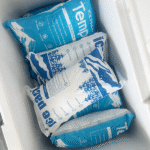
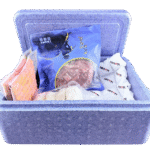
Guia de embalagem da cadeia de frio de caixas de assinatura de alimentos frescos para entrega de encomendas
Caixas de assinatura de alimentos frescos combinam segurança alimentar refrigerada, qualidade do ingrediente, e apresentação ao cliente em um pacote. A embalagem deve manter os alimentos frios, proteja ingredientes frescos da umidade e pressão, e ainda parecer limpo quando o cliente abre a caixa.
Por que as caixas de assinatura de alimentos frescos precisam de sua própria embalagem
Uma caixa de assinatura geralmente é uma carga mista: proteína, itens preparados, produtos frescos, molhos, laticínio, e cartões de receitas podem compartilhar o mesmo espaço isolado. Um layout de refrigerante pode resfriar demais as verduras, esmagar produtos macios, etiquetas de papel molhado, ou deixar proteínas densas mais quentes do que o esperado. O objetivo não é apenas manter uma faixa fria, mas para controlar a umidade, pressão, e separação de produtos através do manuseio de pacotes.
Para entrega de pacotes de alimentos refrigerados, muitos operadores usam um alvo prático em torno 0-4 C para a zona fria e validar a rota em relação ao local mais quente do produto. O requisito exato deve seguir o tipo de alimento, regulamentos locais, promessa do cliente, e duração da rota.
Ferramentas úteis de decisão
Verifique os detalhes antes de escolher a embalagem
Essas ferramentas rápidas podem ajudá-lo a comparar o risco da rota, necessidades de dimensionamento, escolhas de refrigerante, e detalhes da embalagem antes de solicitar um orçamento.
Calculadora de gelo seco
Estime as necessidades de gelo seco para remessas congeladas ou ultrafrias antes de embalar.
Estimar gelo secoForro de caixa & Dimensionamento da cobertura de paletes
Verifique a lógica de dimensionamento do forro da caixa e da tampa do palete para projetos de embalagens isoladas.
Dimensionamento estimadoResistência à queda de material de isolamento
Revise a resistência à queda e os fatores de manuseio antes de escolher materiais de isolamento.
Verifique a resistênciaTabela de requisitos de embalagem
| Fator de cadeia de frio | Requisito de caixa de assinatura de alimentos frescos | Resposta de embalagem temporária |
|---|---|---|
| Faixa de temperatura | Rota de encomendas refrigeradas, comumente validado em torno 0-4 C para conteúdos refrigerados de alto risco. | Caixa isolada com pacotes de gel condicionado dimensionados de acordo com o tempo de rota e a massa do produto. |
| Umidade | Alto risco em torno de produtos folhosos, cartões de receitas, rótulos, e caixas de papel. | Forro seco, almofada absorvente, bolsas de ingredientes seladas, e separação de refrigerante. |
| Pré-resfriamento | Proteínas, laticínio, e os componentes preparados devem entrar na caixa a partir da preparação a frio. | Embale somente após os produtos, pacotes de gel, forros, e o remetente estão prontos. |
| Pressão de embalagem | Ingredientes misturados podem ser esmagados pelo líquido refrigerante ou por produtos mais pesados durante o manuseio do transportador. | Use divisórias, suporte de bandeja, e uma camada plana de proteção de refrigerante. |
| Posição do refrigerante | Os pacotes de gel devem resfriar a zona do produto sem pressão direta sobre itens delicados. | Colocação de refrigerante superior ou lateral com separação de produtos e teste de rota. |
| Duração do trânsito | No mesmo dia para 48 h rotas de encomendas, com última milha e permanência na porta incluídas. | Valide faixas de estação quente com dados de registro e recebimento de verificações. |
| Perdas comuns | Proteína quente, verduras murchas, cartas molhadas, vazamento de molhos, produto esmagado, e rejeição do cliente. | Fonte fria balanceada, controle de umidade, zoneamento de ingredientes, e lista de verificação de recebimento. |
Notas de design de rota
Mapeie os pontos quentes antes de escolher o embarcador: hora da bancada de embalagem, transferência de operadora, permanência no centro de classificação, transporte de linha, morada do veículo de entrega, e exposição à porta. Uma rota que funciona no inverno pode falhar no verão se a massa do gel ou a espessura do isolamento permanecerem inalteradas.
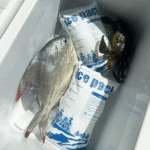
O layout interno deve separar denso, itens refrigerados de alto risco feitos de produtos delicados e materiais de papel. Lugar pacotes de gel onde eles resfriam a zona alimentar uniformemente, mas evite o contato direto com verduras, etiquetas de papel, tampas de molho, ou embalagens finas de varejo. Para caixas com proteínas e produtos frescos juntos, use zoneamento de produto em vez de uma cavidade solta.
Recomendação temporária
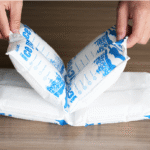
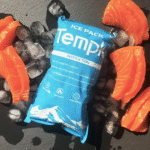
Um pacote típico de assinatura de alimentos frescos da Tempk usa um caixa isolada ou forro, pacotes de gel condicionado, uma camada de separação seca, divisores de produtos, material absorvente quando necessário, e validação específica da pista. Comece com testes de registradores em nível de produto, em seguida, verifique a temperatura dos alimentos, condensação, itens esmagados, vazamentos, condição do rótulo, e a experiência geral de unboxing.