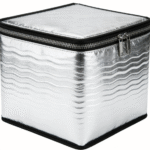
Guia de embalagem da cadeia de frio de iogurte congelado para entrega congelada
Embalagem da cadeia de frio guia para copos e potes de iogurte congelado, cobrindo textura congelada, segurança da tampa, condensação, gelo seco colocação, tempo de trânsito, e opções de embalagem Tempk.
Por que o iogurte congelado precisa de uma embalagem específica para congelados
O iogurte congelado geralmente usa xícaras mais leves e uma textura congelada mais macia do que o sorvete embalado, portanto, a segurança da tampa e a recuperação da temperatura após a permanência no depósito são mais importantes do que apenas a resistência da caixa. Sobremesas congeladas não falham apenas quando ficam líquidas. Textura, condição do invólucro, ajuste da tampa, flor de geada, e a secura da caixa podem afetar a aceitação ou não da remessa pelo destinatário. Uma rota que funciona para uma banheira densa ainda pode danificar embalagens finas de picolé ou empurrar tampas de iogurte congelado para fora da posição.
Para a maioria dos pacotes de sobremesas congeladas, o objetivo prático é manter o produto congelado através da embalagem, residência no depósito, transporte de linha, entrega de última milha, e exposição à porta. O pacote de gelo seco ou refrigerante congelado deve ser dimensionado para a pista e separado da embalagem de varejo para que o produto permaneça congelado sem marcas de pressão, etiquetas molhadas, ou tampas esmagadas.
Requisitos de embalagem
| Fator de cadeia de frio | Requisito de iogurte congelado |
|---|---|
| Temperatura alvo | -18 C ou inferior para transporte congelado |
| Umidade e condensação | Risco moderado em torno de copos de papel, rótulos, tampas, e caixas multipack |
| Pré-resfriamento | Congele o produto totalmente antes de carregá-lo e mantenha os copos em local frio até que o remetente isolado esteja pronto. |
| Pressão de embalagem | Médio a alto para copos e tampas; a compressão pode afrouxar as tampas ou deformar as embalagens de varejo. |
| Posição do refrigerante | Gelo seco acima ou posicionado no perímetro com bolsos de revestimento, nunca pressionando diretamente nas tampas dos copos. |
| Duração do trânsito | Rotas de encomendas congeladas do local no mesmo dia para 24-48 h pistas após teste de rota. |
| Pontos de perda comuns | Granulação da textura, borda derretida, tampa pop, molhamento da etiqueta, colapso da caixa, e separação descongelar-recongelar. |
| Resposta de embalagem temporária | Remetente com isolamento rígido Tempk, bolsa de gelo seco condicionado, divisor de copo, camada de proteção da tampa, forro seco, e registrador de temperatura para aprovação de rota. |
Notas de design de rota
Comece mapeando os pontos quentes na pista: preparação do produto, tempo de embalagem, transferência para transportadora, permanência no centro de classificação, morada do veículo de entrega, e retirada do cliente. Sobremesas congeladas com peso unitário menor precisam de um tempo de embalagem mais apertado porque se recuperam mal após exposição ao calor. Se o produto for embalado antes do remetente, gelo seco, e acessórios estão prontos, a pista já perdeu parte da sua margem de segurança.
Ferramentas úteis de decisão
Verifique os detalhes antes de escolher a embalagem
Essas ferramentas rápidas podem ajudá-lo a comparar o risco da rota, necessidades de dimensionamento, escolhas de refrigerante, e detalhes da embalagem antes de solicitar um orçamento.
Calculadora de gelo seco
Estime as necessidades de gelo seco para remessas congeladas ou ultrafrias antes de embalar.
Estimar gelo secoForro de caixa & Dimensionamento da cobertura de paletes
Verifique a lógica de dimensionamento do forro da caixa e da tampa do palete para projetos de embalagens isoladas.
Dimensionamento estimadoRefrigerante & Referência PCM
Compare as opções de refrigerante e PCM quando uma rota precisar de suporte adicional de temperatura.
Comparar opçõesA embalagem interna deve manter as unidades de varejo no lugar sem apertá-las. Use divisórias, bandejas, ou suportes de papelão quando produtos estreitos podem dobrar ou copos podem pressionar uns contra os outros. Se a remessa incluir sabores mistos ou multipacks, verifique se os rótulos permanecem legíveis e se o gelo ou a umidade não fazem com que os sabores vazem visualmente para dentro da embalagem externa.
Comparação com sobremesas congeladas relacionadas
| Produto | Diferença de manuseio congelado | Prioridade de embalagem |
|---|---|---|
| Picolés / picolés | Massa pequena, área de superfície elevada, embalagens finas, risco de alinhamento de vara | Carregamento rápido, restrição de pacote, manuseio de embalagem seca |
| Iogurte congelado | Textura mais suave, sensibilidade à pressão do copo e da tampa, rótulo risco de molhamento | Proteção da tampa, forros secos, colocação equilibrada de gelo seco |
| Potes de sorvete | O amolecimento da camada superior e a condição da caixa são pontos de aceitação visíveis | Resfriamento superior, proteção da tampa, secura da caixa |
Recomendação de embalagem Tempk
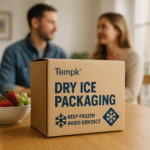
Uma remessa típica de sobremesa congelada Tempk usa uma embalagem rígida expedidor isolado, uma bolsa de gelo seco ou layout de refrigerante compatível com gelo seco, uma camada de restrição de produto, separadores secos, e uma lista de verificação de recebimento. Para rotas diretas ao consumidor, um formato de pacote compacto pode reduzir o espaço aéreo e melhorar a eficiência do frio. Para remessas de atacado ou de vários pacotes, podem ser necessárias divisórias internas mais fortes e uma massa maior de gelo seco.
Execute a primeira validação com um registrador de temperatura no nível do produto e uma lista de verificação de recebimento visual. Verifique a firmeza do produto, condição da embalagem ou tampa, secura da caixa, geada, transferência de odor, e se o cliente pode remover o produto de forma limpa do remetente. Aprovar o packout somente após testar a rota real, tamanho do produto, quantidade do pedido, e condições de estação quente.