Tijolo de Gel Biotecnologia: Escolhendo o pacote certo sem suposições
A maneira mais segura de escolher a biotecnologia de tijolos de gel é começar com o limite do produto e o risco da rota, em seguida, decida se um tijolo de gel rígido pertence ao pacote. Para logística de biotecnologia e laboratório, o tijolo deve ser avaliado pelo seu desempenho com a carga útil real, isolamento, método de condicionamento, e processo de manuseio. Uma boa decisão reduz o risco de temperatura sem adicionar peso desnecessário, custo, ou complexidade operacional.
A regra de decisão simples
Use um tijolo de gel quando resolver um problema térmico definido dentro de um sistema isolado. Não o utilize como um símbolo genérico de proteção da cadeia de frio. Os materiais biotecnológicos variam amplamente. Alguns precisam de condições refrigeradas, alguns devem permanecer congelados, e alguns são prejudicados pelo congelamento. Dados de estabilidade, dados de segurança, e POPs internos devem orientar a faixa de temperatura. Isso significa que o primeiro requisito de compra é uma gama de produtos e um perfil de exposição, não é um número de catálogo de tijolo. Assim que a gama de produtos estiver clara, o comprador pode decidir se o tijolo deve ser congelado, refrigerado, temperado, separado do produto, colocado nas laterais, ou emparelhado com um nível de isolamento diferente.
A regra prática é esta: um tijolo de gel é adequado quando a faixa necessária, duração da rota, massa de carga útil, e o design da embalagem podem ser combinados e repetidos. Torna-se arriscado quando essas entradas são desconhecidas. O maior risco operacional é a variação oculta: um reagente pode tolerar um curto manuseio em ambiente, enquanto outro kit na mesma remessa não pode tolerar congelamento ou exposição repetida ao calor. Um comprador cauteloso trata as incógnitas como perguntas de teste, em vez de preencher a lacuna com um tijolo maior.
Construa em torno do ponto onde a remessa tem maior probabilidade de falhar
A maioria das remessas não falha uniformemente. Eles falham nos pontos de transferência. Uma caixa pode sair de uma sala fria e ficar em uma bancada enquanto as etiquetas são impressas. Um mensageiro pode coletar mais tarde do que o planejado. Um palete pode esperar em uma área quente antes de ser carregado. Um destinatário pode aceitar a entrega, mas não desembalar imediatamente. Esses pontos moldam mais o desafio térmico do que o cronograma da transportadora limpa.
Para logística de biotecnologia e laboratório, é aqui que o pacote deve ser testado contra estresse. Se o risco for hipotermia precoce, adicione buffer ou ajuste o condicionamento. Se o risco é o aquecimento tardio, rever o isolamento, massa de tijolo, tempo de rota, e carga útil. Se o risco for um mau comportamento de recepção, melhorar rótulos, instruções, ou monitoramento. Um tijolo de gel não pode consertar todos os pontos fracos, mas pode ser escolhido de forma mais inteligente quando o ponto fraco é nomeado.
| Ponto de decisão | Bom sinal | Sinal de alerta |
|---|---|---|
| Requisito do produto | A faixa de temperatura e a sensibilidade ao congelamento são definidas antes da amostragem. | O fornecedor é solicitado apenas por um tijolo genérico de longa duração. |
| Perfil de rota | Trânsito, encenação, entregar, e atraso de recebimento estão incluídos. | Somente o tempo de trânsito do correio é considerado. |
| Design de embalagem | Localização do tijolo, camada tampão, espaço de carga útil, e o fechamento são documentados. | Operadores improvisam posicionamento durante a embalagem. |
| Evidência | Os dados de teste ou avaliação correspondem às suposições de carga útil e ambiente. | Uma reivindicação de tempo de espera é cotada sem condições. |
| Controle de aumento de escala | Amostras aprovadas, unidades de produção, rótulos, e as instruções de trabalho da embalagem permanecem consistentes. | O tamanho do tijolo, preencher, ou alterações de caixa após aprovação sem revisão. |
Esta tabela de decisão é intencionalmente operacional. Não pergunta se um tijolo é geralmente bom ou ruim. Pergunta se o comprador tem informações suficientes para aprovar o tijolo para um pacote específico. Se um sinal de alerta aparecer, a próxima etapa deve ser testar ou redesenhar, não compra em massa.
Especificações que valem a pena confirmar antes da compra
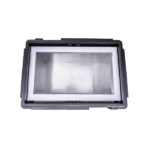
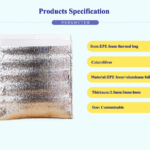
As especificações mais úteis para biotecnologia de tijolos de gel nem sempre são as mais promocionais. Confirme as dimensões externas, peso cheio, material de concha, projeto de fechamento, condicionamento recomendado, embalagem de papelão, e se o tijolo se destina ao manuseio reutilizável. Em seguida, conecte essas especificações ao remetente. O tijolo deixará espaço útil suficiente para o produto? Será que irá pressionar contra embalagens primárias frágeis?? Os operadores podem colocá-lo sempre da mesma maneira? O freezer pode conter tijolos suficientes para pedidos de pico??
Para remessas técnicas ou regulamentadas, pergunte também quais evidências apoiam o pacote. A evidência pode ser um teste de fornecedor, um julgamento interno, um teste térmico de terceiros, ou um protocolo de qualificação dependendo do risco. O ponto importante é a correspondência de condições. Uma instrução de tempo de espera só é útil quando o perfil do ambiente, carga útil, quantidade de tijolos, método de condicionamento, e faixa de aceitação se assemelham à remessa que você planeja executar.
Quando um tijolo de gel é uma escolha melhor do que alternativas
Um tijolo de gel rígido pode ser uma escolha melhor do que gelo solto em caso de vazamento., água grátis, aparência da caixa, e material de embalagem repetível. Pode ser melhor do que um flexível Pacote de gel quando colocação fixa, empilhamento, tratamento de devolução, e durabilidade são importantes. Pode ser melhor do que gelo seco quando a remessa precisa apenas de suporte refrigerado e o comprador deseja evitar a sublimação do dióxido de carbono, ventilação, e manuseio de mercadorias perigosas. Mas essas comparações são condicionais, não universal.
Eles não substituem validados embalagem de gelo seco, transporte em temperatura ultrabaixa, procedimentos de biossegurança, ou monitoramento calibrado quando necessário. Se a remessa precisar de temperatura ultrabaixa, controle ativo, manuseio médico estéril, condições específicas dos componentes sanguíneos, preservação de transplante, ou qualificação rigorosa específica do produto, a decisão do tijolo de gel deve ser revista dentro desse requisito mais amplo. Um comprador nunca deve rebaixar a estratégia de refrigerante simplesmente porque uma rota é cara ou a papelada é inconveniente.
Fluxo de trabalho da amostra à produção
Um fluxo de trabalho disciplinado começa com um perfil de remessa por escrito. Esse perfil inclui o tipo de produto, temperatura alvo, sensibilidade de congelamento, tamanho da carga útil, tipo de remetente, faixa, duração, exposição sazonal, comportamento do receptor, e requisitos de evidência. O fornecedor então recomenda um formato de tijolo e um conceito de embalagem. O comprador testa ou testa o conceito com a carga útil real e documenta o método de embalagem. Após revisão, a amostra aprovada torna-se a base para a produção.
Para logística de biotecnologia e laboratório, a linha de base deve identificar o que não pode mudar sem revisão: tamanho do tijolo, preencher, concha, quantidade, condicionamento, colocação, remetente, forro, buffer, contagem de carga útil, e ordem de embalagem. É aqui que muitos programas perdem o controle. Uma equipe de compras aprova uma amostra, mas a produção posteriormente recebe um tijolo ligeiramente diferente ou o embala em uma posição diferente. O controle de mudanças não precisa ser burocrático; simplesmente mantém a realidade operacional conectada às evidências aprovadas.
Um exemplo prático: resolvendo o problema errado
Imagine um carregamento de enzimas, reagentes, kits de ensaio, amostras biológicas, materiais relacionados às células, componentes de diagnóstico, e materiais de pesquisa com necessidades de manuseio controlado chegam com um registro de temperatura limítrofe. A primeira reação é adicionar mais tijolos em gel. Uma investigação melhor pergunta onde ocorreu a excursão. Se o período quente aconteceu após o parto, comportamento do receptor pode ser o problema. Se o período quente aconteceu perto do final do trânsito, o isolamento ou a exposição da rota podem precisar de atenção. Se um alarme frio apareceu cedo, o problema pode ser resfriamento excessivo por contato direto ou têmpera insuficiente. O tijolo só faz parte da resposta depois que o ponto de falha é compreendido.
Este exemplo é importante porque a correção excessiva é comum. Adicionar refrigerante pode aumentar o peso da carga, reduzir o espaço de carga útil, e criar risco de congelamento. Mudar o isolamento pode melhorar a estabilidade, mas aumentar o custo e o volume de armazenamento. Mudar a rota pode resolver o problema sem alterar o packout. Uma boa decisão sobre tijolos de gel é, portanto, uma decisão logística tanto quanto uma decisão sobre o produto.
Ferramentas úteis de decisão
Verifique os detalhes antes de escolher a embalagem
Essas ferramentas rápidas podem ajudá-lo a comparar o risco da rota, necessidades de dimensionamento, escolhas de refrigerante, e detalhes da embalagem antes de solicitar um orçamento.
Forro de caixa & Dimensionamento da cobertura de paletes
Verifique a lógica de dimensionamento do forro da caixa e da tampa do palete para projetos de embalagens isoladas.
Dimensionamento estimadoCalculadora de gelo seco
Estime as necessidades de gelo seco para remessas congeladas ou ultrafrias antes de embalar.
Estimar gelo secoReferência de material de isolamento
Compare as opções de materiais de isolamento para diferentes necessidades de embalagens da cadeia de frio.
Compare materiaisPerguntas frequentes
Quando devo escolher a biotecnologia de tijolos de gel?
Escolha-o quando uma fonte de frio rígida e reutilizável se adequar à faixa de temperatura necessária, geometria do pacote, duração da rota, e processo operacional. Não escolha apenas porque a palavra-chave parece relevante para biotecnologia e logística laboratorial.
Que informações devo fornecer primeiro a um fornecedor?
Comece com o tipo de produto, faixa de temperatura necessária, sensibilidade de congelamento, tamanho e peso da carga útil, tipo de remetente, tempo de trânsito, exposição ambiental, riscos de rota, e se são necessários dados de monitoramento ou qualificação.
Qual é a maneira mais segura de aprovar uma amostra?
Aprove a amostra somente após verificar o tijolo real, ajuste de embalagem, instruções de condicionamento, desempenho de teste, rotulagem, trabalho de embalagem, e consistência de produção. Mantenha um registro do que não pode ser alterado após a aprovação.
O mesmo bloco de gel pode servir remessas de alimentos e produtos farmacêuticos?
Às vezes, o tijolo físico pode parecer semelhante, mas os requisitos de evidência e procedimento são diferentes. Remessas farmacêuticas e médicas geralmente precisam de documentação mais rigorosa, revisão de qualidade, e controle de mudanças do que a distribuição comum de alimentos.
Notas adicionais do comprador antes da aprovação
Para logística de biotecnologia e laboratório, a reunião de aprovação deve separar o risco do produto da preferência de embalagem. Uma equipe pode gostar do formato limpo de um tijolo rígido, mas a decisão ainda precisa responder se o produto está protegido durante o pior trecho esperado da rota. Esse segmento pode ser a bancada do armazém enquanto os pedidos são separados, a doca de carga antes da retirada da transportadora, uma alfândega, uma van de última milha no verão, ou uma área de recebimento onde a caixa não seja aberta imediatamente. Uma revisão útil nomeia esses momentos em vez de confiar em uma promessa ampla de tempo de resfriamento.
A fase de amostragem também deve confirmar o lado humano da embalagem. Os operadores precisam saber qual lado do tijolo está voltado para a carga útil, se uma folha de buffer é necessária, quantos tijolos vão acima, ao lado, ou abaixo do produto, e se os tijolos podem ser substituídos quando o estoque é curto. Se a instrução for muito difícil de seguir durante um turno movimentado, o resultado de campo pode ser pior que o resultado de laboratório. Um simples, O método repetível é muitas vezes mais seguro do que um design que funciona apenas quando um especialista o embala perfeitamente.
Outro ponto é o controle de mudanças. Depois que uma amostra biotecnológica de tijolo de gel for aceita, o comprador deve decidir quais detalhes estão bloqueados: tamanho do tijolo, tipo de preenchimento, projeto de concha, método de condicionamento, tipo de caixa, material de forro, contagem de carga útil, e ordem de embalagem. Mesmo uma pequena mudança pode mover o ponto mais frio ou encurtar a janela de proteção. Em pistas regulamentadas ou de alto valor, as alterações devem ser revisadas antes que as ordens de produção regulares continuem.
Receber inspeção fecha o ciclo. Se o receptor vir tijolos derretidos, conchas quebradas, caixas molhadas, carga útil deslocada, ou um alarme de registrador, a descoberta deve ser registrada e vinculada às condições da rota. Esse feedback ajuda o comprador a decidir se o problema veio do design da embalagem, condicionamento insuficiente, atraso no armazém, exposição da transportadora, ou recebendo comportamento. Sem esse ciclo, o mesmo problema de remessa pode se repetir em um novo pedido de compra.
O setor de compras também precisa verificar a economia da embalagem sem transformar o artigo em uma lista de preços. O custo unitário é apenas uma parte da decisão. Espaço congelador, peso da caixa, taxa de retorno, substituição de tijolo danificado, trabalho de embalagem, isolamento extra, remessas rejeitadas, e o tempo de investigação pertencem ao quadro de custos práticos. Um tijolo mais barato pode ser caro se criar um posicionamento imprevisível, durabilidade fraca, ou uma taxa de reclamação mais alta. Um tijolo mais forte também pode ser um desperdício se a rota precisar apenas de um pacote de suporte refrigerado mais leve.
Para remessas recorrentes de logística de biotecnologia e laboratório, o comprador deve construir um pequeno registro de decisão. Pode listar o tijolo aprovado, pacote, carga útil, família de rota, método de condicionamento, diagrama de embalagem, referência de teste ou teste, e recebimento de cheques. Este registro facilita o reordenamento e reduz a chance de um membro diferente da equipe aprovar um tijolo aparentemente semelhante que altere o comportamento térmico. Também ajuda quando um distribuidor, revisor de qualidade, ou o gerente de operações pergunta por que o refrigerante selecionado é apropriado.
O treinamento deve ser curto, mas específico. Os empacotadores não precisam de um longo documento teórico; eles precisam saber quão frio o tijolo deve estar, quando retirá-lo do freezer, para onde vai, quais superfícies precisam de separação, como fechar a caixa, e o que fazer se o tijolo correto não estiver disponível. Os receptores precisam saber como é uma chegada normal e quais sinais exigem notificação. Um pacote que depende do conhecimento tribal é frágil.
Conclusão
A decisão certa em biotecnologia de tijolos de gel é baseada em evidências. Defina os requisitos do produto, localizar o risco da rota, escolha o sistema isolado, controlar o condicionamento e a colocação, e verifique o resultado antes do aumento de escala. Um tijolo de gel rígido pode ser uma solução limpa, reutilizável, e componente refrigerante repetível, mas nunca deve ser tratado como um todo solução para cadeia de frio.
Sobre Tempk
Tempk fornece embalagem da cadeia de frio componentes e suporte de soluções para empresas que enviam alimentos, produtos farmacêuticos, produtos médicos, Materiais de Biotecnologia, e outros bens sensíveis à temperatura. Para uma decisão de tijolo de gel, o valor prático está na combinação do refrigerante, isolamento, carga útil, exposição da rota, e instruções de trabalho de embalagem. A Tempk pode ajudar os compradores a revisar essas informações antes de passar da avaliação de amostras para pedidos regulares.
Envie a rota para Tempk, faixa de temperatura do produto, detalhes da carga útil, e restrições de embalagem para que a configuração recomendada do bloco de gel possa ser revisada em relação às condições operacionais reais.