Selecionando uma caixa isolada com bolha de alumínio sem exageros
Uma caixa com isolamento de bolha deve ser aprovada como embalagem específica, não comprado como uma promessa anexada a uma folha brilhante. A decisão é direta quando os compradores fazem quatro perguntas em ordem. Este formato se adapta ao produto e rota? O espaço aéreo reflexivo pretendido é preservado?? A caixa completa, refrigerante, carga útil, e fechamento atendem aos critérios de aceitação? Os operadores podem reproduzi-lo em escala? Sustentabilidade e preço vêm em seguida, usando a estrutura real do material e o ciclo operacional. Esta sequência protege os compradores de valores R não suportados, reivindicações de tempo de espera universal, e um revestimento que economiza espaço no armazém, mas cria trabalho descontrolado na bancada de embalagem.
Decida se uma caixa isolada com bolha de alumínio pertence à rota
Comece com uma definição de faixa de uma página. Indique a faixa de temperatura do produto, condição inicial, pacote primário, sensibilidade ao congelamento ou calor, dimensões de carga útil, carga mínima e máxima, duração planejada, transferências, ambiente do veículo, exposição sazonal, e atraso credível. Adicione perigos físicos, como quedas, empilhamento, punção, chuva, ou condensação. A família de isolamento correta geralmente fica mais clara quando esses fatos são visíveis.
Vale a pena investigar um formato de bolha de alumínio onde paredes finas, tamanhos flexíveis, baixo volume de armazenamento de entrada, ou conversão rápida de caixas têm valor operacional real. Pode ser adequado para entrega local controlada, remessas de encomendas selecionadas, ou um buffer secundário dentro de outro sistema de transporte. É menos atraente quando a rota exige proteção prolongada e descontrolada, o conteúdo é afiado, o pacote é rotineiramente cheio demais, a caixa externa fica molhada, ou o processo não consegue manter uma dobra e um espaço de ar consistentes.
Defina os requisitos do produto independentemente do pacote. "Refrigerado" e "congelado" não indique um intervalo aceito. Medicação, alimentos, espécimes, produtos químicos, e a eletrônica podem ter diferentes limites e consequências. Os regulamentos aplicáveis e os acordos com os clientes também variam. O fornecedor pode propor embalagem após o requisito ser conhecido; não deve criar o requisito.
Esclareça o papel da caixa. O forro de bolha fornece uma camada térmica. A embalagem externa geralmente fornece formato, resistência à compressão, e superfícies para rótulos e selos. O refrigerante fornece capacidade térmica finita. Divisores gerenciam contato e movimento. A embalagem primária contém o produto. Um registrador registra a exposição. Chamando todas essas funções "a caixa" esconde lacunas de responsabilidade.
Use uma regra de parada durante a triagem. Se o fornecedor não puder indicar o laminado, desenho de costura, encerramento, refrigerante testado, carga útil, perfil ambiente, e limite de aceitação, não compare sua duração com outra cotação. Solicite primeiro a base que falta.
Construa uma escada de evidências da superfície à pista
As evidências devem subir quatro níveis. A primeira é a identidade material: tipo de filme reflexivo, substrato de bolha, adesivos, grossura, orientação da superfície, e condição. O segundo é o teste de amostra, que pode caracterizar um material plano sob um método nomeado. O terceiro é um teste de embalagem montada com a caixa real, forro, refrigerante, carga útil, costuras, e fechamento. A quarta é a qualificação ou verificação da rota que conecta o pacote ao seu ambiente comercial.
Os níveis respondem a diferentes perguntas. ASTM C518 mede a transmissão térmica em estado estacionário através de amostras planas. Não recria uma caixa dobrada. ASTM D3103 aborda desempenho de isolamento térmico de pacotes de distribuição. ISTA 7E fornece perfis térmicos para entrega de encomendas, e padrão ISTA 20 fornece um processo de design e qualificação para contêineres isolados. Um método é útil quando seu escopo corresponde à questão; nenhum nome padrão torna universal uma configuração não testada.
A física reflexiva pertence entre o primeiro e o segundo níveis. A folha de baixa emissão pode reduzir a troca radiativa quando enfrenta um espaço aéreo. Se essa face for pressionada contra um produto, refrigerante, ou caixa, a condução torna-se importante. As orientações de isolamento reflexivo do Departamento de Energia e da ASTM enfatizam o espaço aéreo adjacente. Eles explicam por que a instalação é importante, mas a orientação sobre isolamento predial não é uma qualificação para caixa de remessa.
Trate o valor R com o mesmo limite. Uma resistência relatada pode ser válida para um conjunto testado específico, temperatura, direção do fluxo de calor, e arranjo do espaço aéreo. A regra do valor R da FTC se aplica ao isolamento residencial, não caixas de envio. É um lembrete útil de que as reivindicações do valor R precisam de testes e condições adequadas, mas a remessa ainda precisa de evidências de todo o pacote e de uma decisão de rota.
No nível do pacote, solicite o protocolo de teste e o contexto bruto, não apenas um resumo do passe. Procure revisões de caixas e componentes, temperaturas iniciais, condicionamento de refrigerante, arranjo de carga útil, perfil externo, sensores, calibração, intervalo, limites de aceitação, contagem de corridas, desvios, e fotografias. Pergunte se o teste usou a carga útil mínima, já que a baixa massa e o excesso de ar podem ser um desafio. Verifique também a carga máxima para compressão e fechamento.
O nível final pergunta se a via comercial permanece dentro das premissas qualificadas. Monitore remessas piloto selecionadas, investigar diferenças de permanência e manuseio, e definir gatilhos de requalificação. Evidências de rota complementam evidências laboratoriais; algumas entregas em bom tempo não substituem o trabalho sazonal desafiador.
Audite as reclamações do fornecedor antes de comparar o preço
Traduza cada palavra atraente em uma solicitação de verificação. Isto é mais rápido do que debater adjetivos e torna as citações comparáveis.
| Reivindicação do fornecedor | Pergunta esclarecedora | Evidência de decisão |
|---|---|---|
| "Alto valor R" | Que montagem, espaços aéreos, método, temperaturas, e a direção do fluxo de calor produziu? | Relatório de teste original mais revisão de relevância |
| "Mantém frio por dias" | Qual carga útil, refrigerante, perfil ambiente, localizações dos sensores, e faixa de aceitação? | Relatório térmico de embalagem completa |
| "Reflete a maior parte do calor" | Qual propriedade da superfície foi medida, e onde está o espaço de ar na caixa? | Dados de superfície e desenho de montagem |
| "À prova de vazamentos" | Essa folha de rosto, costuras, fechamento superior, perfurações, e dobradura repetida? | Vazamento do revestimento acabado ou teste de condições de uso |
| "Reutilizável" | Que limpeza, inspeção, dano, e o processo de aposentadoria apoia a reutilização? | Protocolo de reutilização e ensaio representativo da produção |
| "Reciclável" | Quais componentes completos se adaptam a qual fluxo de coleta e reciclagem? | ABRIL, Reciclagem, reciclador, ou avaliação específica do mercado |
| "Qualificado" | Qual configuração exata e perfil de distribuição foram qualificados? | Relatório controlado com revisão e escopo |
O objetivo não é rejeitar todas as reivindicações. É anexar um limite a ele. Um resultado de folha plana pode apoiar a triagem do projeto. Um teste de água do revestimento acabado pode suportar contenção limitada. Um relatório térmico pode suportar um pacote. Os compradores tomam decisões erradas quando estendem um limite para outro.
Observe atentamente as comparações de materiais finos. Um revestimento de bolha pode preservar o espaço de carga útil e reduzir o cubo de entrada. Um sistema de espuma ou fibra pode oferecer um equilíbrio diferente de resistência condutiva, estrutura, resposta à umidade, e descarte. Um híbrido pode combinar funções. Compare essas opções com o mesmo produto, perfil, refrigerante, e limites de aceitação, em seguida, adicione manuseio físico e custo operacional.
O contacto com alimentos e a conformidade farmacêutica também precisam de limites. Se o forro tocar na comida, verificar a documentação de contato pretendido para o mercado. Se os pacotes primários selados impedirem o contato, documentar esse arranjo. Para produtos farmacêuticos, estabilidade do produto, Controles de qualidade relacionados ao PIB, monitoramento, e a qualificação da pista permanecem separadas do material. Não aceite um resultado térmico como prova de conformidade universal.
Alegações de gelo seco exigem cautela adicional. O gelo seco é extremamente frio e libera gás dióxido de carbono. Seu uso pode afetar a compatibilidade do produto, segurança do trabalhador, ventilação, rotulagem, e requisitos da transportadora. O revestimento não deve ser tratado como um recipiente de pressão selado ou como autorização automática para transporte de gelo seco.
Torne a geometria testada repetível na bancada de empacotamento
Um design reflexivo pode ser mais sensível à instalação do que sua simples aparência sugere. O desenho aprovado deverá mostrar quais pontos da face onde, quais espaços aéreos são intencionais, como os cantos dobram, onde fica o refrigerante, como o produto é separado de superfícies frias, e como o topo fecha. Marque as linhas de dobra ou use uma inserção ajustada se o entreferro depender de uma geometria consistente.
Condicionamento de componentes de controle. O produto deve entrar em sua condição de lançamento. O refrigerante deve seguir um método de condicionamento definido, não uma instrução informal como "congelar durante a noite." Se um material de mudança de fase for usado, seu estado e preparação devem corresponder ao teste. Forros e caixas devem estar secos, intacto, e armazenado longe de contaminação.
Ferramentas úteis de decisão
Verifique os detalhes antes de escolher a embalagem
Essas ferramentas rápidas podem ajudá-lo a comparar o risco da rota, necessidades de dimensionamento, escolhas de refrigerante, e detalhes da embalagem antes de solicitar um orçamento.
Calculadora de bolsa de gelo
Estime a quantidade de bolsas de gelo em gel para remessas refrigeradas e planejamento prático de rotas.
Estimar bolsas de geloRefrigerante & Referência PCM
Compare as opções de refrigerante e PCM quando uma rota precisar de suporte adicional de temperatura.
Comparar opçõesGerador de lista de verificação de conformidade
Crie uma lista de verificação prática para revisão de embalagens, envio, e documentação.
Lista de verificação de construçãoInspecione áreas propensas a falhas durante a embalagem:
- Punções, furos, delaminação, e faces reflexivas desgastadas
- Zonas de bolhas esmagadas nos cantos, sob as alças, ou ao lado de cargas densas
- Fita que levanta, rugas, ou preenche o fechamento
- Deformação da caixa que remove o entreferro projetado
- Excesso de espaço livre que permite a movimentação do produto e do líquido refrigerante
- Enchimento excessivo que impede o fechamento completo do revestimento e da caixa
- Umidade ou resíduo que afeta a higiene e a adesão
O receptor deve saber quais evidências verificar. Definir inspeção de condição de pacote, medição de temperatura aprovada, recuperação do registrador quando usado, gatilhos de quarentena, e autoridade de disposição. Uma caixa danificada nem sempre significa produto com defeito, e uma caixa com aparência limpa não prova conformidade de temperatura. Use o processo de qualidade aprovado.
O controle de alterações protege as evidências. Uma fita diferente, qualidade da caixa, filme forro, adesivo, ferramenta bolha, compressa fria, pacote de produtos, ou plano de operadora pode alterar o sistema. Solicite ao fornecedor controles de produção e notificação antecipada. Internamente, revisar novas rotas, temporadas, cargas úteis, e janelas de entrega.
Exemplo prático: economia de armazenamento cria um problema de velocidade de linha
Imagine que um distribuidor substitui refrigeradores pré-formados por folhas planas-forros de bolha para liberar espaço no armazém. O teste térmico é aceitável quando os engenheiros montam cada revestimento cuidadosamente. Durante o primeiro piloto de empacotamento, os operadores precisam de várias tentativas para formar os cantos, o uso da fita varia, e algumas dobras superiores se abrem antes que a caixa feche.
O distribuidor não resolve isso adicionando mais refrigerante. Ele mede o tempo de linha e o descarte, em seguida, testa um revestimento pré-formado com dobras marcadas e um painel superior ajustado. A versão revisada consome um pouco mais de volume de entrada, mas é montada de forma consistente. O teste térmico é repetido porque a geometria da costura e do espaço aéreo mudou. O modelo de custo final inclui armazenamento, mão de obra de montagem, fita, sucata, e desempenho do pacote.
Este caso hipotético mostra que a repetibilidade operacional é um requisito técnico. Um liner perfeito para laboratório que não pode ser embalado em velocidade comercial não está pronto para produção.
Escolha o sistema de menor desperdício, Não é a palavra mais verde
Comece no topo da hierarquia de resíduos. Reduza o material dimensionando corretamente a caixa, controlando sucata cortada, removendo camadas desnecessárias, e evitando a superproteção em rotas fáceis. Prevenir a perda de produtos também é importante porque uma remessa malsucedida pode desperdiçar mercadorias e embalagens.. Use classes de rota para que um pacote de exportação exigente não seja usado automaticamente para uma entrega condicionada de curta duração.
A reutilização precisa de um ciclo fechado. Um forro flexível pode sobreviver a várias viagens, mas dobra a fadiga, punção, resíduo de fita, contaminação, e peças perdidas podem fazer com que a contagem do ciclo prático seja inferior ao esperado. Estabelecer propriedade de devolução, compatibilidade de limpeza, secagem, inspeção, marcação de status, e aposentadoria. Conte os ciclos seguros reais; não comercialize um máximo teórico como resultado alcançado.
A reciclagem requer um mapa de componentes. Uma camada metálica, filmes de polímero, substrato de bolha, adesivo, etiqueta impressa, fita, Carton, e pacote de refrigerante pode entrar em fluxos diferentes. A orientação APR e RecyClass avalia recursos completos de design para compatibilidade, não apenas o polímero principal. Confirmar coleta local e triagem no mercado de destino. As instruções de separação precisam ser realistas para o receptor.
Regulamento (UE) 2025/40 sobre embalagens e resíduos de embalagens aplica-se geralmente a partir de agosto 12, 2026, com obrigações e transições detalhadas em torno da minimização, projeto para reciclagem, reutilizar, rotulagem, e substâncias. Os compradores voltados para a UE devem obter aconselhamento sobre a função e as datas das embalagens. A frase ambiental de um fornecedor não substitui essa revisão.
O custo total deve incluir o forro, Carton, refrigerante, cubo de entrada, mão de obra de montagem, equipamento, sucata, cubo de saída e peso, monitoramento, produto contém, logística de retorno, limpeza, e taxas de fim de vida. Compare o custo por remessa entregue com segurança em cada classe de rota. Essa métrica pode suportar um revestimento fino em uma pista e um sistema mais robusto em outra, sem forçar um falso vencedor universal..
Perguntas frequentes
Qual é o primeiro documento a ser solicitado a um fornecedor?
Solicite a construção finalizada e a base de embalagem em conjunto. Você precisa das camadas de revestimento, dimensões, método de costura e fechamento, Carton, refrigerante, carga útil, perfil externo, e limites de aceitação. Uma folha de dados de material por si só não pode mostrar o desempenho da caixa carregada, enquanto uma declaração de duração sem construção não pode suportar o controle de alterações.
A folha funciona se não houver espaço de ar?
A superfície ainda existe, mas a sua contribuição reflexiva muda quando está em contato direto porque a condução se torna um caminho importante. Os sistemas reflexivos de baixa emissão obtêm seus benefícios distintivos em um espaço aéreo. Use a mesma orientação e espaçamento da configuração testada, então verifique o pacote completo.
O forro deve ser reutilizável?
Somente se a rede puder retornar, limpar, inspecionar, identificar, e aposentá-lo com segurança. Laminados flexíveis podem desenvolver furos, vincar fadiga, delaminação, e resíduo de fita. Aprove a reutilização através de um ciclo operacional real e rastreie os ciclos concluídos, em vez de presumir a durabilidade pela aparência.
Como os compradores devem comparar a bolha metálica com outro isolamento?
Teste sistemas representativos da produção em relação à mesma carga útil, refrigerante, perfil externo, limites de aceitação, e perigos físicos. Em seguida, compare o volume utilizável, tempo de embalagem, armazenamento de entrada, peso, resposta à umidade, controles de fornecedores, e fim da vida. Evite comparar um valor R de planilha plana com uma duração de pacote completo.
Um teste pode cobrir todos os tamanhos de caixa?
Não automaticamente. A geometria altera a área exposta, costuras, ar interno, relação refrigerante/carga útil, e fechamento. A análise de engenharia pode apoiar uma estratégia de agrupamento, mas a justificativa deve ser documentada. Não transfira um resultado apenas porque o mesmo material de revestimento é usado.
Conclusão
Uma decisão confiável de caixa isolada com bolha metálica segue uma sequência: definir a pista, preservar a geometria reflexiva do espaço aéreo, qualifique o pacote completo, provar a repetibilidade da embalagem, e avaliar custos e desperdícios em toda a rede real. Reivindicações materiais são entradas, não resultados de remessa.
A melhor próxima ação é construir uma amostra representativa da produção para a rota pretendida mais difícil e a carga útil aprovada mais leve. Esse teste revelará se o formato reflexivo fino oferece valor operacional genuíno ou se outro sistema de isolamento oferece uma margem mais segura.
Sobre Tempk
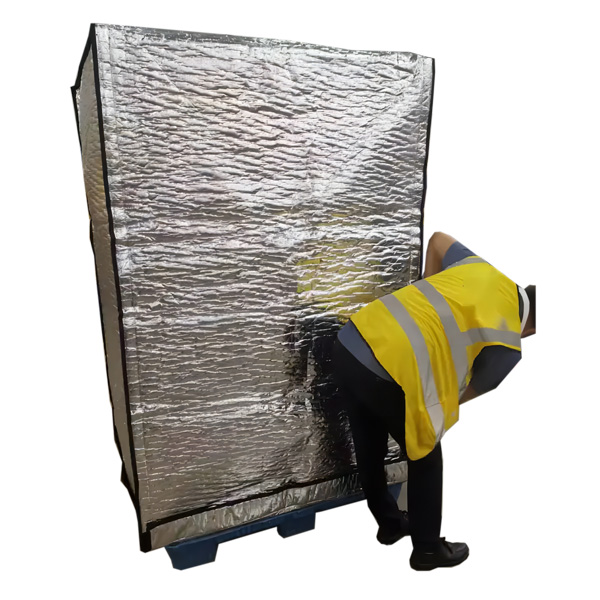
A Tempk oferece categorias de embalagens com controle de temperatura que incluem caixas isoladas, sacos isolados, capas térmicas para paletes, e pacotes frios. Podemos revisar um resumo de remessa personalizado cobrindo os requisitos do produto, dimensões da caixa, refrigerante, exposição da rota, método de montagem, e escala de pedidos. Tempk não publica uma página de produto padrão para uma caixa isolada com bolha de alumínio, portanto, os compradores não devem assumir uma construção ou desempenho fixo. Qualquer opção proposta deve ser avaliada através da sua amostra específica, documentos, e condições de teste de embalagem completa.
Comece com evidências: Envie à Tempk o resumo da sua pista e o desenho de carga mínima para comparar formatos de embalagem adequados e definir o que deve ser testado antes de um pedido de produção.