Um guia de compra melhor para pastilhas de gelo em gel para remessa de produtos químicos sensíveis à temperatura
O atacado de produtos químicos com inserção de gelo em gel é melhor abordado como uma decisão do sistema, não é uma compra de mercadoria. Uma inserção de gelo em gel para atacado de produtos químicos é uma fonte passiva de frio usada em torno de reagentes sensíveis à temperatura ou formulações industriais que devem permanecer frias durante o transporte. Ajuda a amortecer a temperatura da embalagem, mas não substitui a embalagem, rotulagem, ou regras de segregação que se aplicam ao próprio produto químico.
Os compradores mais confiáveis começam pela rota, produto, e perfil de risco, em seguida, escolha o formato de refrigerante que se adapta a essas condições. Nem todos os produtos químicos devem ser embalados como alimentos ou produtos médicos. Compatibilidade, contenção de vazamento, e a classificação de perigo vêm em primeiro lugar. Essa abordagem geralmente leva a um melhor controle de temperatura, manuseio mais limpo, e menos surpresas quando o volume aumenta.
O que é o produto – e o que não é
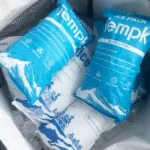
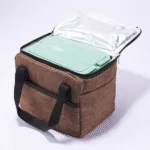
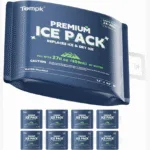
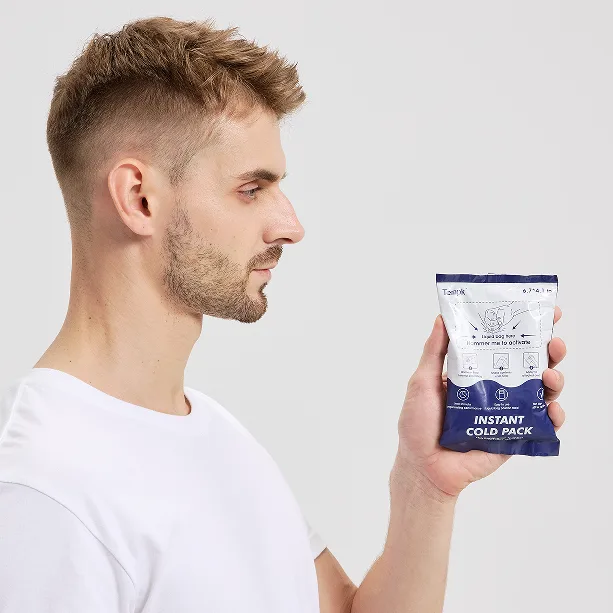
Inserções de gelo em gel para transporte de produtos químicos sensíveis à temperatura são melhor considerados como fontes de frio controladas dentro de um expedidor passivo. Eles não são refrigeração ativa, eles não são certificados de conformidade universais, e eles não compensam um mau layout da caixa. Seu valor reside em fornecer um buffer térmico previsível que pode ser condicionado, contado, colocado, e avaliado como parte de um sistema de embalagem mais amplo.
Essa distinção é importante porque os compradores muitas vezes se concentram demais no refrigerante e se concentram pouco na rota. O controle de temperatura é criado pela interação entre a fonte fria, o isolamento, a carga útil, e as condições de manuseio. Depois de ver o produto dessa maneira, as questões dos fornecedores tornam-se mais claras e as compensações de formato tornam-se mais fáceis de julgar.
Como combinar a fonte fria com a rota
Comece com o requisito de carga útil e a duração real da pista, incluindo tempo de embalagem, morada da transportadora, exposição de última milha, e atraso no recebimento. Então olhe para o sistema isolado, não apenas o refrigerante. Uma embalagem mais fina em uma caixa isolada bem ajustada pode superar uma embalagem mais pesada em um layout ruim. O objetivo é manter a banda certa por tempo suficiente com o mínimo de complexidade desnecessária.
Próximo, decidir quanta padronização a operação precisa. Se a mesma caixa funcionar repetidamente com um mix de produtos estável, formatos rígidos tornam-se mais fáceis de justificar porque simplificam a contagem e a colocação. Se os tamanhos das caixas ou as cargas dos produtos mudarem com frequência, inserções flexíveis ou embalagens interligadas podem proporcionar melhor eficiência geral da embalagem. Finalmente, levar em conta a sazonalidade. O calor do verão e o frio do inverno podem apontar para diferentes estados de condicionamento ou até mesmo para diferentes embalagens aprovadas.
Materiais, construção, e comportamento térmico
As páginas públicas de produtos no mercado da cadeia de frio mostram que nem todas as embalagens de gel se comportam da mesma maneira. As embalagens refrigeradas são comumente oferecidas com formulações projetadas em torno de um ponto de fusão de 0°C., enquanto os produtos de distribuição congelada podem usar fórmulas de temperatura suprimida em torno de -23°C ou outros pontos de ajuste mais baixos. Alguns formatos sem suor adicionam uma camada externa tecida ou absorvente para controlar a condensação. Tijolos rígidos podem usar um invólucro de plástico durável em torno de um núcleo de gel ou PCM. Essas diferenças afetam o tempo de congelamento, dureza superficial, resistência à perfuração, comportamento de umidade, e a taxa de transferência de calor para a carga útil.
A geometria é tão importante quanto a química. Inserções planas maximizam a cobertura da parede, folhas vinculadas envolvem bem conteúdos irregulares, e tijolos rígidos proporcionam massa térmica concentrada com contagem mais fácil na linha de embalagem. Nenhum desses formatos é universalmente melhor. A escolha certa depende do espaço disponível na caixa, o layout do produto, se a rota é resfriada ou congelada, e se seus operadores precisam de velocidade, flexibilidade, ou disciplina estrita de contagem de matilhas.
O condicionamento é outra variável importante. Uma embalagem pode ser tecnicamente correta no papel e ainda assim falhar na prática se estiver subcongelada, supercongelado para a aplicação, ou encenado por muito tempo no ambiente antes do boxe. Em muitos pack-outs falhados, o problema não é a fórmula do gel em si, mas as condições inconsistentes do freezer, instruções de trabalho pouco claras, ou uma incompatibilidade entre o estado da embalagem e os requisitos do produto.
Limites de qualidade e conformidade
Para remessas de produtos químicos, a questão térmica está por trás de uma questão maior de embalagem: quais regras se aplicam ao próprio produto químico? Se o material for perigoso, o ofertante ainda deve seguir os regulamentos de transporte aplicáveis para embalagens, marcação, documentação, e manuseio. Uma inserção de gel ou pacote de gel é apenas um auxílio térmico dentro de um design de embalagem mais amplo e compatível.
As regras de armazenamento e recebimento também são importantes. Boas orientações laboratoriais e de EHS geralmente exigem contenção secundária para produtos químicos líquidos, rotulagem apropriada, e a utilização de equipamentos de refrigeração adequados à classe química envolvida. Também alerta contra o armazenamento de produtos inflamáveis em refrigeradores ou freezers domésticos padrão.. Em outras palavras, a bolsa fria pode ajudar a remessa a chegar sob controle, mas não elimina a necessidade de armazenamento adequado e gerenciamento de perigos depois que a embalagem é aberta.
Por que o custo total de uso é uma métrica melhor do que o preço por peça
Uma cotação de atacadista geralmente torna o preço do pacote unitário visível e deixa o resto oculto. Mas as operadoras ainda pagam pela capacidade do freezer, trabalho de linha, deslocamento do espaço do produto, volume extra ondulado, etiquetas danificadas, retorna, e problemas de atendimento ao cliente causados por má apresentação ou variação de temperatura. É por isso que uma bolsa fria um pouco mais cara ainda pode reduzir o custo geral se caber melhor na caixa ou reduzir problemas de manuseio..
Pela mesma razão, os compradores devem comparar as famílias de embalagens com o sistema isolado que pretendem usar. A fonte de frio em papel com melhor desempenho ou mais sustentável pode não ser a mais econômica, uma vez que o tamanho da caixa, custo de frete, e as condições de recepção são adicionadas à equação. Bons distribuidores ajudam as equipes a ter uma visão mais ampla.
Qual formato geralmente faz mais sentido?
Os compradores geralmente vão mais longe comparando formatos em termos operacionais, em vez de perguntar qual refrigerante é o “melhor” em abstrato. A escolha certa depende de como a caixa está embalada, quão sensível é o produto ao contato direto com o frio, e quão padronizados são realmente a rota e o design da caixa.
| Formatar | Melhor quando | Força principal | Cuidado principal |
|---|---|---|---|
| Inserção plana | Caixas estreitas e proteção nas paredes laterais | Uso eficiente do espaço ao redor de garrafas ou kits | Massa térmica limitada se a pista for mais longa que o esperado |
| Tijolo rígido | Layouts estáveis e maior capacidade de frio | Posicionamento previsível e durabilidade | Menos adaptável em torno de contêineres irregulares |
| Pacote PCM condicionado | Produtos sensíveis ao resfriamento excessivo | Pode reduzir o risco de contato frio agressivo | Maior complexidade e custo de fornecimento |
Uma regra útil é simples: se a embalagem for altamente padronizada e o produto puder tolerar um layout mais rígido, tijolos e blocos ficam mais atraentes. Se o mix de produtos muda frequentemente ou a embalagem apresenta muitas lacunas irregulares, formatos mais planos ou mais flexíveis geralmente proporcionam melhor eficiência de embalagem.
Uma lista de verificação prática de fornecedores
Porque a questão por trás da inserção de gelo em gel no atacado de produtos químicos claramente traz intenção de compra a granel, a seleção do fornecedor deve ir além do preço básico e da quantidade de caixas. Uma lista prática geralmente se resume às perguntas abaixo.
1. Compatibilidade química com o filme externo, concha, e qualquer provável ambiente de vazamento se o contêiner primário falhar.
2. Como a inserção se ajusta à contenção secundária, absorvente, e divisórias já utilizadas na embalagem.
3. Se a embalagem se destina ao condicionamento refrigerado, condicionamento congelado, ou ambos.
4. Resistência à perfuração e design de vedação sob as condições de manuseio do seu armazém e transportadores.
Ferramentas úteis de decisão
Verifique os detalhes antes de escolher a embalagem
Essas ferramentas rápidas podem ajudá-lo a comparar o risco da rota, necessidades de dimensionamento, escolhas de refrigerante, e detalhes da embalagem antes de solicitar um orçamento.
Calculadora de bolsa de gelo
Estime a quantidade de bolsas de gelo em gel para remessas refrigeradas e planejamento prático de rotas.
Estimar bolsas de geloVerificador de risco de rota
Revise as condições da pista antes de selecionar a embalagem para requisitos operacionais reais.
Verifique o risco da rotaSeletor de embalagens
Compare opções de embalagens isoladas por produto, rota, e necessidade de temperatura.
Encontre embalagens5. Comportamento de condensação, especialmente quando os rótulos, Pacotes SDS, ou documentos em papel acompanham a remessa.
6. Rastreabilidade de lote e controle de mudanças, o que importa mais quando uma embalagem faz parte de um processo de envio validado ou regulamentado.
7. Suporte do fornecedor para qualificar a inserção em combinação com a embalagem externa e as camadas de contenção escolhidas.
8. Orientações claras sobre armazenamento e condicionamento para que as equipes do armazém não improvisem o estado da embalagem.
Observe quantas dessas perguntas são realmente sobre consistência, e não sobre desempenho do título. Em escala de atacado, dimensões estáveis, preenchimento repetível, instruções claras de condicionamento, e o suporte técnico responsivo geralmente é mais importante do que reivindicações impressionantes, mas isoladas, de retenção de frio.
Pontos de falha que os compradores não devem ignorar
Os pontos fracos mais comuns são silenciosos e processuais: temperatura inconsistente do freezer, pacotes subcondicionados, mudou de filme ou preenchimento sem aviso prévio, má separação do produto para a embalagem, e embalagens que nunca foram revisadas para extremos sazonais. Esses problemas são frequentemente diagnosticados erroneamente como uma falha geral da bolsa fria quando o verdadeiro problema é o controle do processo.
Outro ponto de falha é a incompatibilidade de documentação. O departamento de compras pode aprovar um pacote com base no peso e nas dimensões aproximadas, enquanto as operações realmente precisam de instruções detalhadas de condicionamento, controle de tolerância, recebendo cheques, e clareza sobre onde a embalagem deve ficar na caixa. Um fornecedor que não consegue suportar esses detalhes é mais difícil de escalar, mesmo que a amostra parecesse aceitável.
Uma maneira prática de revisar o pack-out antes de dimensionar
Imagine uma remessa normal em distribuição de produtos químicos sensíveis à temperatura: o produto é embalado na temperatura inicial pretendida, o refrigerante é condicionado de acordo com as instruções, os componentes isolados são montados na linha, e a caixa passa por transferências reais da transportadora antes do recebimento final. Esse cenário simples é mais útil do que uma afirmação abstrata de retenção a frio porque revela se a embalagem cabe perfeitamente na caixa., se os operadores podem colocá-lo de forma consistente, e se a carga útil está protegida onde é mais vulnerável.
Antes da implementação completa, os compradores devem testar mais de uma condição realista. Olhe para uma pista de dia quente, uma pista de rotina, e qualquer rota com entrega incomum ou atraso de recebimento. Um atacadista que apoia esse tipo de análise prática geralmente agrega muito mais valor do que aquele que apenas cita o próximo preço em minúsculas..
Perguntas frequentes
Uma inserção de gel torna uma remessa perigosa compatível?
Não. Pode ajudar a controlar a temperatura, mas a conformidade com materiais perigosos depende da classificação química e da embalagem aplicável, marcação, e regras de documentação.
Posso usar a mesma pastilha de gel para alimentos e produtos químicos??
Somente se o material couber, design de embalagem, e o risco de contaminação são aceitáveis para ambas as aplicações. Muitas operações mantêm essas escolhas separadas.
Por que os compradores de produtos químicos perguntam sobre a contenção secundária?
Porque uma fonte fria tem que funcionar com proteção contra vazamentos, absorvente, e contenção de contêineres em vez de interferir com eles.
Conclusão final
Para a maioria dos compradores, a escolha vencedora não é o pacote mais frio ou o tijolo mais grosso. É o formato do refrigerante que proporciona o comportamento correto da temperatura, o manuseio mais limpo, e o fornecimento mais confiável para as pistas que você realmente percorre. É isso que transforma a compra de uma bolsa fria em um padrão operacional estável.
Sobre Tempk
E Tempk, nos concentramos em produtos de controle de temperatura desde 2011. A nossa gama inclui bolsas de gelo em gel, sacos isolados, insulation boxes, e outro embalagem com temperatura controlada para comida, farmacêutico, e outras remessas sensíveis. Também apoiamos soluções de embalagens personalizadas e publicamos informações orientadas para a qualidade sobre o desempenho do isolamento, comportamento de mudança de fase, e testes de produtos. Para equipes que avaliam embalagens com temperatura controlada para remessas sensíveis, podemos ajudar a conectar a escolha da fonte fria com o design do remetente, perfil de rota, e modelo de manuseio.
Próximo passo
Se você estiver revisando uma pista atual ou planejando uma nova, peça orientação com base na faixa de temperatura necessária, tempo de trânsito, e formato do pacote. Para projetos em massa ou personalizados, ajuda a comparar o refrigerante e o expedidor isolado junto.
O que um atacadista ou distribuidor forte deve adicionar
Os melhores fornecedores fazem mais do que entregar caixas de pacotes frios. Eles ajudam a esclarecer qual formato se adapta a qual faixa, fornecer documentação que as operações possam realmente usar, e manter a consistência da amostra até a produção sob controle. Isso é importante porque os problemas de temperatura são frequentemente causados por instruções ambíguas e variações silenciosas do produto, e não pelo próprio conceito do refrigerante..
Em escala, a aquisição também depende dos princípios básicos do serviço: confiabilidade de estoque, velocidade de substituição, tempo de resposta técnica, e a capacidade de suportar revisões sazonais. Esses não são critérios de compra glamorosos, mas muitas vezes determinam se um programa de embalagem permanece estável ao longo do tempo.