A escolha de um refrigerante é uma das decisões mais importantes em embalagem da cadeia de frio. Pacotes de gel, gelo seco, e pacotes PCM podem proteger Produtos sensíveis à temperatura, mas eles não são intercambiáveis. A escolha certa depende da faixa de temperatura do produto, massa de carga útil, duração da rota, risco de congelamento permitido, regras da operadora, necessidades de documentação, e experiência de recebimento do cliente.
Para compradores B2B, o objetivo não é escolher o refrigerante mais frio. O objetivo é escolher o refrigerante que mantenha o produto dentro da faixa de temperatura exigida pelo tempo necessário., sob condições de manuseio realistas, com segurança aceitável, custo, conformidade, e experiência de marca.
Resposta rápida
Os pacotes de gel são geralmente o ponto de partida para remessas resfriadas e refrigeradas. A FedEx descreve refrigerantes em gel para produtos que devem permanecer entre 34°F / 1°C e 50°F / 10°C. O gelo seco é usado quando os produtos devem permanecer congelados, mas sublima a -78,5°C / -109.3°F e requer ventilação, marcação, e manuseio de controles. Os pacotes PCM são usados quando o pacote precisa de absorção e liberação de calor mais controladas em torno de uma faixa específica de mudança de fase.
Comparação de refrigerante com base na fonte
| Tipo de refrigerante | Parâmetro baseado na fonte | Uso mais adequado da cadeia de frio | Risco principal a controlar |
|---|---|---|---|
| Pacote de gel / refrigerante em gel | A FedEx descreve refrigerantes em gel para remessas que precisam ficar entre 34°F / 1°C e 50°F / 10°C. | Comida gelada, mercado, kits de refeições, frutos do mar mantidos acima do ponto de congelamento, cosméticos, alguns pacotes refrigerados. | Massa de refrigerante insuficiente, risco de congelamento por contato direto, condensação, vazamento, caixas molhadas. |
| Gelo seco | USGS afirma que o gelo seco sublima a -78,5°C / -109.3°F. | Alimentos congelados, frutos do mar congelados, sorvete, materiais ultracongelados, e pistas onde os pacotes de gel não conseguem manter as condições de congelamento. | Pressão do gás CO2, ventilação, risco de congelamento, congelamento excessivo, marcação, aceitação da transportadora. |
| Pacote pcm | ScienceDirect define materiais de mudança de fase como materiais que absorvem e liberam grandes quantidades de calor durante a mudança de fase, muitas vezes perto de uma faixa de temperatura estável. | 2-8°C farmacêutico, produtos refrigerados de banda estreita, programas de temperatura ambiente controlada, sistemas validados premium. | Temperatura de mudança de fase incorreta, mau condicionamento, custo, especificação de fornecimento, necessidades de validação. |
| Bolsa de gelo para injeção de água | Usa água ou refrigerante à base de água preenchido antes do uso; o desempenho final depende do congelamento e do design da embalagem. | Programas de alto volume de alimentos e mercearias que necessitam de menor frete de entrada e armazenamento mais fácil no armazém antes da hidratação. | Qualidade de enchimento, integridade do selo, congelar o tempo, treinamento de operadores. |
Quando os pacotes de gel são o ponto de partida certo
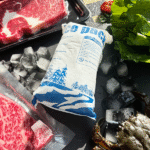
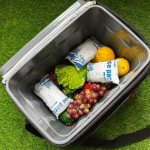
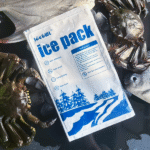
Os pacotes de gel são amplamente utilizados porque são familiares, acessível, e fácil de integrar com sacos isolados, Caixas EPS, forros de caixa, Resfriadores EPP, e caixas de encomendas. Muitas vezes são a primeira opção para alimentos refrigerados, entrega de mercearia, refeições preparadas, Frutos do mar frescos, cosméticos, e pedidos refrigerados de comércio eletrônico.
Um pacote de gel é apropriado quando o produto deve permanecer frio, mas não necessariamente congelado. Também é útil quando o cliente receptor espera uma limpeza, refrigerante não perigoso. Para kits de refeição e entrega de mantimentos, a experiência do usuário final é importante: o pacote de gel não deve vazar, molhar demais a caixa, ou tornar o descarte confuso.
No entanto, pacotes de gel não são uma solução universal. Um pacote de gel congelado pode criar pontos de congelamento locais se tocar no medicamento, salada, chocolate, ou outros produtos sensíveis ao congelamento. No envio de encomendas de verão de longa distância, a massa do pacote de gel pode precisar ser maior do que o esperado. Em uma caixa com isolamento fraco, simplesmente adicionar mais pacotes de gel pode tornar a caixa pesada e ainda falhar no caminho.
Quando o gelo seco ainda é necessário
O gelo seco é a fonte de resfriado comum mais forte em remessas de encomendas e aéreas. Pode manter os produtos congelados onde os pacotes de gel só podem mantê-los refrigerados. Isso torna o gelo seco relevante para frutos do mar congelados, sorvete, carne congelada, refeições preparadas congeladas, e alguns materiais de laboratório ultracongelados.
Mas o gelo seco não é apenas um pacote de gel mais frio. É dióxido de carbono sólido. Como se sublima, torna-se gás. A embalagem não deve ser hermética e deve permitir a liberação de gases. A PHMSA afirma que Pacotes de gelo seco usado como refrigerante deve ser projetado para permitir a liberação de gás para evitar o acúmulo de pressão e deve ser marcado com o nome de remessa e número de identificação adequados, como “Gelo seco,UN1845, e massa líquida quando aplicável. A orientação PackSafe da FAA também afirma que os pacotes de gelo seco não devem ser herméticos e devem permitir ventilação.
O gelo seco também cria riscos para a qualidade do produto. Pode congelar demais os produtos, danificar rótulos ou recipientes por frio extremo, e criar um problema de segurança para embaladores e receptores. A orientação da UPS para remessas de alimentos e perecíveis recomenda manter o conteúdo separado do gelo seco e usar espuma EPS dentro de embalagens de papelão ondulado.
Quando os pacotes de PCM são melhores que os pacotes de gel padrão
Os pacotes PCM são úteis quando o cliente precisa de melhor controle de temperatura em torno de uma banda escolhida. Um material de mudança de fase absorve calor à medida que derrete e libera calor à medida que congela.. Este comportamento do calor latente pode ajudar a reduzir as oscilações de temperatura quando o PCM é selecionado e condicionado corretamente.
Ferramentas úteis de decisão
Verifique os detalhes antes de escolher a embalagem
Essas ferramentas rápidas podem ajudá-lo a comparar o risco da rota, necessidades de dimensionamento, escolhas de refrigerante, e detalhes da embalagem antes de solicitar um orçamento.
Seletor de embalagens
Compare opções de embalagens isoladas por produto, rota, e necessidade de temperatura.
Encontre embalagensResistência à queda de material de isolamento
Revise a resistência à queda e os fatores de manuseio antes de escolher materiais de isolamento.
Verifique a resistênciaReferência de material de isolamento
Compare as opções de materiais de isolamento para diferentes necessidades de embalagens da cadeia de frio.
Compare materiaisAs embalagens de PCM são frequentemente consideradas para remessas farmacêuticas de 2 a 8°C, produtos refrigerados controlados, especialidades biológicas, e embalagens onde os danos por congelamento são uma grande preocupação. Eles também são úteis quando a marca precisa de um documento, embalagem repetível em vez de uma abordagem simples de “adicionar mais gelo”.
A desvantagem é que os pacotes PCM exigem especificações mais precisas. A temperatura de mudança de fase, Design de contêiner, método de condicionamento, layout de carga útil, e o perfil de teste devem estar alinhados. Se o PCM estiver condicionado incorretamente, pode não funcionar como pretendido. PCM é, portanto, um componente de design de solução, não apenas um refrigerante de commodity.
Matriz de decisão para compradores empresariais
| Pergunta do comprador | Melhor opção de partida | Por que |
|---|---|---|
| O produto deve chegar refrigerado, mas não congelado. | Pacote de gel ou pacote PCM | Pacotes de gel são econômicos; PCM pode reduzir o risco de congelamento em bandas mais estreitas. |
| O produto deve permanecer congelado. | Gelo seco ou sistema PCM congelado | O gelo seco é comumente usado para remessas congeladas, mas requer ventilação e marcações. |
| A remessa é um medicamento de 2-8°C. | Pacote PCM ou pacote de gel sem congelamento | O principal risco não é apenas o aquecimento, mas também o congelamento devido ao contato direto com o líquido refrigerante. |
| A rota é entrega de comida local. | Pacotes de gel, pacotes de injeção de água, sacos ou forros isolados | Menor complexidade regulatória e melhor manuseio pelo usuário final. |
| A marca quer embalagens de marca própria. | Pacotes de gel, pacotes de injeção de água, sacos isolados | Esses componentes podem suportar impressão de logotipo e instruções de estilo de varejo. |
| A rota inclui embarque aéreo com gelo seco. | Pacote de gelo seco com revisão de conformidade | O envio aéreo requer ventilação, marcação, e procedimentos de aceitação da transportadora. |
| O comprador deseja menor frete de entrada e armazenamento em armazém. | Bolsas de gelo para injeção de água | Os pacotes são enviados compactos antes do enchimento, então são hidratados e congelados perto do uso. |
Como pensar sobre a massa do refrigerante
A massa do refrigerante não deve ser copiada da caixa de um concorrente. A quantidade necessária depende da massa do produto, temperatura inicial, isolamento, dimensões da caixa, perfil de temperatura ambiente, tempo de trânsito, e a margem de segurança. Uma caixa maior com mais espaço livre precisa de um posicionamento de refrigeração diferente do que uma caixa pequena. bolsa isolada. Uma refeição refrigerada a 2-4°C necessita de uma estratégia diferente de um pedido de marisco congelado que sai do congelador a -18°C.
Para um primeiro desenho, crie um orçamento térmico usando a massa do produto, tipo de isolamento, duração da rota, e risco ambiental. Em seguida, valide por meio de um pacote de amostra com um registrador de dados. Para clientes corporativos, a especificação final deve incluir o tamanho do refrigerante, quantidade, tempo de condicionamento, colocação, insulation format, tamanho da caixa, e sequência de embalagem.
Regras práticas de embalagem
| Regra | Aplicativo |
|---|---|
| Pré-condicione o líquido refrigerante e o isolamento antes de embalar. | A FedEx recomenda congelar refrigerantes em gel e pré-resfriar o contêiner isolado quando for prático. |
| Use forro plástico e material absorvente onde a água derretida, purga, ou pode ocorrer condensação. | Ajuda a evitar caixas molhadas e protege a etiqueta de envio. |
| Evite o contato direto entre o líquido refrigerante congelado e produtos sensíveis ao congelamento. | Especialmente importante para a medicina, chocolate, produzir, e alimentos preparados delicados. |
| Permitir que os pacotes de gelo seco sejam ventilados. | A sublimação de gelo seco cria risco de gás e pressão. |
| Teste o pacote completo, não o refrigerante sozinho. | O desempenho do refrigerante depende do isolamento, carga útil, colocação, e exposição da rota. |
Perguntas frequentes
Os pacotes de gel são mais seguros do que gelo seco?
Para muitas remessas refrigeradas, os pacotes de gel são mais fáceis de manusear porque não liberam gás dióxido de carbono e não exigem marcação com gelo seco. No entanto, pacotes de gel ainda podem vazar, congelar produtos sensíveis, ou criar condensação se o pacote for mal projetado.
O gelo seco pode ser usado para alimentos resfriados?
Pode estar muito frio para muitos produtos refrigerados. O gelo seco pode congelar produtos que deveriam permanecer refrigerados. Usar separação, buffer, e testes específicos do produto se o gelo seco for considerado para remessas refrigeradas.
Os pacotes de PCM são sempre melhores do que os pacotes de gel??
Não. Os pacotes PCM são melhores quando a temperatura de mudança de fase e o método de condicionamento correspondem ao envio. Para rotas refrigeradas simples, um pacote de gel e um sistema de isolamento bem testados podem ser mais econômicos.
O que deve ser testado antes da aprovação?
Teste o pacote completo: carga do produto, Carton, isolamento, refrigerante, colocação, condicionamento, perfil de rota, e localização do registrador de dados. Não aprove um refrigerante com base apenas em sua folha de especificações.
Conclusão final
Pacotes de gel, gelo seco, e os pacotes PCM resolvem diferentes problemas da cadeia de frio. Pacotes de gel geralmente são melhores para distribuição refrigerada, gelo seco é usado para embalagens congeladas, mas requer ventilação e controles de transporte, e os pacotes PCM são úteis quando uma faixa de temperatura mais estreita ou um design sem congelamento é necessário. O melhor refrigerante é aquele que mantém a carga útil dentro do alcance durante a rota real, não aquele que parece mais frio no papel.