Escolhendo Manta de gelo em gel Kit de refeições no atacado para condições reais de cadeia de frio e manuseio
A maioria dos compradores obtém melhores resultados com o kit de refeição com manta de gelo em gel no atacado quando definem pela primeira vez a janela de temperatura, perfil de trânsito, e geometria da embalagem que o produto deve suportar.
Para entrega de kit de refeição e envio direto de alimentos refrigerados ao consumidor, a resposta mais confiável geralmente é a mesma: escolha o pacote somente depois de conhecer a faixa de temperatura alvo, a duração da rota ou janela de manuseio, a geometria da carga útil, e o nível de documentação que sua equipe precisa. Isso mantém o sourcing vinculado ao desempenho e não à linguagem de marketing.
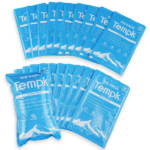
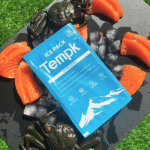
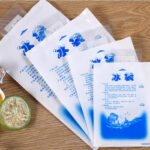
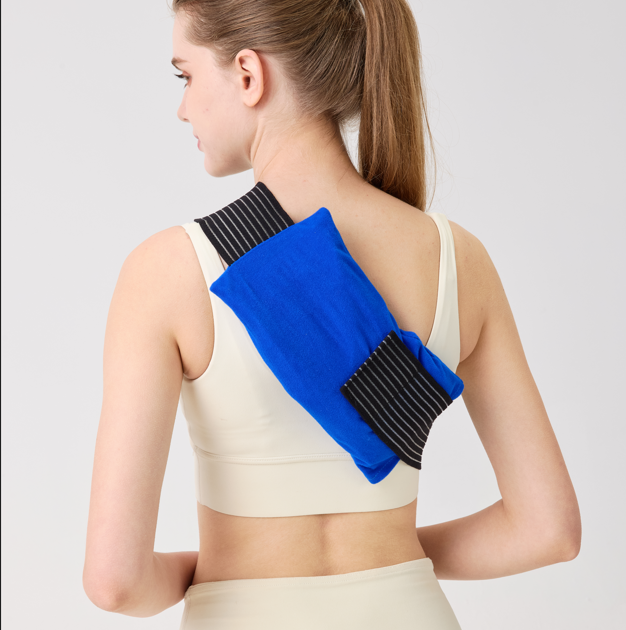
Na logística do kit refeição, uma manta de gelo em gel geralmente é uma folha interligada de células refrigerantes, em vez de um único pacote de travesseiros. O design vinculado é importante porque envolve ou envolve as bandejas, bolsas, ou pacotes de ingredientes de maneira mais uniforme, o que ajuda a reduzir pontos quentes dentro de uma caixa rasa. Os compradores geralmente escolhem este formato quando a velocidade de montagem, armazenamento plano, e a geometria compacta do pacote são tão importantes quanto a capacidade bruta de resfriamento.
Dito isto, uma manta de gel é apenas uma parte da embalagem. A segurança alimentar ainda depende da temperatura inicial dos ingredientes, o nível de isolamento da caixa, o número e a colocação de refrigerantes, e quanto tempo a caixa pode ficar em uma van, depósito de encomendas, ou na porta do cliente. A orientação pública sobre segurança alimentar para produtos perecíveis entregues é clara quanto ao resultado que você precisa: produtos devem chegar congelados, parcialmente congelado, ou na temperatura da geladeira, geralmente 40°F ou menos.
Definir o produto antes de comparar fornecedores
Uma manta de gelo em gel pode ser um excelente formato de refrigerante para kits de refeições resfriadas, mas não é a mesma coisa que um totalmente qualificado sistema de transporte com temperatura controlada. A manta contribui com energia de resfriamento. O isolamento, geometria da caixa, padrão de carregamento do produto, temperatura inicial do produto, e a exposição de última milha ainda determina se as proteínas, laticínio, molhos, e os produtos chegam em condições aceitáveis.
Essa distinção é importante nas compras. Os compradores às vezes comparam SKUs gerais isoladamente, ainda assim, a verdadeira decisão de compra é sobre o desempenho do sistema em uma rota. Uma embalagem que parece impressionante em um folheto de fornecedor pode ter um desempenho inferior se a caixa tiver grandes vazios, a carga útil está embalada quente, ou o tempo de permanência na porta é maior do que o pacote foi projetado para suportar.
Para alimentos enviados, a referência pública mais útil é baseada em resultados: produtos perecíveis devem chegar congelados, parcialmente congelado, ou na temperatura da geladeira, geralmente 40°F ou menos. Esse requisito leva os compradores a validar todo o sistema de embalagem, não apenas a folha de refrigerante.
O que impulsiona o desempenho em uso real
Uma manta de gel funciona porque armazena energia de resfriamento em um preenchimento à base de água ou PCM e, em seguida, libera essa energia à medida que o calor se move da carga útil mais quente e do ambiente ambiente para o refrigerante. Para kits de refeições refrigeradas, o objetivo geralmente não é deixar a comida cada vez mais fria. O objetivo é retardar o aumento da temperatura e manter os ingredientes em local refrigerado e seguro durante todo o percurso..
O desempenho térmico vem de mais do que o preenchimento interno. O invólucro ou filme deve permanecer flexível o suficiente para o estado de condicionamento pretendido, resistir a perfurações ou fadiga de costura, e preservar uma geometria repetível em torno da carga útil. Mesmo uma boa química de refrigerante pode decepcionar se a forma preenchida mudar muito após o congelamento, se as células distribuem massa de forma desigual, ou se o exterior se tornar difícil de manusear no fluxo de trabalho real.
A geometria é especialmente importante porque o calor não entra uniformemente no transportador ou na configuração de manuseio. Formatos planos criam um contato mais amplo e podem reduzir o espaço morto. Tijolos mais grossos ou embalagens mais densas podem armazenar energia de resfriamento por mais tempo, mas também ocupam mais volume e podem criar pontos de contato locais mais frios. O equilíbrio correto depende se você precisa de cobertura uniforme, maior tempo de espera, embalagem mais fácil, manuseio mais limpo, ou uma janela de temperatura mais controlada.
O layout da célula altera o desempenho mais do que muitos compradores esperam. Pequenas células conectadas distribuem o refrigerante por mais área de superfície, o que melhora a cobertura de contato. Células maiores geralmente mantêm sua massa por mais tempo, mas podem resfriar de maneira menos uniforme em caixas rasas. A estrutura do filme também é importante. A embalagem deve sobreviver a congelamentos repetidos, flexão, e manuseio da linha sem rachaduras quebradiças ou falhas na costura.
Combinando o formato com o caso de uso
O caso de uso mais adequado depende da compensação que mais lhe interessa: cobertura, duração, manuseio, repetibilidade, controle de condensação, experiência do receptor, ou buffer de temperatura mais rígido. Os padrões comuns abaixo ajudam os compradores a comparar essas compensações rapidamente.
| Formatar | Melhor ajuste | Força principal | Limitação principal | O que os compradores devem verificar |
| Manta de gel vinculada | Pacote de kit de refeição de alta velocidade | Colocação rápida e ampla cobertura | Não é o tempo de espera mais longo em caixas altas | Layout da célula, espessura congelada, orientação do pacote |
| Pacote de gel de travesseiro padrão | Pacotes refrigerados simples | Baixo custo unitário e muitos tamanhos de estoque | Pode deixar pontos quentes em caixas planas | Tolerância de peso de preenchimento e resistência de costura |
| Tijolo de gelo rígido ou pacote tipo tijolo | Rotas mais longas ou cargas mais pesadas | Forma estável e maior resistência à compressão | Ocupa mais espaço e pode ser mais lento para colocar | Tempo de condicionamento e eficiência do cubo |
| Formato adequado para drenagem ou descarte pelo consumidor | Programas DTC com alto retorno de reclamações sobre desperdício | Melhor experiência de descarte para o usuário final | A reivindicação deve ser específica do fornecedor, não genérico | Sds, instruções de descarte, e apoio a reclamações de águas residuais |
Linhas de montagem rápida de kits de refeição
As equipes de kits de refeição gostam de formatos cobertores porque são fáceis de organizar em pilhas, rápido para agarrar a linha, e menos complicado do que pequenas embalagens soltas quando os trabalhadores precisam atingir uma meta alta de caixas por minuto. Muitas vezes, uma folha vinculada pode ser colocada em um movimento abaixo ou sobre um pacote de ingredientes, o que melhora a consistência entre os turnos.
O verdadeiro benefício é a repetibilidade. Se cada caixa receber a mesma orientação da manta, mesmo método de pré-condicionamento, e mesmo número de refrigerantes, seu desempenho térmico é mais fácil de mapear e sua investigação de devoluções fica muito mais limpa.
Caixas rasas com ingredientes misturados
Um cobertor funciona bem quando você tem proteínas planas, xícaras de laticínios, curativos, e produzir compartilhando uma caixa. Em vez de resfriar apenas uma borda da carga útil, o cobertor cria uma cobertura de contato mais ampla. Isso pode ser útil em caixas onde a pilha de produtos é baixa e o ganho de calor lateral é um problema maior do que a pressão de empilhamento vertical.
É menos ideal quando a carga útil tem grandes espaços vazios, pacotes muito altos, ou um requisito de congelamento que exige uma estratégia de refrigerante mais frio. Nesses casos, um tijolo rígido ou um formato PCM diferente pode manter a forma e a energia por mais tempo.
Última milha voltada para o cliente
Os kits de refeição são incomuns porque o receptor é um consumidor, não é uma equipe de armazém treinada. Isso muda os critérios de compra. Instruções de descarte, condensação de superfície, resistência a vazamentos, e a facilidade de reutilização da embalagem em casa influenciam a percepção da marca.
Ferramentas úteis de decisão
Verifique os detalhes antes de escolher a embalagem
Essas ferramentas rápidas podem ajudá-lo a comparar o risco da rota, necessidades de dimensionamento, escolhas de refrigerante, e detalhes da embalagem antes de solicitar um orçamento.
Calculadora de bolsa de gelo
Estime a quantidade de bolsas de gelo em gel para remessas refrigeradas e planejamento prático de rotas.
Estimar bolsas de geloGerador de lista de verificação de conformidade
Crie uma lista de verificação prática para revisão de embalagens, envio, e documentação.
Lista de verificação de construçãoRefrigerante & Referência PCM
Compare as opções de refrigerante e PCM quando uma rota precisar de suporte adicional de temperatura.
Comparar opçõesÉ por isso que algumas marcas de kits de refeição perguntam sobre enchimentos adequados para drenagem, formatos externos recicláveis na calçada, ou exteriores anti-condensação. O desempenho térmico ainda vem em primeiro lugar, mas a experiência do receptor não é mais opcional.
O que confirmar antes de passar da amostra para o pedido em massa
Quando as equipes de operações do kit de refeição, gerentes de compras, e compradores de embalagens compram em volume, a melhor conversa com o fornecedor é detalhada e específica. Deve cobrir dimensões em uso condicionado, escolha de materiais, fechamento ou qualidade da costura, lidar com o estresse, rastreabilidade de lote, e as instruções práticas necessárias para as pessoas que irão congelar, pacote, mover, limpar, ou receba o produto. Uma lista curta baseada nesses pontos geralmente é mais confiável do que uma lista longa baseada apenas no preço e na quantidade mínima de pedido..
A maioria dos erros de compra acontece quando as equipes comparam os pacotes antes de terem anotado os reais requisitos operacionais. Para entrega de kit de refeição e envio direto de alimentos refrigerados ao consumidor, a decisão deve começar com a janela real de temperatura refrigerada que você precisa proteger, não apenas a palavra 'frio', em seguida, percorra o trânsito realista mais longo, além da exposição na porta, incluindo variabilidade climática e transportadora, geometria da caixa, layout do produto, e se o cobertor fica acima, abaixo, ou em torno da carga útil, e as realidades de manuseio por trás da carga de condicionamento em seu freezer e quantos pacotes congelados sua linha pode armazenar por hora. Se a remessa ou caso de uso tiver um usuário final visível, a avaliação também deve incluir a experiência do receptor, incluindo condensação, disposição, e a chance de reutilizar em casa. Essa sequência mantém a discussão ligada ao resultado da rota, em vez de catalogar a linguagem..
- Solicite dimensões condicionadas, não apenas dimensões planas em um desenho não preenchido. Um cobertor fica mais grosso quando congelado, e isso afeta o ajuste da caixa.
- Confirme a tolerância ao peso de preenchimento e a consistência célula a célula. Células irregulares alteram a área de contato e podem criar polarização térmica no kit de refeição.
- Verifique a estrutura do filme e o padrão de vedação. Kits de refeição veem atrito do transportador, tratamento de queda, e compressão sob caixas empilhadas.
- Pergunte como o fornecedor recomenda congelar e preparar os cobertores. Instruções de condicionamento inadequadas podem arruinar um produto que de outra forma seria bom.
- Se a sustentabilidade faz parte do briefing, separado reutilizável, reciclável, fácil de drenar, e reivindicações compostáveis. Eles não são intercambiáveis.
- Solicite rastreabilidade do lote de produção e controle da arte se precisar de instruções impressas ou mensagens da marca na embalagem.
- Valide a consistência da amostra até a produção. A amostra que se ajusta perfeitamente é inútil se os lotes de produção variam em espessura ou distribuição de preenchimento.
Para compras de longo prazo, o controle de mudanças é quase tão importante quanto o desempenho na primeira passagem. Os compradores devem saber o que acontece se o fornecedor alterar a estrutura do filme, grau de resina, formulação de preenchimento, padrão de selo, obra de arte, ou local de produção. Se essas mudanças não forem comunicadas e reavaliadas, um piloto bem-sucedido pode levar a um resultado de produção menos confiável sem que ninguém perceba até que as reclamações de campo comecem.
Documentação, testando, e qualificação de rota
Para kits de refeição, a orientação pública mais relevante é baseada em resultados. Os materiais de entrega de alimentos devem manter os alimentos perecíveis resfriados durante o transporte, e os produtos entregues deverão chegar congelados, parcialmente congelado com cristais de gelo visíveis, ou tão frio quanto uma geladeira, geralmente 40°F ou menos. Esse é o padrão que seu sistema de embalagem deve suportar.
Porque o receptor é um consumidor, a linguagem de descarte deve ser inequívoca. Os géis de polímero superabsorventes típicos geralmente não são tóxicos, mas ainda podem criar risco de entupimento de ralos se despejados no encanamento. Se um fornecedor alegar desempenho amigável ao dreno, peça a ficha de dados de segurança, instruções de descarte, e evidência de que a alegação se aplica à formulação exata que você está comprando.
Se os seus ingredientes tocarem diretamente na película externa do refrigerante durante a embalagem, pergunte sobre a adequação da camada externa ao contato com alimentos e sobre as expectativas de limpeza e manuseio em suas próprias instalações. A boa aquisição de kits de refeição não é apenas térmica; também é higiênico e operacional.
Um pacote de dados de fornecedor útil normalmente inclui dimensões condicionadas, peso nominal de enchimento ou faixa, descrição do material, instruções de condicionamento, janela de uso recomendado, orientação de armazenamento, e qualquer informação de teste relevante sobre vazamento, durabilidade, ou desempenho da rota. Para programas regulamentados ou sensíveis à qualidade, os compradores muitas vezes também desejam rastreabilidade do lote, controle de revisão de especificações e arte, e uma declaração clara do que o fornecedor validou versus o que ainda precisa de qualificação específica da rota por parte do expedidor.
A qualificação deve refletir a pista que você realmente planeja percorrer. Isso significa definir a temperatura da carga útil no pacote, o número e localização dos refrigerantes, a configuração de isolamento, a duração prevista do trânsito, e o perfil de exposição mais confiável. Registradores de temperatura ou outras ferramentas de monitoramento ajudam a confirmar se o pacote protege a faixa alvo nos locais mais quentes e vulneráveis, não apenas no centro geométrico do remetente.
O programa de testes mais útil para kits de refeição combina trabalho em câmara com embalagens vivas. Os dados da câmara ajudam você a entender a reserva térmica sob perfis repetíveis de calor e frio, enquanto as remessas ao vivo revelam o que realmente acontece quando as proteínas, produzir, e as inserções são embaladas na velocidade da linha e depois entregues às redes de pacotes com tempos de permanência variáveis.
Também vale separar o verão, temporada de ombro, e pacotes de inverno. Uma configuração que passa confortavelmente na primavera pode ser muito leve em uma via urbana quente, e uma configuração projetada para o pico do verão pode adicionar peso desnecessário e carga de congelamento nos meses mais frios. Portanto, boas equipes de sourcing qualificam mais de um padrão de embalagem em vez de apostar em um único layout para todo o ano.
Perguntas práticas
As mantas de gelo em gel são melhores do que as embalagens de gel padrão para kits de refeição??
Muitas vezes sim, quando o kit de refeição usa caixas rasas e ingredientes misturados. O formato da manta é mais rápido de colocar e proporciona uma cobertura de superfície mais ampla. Não é automaticamente melhor para todas as rotas, especialmente quando você precisa de mais tempo de espera ou um resultado congelado.
Posso usar qualquer manta de gel segura para drenagem em uma caixa de alimentos para consumo??
Não. As reivindicações de descarte são específicas da formulação. Alguns pacotes são projetados para dispersar com água corrente, enquanto os preenchimentos de gel típicos podem ser melhor reutilizados ou descartados no lixo. Sempre siga as instruções exatas do fornecedor para o produto que você compra.
O comprador do kit de refeição deve escolher cobertores reutilizáveis ou descartáveis?
Isso depende do modelo de retorno e do comportamento do consumidor. As embalagens reutilizáveis são práticas quando o destinatário pode guardá-las e reutilizá-las, mas uma opção de uso único ou fácil de drenar pode criar uma experiência geral melhor se as devoluções e o armazenamento do consumidor não forem realistas.
Palavra final
Para compra de kit de refeição no atacado, a manta de gelo em gel certa é aquela que cabe na sua caixa, sua velocidade de linha, sua exposição porta a porta, e seus requisitos de experiência do cliente. Um bom sourcing começa com a rota e a carga útil, não a página do catálogo do fornecedor.
O melhor resultado de aquisição geralmente vem da correspondência do refrigerante com a rota ou caso de uso exato, em seguida, testar o resultado em condições realistas, e finalmente escolher o fornecedor que possa reproduzir esse resultado de forma consistente. Essa abordagem é mais lenta do que comprar pela descrição do catálogo, mas geralmente é muito mais barato do que solucionar falhas após o lançamento.
Sobre Tempk
E tempk, nós desenvolvemos embalagem com temperatura controlada para alimentos frescos e logística biofarmacêutica, incluindo bolsas de gelo em gel, Refrigerantes baseados em PCM, remetentes isolados, e soluções de embalagem personalizadas. Nosso site também mostra R interno&D e capacidade laboratorial usada para apoiar o design e testes de embalagens. Para programas alimentares, isso importa porque a escolha do pacote tem que funcionar com o sistema de envio completo, não apenas como um item independente.
Próximo passo
Se você estiver planejando um novo pacote ou revisando um já existente, peça conselhos com base na sua temperatura alvo, duração da rota, layout da caixa, e exposição sazonal.