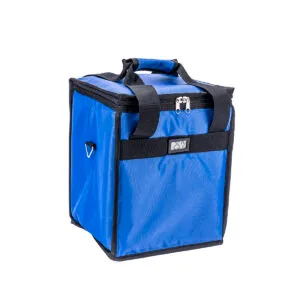
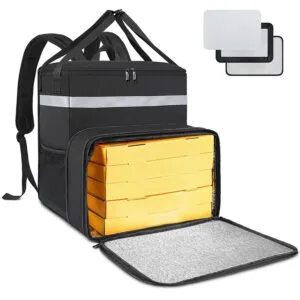
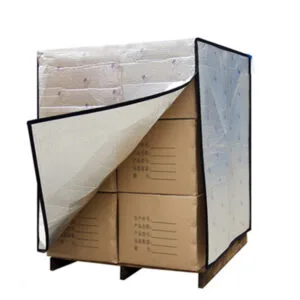
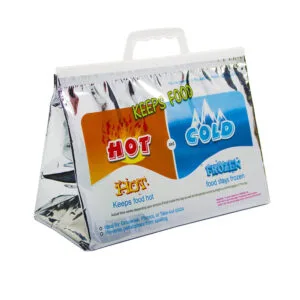
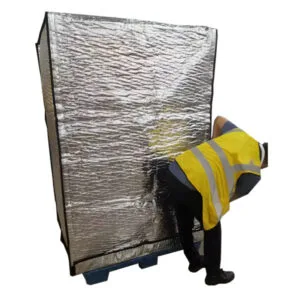
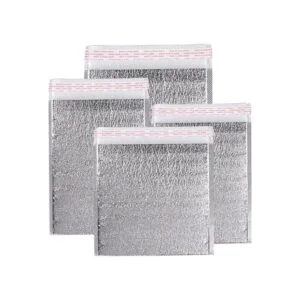
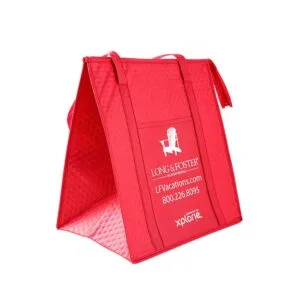
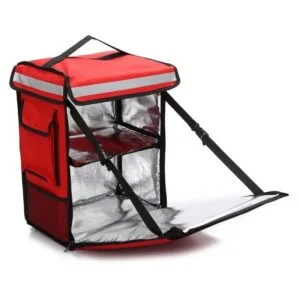
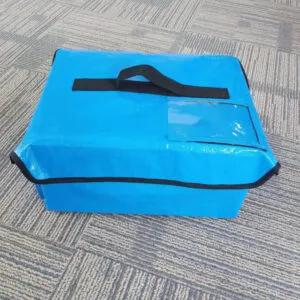
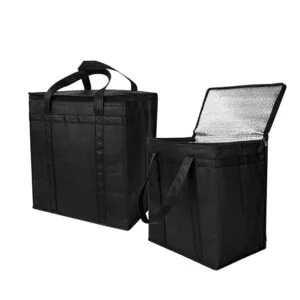
Personalizado sacos de entrega isolados são uma ferramenta prática de cadeia de frio para restaurantes, plataformas de mercearia, empresas de preparação de refeições, cozinhas escuras, fornecedores, e operadores locais de entrega de alimentos. Mas um saco isolado não é um cooler mágico. Retarda a transferência de calor; não cria frio por si só. A comida deve começar na temperatura correta, o tempo da rota deve ser realista, e pacotes frios pode ser necessário quando produtos resfriados são expostos a longos períodos de entrega ou condições ambientais quentes.
Este guia explica como os compradores B2B podem escolher sacolas de entrega isoladas por modelo de rota, tipo de carga útil, meta de temperatura, estrutura material, tamanho, encerramento, processo de limpeza, marca, e compatibilidade de pacotes.
Defina primeiro a meta de segurança alimentar
Para entrega de alimentos refrigerados e mercearia, a questão de design mais importante é a temperatura alvo na entrega. A orientação do consumidor da FDA usa 40°F / 4°C ou menos para armazenamento de alimentos refrigerados, enquanto o modelo do Código Alimentar da FDA usa 41°F / 5°C ou abaixo para conservação a frio de alimentos TCS em serviços de alimentação. Algumas orientações locais de entrega de alimentos também usam 41°F ou menos para alimentos frios e 135°F ou mais para alimentos quentes. Essas referências ajudam as marcas a construir um plano prático de temperatura, mas cada empresa ainda deve seguir as regras locais e os requisitos específicos do produto.
Mesa 1. Referências de temperatura para planejamento de sacolas de entrega isoladas personalizadas.
| Aplicativo | Referência de temperatura | Implicação da embalagem |
|---|---|---|
| Mantimentos refrigerados e preparação de refeições | 40°F / 4°C ou abaixo é uma referência comum de segurança de alimentos refrigerados. | Use produtos pré-resfriados, sacos isolados, e pacotes de gel quando o tempo do percurso ou a temperatura ambiente exigirem resfriamento extra. |
| Retenção fria de serviço de alimentação | 41°F / 5°C ou abaixo é usado em retenção a frio no estilo do Código Alimentar da FDA. | Referência adequada para restaurantes, comissários, e programas de entrega de alimentos preparados. |
| Entrega de comida quente | 135°F / 57°C ou acima é uma referência comum de retenção a quente. | Use sacos quentes separados; não misture refeições quentes e itens refrigerados no mesmo compartimento. |
| Pedidos mistos de mercearia | Refrigerado separado, congelado, ambiente, e itens quentes. | Sacolas com vários compartimentos ou regras de embalagem de rota podem ser necessárias. |
Escolha o tipo de bagagem por modelo de rota
Um entregador de bicicleta que transporta dois pedidos de restaurante precisa de uma sacola diferente da de um motorista de supermercado que transporta leite., produzir, Alimentos congelados, e bens ambientais. Uma marca de preparação de refeições com rota de retorno pode preferir uma sacola reutilizável durável. Um mercado de restaurantes pode precisar de sacolas de baixo custo que muitos motoristas possam carregar. O modelo de rota deve decidir o design da sacola antes da discussão da marca.
Mesa 2. Direção da sacola de entrega por modelo de negócios.
| Modelo de rota | Direção de design de bolsa recomendada | Ponto-chave do design |
|---|---|---|
| Entrega em restaurante | Sacos leves de entrega isolados a quente/frio com forros fáceis de limpar. | Carregamento rápido e conveniência do motorista são importantes. |
| Entrega de mercearia | Sacos isolados estilo sacola maiores, possivelmente codificado por cores por zona de temperatura. | Refrigerado separado, congelado, ambiente, e produtos frágeis. |
| Assinatura de preparação de refeições | Sacos térmicos reutilizáveis de marca ou bolsas isoladas dobráveis. | Suporta unboxing limpo e comportamento de loop de retorno. |
| Catering | Grandes sacos rígidos ou semirrígidos com alças reforçadas e de fácil limpeza. | Carga útil pesada e controle de derramamento são mais importantes do que compactação. |
| Farmácia ou correio de saúde | Saco/caixa mais controlado com pacotes de gel, divisores, e monitoramento de temperatura. | Evite o contato direto de fontes frias com produtos sensíveis ao congelamento. |
Estrutura Material: O que os compradores devem especificar
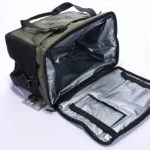
A maioria das sacolas de entrega isoladas combinam um revestimento externo, camada de isolamento, forro interno, sistema de fechamento, alças ou alças, e às vezes filmes reflexivos ou painéis rígidos. As escolhas de materiais afetam a limpeza, durabilidade, resistência à água, resistência térmica, qualidade da marca, e custo. As referências de engenharia definem a condutividade térmica como a capacidade de um material de conduzir calor; menor condutividade térmica geralmente suporta melhor isolamento quando a estrutura é projetada corretamente. A espuma de polietileno é comumente descrita como de célula fechada, leve, resistente à umidade, e isolante, o que explica seu uso frequente em bolsas térmicas e embalagem.
Mesa 3. Principais componentes em uma especificação de sacola de entrega isolada personalizada.
| Componente | Opções comuns | Notas de seleção |
|---|---|---|
| Concha externa | Poliéster, nylon, tecido não tecido, tecido laminado, Tecido revestido de PVC. | Escolha com base na resistência à abrasão, marca, resistência à água, e limpeza. |
| Camada de isolamento | Com fome, Espuma EPE, Espuma PU, isolamento reflexivo, isolamento multicamadas. | Espessura e densidade afetam o desempenho, mas o teste de rota é mais confiável do que apenas as reivindicações materiais. |
| Forro interno | HOJE, laminado de folha de alumínio, TPU, Forro sem PVC, forro compatível com contato com alimentos. | Priorize a superfície limpa, resistência a vazamentos, e controle de odor. |
| Encerramento | Zíper, gancho e laço, aba, fivela, aba magnética. | O mau fechamento pode criar vazamento térmico e frustração do motorista. |
| Estrutura | Bolsa macia, bolsa semi-rígida, cubo dobrável, mochila, saco de pizza, sacola de compras. | Combine o formato com a carga útil e o manuseio do veículo. |
| Marca | Impressão de tela, transferência de calor, etiqueta tecida, bordado, logotipo reflexivo, codificação de cores. | A marca não deve interferir na limpeza, dobrável, ou desempenho térmico. |
Tamanho da bolsa: Comece com carga útil, Não são dimensões de catálogo
Sacos grandes desperdiçam capacidade térmica porque o espaço de ar extra aquece ou esfria mais rapidamente do que uma carga embalada. Sacos pequenos esmagam recipientes de alimentos, reduzir a circulação de ar, danificar selos, e fazer os motoristas deixarem a mala aberta. Uma boa especificação de sacola começa com a carga útil: caixas de refeição, sacolas de supermercado, bandejas de frutos do mar, garrafas de bebidas, recipientes para laticínios, pacotes congelados, e restrições de manuseio do motorista.
Ferramentas úteis de decisão
Verifique os detalhes antes de escolher a embalagem
Essas ferramentas rápidas podem ajudá-lo a comparar o risco da rota, necessidades de dimensionamento, escolhas de refrigerante, e detalhes da embalagem antes de solicitar um orçamento.
Forro de caixa & Dimensionamento da cobertura de paletes
Verifique a lógica de dimensionamento do forro da caixa e da tampa do palete para projetos de embalagens isoladas.
Dimensionamento estimadoRefrigerante & Referência PCM
Compare as opções de refrigerante e PCM quando uma rota precisar de suporte adicional de temperatura.
Comparar opçõesVerificador de risco de rota
Revise as condições da pista antes de selecionar a embalagem para requisitos operacionais reais.
Verifique o risco da rota- Meça o maior pedido esperado, não apenas o pedido médio.
- Deixe espaço suficiente para pacotes de gel ou blocos de gelo quando a entrega refrigerada assim o exigir.
- Evite headspace excessivo que aumenta a variação de temperatura.
- Verifique se os recipientes devem ficar em pé para evitar vazamento de molho ou líquido.
- Confirme se a bolsa deve caber em porta-bicicletas, scooters, Tronco de carros, ou armazenar carrinhos de coleta.
Compatibilidade com Fonte Fria
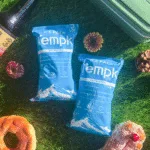
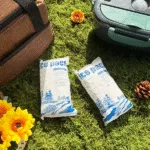
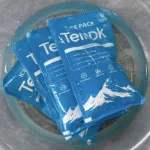
Um saco isolado retarda a transferência de calor, enquanto a fonte fria absorve calor. Para rotas refrigeradas mais longas, usar pacotes de gel, tijolos de gelo reutilizáveis, ou pacotes PCM em um posicionamento controlado. A embalagem não deve esmagar a comida, vazar nas etiquetas, ou criar danos diretos por congelamento. Para itens congelados, especialmente sorvete ou pacotes de frutos do mar congelados, uma simples sacola de entrega isolada pode não ser suficiente; um caixa térmica ou pacote compatível com gelo seco pode ser necessário.
Mesa 4. Compatibilidade com fontes frias para sacos de entrega isolados.
| Fonte Fria | Melhor ajuste | Cuidado |
|---|---|---|
| Pacote de gelo em gel | Refeições geladas, mercado, laticínio, sobremesas, rotas curtas de frutos do mar. | Combine a quantidade com o tempo de rota e o volume da bagagem. |
| Tijolos de gelo reutilizáveis | Preparação de refeições em circuito fechado e rotas de compras. | Exigir recuperação, limpeza, e capacidade do freezer. |
| Pacotes PCM | Metas de temperatura mais controladas, incluindo algumas aplicações de 2-8°C. | Deve selecionar a temperatura correta de mudança de fase. |
| Gelo seco | Itens congelados onde permitido e devidamente embalados. | Requer ventilação, marcação, e conformidade da operadora; não para sacos herméticos selados. |
Limpeza, Odor, e manuseio do driver
As sacolas de entrega falham em operações reais quando são difíceis de limpar, absorver odores, quebrar na alça, colapso sob carga, ou são inconvenientes para os motoristas. Os compradores B2B devem especificar o método de limpeza, produtos químicos de limpeza permitidos, tempo de secagem, lidar com carga, durabilidade do zíper, design de costura de forro, e se a bolsa pode ser dobrada para armazenamento de devolução. Uma bolsa que funciona bem em laboratório, mas não é usada pelos motoristas, não protegerá a cadeia de frio.
Marca personalizada e código de cores
A marca pode melhorar a confiança do cliente e a conformidade do motorista. A codificação por cores também pode reduzir erros operacionais: azul para refrigerado, vermelho para quente, verde para produtos, preto para congelado, ou um sistema personalizado para separação em armazém. Para marcas de alimentos e preparação de refeições, imprimir um código QR na sacola pode levar os clientes ou motoristas a devolver instruções, orientação de limpeza, ou regras de tratamento de temperatura.
Lista de verificação de RFQ para sacolas de entrega isoladas personalizadas
- Modelo de negócio: restaurante, mercado, preparação de refeição, catering, mensageiro de farmácia, ou entrega mista.
- Meta de temperatura dos alimentos e tempo máximo de entrega.
- Dimensões da carga útil, peso, e requisitos de orientação de contêineres.
- Tipo de veículo e método de manuseio do motorista.
- Fonte fria necessária: Pacote de gel, tijolo de gelo, PCM, ou sem refrigerante.
- Processo de limpeza, resistência à água, controle de odor, e requisitos de revestimento.
- Marca, logotipo, codificação de cores, rótulo, e requisitos de código QR.
- Exemplo de plano de teste para condições de entrega no verão e inverno.
Perguntas frequentes
Por quanto tempo uma sacola de entrega isolada pode manter os alimentos frios?
Não existe um tempo universal. Depende da temperatura inicial dos alimentos, tamanho da bolsa, isolamento, temperatura ambiente, duração da rota, frequência de abertura, e se são usados pacotes de gel ou tijolos de gelo.
Os sacos isolados precisam de bolsas de gelo?
Para rotas curtas, alimentos pré-refrigerados e isolamento podem ser suficientes. Para rotas refrigeradas mais longas ou condições ambientais quentes, pacotes de gel ou tijolos de gelo são frequentemente necessários.
O mesmo saco pode ser usado para alimentos quentes e frios?
O mesmo estilo de bolsa pode ser projetado para uso quente ou frio, mas produtos quentes e frios não devem ser misturados no mesmo compartimento carregado. Limpeza e controle de odores também são importantes.
Qual o melhor material para sacolas de entrega isoladas?
Não existe um único material melhor. Uma boa bolsa equilibra a durabilidade externa, camada de isolamento, capacidade de limpeza do revestimento, qualidade de fechamento, e manuseio operacional.
Os sacos de entrega isolados podem ser etiquetados de forma privada?
Sim. Impressão de logotipo, codificação de cores, etiquetas tecidas, tags de instrução, Códigos QR, e embalagens de varejo podem ser personalizadas para marcas de entrega de alimentos.