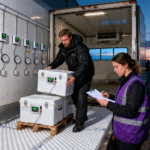
Embalagem da cadeia de frio para amostras de laboratório e produtos biológicos devem realizar duas tarefas ao mesmo tempo: proteger os requisitos de temperatura e proteger as pessoas contra vazamentos ou exposição durante o transporte. Uma caixa fria que suporta 2-8°C não é suficiente se a amostra não estiver devidamente contida. Um pacote triplo compatível não é suficiente se a amostra aquecer, congela, vazamentos, ou não possui documentação adequada. Para remetentes B2B, o design da embalagem deve conectar a classificação da amostra, meta de temperatura, modo de transporte, contenção, refrigerante, isolamento, rotulagem, e fluxo de trabalho do receptor.
Este guia é destinado a engenheiros de embalagens, equipes de operações de laboratório, fornecedores de pesquisa clínica, fornecedores de kits de diagnóstico, distribuidores de produtos biológicos, e equipes de compras da cadeia de frio. Não se trata de aconselhamento jurídico ou treinamento sobre mercadorias perigosas. Siga sempre os regulamentos aplicáveis, requisitos da transportadora, e procedimentos treinados para mercadorias perigosas para sua remessa específica.
Comece com classificação e faixa de temperatura
Amostras de laboratório e produtos biológicos podem incluir amostras humanas isentas, Substâncias biológicas da categoria B, amostras clínicas, amostras de diagnóstico, materiais de pesquisa, enzimas, reagentes, materiais de apoio para terapia celular, vacinas, e outros produtos de saúde sensíveis à temperatura. A especificação da embalagem deve começar com duas perguntas: qual é a classificação de transporte, e qual faixa de temperatura deve ser mantida?
Para substâncias infecciosas de categoria B nos EUA, 49 Cfr 173.199 requer embalagem tripla: um receptáculo primário, embalagem secundária, e uma embalagem externa rígida. Instrução de embalagem da IATA 650 também descreve requisitos para Substâncias Biológicas, Remessas de categoria B por via aérea, incluindo marcação UN3373 e nome de embarque adequado. As orientações da OMS para o transporte de substâncias infecciosas enfatizam a formação, classificação, embalagem, marcação, rotulagem, documentação, e entrega segura.
Mesa 1. Primeiras decisões para amostras de laboratório e embalagens da cadeia de frio de produtos biológicos.
| Pergunta de projeto | Por que isso importa | Direção de referência |
|---|---|---|
| Qual é a classificação da amostra? | A classificação determina a embalagem, marcação, rotulagem, e regras de documentação. | UN3373 Categoria B, espécime isento, Categoria A., gelo seco, ou outra classificação aplicável. |
| Qual é a faixa de temperatura? | O líquido refrigerante e o isolamento devem atender às necessidades de estabilidade do produto. | As faixas comuns incluem ambiente, 2-8°C, congelado, ou ultra-baixo, mas os requisitos do produto controlam. |
| A amostra é líquida? | Líquidos requerem controle de vazamento e material absorvente. | Embalagem tripla e material absorvente são fundamentais para muitos sistemas de envio de amostras. |
| É usado gelo seco? | Gelo seco introduz marcação adicional, ventilação, e requisitos regulatórios. | A PHMSA exige embalagens de gelo seco para permitir a liberação de gás e apresentar marcação adequada, como Gelo seco/UN1845 e massa líquida. |
| Qual modo de transporte é usado? | Ar, estrada, correio, e remessas internacionais podem ter requisitos diferentes. | Os regulamentos da transportadora e do modal devem ser verificados antes do envio. |
Embalagem Tripla: A contenção vem antes do isolamento
Para remessas regulamentadas de amostras biológicas, a contenção não pode ser substituída por um refrigerador de espuma ou expedidor isolado. Um sistema típico de embalagem tripla inclui um receptáculo primário, embalagem secundária estanque ou à prova de peneiramento, material absorvente para líquidos, e uma embalagem externa rígida. A camada da cadeia de frio pode ser adicionada em torno deste sistema de contenção, mas não deve comprometer o encerramento, marcação, ou integridade do pacote.
Mesa 2. Componentes de embalagem tripla e notas de design térmico.
| Camada | Função Típica | Nota de projeto da cadeia fria |
|---|---|---|
| Receptáculo primário | Mantém a amostra diretamente. | Deve ser selado e protegido contra quebra; não confie no isolamento para evitar vazamentos. |
| Material absorvente | Absorve líquido se o receptáculo primário vazar. | Coloque corretamente para que o vazamento não atinja o remetente externo. |
| Embalagem secundária | Fornece contenção à prova de vazamentos ou à prova de peneiramento. | Deve caber dentro do carregador isolado sem esmagamento ou interferência na tampa. |
| Embalagem externa rígida | Protege a embalagem e traz as marcas exigidas. | Deve permanecer visível mesmo quando colocado dentro de sobreembalagens ou transportadores térmicos. |
| Camada térmica | Isolamento, refrigerante, e componentes de controle de temperatura. | Deve ser projetado em torno do sistema de contenção compatível, não o contrário. |
Opções de embalagem com temperatura controlada
A embalagem certa depende se a amostra deve permanecer refrigerada, congelado, ou protegido de temperaturas extremas. Uma embalagem refrigerada de 2 a 8°C geralmente usa pacotes de gel ou embalagens PCM com separação de produtos. Remessas congeladas podem exigir gelo seco ou pacotes congelados, dependendo das regras do produto e da transportadora. Alguns produtos biológicos podem ser sensíveis ao congelamento, o que significa que o contato direto com líquido refrigerante congelado deve ser evitado. Outros materiais podem exigir armazenamento congelado ou ultrabaixo e precisam de embalagens completamente diferentes.
Mesa 3. Direção da embalagem da cadeia de frio por exigência de temperatura.
| Necessidade de temperatura | Possível direção de embalagem | Risco Principal |
|---|---|---|
| Proteção ambiental | Remetente isolado, forro térmico, ou buffer de temperatura. | Superaquecimento ou choque frio durante exposição sazonal. |
| 2-8°C refrigerado | Remetente isolado qualificado com refrigerante condicionado ou PCM. | Danos por congelamento devido ao contato direto com o líquido refrigerante ou mau condicionamento. |
| Congelado | Gelo seco ou sistema de refrigeração congelada quando permitido e adequado. | Ventilação com gelo seco, marcação, sublimação, e segurança do produto. |
| Ultrabaixo | Embarcador ativo/passivo à base de gelo seco ou especializado. | Duração, limites de gelo seco, manuseio treinado, e prontidão do destino. |
| Correio local curto | Resfriador qualificado, registrador de dados, e processo de transferência definido. | Frequência de abertura, atraso na rota, e documentação de temperatura. |
Colocação de refrigerante e proteção contra congelamento
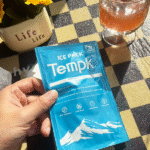
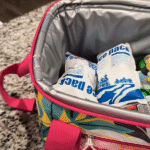
Uma falha comum na cadeia de frio é colocar o líquido refrigerante congelado diretamente contra uma amostra sensível ao congelamento ou produto biológico.. Para materiais de 2-8°C, o pacote pode precisar de condicionamento de refrigerante, uma câmara de produto, divisores, material tampão, ou pacotes PCM com uma temperatura de mudança de fase adequada. O design deve definir onde fica o registrador de dados, onde fica a amostra, onde fica o refrigerante, e como o remetente deve ser carregado após o pré-condicionamento.
Ferramentas úteis de decisão
Verifique os detalhes antes de escolher a embalagem
Essas ferramentas rápidas podem ajudá-lo a comparar o risco da rota, necessidades de dimensionamento, escolhas de refrigerante, e detalhes da embalagem antes de solicitar um orçamento.
Seletor de embalagens
Compare opções de embalagens isoladas por produto, rota, e necessidade de temperatura.
Encontre embalagensGerador de lista de verificação de conformidade
Crie uma lista de verificação prática para revisão de embalagens, envio, e documentação.
Lista de verificação de construçãoVerificador de risco de rota
Revise as condições da pista antes de selecionar a embalagem para requisitos operacionais reais.
Verifique o risco da rotaOs recursos de armazenamento e manuseio de vacinas do CDC enfatizam métodos adequados de armazenamento e transporte, uso de monitoramento de temperatura, e procedimentos projetados para evitar condições de armazenamento comprometidas. Embora as vacinas não sejam iguais a todos os produtos biológicos ou amostras de laboratório, o princípio é relevante: a embalagem da cadeia de frio deve ser repetível, documentado, e monitorado quando a qualidade do produto depende da temperatura.
Gelo Seco e Considerações UN1845
O gelo seco é útil para remessas congeladas e ultrabaixas, mas é regulamentado porque o gás dióxido de carbono é liberado à medida que sublima. A orientação da PHMSA afirma que Pacotes de gelo seco deve permitir a liberação de gás para evitar o acúmulo de pressão, e os pacotes devem mostrar o nome de remessa/número de identificação adequado, como Gelo seco, UN1845, e a massa líquida de gelo seco. UPS e FedEx também fornecem instruções específicas da transportadora para gelo seco e produtos perecíveis. Se gelo seco for usado com amostras biológicas, o expedidor deve confirmar todos os requisitos aplicáveis para mercadorias perigosas.
Teste e documentação de embalagem
Um pacote de amostras de laboratório deve ser testado como um sistema completo: recipiente, isolamento, refrigerante, massa de amostra ou carga útil substituta, material absorvente, posição do registrador, Carton, e perfil ambiental. Testar apenas um pacote de gel ou apenas um caixa de espuma não é suficiente. Se a remessa for de alto valor, recorrente, ou regulamentado, preparar instruções de embalagem por escrito e treinar a equipe de embalagem.
Mesa 4. Documentos recomendados para embalagens de cadeia de frio de amostras de laboratório.
| Documento | Propósito |
|---|---|
| Instrução de embalagem | Mostra cada camada, condição do líquido refrigerante, colocação, e método de fechamento. |
| Resumo do teste de temperatura | Registra o perfil do ambiente, duração, carga útil, massa de refrigerante, posição do registrador, e resultado. |
| Instrução de fechamento | Garante que a embalagem seja fechada da maneira como foi testada ou certificada. |
| Lista de verificação de marcação e etiqueta | Evita a perda do UN3373, gelo seco, setas de orientação, ou detalhes da parte responsável. |
| Lista de verificação do receptor | Documenta a temperatura de chegada, condição do pacote, e decisão de aceitação. |
Lista de verificação de RFQ para amostras de laboratório e embalagens de produtos biológicos
- Tipo de amostra e classificação de transporte.
- Faixa de temperatura e limites máximos de excursão permitidos.
- Modo de transporte: correio, parcela, estrada, ar, doméstico, ou internacional.
- Volume de amostra, número de contêineres primários, e estado líquido/sólido.
- Sistema de contenção necessário e se UN3373 ou outras marcas se aplicam.
- Tipo de isolamento, tipo de refrigerante, design de câmara de produto, e posição do registrador.
- Duração da remessa, perfil ambiente, prontidão do destino, e fluxo de trabalho do receptor.
- Requisitos de documentação, requisitos de treinamento, e requisitos de aprovação da transportadora.
Perguntas frequentes
Uma caixa de espuma isolada é suficiente para amostras de laboratório?
Não. O expedidor térmico deve ser combinado com o sistema de contenção correto, marcação, rotulagem, e documentação para a classificação da amostra.
O que significa UN3373?
UN3373 é usado para Substância Biológica, Remessas da categoria B. Os requisitos incluem embalagens específicas, marcação, e documentação sob regras aplicáveis, como IATA PI650 e 49 Cfr 173.199.
Os pacotes de gel podem ser colocados diretamente ao lado de produtos biológicos?
Somente se o produto permitir e a embalagem for projetada para isso. Produtos sensíveis ao congelamento geralmente precisam de separação, refrigerante condicionado, or PCM packs.
Quando é necessário gelo seco?
Gelo seco pode ser necessário para remessas congeladas ou ultrabaixas, mas introduz marcação de gelo seco, ventilação, e requisitos de conformidade da operadora.
As remessas de amostras de laboratório devem usar registradores de temperatura?
Para alto valor, regulamentado, ou remessas recorrentes sensíveis à temperatura, registradores de dados são fortemente recomendados para documentar o desempenho do pacote e as condições de chegada.