Muitas marcas de alimentos congelados desejam enviar sem gelo seco porque o gelo seco aumenta a complexidade do manuseio, regras da operadora, Treinamento de segurança, e preocupações de recebimento do cliente. Em alguns casos, envio congelado sem gelo seco é possível. Em outros casos, o gelo seco continua sendo a fonte de frio mais prática para manter a condição de chegada congelada em rotas longas ou de alto risco.
A decisão não deve ser baseada apenas na preferência. Deve ser baseado no tipo de produto, condição de chegada necessária, massa de carga útil, tempo de trânsito, isolamento, exposição ambiental, regras da operadora, e dados de validação.
O que “congelado” significa para design de embalagens
As orientações para manuseio seguro de alimentos da FDA fazem referência ao armazenamento em freezer a 0°F / -18°C ou abaixo. Este é um ponto de referência útil para programas de alimentos congelados porque separa embalagens congeladas de embalagens refrigeradas. Sistemas de gel-pack resfriados podem manter os alimentos frios, mas nem sempre mantêm o produto congelado.
O gelo seco é muito mais frio que o congelado comum pacotes de gel. O USGS afirma que o gelo seco é dióxido de carbono sólido e sublima a -78,5°C / -109.3°F. Esse frio extremo é o motivo pelo qual o gelo seco pode proteger produtos congelados, mas é também por isso que deve ser manuseado com cuidado e mantido separado de produtos que possam ser danificados pelo contato direto.
Opções sem gelo seco para envio de alimentos congelados
| Opção | Onde pode funcionar | Limitação principal | O que testar |
|---|---|---|---|
| Expedidor isolado de alto desempenho com pacotes de gel congelado | Rotas curtas congeladas, cargas congeladas densas, exposição ambiental moderada. | Pode não manter a verdadeira condição de congelamento em rotas longas e quentes. | Temperatura central do produto e sinais de descongelamento/recongelamento. |
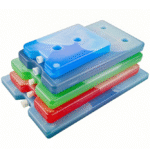
| Pacote de PCM eutético ou congelado | Produtos congelados que necessitam de comportamento térmico mais controlado do que os pacotes de gel padrão. | Requer seleção e condicionamento corretos de mudança de fase. | Condição PCM, temperatura do produto, e exposição da rota. |
| Remetente de espuma EPS com tijolos de gelo | Entrega local ou regional de congelados onde a rota é controlada. | O peso e o espaço de armazenamento podem ser altos. | Tempo de espera, resistência ao esmagamento, e condição de recebimento do cliente. |
| Loop refrigerador EPP reutilizável | Mercearia de circuito fechado, frutos do mar, ou entrega de refeição congelada. | Requer logística de devolução e processo de limpeza. | Reutilizar durabilidade, limpeza, e repetibilidade térmica. |
| Gel híbrido + sistema de revestimento isolado | Produtos que devem permanecer muito frios, mas não necessariamente ultracongelados. | Não é adequado se for necessário “congelamento” na chegada. | Critérios de aceitação do produto e margem de segurança alimentar. |
Um sistema sem gelo seco tem maior probabilidade de funcionar quando o percurso é curto, a carga útil é densa e totalmente congelada, o isolamento é forte, a caixa tem pouco espaço livre, a remessa evita atraso no fim de semana, e a condição de chegada exigida permite amolecimento parcial. É menos provável que funcione para sorvete, longas rotas de encomendas de verão, ou produtos que devem chegar bem congelados.
Quando o gelo seco ainda é necessário
Muitas vezes, o gelo seco ainda é necessário quando o produto precisa permanecer congelado durante um longo trânsito, exposição ambiente quente, ou condições incertas da última milha. Também é relevante quando o produto possui baixa massa térmica, derrete rapidamente, ou tem requisitos rígidos de aparência, como sorvete, sobremesas congeladas, e frutos do mar premium.
A FedEx identifica o gelo seco como um refrigerante seco para itens congelados e afirma que o gelo seco libera gás dióxido de carbono, então o pacote não deve ser selado hermeticamente. A orientação da UPS para remessa de alimentos e perecíveis também recomenda manter o conteúdo separado do gelo seco e usar um recipiente de espuma EPS dentro de uma caixa de papelão ondulado.
Regras oficiais de gelo seco que você deve saber antes de cotar
| Exigência | Regra baseada na fonte | Por que isso importa |
|---|---|---|
| Ventilação | A PHMSA afirma que a embalagem de gelo seco deve permitir a liberação de gás para evitar o aumento de pressão. A FAA também afirma que as embalagens não devem ser herméticas e devem permitir ventilação. | Evita a ruptura da embalagem devido à pressão do gás CO2. |
| Marcação | Os pacotes dos estados PHMSA devem mostrar o nome de remessa adequado e o número de identificação, como “Gelo seco,UN1845, e massa líquida quando aplicável. | Suporta manuseio de transportadora e comunicação regulatória. |
| Limite aéreo de passageiros | Listas de orientação FAA PackSafe 2.5 kg / 5.5 lb ou menos por pacote e por passageiro para gelo seco usado para embalar produtos perecíveis. | Importante para cenários de bagagem de passageiros; as regras de carga comercial podem diferir de acordo com a transportadora e a regulamentação. |
| Separação de produtos | A UPS recomenda manter o conteúdo separado do gelo seco. | Reduz o excesso de congelamento e danos por contato. |
| Embalagem externa | UPS recomenda espuma EPS dentro de papelão ondulado para remessas de alimentos/perecíveis. | Combina isolamento com proteção da caixa de transporte. |
Para remessa comercial, sempre confirme as regras de gelo seco específicas da transportadora, regulamentos do país, documentação, e requisitos de treinamento antes do envio. Este artigo não é uma certificação de transporte de mercadorias perigosas.
Como avaliar se você pode evitar gelo seco
Comece definindo a condição de chegada necessária. O produto precisa chegar bem congelado, abaixo de -18°C, parcialmente congelado, ou simplesmente frio e seguro? Então avalie a rota. Uma entrega local controlada de congelados 24 horas não é o mesmo que uma rota de encomendas de 48 horas que atravessa regiões quentes no verão.
Ferramentas úteis de decisão
Verifique os detalhes antes de escolher a embalagem
Essas ferramentas rápidas podem ajudá-lo a comparar o risco da rota, necessidades de dimensionamento, escolhas de refrigerante, e detalhes da embalagem antes de solicitar um orçamento.
Gerador de lista de verificação de conformidade
Crie uma lista de verificação prática para revisão de embalagens, envio, e documentação.
Lista de verificação de construçãoRefrigerante & Referência PCM
Compare as opções de refrigerante e PCM quando uma rota precisar de suporte adicional de temperatura.
Comparar opçõesResistência à queda de material de isolamento
Revise a resistência à queda e os fatores de manuseio antes de escolher materiais de isolamento.
Verifique a resistênciaEm seguida, avalie a massa do produto. Um carregamento denso de frutos do mar congelados pode manter a temperatura melhor do que uma pequena caixa de doces leves congelados. Avalie também a sensibilidade do produto. O sorvete geralmente precisa de um controle de congelamento mais rigoroso do que muitas bandejas de refeições congeladas porque as mudanças de textura são óbvias.
Finalmente, testar alternativas. Compare um design de gel congelado sem gelo seco ou PCM com um design de gelo seco usando a mesma carga útil, Carton, posições do registrador de dados, e perfil de rota. O resultado deve ser avaliado pela temperatura e qualidade do produto, não apenas se a caixa ainda “está fria”.
Design de embalagem para remessa congelada sem gelo seco
| Elemento de design | Consideração recomendada |
|---|---|
| Pré-congelamento do produto | Carregue o produto a partir de uma condição estável de freezer, não de um estado parcialmente congelado. |
| Isolamento | Use isolamento suficiente; revestimentos finos podem não proteger alimentos congelados em rotas longas. |
| Tipo de refrigerante | Considere pacotes de gel congelado, tijolos de gelo, ou pacotes PCM dependendo do alvo e da rota. |
| Headspace | Reduza o espaço de ar desnecessário dentro da caixa. |
| Controle de umidade | Use forros e material absorvente se estiver descongelando, condensação, ou purgar é possível. |
| Escolha de trânsito | Use serviços mais rápidos e evite dias de envio que geram atrasos no fim de semana. |
| Validação | Use registradores de dados e defina o que significa “chegada congelada aceitável”. |
Casos de negócios onde o design sem gelo seco pode melhorar as operações
Sistemas sem gelo seco podem reduzir a complexidade do manuseio perigoso, melhorar a experiência do cliente, simplificar o armazenamento em armazém, e evitar a escassez de gelo seco durante as épocas de pico. Eles também podem facilitar o envio de alimentos com marca própria porque a embalagem pode exigir menos comunicações de perigo.
No entanto, a redução de custos não é automática. Um design sem gelo seco pode exigir mais isolamento, pacotes maiores de gel congelado, caixas mais pesadas, ou serviço de envio mais rápido. O custo total desembarcado deve incluir embalagem, congelamento de refrigerante, trabalho, peso do frete, nível de serviço da operadora, perda de produto, e reclamações de clientes.
Perguntas frequentes
Alimentos congelados podem ser enviados sem gelo seco?
Às vezes. Depende do produto, tempo de rota, isolamento, massa de carga útil, temperatura inicial, exposição ambiental, e condição de chegada aceitável. Sistemas sem gelo seco devem ser testados antes do lançamento.
Por que o gelo seco é regulamentado?
O gelo seco sublima em gás dióxido de carbono. Os pacotes devem permitir a ventilação do gás e podem exigir marcação e documentação específicas dependendo do tipo de remessa e da transportadora.
O gelo seco é sempre melhor para alimentos congelados?
Não. O gelo seco é muito frio e pode congelar demais ou danificar alguns produtos. Também pode criar preocupações no tratamento do cliente. É útil quando é necessária uma verdadeira proteção contra congelamento e a embalagem é projetada adequadamente.
Qual é o maior risco ao substituir o gelo seco?
O maior risco é assumir que “ainda frio” significa “ainda congelado”. Use dados de temperatura do produto e verificações de qualidade para definir o sucesso.
Conclusão final
O envio de alimentos congelados sem gelo seco é possível para alguns produtos e rotas, mas deve ser comprovado por testes de embalagem. O gelo seco ainda é necessário quando o produto precisa permanecer congelado por longos períodos., quente, ou trânsito incerto. A decisão correta compara a temperatura do produto, risco de rota, regras da operadora, experiência do cliente, e custo operacional total.