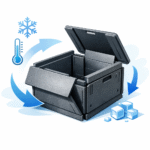
Marcas de entrega de alimentos e kits de refeição precisam de embalagens que protejam a segurança alimentar, qualidade do produto, e experiência do cliente por meio de toda a rota de entrega. UM 24-48 pacote de horas não é apenas uma caixa com pacotes de gel. É um sistema controlado que começa com alimentos pré-resfriados, usa isolamento e refrigerante apropriados, contabiliza o atraso na última milha, e chega com embalagem limpa, rótulos legíveis, e temperatura aceitável do produto.
Este artigo explica como projetar uma embalagem prática de cadeia de frio para refeições refrigeradas, kits de refeições, produtos de mercearia, laticínio, sobremesas, molhos, e outros alimentos sensíveis à temperatura. Ele usa referências oficiais de segurança alimentar e embalagens transportadoras sempre que possível e separa parâmetros baseados na fonte de decisões de design que exigem testes.
Comece com a meta de temperatura dos alimentos
A orientação de segurança alimentar da FDA afirma que os alimentos frios devem ser mantidos a 40°F / 4°C ou abaixo, e que alimentos perecíveis não devem permanecer na “Zona de Perigo” de 40°F a 140°F por mais de 2 horas, ou mais do que 1 hora se a temperatura estiver acima de 90°F. Esta é uma referência de segurança alimentar, não é um protocolo completo de validação de envio, mas ajuda a definir o objetivo da cadeia de frio para entrega de alimentos refrigerados.
Para alimentos congelados, As orientações de manuseio seguro da FDA fazem referência ao armazenamento em freezer a 0°F / -18°C ou abaixo. Isso significa que uma embalagem de kit de refeição resfriada e uma embalagem de refeição congelada não devem ser projetadas da mesma maneira.
Tabela de planejamento de temperatura e produto
| Categoria de produto | Alvo de design prático | Risco principal | Implicação da embalagem |
|---|---|---|---|
| Refeições preparadas refrigeradas | Mantenha o frio, geralmente igual ou inferior a 40°F / 4°C para segurança alimentar. | Aquecimento durante a última milha, vazamento de molho, deformação da bandeja. | Pacotes de gel, forro isolado ou caixa de espuma, camada absorvente, design de caixa limpa. |
| Lácteos e proteínas frescas | Forte proteção refrigerada, evite abuso de temperatura. | Risco de segurança alimentar e vazamento de purga. | Maior massa de refrigerante, separação de produtos, material absorvente, fluxo de trabalho de embalagem rápido. |
| Produtos e saladas | Mantenha a calma, mas evite danos por congelamento. | Congelamento por contato direto com o pacote de gel, danos por umidade. | Camada tampão, controle de fluxo de ar, evite contato direto com líquido refrigerante congelado. |
| Sobremesas de chocolate e padaria | Evitar derretimento ou deformação; muitas vezes não tão frio quanto comida congelada. | Amolecimento de calor, condensação, dano de aparência. | Use forro isolado, pacotes de gel com separação, desembalagem limpa. |
| Refeições preparadas congeladas | Manter condição de chegada congelada. | Descongelando, renovando, manuseio de gelo seco, se usado. | Isolamento forte, estratégia de refrigerante congelado, possivelmente gelo seco dependendo da rota. |
| Kits de refeição com ingredientes mistos | Itens diferentes podem ter sensibilidade diferente. | Proteína precisa de proteção mais fria, produto pode congelar. | Zonas separadas, divisores, agrupamento de ingredientes, embalagem clara SOP. |
Construa a embalagem de dentro para fora
Uma embalagem para entrega de alimentos deve ser projetada da carga útil para fora.
Comece com a comida em si. Embale os alimentos na temperatura inicial correta. Os pacotes de gel devem proteger o produto durante o transporte, não resfriar alimentos quentes após mau manuseio no armazém. Em seguida, defina a disposição do produto. Mantenha bandejas frágeis, molhos, e produzir longe de pontos de pressão e superfícies congeladas diretas. Adicione um divisor ou buffer onde existe risco de congelamento.
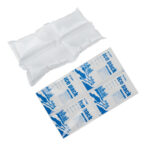
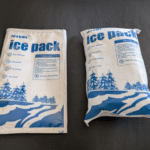
Em seguida, escolha o refrigerante. A FedEx descreve refrigerantes em gel para produtos que precisam permanecer entre 34°F / 1°C e 50°F / 10°C. Os pacotes de gel são, portanto, uma escolha comum para alimentos refrigerados e kits de refeição. Para alimentos congelados, gelo seco ou uma embalagem congelada diferente pode ser necessária.
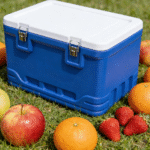
Finalmente escolha o isolamento. UM forro de caixa pode ser adequado para refeições de comércio eletrônico onde a marca deseja armazenamento plano e menor volume de remessa. Um expedidor EPS pode melhorar o isolamento e a rigidez para rotas mais longas. Um reutilizável Caixa EPP pode funcionar para circuitos de entrega locais ou programas retornáveis.
Camadas de embalagem recomendadas
| Camada | Função | Notas de projeto |
|---|---|---|
| Caixa externa | Protege a remessa e carrega etiquetas. | Use força suficiente para compressão do pacote e exposição à umidade. |
| Forro isolado ou remetente de espuma | Reduz o ganho de calor durante o trânsito. | Escolha com base no tempo de espera, espaço de armazenamento, custo, e metas de sustentabilidade. |
| Forro de plástico | Protege a caixa da condensação, vazamentos, e purga do produto. | FedEx recomenda revestimentos plásticos para remessas perecíveis. |
| Camada absorvente | Captura condensação ou vazamento. | Especialmente útil para frutos do mar, carne, laticínio, e produtos molhados. |
| Pacotes de gel ou refrigerante | Absorve o calor e prolonga o tempo de retenção a frio. | Congelar ou condicionar de acordo com as instruções da embalagem. |
| Câmara de produto | Mantém os alimentos organizados e evita danos. | Use divisórias ou mangas quando necessário. |
| Instrução de embalagem | Controla a repetibilidade do armazém. | Incluir pedido de pacote, localização do refrigerante, e hora de fechar. |
| Recebendo instruções | Ajuda o cliente a avaliar a condição do produto. | Incluir “refrigerar imediatamente” e orientações para descarte de embalagens frias. |
Projetando para 24 Horário vs. 48 horas
Um projeto de 24 horas muitas vezes pode usar isolamento mais leve e menos líquido refrigerante do que um projeto de 48 horas, mas a diferença não é linear. Um pacote de 48 horas pode passar por vários centros, veículos mais quentes, tempo de permanência mais longo, e incerteza de entrega residencial. Um pacote atrasado em 24 horas pode se comportar como uma remessa em 36 horas. Uma remessa de sexta-feira pode se tornar um problema no fim de semana se o serviço falhar.
Para entrega de comida empresarial, a meta do projeto deve incluir o tempo de serviço mais uma margem de atraso. Uma marca de kit de refeição enviada no verão pode precisar de diferentes versões de embalagem para estações quentes e amenas. Uma rota local de entrega no mesmo dia pode precisar de um saco isolado e embalagens reutilizáveis em vez de um expedidor de espuma.
Ferramentas úteis de decisão
Verifique os detalhes antes de escolher a embalagem
Essas ferramentas rápidas podem ajudá-lo a comparar o risco da rota, necessidades de dimensionamento, escolhas de refrigerante, e detalhes da embalagem antes de solicitar um orçamento.
Referência de material de isolamento
Compare as opções de materiais de isolamento para diferentes necessidades de embalagens da cadeia de frio.
Compare materiaisRefrigerante & Referência PCM
Compare as opções de refrigerante e PCM quando uma rota precisar de suporte adicional de temperatura.
Comparar opçõesCalculadora de bolsa de gelo
Estime a quantidade de bolsas de gelo em gel para remessas refrigeradas e planejamento prático de rotas.
Estimar bolsas de geloEncaminhar fatores de risco para kits de refeição e entrega de alimentos
| Fator de risco | Como isso afeta a embalagem | Mitigação |
|---|---|---|
| Calor da última milha do verão | Aumenta o ganho de calor perto da entrega. | Mais isolamento, maior massa de refrigerante, janelas de entrega mais curtas, triagem de risco de rota. |
| Morada na porta | O produto pode parar após a entrega. | Adicione margem de segurança e instruções ao cliente. |
| Atraso de fim de semana | 24-o design da hora pode falhar se atrasado. | Evite dias de envio de alto risco ou projete tempos de espera mais longos. |
| Ingredientes mistos | Proteína, produzir, e molhos têm necessidades diferentes. | Separe zonas frias e use divisórias. |
| Condensação | Caixas molhadas danificam rótulos e experiência do cliente. | Forro de plástico, camada absorvente, pacotes resistentes a vazamentos. |
| Congelamento excessivo | Pacotes de gel congelado podem danificar produtos ou molhos. | Camada tampão, PCM, condicionamento mais quente, ou colocação indireta. |
Abordagem de validação
Para um novo programa, comece com um design de mesa usando massa de produto, temperatura alvo, duração da rota, e formato de isolamento. Em seguida, construa um pacote de amostra e registre a temperatura do produto e do espaço aéreo com registradores de dados. Se a remessa for de alto volume ou nacional, teste contra perfis quentes e frios. O ISTA 7E fornece perfis de transporte térmico desenvolvidos a partir de dados reais de calor e frio e pode suportar testes mais estruturados.
A validação deve documentar a temperatura de carregamento do produto, condicionamento de refrigerante, sequência de pacotes, localização do registrador de dados, perfil ambiente, e condição de chegada. Se a caixa passar apenas quando embalada por um especialista, o design pode falhar na produção. O projeto final deve ser simples o suficiente para que o pessoal do armazém possa repeti-lo durante os picos de demanda.
Sustentabilidade e experiência do cliente
As marcas de entrega de alimentos também precisam pensar além da temperatura de chegada. Os clientes reclamam quando bolsas de gelo vazar, caixas chegam molhadas, descarte de gel é confuso, ou muitos pacotes frios acumular em casa. Uma embalagem bem projetada deve incluir instruções de descarte ou reutilização, refrigerante do tamanho certo, forros limpos, e embalagens que não pareçam excessivas.
Sistemas reutilizáveis podem funcionar para entrega local em circuito fechado. Bolsas de gelo para injeção de água pode reduzir o frete de entrada e o volume de armazenamento antes da hidratação. Forros recicláveis podem apoiar metas de sustentabilidade, mas eles ainda precisam de testes térmicos. Não substitua um remetente de espuma validado por um revestimento mais leve sem testar novamente a embalagem.
Perguntas frequentes
Um kit de refeição pode ficar frio por 48 horas com pacotes de gel?
Depende da carga útil, isolamento, rota, temperatura inicial, massa de pacote de gel, e exposição ambiental. Pacotes de gel são comumente usados para remessas refrigeradas, mas um projeto de 48 horas deve ser testado em condições realistas.
As embalagens de gel do kit de refeição devem tocar na comida?
Nem sempre. O contato direto pode ser útil para alguns produtos resfriados, mas pode congelar produtos, molhos, ou alimentos delicados. Use buffers ou divisores quando existir risco de congelamento.
Qual é a principal diferença entre o envio de refeições resfriadas e congeladas?
Refeições refrigeradas são projetadas para permanecerem frias, mas não congeladas. As refeições congeladas devem permanecer congeladas e podem exigir um isolamento mais forte, PCM congelado, ou gelo seco dependendo da rota.
Como as marcas podem reduzir as embalagens úmidas?
Use pacotes de gel resistentes a vazamentos, forros de plástico, material absorvente, melhor posicionamento do refrigerante, e um design de caixa que mantém as etiquetas longe de superfícies molhadas.
Conclusão final
UM 24-48 kit de refeição de hora em hora ou pacote de entrega de comida devem ser projetados em torno da segurança alimentar, realidade da rota, sensibilidade do produto, e experiência do cliente. Comece com referências de temperatura da FDA, escolha um sistema de refrigeração e isolamento que corresponda à rota, incluem controle de umidade, e valide o pacote completo antes de dimensionar.